Hunting a CRP Field Edge at First Light
North Dakota CRP field edge hunting strategies for deer and pheasants using dawn wind directions and GoHunt mapping tools.
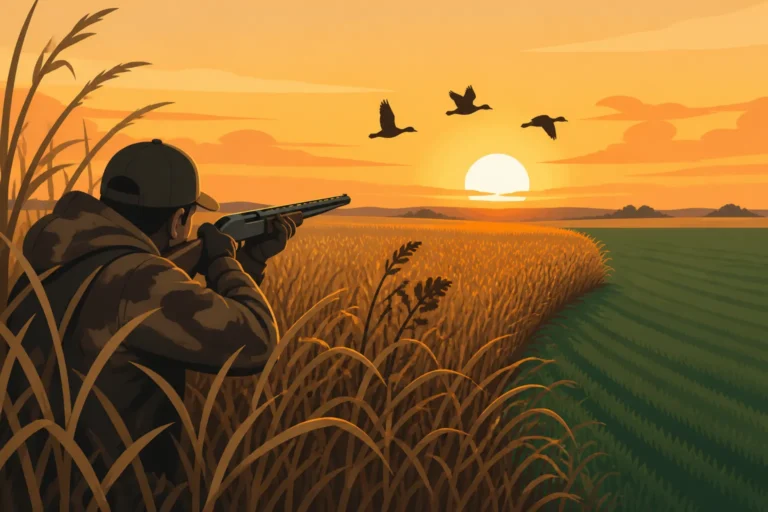
North Dakota CRP field edge hunting strategies for deer and pheasants using dawn wind directions and GoHunt mapping tools.
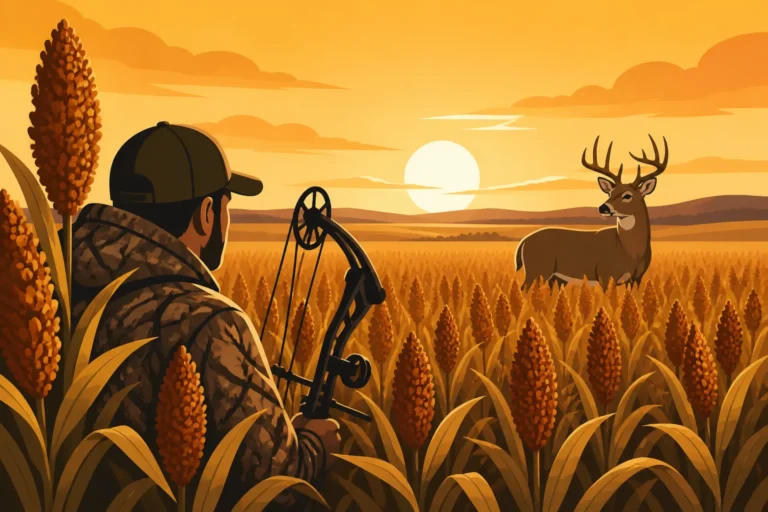
Standing milo fields in North Dakota provide whitetail deer with protein-rich food and dense cover, creating unique late season hunting challenges.
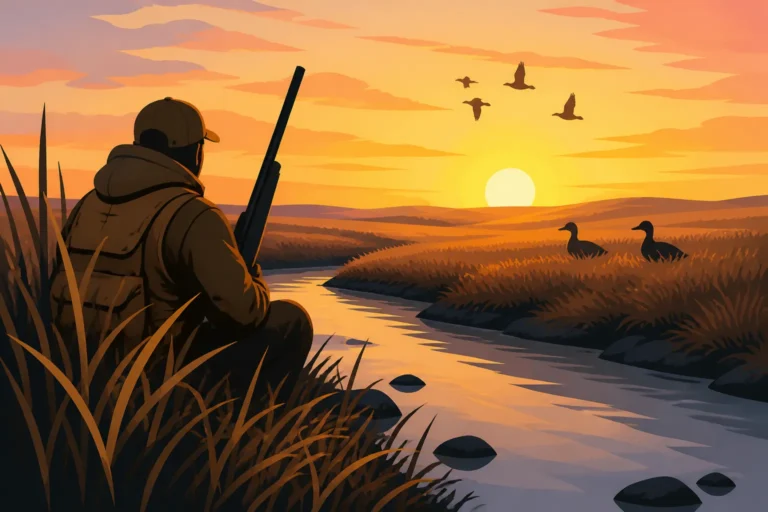
North Dakota creek crossings function as natural travel corridors and funnels, concentrating deer movement between bedding and feeding areas at dawn.
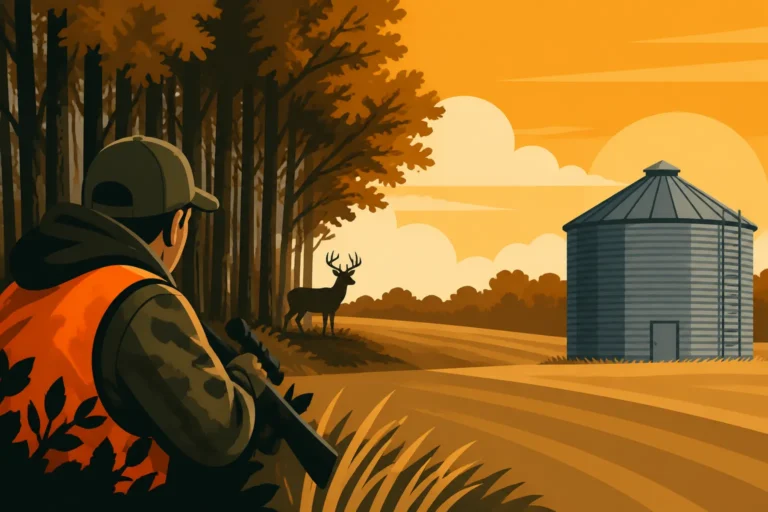
North Dakota grain bin woodlots offer deer food, water, and cover near corn or wheat fields, creating a low-pressure sanctuary.
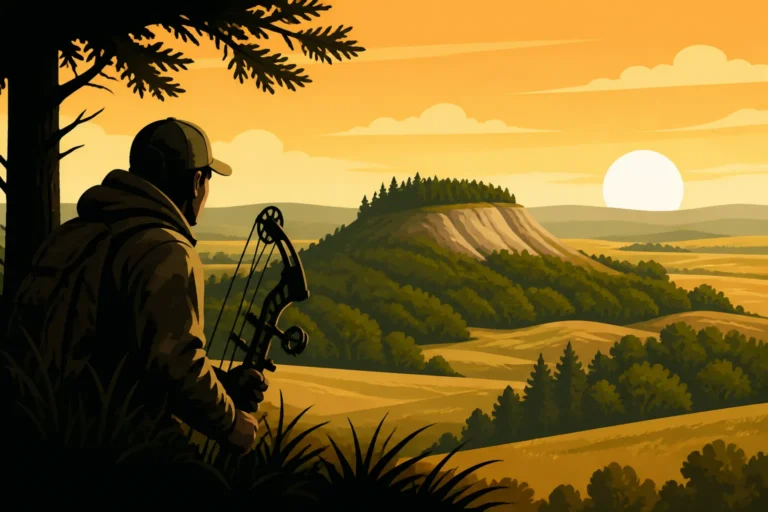
Turtle Mountain timber pockets in North Dakota require specific strategies for navigating dense cover and rolling terrain.
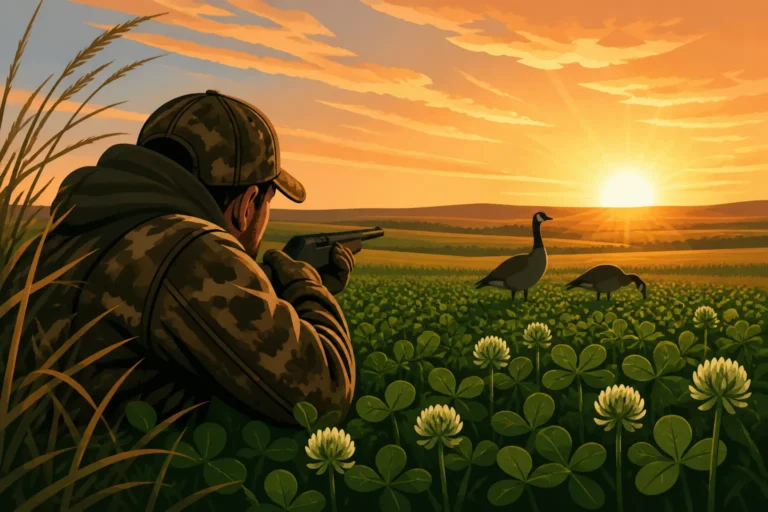
Early morning deer hunting in North Dakota clover plots involves managing low light, shifting thermals, and deer behavior.
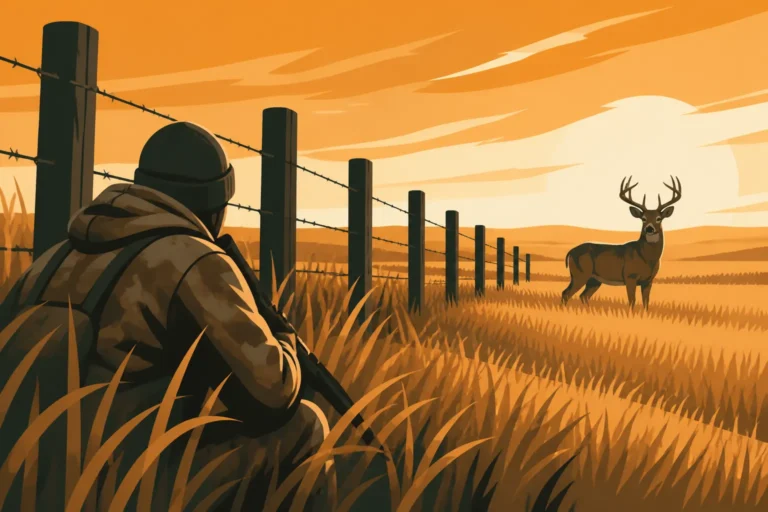
North Dakota deer travel routes along fence lines, explaining how hunters can scout active tracks, rubs, and morning commutes.
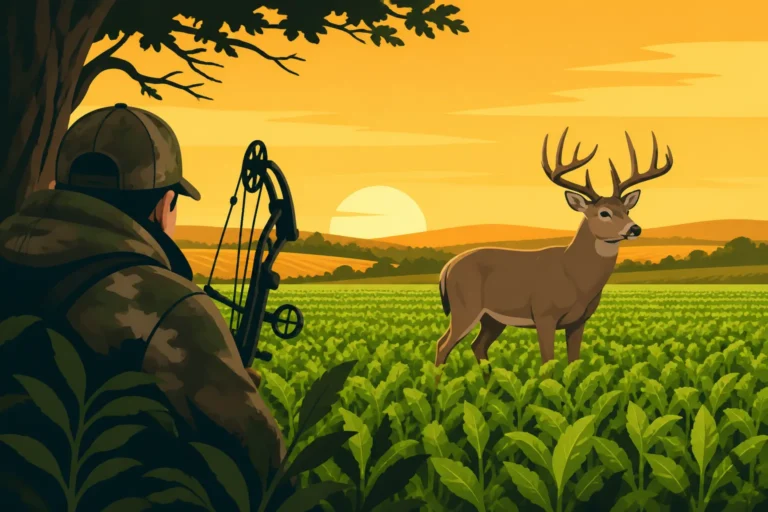
North Dakota food plot strategies explain how to intercept deer during legal shooting hours using brassicas and clover.
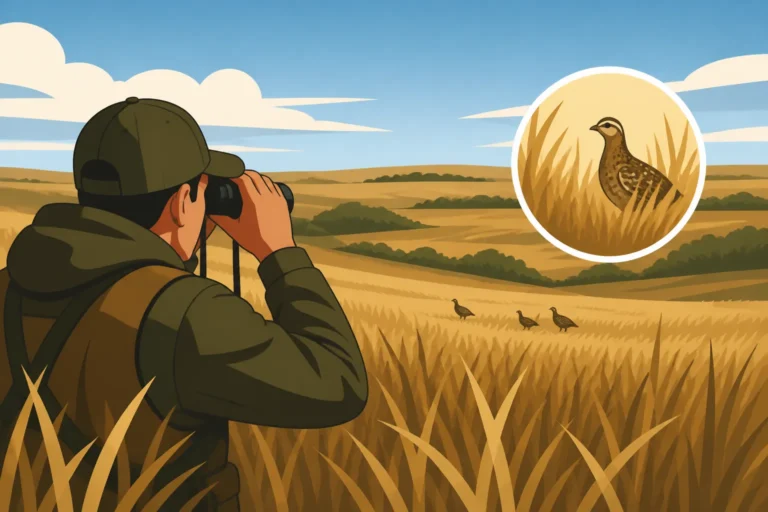
Glassing Conservation Reserve Program grass in North Dakota helps hunters locate deer, pheasants, and grouse hiding in dense cover.
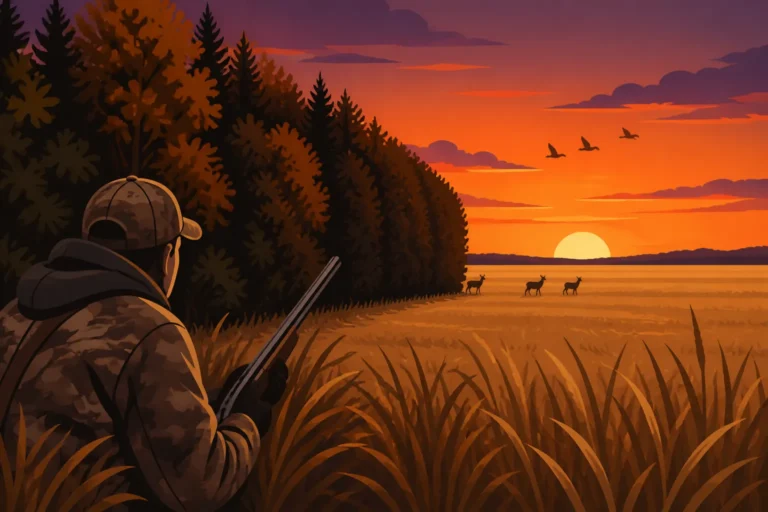
North Dakota shelterbelt corners serve as natural travel routes where whitetail deer stage before moving into agricultural fields at dusk.