What Meals a North Dakota Lodge Package Includes
When you're planning that dream North Dakota hunting trip, there's so much to think about: tags, travel, gear, and of course, where you'll be laying your head each night. But one thing that often gets overlooked in the excitement is a crucial part of any hunter's experience – the food! Nobody wants to be hangry in the blind or out in the cold prairie. Understanding what meals a North Dakota lodge package typically includes can make a huge difference in your overall trip enjoyment and your energy levels in the field. This guide will walk you through the usual culinary offerings, what to expect, and what questions you should absolutely ask before you book.
The Standard Lodge Package Meal Experience
Let's be real, you're not booking a hunting lodge for a Michelin-star dining experience, but you absolutely expect to be well-fed. After all, hunting is physically demanding, and you'll be burning a lot of calories whether you're walking miles of CRP for pheasants or sitting motionless in a deer stand during a December cold snap. Most North Dakota hunting lodges understand this implicitly, and their meal plans are designed with a hunter's appetite and schedule in mind. They know you need fuel to perform and hearty comfort food to recover.
Breakfast: Fueling Up for the Prairie Morning
The alarm clock goes off well before dawn, and the thought of a warm, filling breakfast is often the only thing that coaxes you out of bed on a chilly North Dakota morning. Lodge breakfasts are typically geared for speed, energy, and warmth. You won't find a leisurely brunch spread, but rather a functional, delicious start to the day.
Many lodges offer a buffet-style setup, allowing hunters to grab and go as their departure times for the field dictate. Think scrambled eggs, crispy bacon or sausage, toast, pancakes, or sometimes a hearty breakfast casserole. Coffee is usually flowing freely, and that's non-negotiable for most hunters! Some lodges might also have lighter options like oatmeal, cereal, and fruit for those who prefer something quicker or have specific dietary preferences. The goal is to get you fed, caffeinated, and out the door with enough fuel to last until lunch, whether you're chasing ringnecks or tucked into a blind waiting for ducks. It’s all about providing that essential burst of energy for the early morning push, often before the sun has even thought about showing its face.
Lunch: Midday Sustenance in the Field or Lodge
Lunch can be the most variable meal when it comes to lodge packages, largely depending on the type of hunting you're doing and the lodge's proximity to your hunting grounds. If you're out chasing upland birds across vast tracts of land, or focused on deer far from the lodge, a packed lunch is almost a given. These "field lunches" are typically practical and easy to eat on the go.
Expect things like sandwiches (deli meat, cheese, maybe a peanut butter and jelly), a bag of chips, a piece of fruit like an apple or orange, a cookie or granola bar for a quick energy boost, and bottled water or a soda. Sometimes, a lodge might provide a thermos of hot soup or chili on particularly cold days – a real godsend when the wind is whipping across the prairie. For hunts closer to the lodge, or on days when weather forces a midday break, some outfits will bring everyone back for a hot lunch. This could be anything from a simple but satisfying burger bar to a crockpot full of delicious chili. Always clarify what the lunch situation will be for your specific hunt; it helps you prepare your own snacks if needed. This is also a good question to ask when you're looking into different outfitters, maybe even through a platform like BookYourHunt, so you can compare their offerings.
Dinner: The Hearty End to a Hunting Day
Ah, dinner. This is where most North Dakota hunting lodges really shine. After a long, often physically demanding day in the field, there's nothing quite like a hot, substantial meal waiting for you. This is usually the main communal event of the day, where hunters gather, share stories of the day's adventures (and missed opportunities!), and unwind.
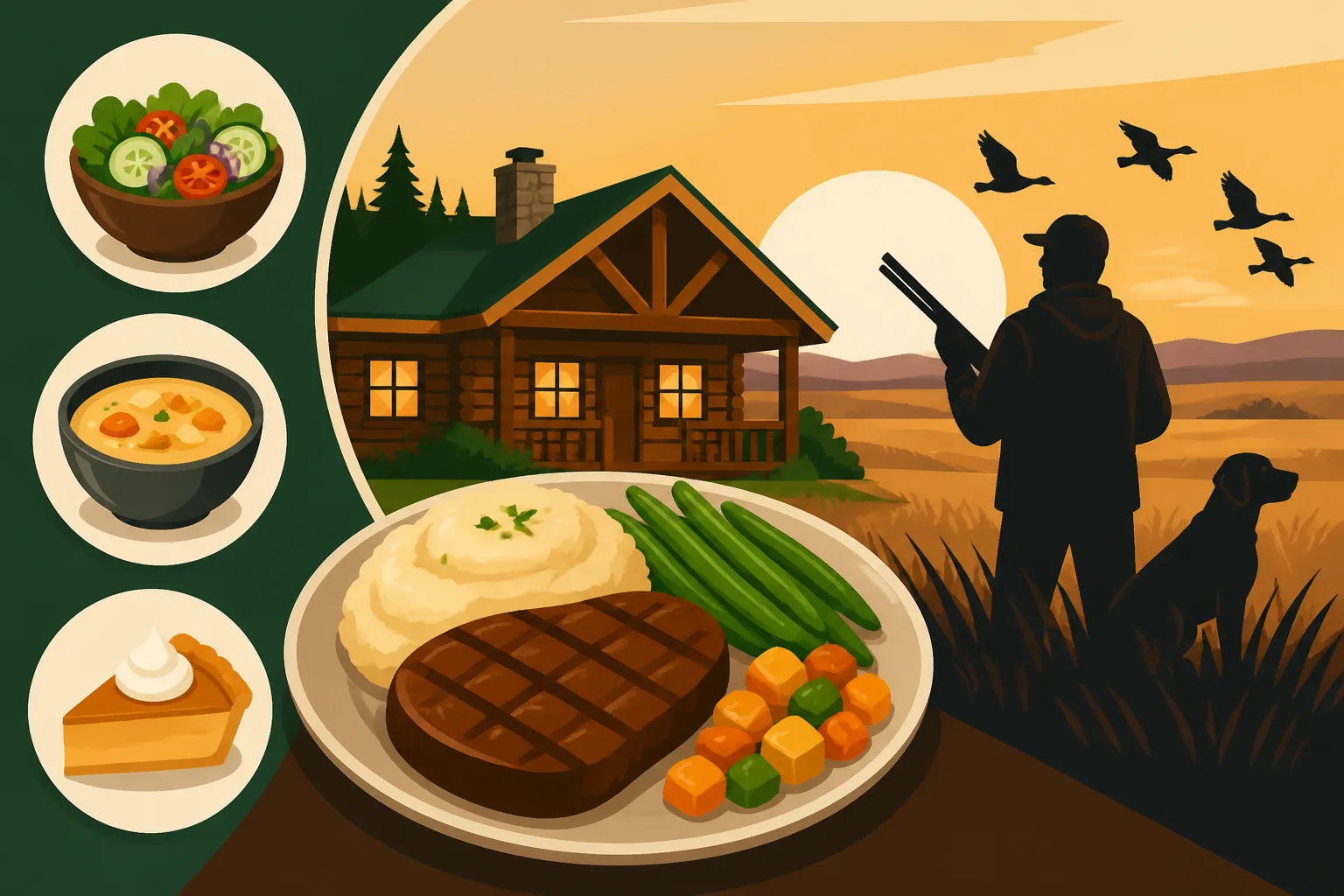
Dinner typically consists of classic, home-style cooking designed to warm you from the inside out and replenish all those spent calories. Picture juicy roasts, steaks, chicken and potatoes, hearty casseroles often called "hot dish" in these parts, pasta dishes, or perhaps a local favorite like a wild game chili if the lodge has a chef with a flair for it. Fresh bread, a salad, and a simple dessert are also common. Portions are almost always generous, recognizing the appetites of hardworking hunters. Many lodges take pride in their dinner offerings, making it a comfortable, social experience. It's truly the heart of the lodge experience, a chance to gather around a table with good company and great food.
Beyond the Basics: Understanding Meal Variations and Upgrades
While the standard fare is usually more than adequate, it’s worth knowing that not all lodge packages are created equal, and some offer different approaches or allow for special requests. It’s important to clarify these details upfront, particularly if you have specific needs or preferences.
Self-Catering vs. Fully Catered Options
Most traditional hunting lodge packages in North Dakota are fully catered, meaning all your primary meals (breakfast, lunch, dinner) are prepared and provided by the lodge staff. This is the convenience most hunters expect and appreciate, allowing them to focus entirely on the hunt and camaraderie. However, some smaller operations, or perhaps "cabin rental" style accommodations that cater to hunters, might offer a self-catering option.
With self-catering, you're essentially renting a facility with a kitchen, and you're responsible for bringing and preparing all your own food. This can be a more budget-friendly option for groups who enjoy cooking and want full control over their menu. It also means more work after a long day in the field. If you’re considering a self-catering setup, make sure the kitchen facilities are adequate for your group's needs and that there’s a grocery store nearby. For some, the idea of having to cook after a full day of Hunting North Dakota's Badlands Mule Deer Country just isn't appealing, while for others, it's part of the fun of a group trip. Most hunters traveling to North Dakota for a dedicated hunt will opt for the ease and comfort of a fully catered package.
Special Dietary Needs and Requests
This is a critical point that many hunters overlook until they're already at the lodge. If you have any allergies (gluten, dairy, nuts, shellfish), dietary restrictions (vegetarian, vegan), or strong preferences, it is absolutely essential to communicate these well in advance of your trip. Do not assume a lodge can accommodate last-minute requests.
Most reputable lodges are more than willing to work with hunters to ensure they have safe and enjoyable meals, but they need time to plan and procure specific ingredients. When you're making your booking, or even browsing potential outfitters on sites like GoHunt, this is one of those Questions to Ask a North Dakota Outfitter that needs to be near the top of your list. Be specific about your needs, and ask what alternative options they typically provide. For instance, if you're gluten-free, will they have gluten-free bread for sandwiches or a dedicated meal option, or will you need to bring some of your own supplemental items? Clear communication makes for a much smoother and more pleasant experience for everyone.
Beverage and Snack Policies
While meals are generally included, beverages and snacks can sometimes be a gray area. Most lodges will provide water, coffee, tea, and perhaps some basic juices with meals. However, beyond that, policies can vary widely.
Alcohol: Unless specifically stated in the package, alcoholic beverages are typically not included. Most lodges are "BYOB" (Bring Your Own Beverage), and they may have a communal fridge or a designated area for you to store your adult refreshments. Always check their policy, especially if you plan to enjoy a beer or two after the hunt.
Soft Drinks: Some lodges might include a selection of sodas with meals, while others might offer them for an additional charge. Again, clarify this if it's important to you.
Snacks: While some lodges might have a fruit bowl or a plate of cookies out in the common area, don't rely on them for all your mid-day or field snacks. Most hunters choose to bring their own favorite energy bars, trail mix, jerky, and other portable snacks to keep them going between meals, especially during long stretches in the field like Hunting North Dakota's Long Archery Season. It's always a good idea to pack more snacks than you think you'll need; hunger can sneak up on you out on the prairie.
Practical Considerations and Questions to Ask
Booking a hunting trip, especially if you're traveling a long distance to a place like North Dakota, involves a lot of planning. The meal aspect of your lodge package shouldn't be an afterthought. Proactive communication and understanding what you're getting will prevent any unwelcome surprises.
Vetting Meal Offerings Before You Book
Before you commit to a lodge, it's incredibly helpful to get a clear picture of their meal service. Don't be shy about asking specific questions, as this is part of ensuring you have a great overall experience.
- Sample Menus: Ask if they can provide a sample menu for the duration of your stay. This gives you a tangible idea of the type of food offered and helps you identify any potential issues with variety or dietary compatibility.
- Meal Times: Confirm the typical meal times. Early mornings for breakfast are standard, but understanding when dinner is served helps with your evening planning and ensures you don't miss out if you're delayed in the field.
- Flexibility: Inquire about their flexibility with meal times, especially for field lunches. Can they pack a lunch for you if you're leaving extra early, or will they hold dinner if your group is running a bit behind after a successful recovery?
- Cook/Chef: Is there a dedicated cook or chef, or is it part of the guide's responsibilities? This can sometimes give you a hint about the quality and consistency of the food.
- Reviews: Look for reviews that specifically mention the food quality. Many platforms, including those where outfitters list their services, allow past clients to comment on various aspects of their stay, including the meals. This is where sites like GoHunt and BookYourHunt can be really valuable for checking what other hunters have experienced regarding the culinary side of things.
A simple table can help compare what to expect:
| Meal Category | Typical Inclusions in a Fully Catered Lodge | Potential Variations/Add-ons |
|---|---|---|
| Breakfast | Eggs, bacon/sausage, toast, pancakes, coffee, juice, cereal | Lighter options (oatmeal, fruit), grab-and-go station |
| Lunch | Packed sandwiches, chips, fruit, granola bar, bottled water | Hot lunch at lodge (burgers, soup), thermos meals |
| Dinner | Roast, steak, chicken, potatoes, vegetables, salad, dessert, water, coffee | Specific regional dishes, wild game options, BYOB |
| Beverages | Water, coffee, tea | Soft drinks (sometimes extra), alcoholic beverages (BYOB) |
| Snacks | Minimal, sometimes a fruit bowl | Hunters typically bring their own energy bars, trail mix |
Tipping Your Lodge Staff and Cooks
Just like your guides, the unsung heroes of your hunting trip are often the lodge staff and cooks who keep you fed and comfortable. Tipping is customary and a great way to show your appreciation for their hard work. When you're thinking about Tipping a North Dakota Hunting Guide, don't forget the support staff!
While there isn't a hard and fast rule, a common practice is to tip the lodge staff (including cooks, housekeepers, and general helpers) separately from your hunting guides. A general guideline might be anywhere from 10-20% of the non-guiding portion of your package cost, or a set amount per person per day for the lodge staff pool. Some groups collect a communal tip for the lodge staff and present it at the end of the trip. Always ask the outfitter beforehand if they have a suggested tipping policy or if tips are already included (though this is rare). A well-fed and well-cared-for hunter is often a happy hunter, and the lodge staff plays a huge role in that.
Supplemental Food and Drink Planning
Even with a fully catered package, smart hunters always plan for supplemental food and drink. The prairie can be a harsh environment, and unexpected delays or extra-long days happen. Having a few extra items in your pack or cooler can be a real trip-saver.
- Field Snacks: As mentioned, pack your favorite energy bars, trail mix, jerky, or even a small bag of nuts and dried fruit. These are critical for quick energy boosts during periods of intense activity or while you're waiting quietly in a blind.
- Hydration: While lodges will provide water, bring your own reusable water bottle or hydration pack. Being able to carry extra water into the field, especially during early season Pheasant Hunting North Dakota's Prairie or Pronghorn Hunting Western North Dakota when temperatures can still be warm, is crucial. Dehydration can quickly sap your energy and focus.
- Specialty Items: If you have very specific preferences that might be hard for a lodge to stock (e.g., a particular type of protein powder, specific herbal tea, or an unusual gluten-free snack), it's best to bring those yourself.
- Post-Hunt Comforts: Sometimes, after getting back to the lodge, you might want a specific beverage or snack before dinner. A cooler with your preferred soda, sports drink, or an adult beverage can be a welcome sight. Just remember to respect the lodge's storage and consumption policies. Planning for these small extras allows you to stay comfortable and well-fueled throughout your hunt, regardless of what the day throws at you, and ensures you're ready for Hunting a North Dakota Prairie Pothole Slough Edge or another early morning start.
Disclaimer
This article is for general informational purposes only and does not constitute professional advice. Laws, prices and regulations vary by location and change over time. Consult a qualified professional for guidance on your specific situation.