Hunting a North Dakota Prairie Pothole Slough Edge
Oh, the prairie pothole slough edge. If you've spent any time chasing game across North Dakota, you know that finding that perfect convergence of food, water, and cover can feel like searching for a needle in a haystack. But when you do stumble upon a thriving slough edge, it’s like hitting the jackpot, a magnet for everything from mallards to whitetails. This guide is all about peeling back the layers on these often-overlooked hotspots, helping you understand their unique appeal and how to effectively hunt them for a truly rewarding North Dakota experience.
Understanding Prairie Potholes and Slough Edges
North Dakota's landscape is famously dotted with millions of small depressions, often filled with water, known as prairie potholes. These aren't just puddles; they are vital wetlands, forming the backbone of what's often called the "duck factory" of North America. But for hunters, it's not just the open water that matters—it's the dynamic, often dense, vegetation bordering these water bodies, which we affectionately call the "slough edge," that truly holds the secret to success.
What Exactly is a Prairie Pothole?
A prairie pothole is a naturally occurring depression, often formed by ancient glaciers, that collects and holds water. These vary wildly in size, from small, temporary wetlands that might only hold water after spring runoff or a heavy rain, to expansive, permanent sloughs that retain water year-round. They are absolutely critical to the ecosystem, providing breeding grounds for countless waterfowl, as well as habitat for amphibians, insects, and mammals. Think of them as the lifeblood of the prairie, creating diverse microclimates within the broader grassland or agricultural landscape. The sheer number of these features contributes to what makes North Dakota's Prairie Pothole Region Explained such an incredible place to hunt.
What makes them unique isn't just the water, though. It's the complex interplay of water levels, soil types, and surrounding land use. A shallow pothole in a cultivated field might draw migrating geese for a quick stop, while a deeper, cattail-choked slough adjacent to thick CRP grass becomes a sanctuary for deer and resident ducks. They are constantly changing, influenced by rainfall, snowmelt, and even agricultural practices. Understanding this dynamic nature is the first step to truly unlocking their hunting potential.
The Allure of the Slough Edge Habitat
Now, let's talk about that "edge." The slough edge refers to the transition zone between the open water of the pothole and the drier upland habitat surrounding it. This often means a dense band of emergent vegetation like cattails, bulrushes, sedges, and smartweed, blending into taller grasses, brush, or even small trees. This specific habitat configuration is incredibly appealing to wildlife for a multitude of reasons.
For one, it offers unparalleled cover. A thick stand of cattails provides excellent thermal cover during biting prairie winds and blizzards, hiding deer and pheasants from predators and the elements. It’s also phenomenal escape cover, a place for an animal to vanish quickly when spooked. Secondly, it offers food. Many aquatic plants provide seeds and tubers, while the denser vegetation hosts insects, small mammals, and nesting sites. Finally, it provides water, a constant draw in many parts of the state. For a pheasant, it might be a place to find grit and water. For a deer, it’s a secure travel corridor between bedding and feeding areas. For a duck, it’s literally home.
The edge itself concentrates activity. Deer often walk the fringes, using the dense cover for concealment while checking wind currents. Upland birds flush from the transition zone, often surprising hunters who only expected ducks. It's this concentrated biodiversity that makes these edges such dynamic hunting grounds.
Seasonal Dynamics of Slough Edges
The effectiveness and character of hunting a slough edge change dramatically throughout the hunting season, mirroring the cycles of nature on the North Dakota prairie. What works in September might be completely ineffective by December.
In the early archery and waterfowl seasons, typically late August and September, slough edges are often lush and green. Water levels might be higher from summer rains, and the vegetation provides ample cover. This is a prime time for ducks and geese utilizing the potholes, but also for deer that are still in their summer patterns, bedding close to water and food. Temperatures are milder, so hunters can spend more time scouting and setting up. However, the dense cover can make retrieving game challenging and visibility limited. This is when understanding specific behaviors, like those discussed in Decoy Spreads for Prairie Pothole Mallards, becomes critical.
As fall progresses into October and November, things shift. Waterfowl migrations are in full swing, bringing in new birds, but colder temperatures might start to freeze over shallower potholes. The vegetation begins to dry and flatten, especially after the first hard frosts, offering different kinds of cover. This is a fantastic time for upland birds like pheasants, which will seek refuge in the remaining thick cover of the slough edges as other agricultural fields are harvested. Deer, too, become more focused on secure bedding and food sources as the rut approaches, often favoring these sheltered areas. Late season, particularly in December and beyond, introduces snow and extreme cold. Many potholes will be completely frozen, pushing remaining waterfowl to larger, open water bodies. However, the slough edges, especially those with tall, resilient cattails, become absolutely critical thermal cover for deer and pheasants. They offer protection from brutal winds and deep snow, often becoming the last bastions of secure habitat. Hunting these areas after a hard prairie winter can be incredibly productive, as game is concentrated and vulnerable.
Key Species Found on Slough Edges
The beauty of hunting a prairie pothole slough edge in North Dakota lies in its versatility. These ecological hotspots are not single-species havens; they often hold a diverse array of game, sometimes all within a few hundred yards of each other. This multi-species potential is what truly sets them apart as prime hunting locations.
Waterfowl Hotspots
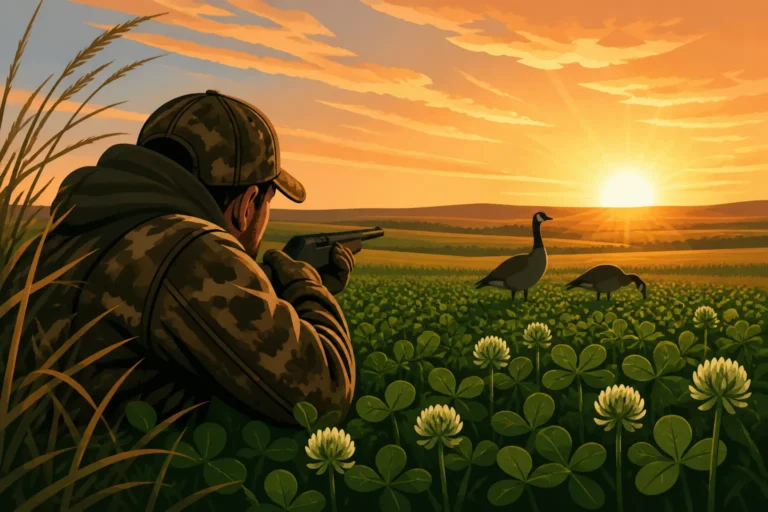
It almost goes without saying, but prairie potholes are synonymous with waterfowl. Ducks, geese, and various other migratory birds rely heavily on these wetlands for breeding, staging, and feeding during migration. The slough edge itself provides crucial elements for these birds. The dense emergent vegetation offers hiding spots for dabbling ducks like mallards, pintails, and wigeon, which prefer to feed in shallower water. Geese, particularly Canada geese, will often loaf or roost on the open water or a nearby sandbar, but the edges can provide a quick escape or a protected travel route to nearby feeding fields.
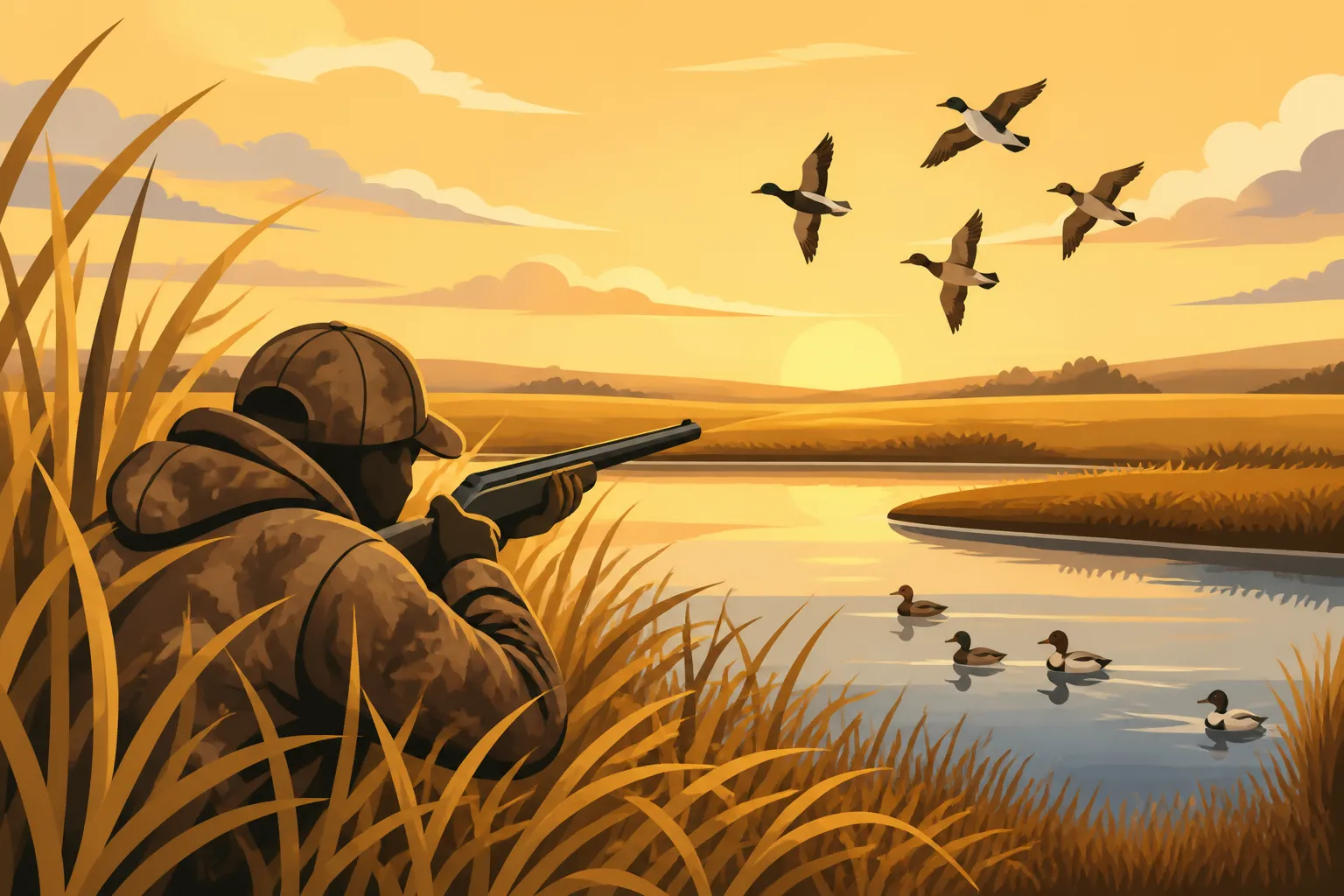
Hunting waterfowl on a slough edge means thinking about concealment and decoy placement. Ducks love to land into the wind, so understanding the prevailing air currents is vital. Setting up blinds in the cattails allows you to break up your silhouette effectively. Smaller potholes might only need a few decoys, while larger ones might warrant a more substantial spread. It’s not uncommon to hear the familiar quack of a mallard or the distinct honk of a Canada goose as you approach a slough, reminding you just how active these areas are. For more on strategies, look into Mallards and Geese on the Prairie Potholes.
Upland Bird Cover
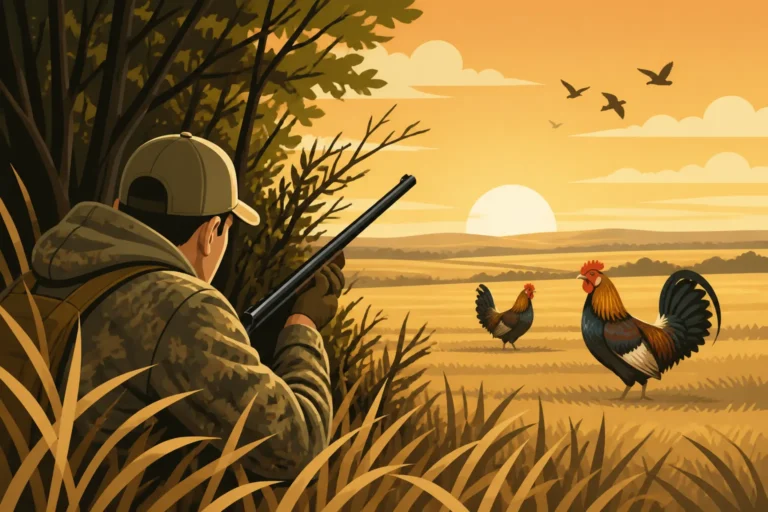
Beyond waterfowl, slough edges are phenomenal habitat for upland birds, particularly ring-necked pheasants, sharptail grouse, and Hungarian partridge. As agricultural fields are harvested and other cover disappears, the dense, protective buffer of a slough edge becomes an increasingly important refuge. Pheasants, in particular, adore the thick cattails and brushy edges, using them for roosting, loafing, and escape cover. When a hunter or dog enters an open field, pheasants will often run for the nearest dense slough edge to hold tight or flush over the cover.
Hunting these areas for upland birds requires a different approach than waterfowl. Walk slowly, utilize good dog work if you have a retriever or pointer, and be prepared for quick flushes. Often, hunters will "block" one end of a slough edge with a stationary hunter while others walk through, pushing birds out. The sheer density of cover can make shooting challenging, but it also means birds are often holding tight, offering thrilling flushes at close range. Think of the slough edge as a natural fortress for these birds. If you've ever tried Working a Shelterbelt for Roosters, you know how effective dense cover can be.
Deer Movement Along Water Features
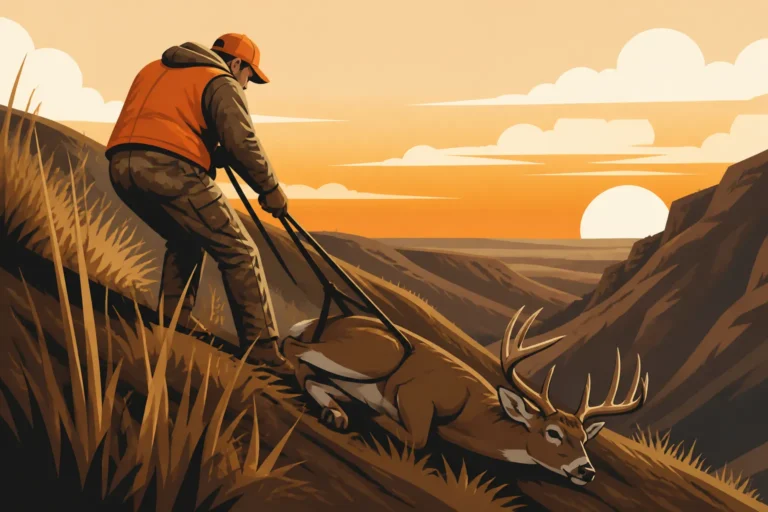
Don't underestimate the appeal of a slough edge for deer, especially whitetails, but even mule deer in certain areas. These edges offer a triple threat: water, dense cover for bedding, and natural travel corridors. Deer will often utilize the fringes of a slough, particularly where the cattails meet a brush line or taller grass, as secure travel routes between feeding areas and more secluded bedding. During the heat of the early season, they might bed right in the cool, damp cover, and during the frigid late season, the thermal protection of dense cattails is invaluable.
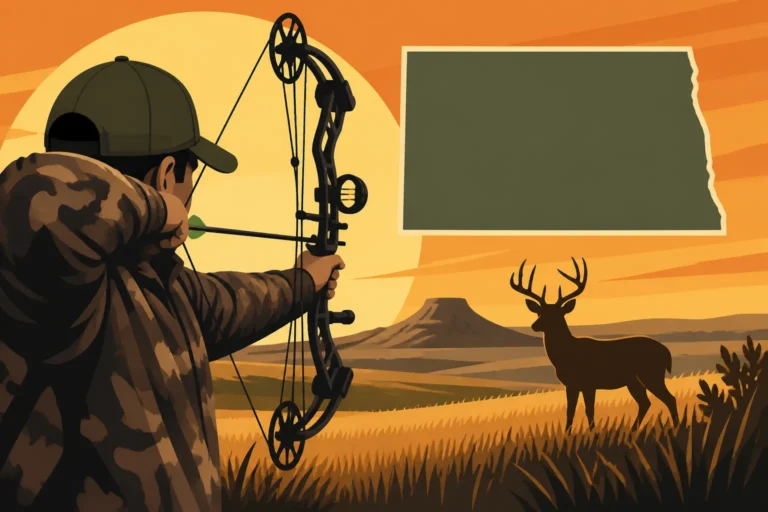
Hunting deer on a slough edge often involves scouting for trails and rubs, and then setting up an ambush point. This could be a ground blind brushed into the edge, or a treestand positioned to overlook a natural pinch point where deer are funneled along the water's edge. Knowing wind direction is paramount, as deer often travel with the wind in their face or crossing, allowing them to scent potential dangers. It's a challenging but highly rewarding way to hunt, as deer in these areas often feel very secure, making a surprise encounter all the more exciting. In many ways, Hunting a Shelterbelt Edge for Deer offers similar strategic considerations to a slough edge.
The Hidden Dep Potential: How to Hunt North Dakota's Prairie Pothole Slough Edges
Imagine this: the crisp North Dakota air, the distant honk of geese, and the rustle of cattails along a frozen slough. You're not just looking for ducks, though they're certainly a possibility. You’re scanning for a flash of white tail disappearing into the thick cover or the explosive flush of a rooster pheasant. This isn't just a dream; it's the reality of hunting North Dakota's prairie pothole slough edges. These unique ecosystems are often overlooked by hunters who focus on open water for waterfowl or large fields for upland birds, but savvy outdoorsmen know that the edges of these potholes are vibrant hubs of activity for a diverse array of game.
What many hunters don't realize is that these slough edges aren't just transition zones; they are vital arteries of habitat, particularly as the season progresses and other cover diminishes. Animals of all kinds use them for shelter, food, and safe travel. If you've felt frustrated trying to locate game in vast, featureless landscapes, you're not alone. The secret often lies in finding these concentrated pockets of life. This guide will help you understand the magic of slough edges and equip you with the knowledge to make them your next successful hunting ground in North Dakota.
Why Slough Edges are Wildlife Magnets
North Dakota's landscape, shaped by ancient glaciers, is famously pockmarked with millions of prairie potholes – natural depressions that collect water. While the open water is a lifeline for waterfowl, it's the rich, dynamic "slough edge" habitat that makes these areas such incredibly diverse and productive hunting grounds. This edge, where water meets upland, creates a unique micro-ecosystem that attracts and holds a variety of game species throughout the year.
The Unique Mix of Cover, Water, and Food
Think about what any wild animal needs: food, water, and cover. A prairie pothole slough edge provides all three in abundance, often within a very small footprint. The water is an obvious draw, whether it's for drinking, bathing, or for the aquatic vegetation it supports. But the real magic happens in the transition. The edges are typically characterized by dense emergent vegetation like cattails, bulrushes, sedges, and various wetland grasses that thrive in damp soil. Beyond that, you'll often find taller upland grasses, brush, and sometimes even small trees or shelterbelts, creating a layered effect.
This layered vegetation provides exceptional thermal cover against North Dakota's notoriously harsh winds and cold, offering crucial protection in late season. It also acts as incredible visual cover, allowing animals to move unseen and providing prime bedding areas. For example, a whitetail deer can bed down in a thick stand of cattails, completely out of sight, yet still be within easy reach of a water source and a secure travel corridor. The food sources are equally diverse: seeds and tubers from wetland plants, insects and small invertebrates, and the browse available in the adjacent brush or field edges. This concentration of essential resources is why a slough edge consistently outperforms many other habitat types, especially when conditions elsewhere become less favorable.
Natural Travel Corridors for Game
Beyond simply providing static shelter, slough edges also serve as vital highways for game movement. Animals inherently seek the path of least resistance and greatest security. A dense slough edge offers exactly that. For deer, these edges are often preferred travel routes connecting bedding areas to feeding grounds. A buck might use the thick cover to parallel an open field, checking for danger before stepping out into the stubble. The scent-holding nature of dense vegetation also helps them move covertly.
Similarly, pheasants and other upland birds will run along the edges of these sloughs when pressured, preferring to stay hidden in the thick stuff rather than flushing prematurely. Even waterfowl, when not actively feeding, might use the edges to move from one part of the pothole to another, or to access nearby uplands. Understanding these natural travel corridors is paramount. By identifying pinch points, crossings, or areas where denser cover meets more open terrain, you can anticipate animal movement and position yourself for a successful encounter. This makes them ideal spots for setting up a ground blind or even a treestand overlooking a well-used trail, similar to strategies used when Hunting a Shelterbelt Edge for Deer.
Essential Gear and Scouting for Slough Edges
Successful hunting on North Dakota’s prairie pothole slough edges requires more than just showing up with your gun or bow. It demands specific gear, meticulous preparation, and diligent scouting. The unique environment of these wetlands—dense cover, variable water levels, and diverse game—means a one-size-fits-all approach just won't cut it.
Appropriate Clothing and Footwear
This might seem obvious, but proper clothing and footwear are absolutely non-negotiable when hunting slough edges. You’re dealing with water, mud, dense vegetation, and potentially extreme temperatures. Waterproof and durable are the keywords here. For footwear, knee-high or even chest waders are often essential, especially for retrieving waterfowl or navigating muck. Even if you don’t plan on wading deep, reliable waterproof boots are a must. There's nothing worse than cold, wet feet in a North Dakota duck blind.
Layering is crucial for clothing. Start with a moisture-wicking base layer, add insulating layers, and top it off with a waterproof and windproof outer shell. Camouflage patterns that blend with cattails, reeds, and drab prairie vegetation are ideal. Blaze orange is required during many gun seasons, so incorporate it strategically. Don't forget durable gloves that can handle thorny brush and cold, and a warm hat that covers your ears. Being comfortable allows you to stay in the field longer and remain focused, which is half the battle.
Decoys, Blinds, and Calling Strategies
For waterfowl, a well-thought-out decoy spread is key. You don't always need hundreds of decoys in a smaller prairie pothole. A spread of a dozen to two dozen quality mallard or goose decoys can be incredibly effective. Pay attention to realism and natural groupings. Consider adding motion decoys to grab attention, especially on calm days. Positioning decoys so that incoming birds have a clear landing zone, often into the wind, is critical. For instance, creating a "hole" in your spread near your blind can funnel birds right where you want them. More specific advice on Decoy Spreads for Prairie Pothole Mallards can really fine-tune your approach.
Blinds are equally important. Whether it's a layout blind carefully brushed into the edge, a portable panel blind, or simply hunkering down in a thick clump of cattails, concealment is paramount. Ensure your blind blends seamlessly with the natural surroundings. For calling, learn the basic calls for the species you're targeting. A simple greeting call or a short chuckle can often be more effective than aggressive, continuous calling, especially for ducks already committed to your spread. For pheasants, a good dog and a firm whistle often replace calling. For deer, rattling and grunt calls might work during the rut, but quiet patience and scent control are always your best friends.
Navigation and Scouting Tools
In a landscape that can sometimes feel monotonous, distinguishing one slough from another, or finding that specific pinch point, comes down to effective navigation and scouting. Modern tools are invaluable here. A reliable GPS unit or a smartphone app like GoHunt are absolute game-changers. GoHunt allows you to overlay public and private land boundaries, mark waypoints for promising spots, track your movements, and even check weather conditions. This is particularly important when Scouting PLOTS Land With the ND Hunt App, as boundaries can be less obvious on the ground.
Before you ever step foot in the field, use aerial imagery to identify potential access points, dense cover, water sources, and travel corridors. Look for sloughs adjacent to grain fields, shelterbelts, or patches of undisturbed CRP grass. Once on the ground, look for physical signs: deer tracks, pheasant roosting circles, duck feathers, rubs, and scrapes. Pay attention to wind direction and how it might influence animal movement. A little pre-season legwork with these tools can drastically increase your odds of success. Understanding the terrain and how game uses it is critical to being in the right place at the right time.
Effective Hunting Tactics for Slough Edges
Hunting the diverse environment of a North Dakota prairie pothole slough edge means adapting your tactics throughout the season and for the species you’re pursuing. The dense cover and unique water features call for strategies that maximize your concealment and capitalize on game movement patterns.
Early Season Stalking and Decoying
The early season, typically late August through September for archery and early waterfowl, presents a unique set of challenges and opportunities. Vegetation is often at its densest and greenest, providing ample cover for game but also limiting visibility for hunters. Water levels might be higher, making wading more challenging.
For deer during early archery season, slow, deliberate stalking along the slough edge can be effective, especially during low-light hours. Look for trails leading into or out of the thick cover, or signs of deer feeding on emergent vegetation. Wind direction is paramount; always try to keep the wind in your favor. Often, setting up a ground blind or even a well-placed treestand overlooking a pinch point or a water access point before the season starts is your best bet. Remember that North Dakota's Archery Season Opening Day is often quite warm, so deer might be more active around water sources.
For waterfowl, this is prime time for decoying. Early migrating ducks are often less wary, and a well-placed spread in a small slough can bring them right in. Focus on natural-looking spreads, keeping your blind well-hidden in the dense cattails. Early season often means calm mornings, so consider using motion decoys to add life to your setup. Be prepared for varied bird numbers, as many local birds may still be present before the big pushes from the north arrive.
Mid-Season Drives and Push Hunting
As the season progresses into October and November, particularly after the first hard frosts and as crops come off the fields, mid-season tactics become more viable and often necessary. The dense cover of the slough edge becomes even more valuable to game as surrounding habitat disappears. This is an excellent time for group hunting strategies, especially for pheasants and deer.
For pheasants, a classic "drive" or "push" can be incredibly effective. Station blockers at one end of a slough edge, ideally downwind, while a line of walkers pushes through the dense cover. Pheasants will often run rather than fly, hugging the thick stuff, eventually flushing when they hit the end or encounter a blocker. Communication is key to safety and success. Be prepared for explosive flushes at close range. These edges are also great for solo hunters with a good flushing dog, who can work the cover methodically.
For deer, a similar concept can work, especially if you have a small group. Strategically place standers at known escape routes or pinch points along the slough edge, while one or two hunters quietly still-hunt or push through the densest cover. Deer will often try to slip out the sides rather than busting through the middle. This requires careful planning and knowledge of how deer typically use a particular slough. During the rut, bucks might be cruising these edges, making any movement a potential encounter. Just be mindful of North Dakota's Gun Season Opening Day and the specific regulations for the area.
Late Season Ambush Points
When North Dakota winter truly sets in during December and January, prairie pothole slough edges become critical survival zones for remaining game. Extreme cold, deep snow, and bitter winds force deer and pheasants to seek out the best available thermal cover, and dense cattail sloughs provide just that. At this point, many smaller potholes may be completely frozen, shifting waterfowl strategies to larger bodies of water or specific late-season fields, but the land animals are still very present.
Late season hunting on slough edges often revolves around setting up ambush points. For deer, look for areas where trails enter or exit the densest cover, or where deer might be funneled by terrain features. Deer will often spend the coldest parts of the day bedded deep in the cattails, only emerging to feed during brief windows of warmth or low light. Positioning a ground blind, perhaps a portable hub blind, effectively on the downwind side of a well-used trail can be highly productive. Focus on hunting during the warmest parts of the day or right at dawn and dusk. Remember the importance of effective concealment; a good blind, well-brushed in, will make all the difference, as discussed in Using a Ground Blind on PLOTS Land.
For pheasants, late season means they are concentrated and incredibly tough. They will hold tight in the thickest cattails, often only flushing at your feet or when a dog is practically on them. This is an excellent time for methodical walks, especially after a fresh snowfall, which can help reveal recent activity. Again, group hunts with blockers can be very effective, pushing birds out of the impenetrable cover. The sheer density of cover means you need to be ready for quick, close shots and diligent about game recovery in the snow.
Navigating Public Versus Private Access
Hunting North Dakota's prairie pothole slough edges offers fantastic opportunities, but understanding and navigating land access is absolutely crucial. North Dakota has a unique mix of public access programs and a strong tradition of private land ownership, and knowing the rules is vital to a successful and ethical hunt.
Finding Public PLOTS and WPA Sloughs
North Dakota is fortunate to have some excellent public land and public access programs. The PLOTS (Private Land Open To Sportsmen) program is perhaps the most famous, where the North Dakota Game and Fish Department leases private land for public hunting and fishing access. Many PLOTS tracts include prairie potholes and their valuable slough edges. These areas are marked with distinctive yellow triangular signs, clearly delineating boundaries. Using the ND Hunt App or the annual PLOTS guide booklet is essential for identifying these tracts, understanding specific access rules, and knowing which species are commonly found there. When using the app, make sure to download maps for offline use, as cell service can be spotty in remote areas.
Beyond PLOTS, North Dakota also has numerous Waterfowl Production Areas (WPAs), which are federal lands managed by the U.S. Fish and Wildlife Service, open to public hunting. As their name suggests, WPAs are designed specifically for waterfowl breeding and habitat, meaning they are often rich with prairie potholes and their associated slough edges. These areas can be absolute waterfowl magnets, but don't overlook their potential for upland birds and deer, particularly along their fringes. They are often less pressured for deer and upland hunting compared to their waterfowl potential, offering a unique opportunity. It's important to research specific WPA regulations before hunting, as some may have unique rules regarding vehicle access or non-toxic shot requirements.
Gaining Private Land Access
While public lands offer great opportunities, a significant portion of North Dakota's prime hunting ground is privately owned. Gaining permission to hunt private land, especially for a productive slough edge, can unlock some of the best hunting experiences the state has to offer. The key here is respect, courtesy, and timing.
Start by Asking a North Dakota Farmer for Permission well in advance of the hunting season. The off-season (spring and summer) is often the best time, as farmers are less busy and not bombarded by last-minute requests. When you approach a landowner, be polite, clearly state your intentions, and be prepared to show your license. Offer to help with chores, pick up trash, or simply send a thank-you note after your hunt. Many landowners appreciate a hunter who respects their property, livestock, and fences. Highlight that you're interested in a specific feature, like a slough edge, and explain how you plan to hunt it responsibly. Some landowners may be hesitant about certain hunting methods, so be flexible and willing to accommodate their concerns. Building a good relationship can lead to long-term access and invaluable hunting opportunities.
Remember, North Dakota law requires hunters to obtain permission to hunt on private land. This can be verbal for residents, but non-residents must have written permission if the land is not posted with "No Hunting" signs. If land is posted, written permission is always required for everyone. Always err on the side of caution and secure permission before stepping onto private property.
Understanding Nonresident Restrictions
North Dakota has specific regulations for nonresident hunters, especially concerning deer and waterfowl. For deer, nonresidents generally have a separate lottery system, and tags can be harder to draw. Additionally, nonresidents face a restriction on hunting on PLOTS land for the first 9.5 days of the pheasant and other regular gun hunting seasons. This restriction is significant and means you must have secured private land access or hunt on other forms of public land (like WPAs or National Grasslands) during this initial period. This is often referred to in discussions about How Many Days Nonresidents Wait for Public Land Bow Access, even though it applies more broadly to general gun seasons.
For waterfowl, nonresidents have a zone-restricted license option, which limits hunting to specific zones for part of the season, and there are also specific days reserved exclusively for residents. It's absolutely crucial to consult the North Dakota Game and Fish Department's current hunting proclamations for the most up-to-date information on all nonresident restrictions, season dates, and license requirements. Planning your hunt around these rules, especially for slough edges that hold multiple species, will ensure a legal and enjoyable experience.
Post-Hunt Considerations and Ethics
The thrill of the hunt doesn't end when you pull the trigger or release an arrow. A responsible and ethical hunter understands that the actions taken after the shot are just as important as those taken before. This is especially true when hunting North Dakota’s often challenging prairie pothole slough edges.
Game Recovery Challenges
Slough edges, with their dense vegetation and often wet or muddy terrain, can present significant challenges when it comes to game recovery. A pheasant that drops into a thick cattail stand can be incredibly difficult to find, even with a dog. A deer that takes off into the thicket can quickly disappear from sight, leaving a tricky blood trail to follow.
Always be prepared for a challenging recovery. If hunting birds, a well-trained retriever is almost indispensable. Mark the spot where the bird fell as precisely as possible. If hunting deer, always give the animal enough time before tracking, especially if it was not a definitive hit. Use a flashlight or headlamp for tracking after dark if necessary, and use bright flagging tape to mark the blood trail as you go. Remember to move slowly and methodically. If the trail runs into water, you might need waders to follow it safely. Don't be afraid to call for help from friends or even utilize tracking dogs (where legal and available) for difficult recoveries. Losing an animal is a terrible feeling and an ethical failure; do everything in your power to prevent it.
Respecting the Land and Other Hunters
The hunting experience in North Dakota is shared, and maintaining a positive reputation for all hunters requires consistent ethical behavior. When hunting slough edges, leave no trace. This means packing out all your trash, including spent shell casings, decoy strings, and any food wrappers. Respect fence lines and gates on private land, always closing them behind you. Drive responsibly on minimum maintenance roads, especially if conditions are wet.
Be mindful of other hunters. If you arrive at a public slough and see another hunter already set up, find another spot. Communication is key if you're working a larger area. Remember that sound travels far on the prairie, so be aware of your noise level. On private land, always thank the landowner for the privilege of hunting their property, perhaps offering a small gift or helping hand. Good stewardship ensures these valuable hunting opportunities continue for future generations.
Caring for Your Harvest
Once you've recovered your game, proper care of your harvest is paramount. North Dakota's diverse weather conditions, from warm early season days to frigid late-season snaps, dictate how quickly you need to act. For waterfowl and upland birds, field dress them quickly, especially in warmer temperatures, to prevent spoilage. Cool the birds as rapidly as possible. Familiarize yourself with North Dakota Duck and Goose Bag Limits and ensure you're in compliance.
For deer, immediate field dressing is crucial to cool the carcass and preserve the meat. In warmer conditions, getting the deer to a processor or a cooler quickly is essential. In late season cold, you have more time, but still want to protect the meat from freezing solid before processing. Consider bringing plastic bags for heart and liver. If you're a nonresident, plan for how you'll transport your harvest home, whether it's through a commercial processor or by preparing it yourself. Proper care ensures that the hard-earned meat makes it to your table in excellent condition, honoring the animal and providing sustenance.
Disclaimer
Please note: Hunting regulations and seasons can change. Always consult the most current North Dakota Game and Fish Department proclamations and regulations before planning any hunting trip. This guide is for informational purposes only and does not supersede official state regulations.