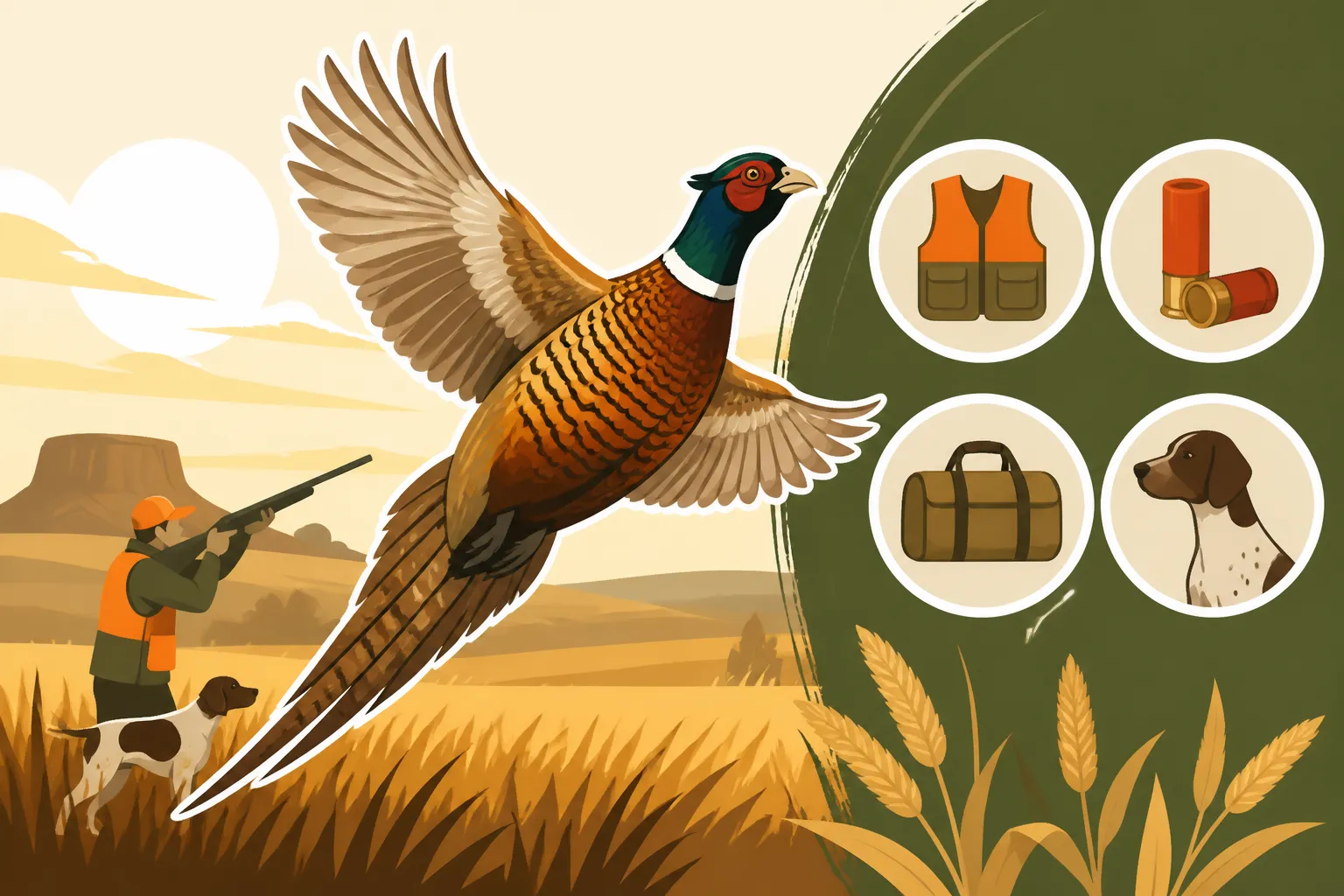
What’s Included in a Pheasant Package
Planning a pheasant hunting trip to North Dakota can feel like navigating a maze, especially when you start looking at all the different "packages" out there. It's easy to get overwhelmed trying to figure out what's genuinely included in the price, what's an optional add-on, and what you're expected to cover entirely on your own. This guide is here to unravel the mystery of North Dakota pheasant hunting packages, helping you understand the common inclusions and exclusions so you can book your adventure with confidence and no unwelcome surprises.
The Basics of North Dakota Pheasant Packages
When you start researching pheasant hunts in North Dakota, you'll quickly discover a wide range of "packages" advertised. From a single day to multi-day excursions, some seem to cover everything while others feel like a barebones offering. The key is to understand that the term "package" is pretty flexible, and what one outfitter considers all-inclusive, another might call a basic service. It's truly a buyer-beware situation, not in a negative sense, but in the need for diligent inquiry. Many hunters, especially those traveling from out of state, find themselves picturing one thing only to realize that certain essentials weren't covered, leading to unexpected costs down the line.
Understanding the 'All-Inclusive' Myth
The phrase "all-inclusive" sounds wonderfully reassuring, doesn't it? It conjures images of showing up with your gun and clothes, and everything else being taken care of. However, in the world of guided pheasant hunts, "all-inclusive" rarely means everything. It typically refers to the core hunting experience: the guide, the dogs, the field access, and often meals and lodging. What it almost never includes are your hunting licenses, federal stamps, ammunition, alcoholic beverages, personal gear, and critically, gratuities for your hard-working guides and lodge staff. Many an excited hunter has arrived, thinking they're set, only to face a quick trip to a local sporting goods store for shells or an online scramble for a HIP certification they forgot.
You'll find that outfitters use this term differently, so it's paramount to ask for a detailed breakdown of what is, and isn't, covered. Some might throw in bird processing, others might charge extra. Some might include airport transfers, others expect you to arrange your own. It's not about deception; it's simply about varied business models and what they choose to bundle. A good outfitter will be transparent about these details from the get-go, often listing them clearly on their website or in their booking agreement. Platforms like BookYourHunt often provide detailed lists of inclusions and exclusions directly on the outfitter's profile, which can be a huge time-saver when comparing options.
Common Package Components You Can Expect
Despite the variability, there are several components that you can generally expect to find bundled into most North Dakota pheasant hunting packages. These are the foundational elements that make up the core of your guided experience. Typically, you'll be paying for the expertise of a seasoned guide who knows the land, the birds, and how to work dogs effectively. This guide will often provide the hunting dogs, which is a huge benefit for those who don't have their own well-trained flushers or pointers, or don't want the hassle of traveling with them.
Access to prime hunting ground is another major draw of a package. This usually means access to private land where bird populations are often higher and hunting pressure is managed. Many outfits have exclusive leases on thousands of acres, giving you a distinct advantage over public land hunting. Hunting North Dakota's Prairie Pothole Region is a fantastic area, and an outfitter with exclusive access here can be worth its weight in gold. Beyond the hunt itself, most multi-day packages will include comfortable lodging, often at a dedicated hunting lodge or a nearby hotel, and hearty meals to fuel your days in the field. Think warm breakfasts before dawn and delicious dinners after a successful day, providing a social element to the hunt that many cherish.
License and Permit Logistics
Navigating the licensing requirements for hunting in North Dakota can be a bit of a maze, especially for non-residents. It's not just about buying a piece of paper; there are specific certifications and stamps required, all before you even step foot in the field. When booking a package, understanding who is responsible for what license-wise is critical to avoiding last-minute stress or, worse, an illegal hunt.
Who Handles What: Guide vs. Hunter Responsibilities
Let's be crystal clear: obtaining your hunting licenses, permits, and stamps is almost universally your responsibility as the hunter. Outfitters simply cannot purchase these on your behalf. They can, and often do, provide invaluable guidance on which licenses you need, where to buy them, and application deadlines. For instance, they'll advise you on the specifics of the North Dakota nonresident small game license, which is a must-have for pheasant hunting. They'll also remind you about the federal duck stamp and the Harvest Information Program (HIP) certification, even though you might not be primarily targeting waterfowl. The best outfitters will send you detailed pre-trip information with links and instructions to streamline the process, as failing to secure these necessary documents means you simply can't hunt.
This separation of duties is important for legal reasons. Each hunter is accountable for their own compliance with state and federal regulations. While a guide can make recommendations, the onus is on you to ensure everything is in order. Don't assume anything is handled for you regarding official documentation; always verify what you need and secure it well in advance of your trip. Waiting until you arrive in North Dakota might mean scrambling for an online purchase with unreliable cell service or finding a vendor open at odd hours.
Mandatory Add-Ons Beyond the Package Price
Beyond your base hunting license, there are several mandatory "add-ons" that you'll need to account for, and these are almost always separate from your package price. For pheasant hunting, you'll need the aforementioned North Dakota nonresident small game license. If you plan to hunt any migratory birds while you're there (even if just by accident, or if the outfitter includes some duck/goose opportunities), you'll also need a federal duck stamp and the Harvest Information Program (HIP) certification. The HIP certification is free but mandatory for all migratory bird hunters and declares what you intend to hunt. North Dakota Federal Duck Stamp Requirement and North Dakota HIP Certification for Bird Hunters are critical topics to research.
Another significant add-on, though not a license, is ammunition. Your package almost certainly won't include shotgun shells. While some lodges might have a small supply for sale, it’s best to bring your own or purchase them at a sporting goods store on your way in. Pricing can vary wildly, and you don't want to be caught short. Blaze orange clothing is also a non-negotiable for safety and legal compliance in North Dakota. While some lodges might have loaners, it's best to bring your own blaze orange hat and vest or jacket. How Much Blaze Orange North Dakota Requires is a good read to ensure you meet the minimum visibility standards.
Field Experience: What to Expect While Hunting
The actual hunting experience is, of course, the heart of any pheasant package. But even here, there are nuances in what you can expect in terms of guidance and how the hunt is conducted. Understanding these differences will help you align your expectations with the type of experience being offered.
Guided vs. Semi-Guided Field Time
The level of guidance can vary significantly. A fully guided hunt means you'll have a dedicated guide with you and the dogs throughout your time in the field. This guide will typically scout the best cover, direct the dogs, and offer advice on shooting lanes and bird behavior. They are there to maximize your chances of success and ensure a safe, enjoyable experience. This is often the most comprehensive option and is ideal for new hunters, those unfamiliar with North Dakota's unique terrain, or anyone who simply wants to relax and let an expert lead the way. It's like having a seasoned local friend who knows all the best spots and how to work them.
A semi-guided hunt, on the other hand, might involve the outfitter providing access to land and general advice, perhaps dropping you off at a promising field, but leaving you to hunt independently with your own group and dogs. They might check in periodically or retrieve birds for you, but they aren't actively hunting with you all day. Some semi-guided options might include a morning session with a guide and dogs, then turn you loose for the afternoon. This option appeals to more experienced hunters who prefer a bit more autonomy but still want the benefit of prime land access and local knowledge. It's often a more budget-friendly choice as well. Always clarify the exact level of guiding involved to avoid surprises.
Dog Handling and Equipment Provided
One of the greatest assets of a good pheasant outfitter is their dog string. Well-trained bird dogs are paramount to a successful pheasant hunt, especially in North Dakota's dense cover. Most packages include the use of the outfitter's dogs, which are typically seasoned pointers or flushers that are experts at locating and retrieving ringnecks. The guide will handle the dogs, directing them through fields, reading their body language, and managing them to ensure birds are flushed effectively and retrieved quickly. This frees you up to focus on the shooting. Running Pointing Dogs on North Dakota Pheasant explains the art of working with these canine athletes.
As for other equipment, the outfitter will generally provide dog handling equipment (e.g., electronic callers if permitted, leashes), and possibly field transportation like UTVs or trucks to move between hunting blocks. However, don't expect them to provide your shotgun, shooting vest, or specialized hunting apparel. You'll need to bring your own firearm, hearing protection, safety glasses, and appropriate clothing for North Dakota's unpredictable weather. While some might have extra dog vests or training collars, these are typically for their own animals. Always check with your chosen outfitter to confirm what specific equipment they provide versus what you're expected to bring.
Accommodation and Amenities
After a long day of walking vast North Dakota fields, having a comfortable place to rest and refuel is invaluable. The type of accommodation and the amenities offered can significantly impact the overall quality and enjoyment of your trip.
Lodge vs. Hotel: Comfort Levels and Group Dynamics
Many North Dakota pheasant outfitters operate out of dedicated hunting lodges. These lodges often provide a rustic yet comfortable atmosphere, sometimes complete with common areas for socializing, game rooms, and a genuine "hunting camp" feel. The camaraderie at a lodge, sharing stories and laughs with fellow hunters, is often a highlight of the trip. Rooms can range from private suites to shared bunkhouse-style accommodations, so inquire about the specific setup. The benefit of a lodge is convenience; you're often right on or very close to the hunting grounds, and all services are centered around the hunting experience. It often offers a more immersive experience than a standard hotel.
Alternatively, some outfitters might partner with local hotels or motels for lodging. This can offer more privacy and often includes amenities like individual bathrooms and sometimes even swimming pools or fitness centers, which lodges may not always have. However, you might need to drive a bit further to the hunting grounds each morning, and the social atmosphere might be less pronounced than at a dedicated lodge. When booking, ask for photos of the accommodation and clarify if it's a private room, shared room, or even a separate cabin. Understanding the layout will help you envision your downtime between hunts.
Meal Plans and Dietary Considerations
Almost all multi-day pheasant packages include meals, and this is where North Dakota hospitality truly shines. You can typically expect hearty breakfasts to start your day, often featuring classics like eggs, bacon, sausage, and pancakes – the perfect fuel for a morning of walking. Lunches vary; some outfitters provide sack lunches to eat in the field, while others might bring you back to the lodge for a warm meal. Dinners are usually a highlight, with delicious home-cooked meals often featuring local favorites, and sometimes even the pheasants you've harvested. This is where you connect with your fellow hunters and guides, sharing the day's successes and mishaps.
If you have specific dietary restrictions or allergies, it is absolutely crucial to communicate these well in advance to your outfitter. While they will do their best to accommodate, kitchens in hunting lodges often operate with limited staff and a set menu, so last-minute requests can be challenging. Providing this information during the booking process allows them time to plan and ensure your needs are met without compromising your health or enjoyment. Don't assume anything; clear communication is key to a smooth and well-fed experience.
Post-Hunt Services and Processing
The hunt doesn't end when the last bird hits the ground. What happens next with your harvested birds is an important aspect of any pheasant package, particularly for hunters traveling long distances.
Bird Cleaning and Packaging
Most quality pheasant packages will include some level of bird cleaning. This can range from breasting out the birds to full plucking and gutting, ready for the freezer. It’s important to clarify the extent of this service. Some outfitters will have dedicated staff who handle all the birds, while others might offer a communal cleaning station where you can process your own birds with assistance. Given the strict regulations around transporting game birds, having them properly cleaned and packaged is a huge convenience. Typically, birds will be vacuum-sealed or placed in heavy-duty freezer bags to prevent freezer burn and ensure they travel well. This professional handling ensures your hard-earned pheasants are preserved for the journey home.
It’s also important to understand the limits. Many outfitters will process your daily limit, but if you're taking advantage of any bonus bird opportunities or have multiple limits from a multi-day hunt, clarify how many birds they can accommodate for processing. Always ask about the exact form the birds will be in when you leave – whole, breasted, or quartered – to match your cooking preferences and travel needs. This service is a major differentiator; trying to process a dozen pheasants after a long day in the field is not how most hunters want to spend their evening.
Trophy Care and Shipping Assistance
While pheasants aren't typically "trophy" animals in the same vein as a deer or elk, many hunters still want to preserve a particularly beautiful rooster for mounting or simply as a memento. If you harvest an exceptionally colored bird and wish to have it taxidermied, discuss this with your guide as soon as possible after the retrieve. They can often provide advice on how to properly care for the bird in the field to ensure it remains in good condition for the taxidermist. This might involve careful handling to prevent feather damage and specific storage instructions.
Some outfitters will even offer assistance with shipping your birds home. This could include providing insulated coolers, dry ice, or connecting you with local shipping services that specialize in transporting game meat. Shipping can be costly and requires careful planning to ensure your birds arrive fresh. If this service is important to you, make sure to ask about it upfront, as it's not always a standard inclusion. While not directly handled by GoHunt or BookYourHunt, these platforms can facilitate questions to outfitters regarding such services. Knowing your options for transporting your harvest is crucial for non-resident hunters who can't just throw their birds in a cooler in the back of a truck for a short drive home.
Unpacking the Extras: Hidden Costs and Customizations
Even the most comprehensive package can have additional costs that aren't explicitly listed in the initial price. Being aware of these potential "extras" will help you budget accurately and avoid any unpleasant surprises.
Gratuities: The Unspoken Expectation
One of the most significant and often overlooked "costs" in a guided hunting trip is gratuities for your guides and lodge staff. This isn't usually included in the package price, but it is an industry standard and a widely expected practice. Guides work incredibly hard, often starting before dawn and finishing long after dark, ensuring your safety, comfort, and success. They scout, handle dogs, clean birds, and often share their extensive knowledge of the area, like where to find Late-Season Food Sources for North Dakota Whitetails or the best spots for Walking a Pheasant Field at Midday. Lodge staff also put in long hours, preparing meals, cleaning rooms, and making sure your stay is comfortable.
A typical gratuity for a hunting guide can range from 15-20% of the hunt's cost, or a daily rate per hunter. Lodge staff might receive a separate collective tip or a smaller individual percentage. This should always be given directly to the individuals, ideally in cash, at the end of your trip. Consider it an investment in showing appreciation for their hard work and dedication. If you're unsure about the local customs or appropriate amounts, don't hesitate to discreetly ask the outfitter or lodge owner for guidance before your trip, so you can budget accordingly.
Shells, Travel, and Personal Gear
As mentioned earlier, ammunition is almost never included. You'll need to budget for enough shotgun shells for your trip, factoring in practice shots and potential missed birds! North Dakota weather can be highly variable, so investing in good quality, layered hunting clothing, waterproof boots, and appropriate gear is essential. While the package covers the hunting experience, your personal comfort and safety equipment are your responsibility. Think about things like binoculars, rangefinders, a good knife, and a cooler for transporting your processed birds home. These items can add up, so factor them into your overall trip budget.
Travel to and from the hunting location is also your responsibility. This includes airfare, car rental, and fuel. Some outfitters might offer airport pickup and drop-off services for an additional fee, so inquire if this is something you need. If you're driving, remember that North Dakota is a big state, and fuel costs can add up. Lastly, consider any personal expenses like alcoholic beverages (which are usually not included in meal plans), snacks, souvenirs, or unexpected purchases at local shops. Having a clear picture of all these variables will ensure you have a truly enjoyable and surprise-free North Dakota pheasant hunting adventure.
To give you a clearer picture, here's a table outlining common inclusions and exclusions in a typical North Dakota pheasant package:
| Category | Common Inclusions | Common Exclusions |
|---|---|---|
| Hunting | Guided hunts (often fully guided) | Hunting licenses (state, federal, HIP) |
| Access to private hunting land | Ammunition | |
| Use of trained bird dogs & guide handling | Personal hunting gear (shotgun, vest, boots, etc.) | |
| Field transportation (e.g., UTV, truck) | ||
| Accommodation | Lodging at a dedicated lodge or local hotel/motel | Alcoholic beverages |
| Snacks/personal beverages outside meal times | ||
| Meals | Breakfast, lunch, and dinner | Dining out in local restaurants (if applicable) |
| Post-Hunt | Bird cleaning and packaging (breasted/whole) | Specialized taxidermy services |
| Freezer space for birds | Shipping costs for birds/trophies | |
| Custom meat processing (e.g., sausage making) | ||
| Other | Experienced hunting guide | Gratuities for guides and staff |
| Travel to/from North Dakota (airfare, car rental, gas) | ||
| Travel insurance |
Remember, every outfitter is different, so this table serves as a general guide. Always, always, confirm specific details directly with your chosen outfitter before booking your trip. By doing your homework and asking the right questions, you'll be well-prepared for a fantastic Pheasant Hunting North Dakota's Prairie experience, whether you're chasing ringnecks in the sprawling plains or working a shelterbelt edge.
Disclaimer
This article is for general informational purposes only and does not constitute professional advice. Laws, prices and regulations vary by location and change over time. Consult a qualified professional for guidance on your specific situation.