Hunting a Waterfowl Production Area for Deer
Ever felt like you're constantly chasing deer in the same old, overcrowded public land spots, or maybe overlooking some prime territory simply because of its name? Many hunters, especially those new to North Dakota, often pigeonhole Waterfowl Production Areas (WPAs) as strictly for ducks, geese, and maybe some pheasants, completely missing their incredible potential for deer hunting. This guide aims to open your eyes to these often-underutilized public lands, showing you how to scout, strategize, and successfully hunt deer within North Dakota's vast and diverse Waterfowl Production Areas.
Beyond the Birds: Why WPAs Attract Deer
It's easy to dismiss a "Waterfowl Production Area" if your target is a whitetail or mule deer. The name itself shouts "wetlands, ducks, and decoys!" And yes, they absolutely excel at providing habitat for migratory birds. But what many folks don't realize is that these areas, managed by the U.S. Fish and Wildlife Service, often encompass a far greater diversity of habitat than just open water and cattail sloughs. Deer are incredibly adaptable creatures, and the mix of cover, food, and water found within many WPAs creates an irresistible draw for them.
Diverse Habitat for Deer
Think about what deer need: food, water, and cover for bedding and security. WPAs, while named for waterfowl, often provide all of these in spades. Beyond the obvious wetlands, you'll frequently find expansive tracts of native prairie grasses, perfect for bedding down unseen. These tall, dense grasses offer excellent thermal cover in harsh North Dakota winters and concealment during hunting season.
Many WPAs also include pockets of woody cover – shelterbelts planted decades ago, natural draws lined with dogwood and willow, or even small stands of cottonwood or aspen, particularly along historic drainages. This varied habitat breaks up the monotony of the prairie, creating edges where deer love to travel and browse. Don't forget the scattered plum thickets or chokecherry bushes which offer both food and thick security cover. It's a rich tapestry of habitat that, while crucial for birds, is equally inviting for deer.
Water Sources and Travel Corridors
The very nature of a Waterfowl Production Area means water is plentiful. While deer don't typically live in the water, having consistent, reliable water sources nearby is a huge attractant. These sloughs, potholes, and small ponds are magnets, especially during dry periods or late season when other water sources might freeze up. Deer will often bed in the thick cover surrounding these water bodies, only moving out at dawn and dusk.
More importantly, these water features often dictate natural travel corridors. Deer, like all animals, prefer the path of least resistance. They'll use the dry ground between sloughs, the high edges of coulees, or the brushy fringes along the water's edge to move from bedding to feeding areas. These natural funnels become prime spots for ambush if you can correctly identify and interpret them. Think of a long, narrow strip of dry ground with cattails on either side – a perfect deer highway.
Lower Hunting Pressure
Perhaps one of the biggest, albeit unsung, advantages of hunting deer in a WPA is the often-lower hunting pressure. Because of the misconception that WPAs are only for bird hunters, many deer hunters simply don't consider them. This can mean less competition for prime spots, especially during the archery season or even the later firearm seasons. While you might still encounter bird hunters, their focus is usually different, and their presence can sometimes even push deer into thicker, more secluded parts of the WPA that they might otherwise avoid.
This reduced pressure can lead to deer exhibiting more natural patterns, making them potentially more predictable. They might be less jumpy, more likely to hold tight in cover, and generally less wary than deer accustomed to constant human intrusion. For those seeking a quieter, more challenging public land deer hunt, WPAs can offer a refreshing alternative to heavily trafficked State North Dakota Wildlife Management Areas or larger National Grasslands.
Unlocking WPA Secrets: Scouting and Strategy
Successfully hunting deer in a WPA requires a slightly different mindset and approach than hunting traditional timber blocks or agricultural fields. It's all about understanding the unique topography, the interplay between wet and dry ground, and how deer use these areas for survival. Good scouting, both from your computer and on foot, is absolutely critical.
Digital Scouting the Potholes
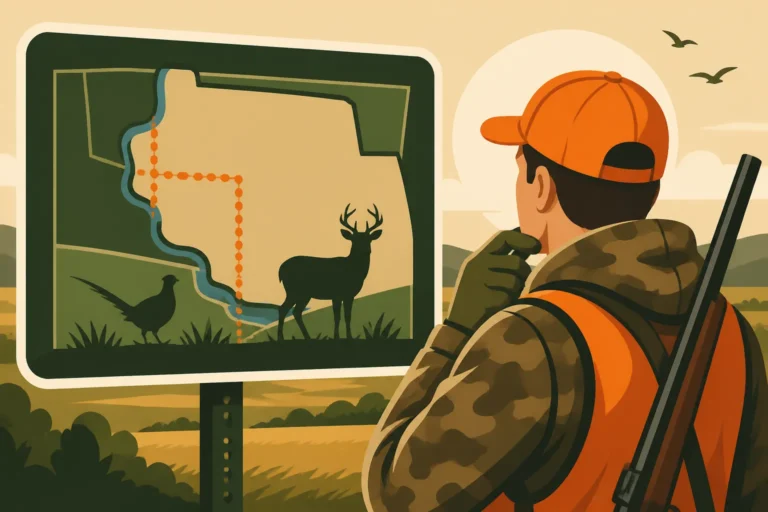
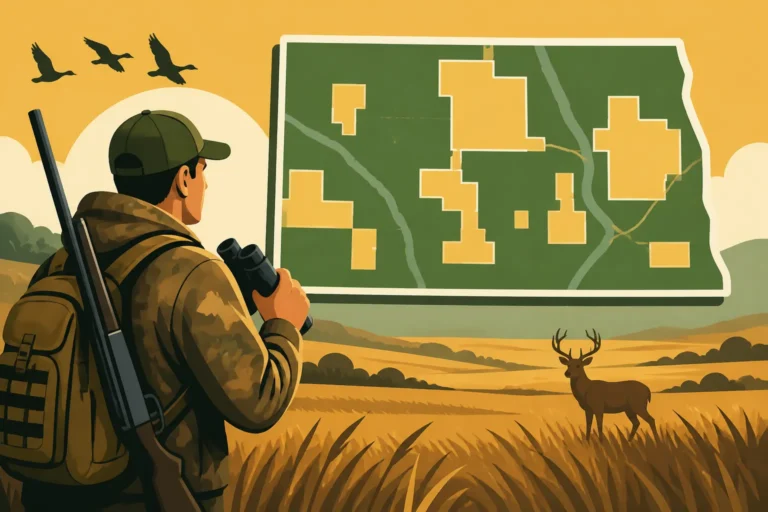
Before you ever set foot in a WPA, spend significant time with digital mapping tools like onX Hunt or GoHunt. These apps are invaluable for dissecting the landscape from above. Start by identifying the boundaries of the WPA. Look for the distinct patterns of wetlands – the classic "potholes" that give the prairie its character. Then, zero in on the areas between these potholes. These dry fingers of land, subtle ridges, or slightly elevated areas are often where deer will travel and bed.
Pay close attention to changes in vegetation visible from satellite imagery. Look for darker green patches that might indicate denser woody cover or thicker stands of tall grass. Identify any shelterbelts, old farmsteads (WPAs are often acquired from private land, so you might find remnants), or even old fence lines. These can all be deer magnets. Pinpoint access points and potential parking spots, keeping in mind that some WPAs have very limited road access. Look for any creeks or drainages that connect potholes or lead out of the WPA, as these serve as natural travel routes. Scouting PLOTS Land With the ND Hunt App can offer some similar mapping principles for understanding public land features.
Boots-on-the-Ground Recon
Once you've narrowed down some promising areas on your digital maps, it's time for boots on the ground. This is where you confirm your theories and find the fresh sign that digital maps can't show. Walk the edges of sloughs, paying attention to trails that skirt the water. Look for rubs on small trees and bushes, especially in thicker cover. Deer often use these thickets as bedding areas, and fresh rubs indicate current buck activity. Scrape lines, while less common on the open prairie, might appear along brushy edges or sheltered corners.
Focus on finding fresh tracks in the mud around water sources or along natural corridors. Reading North Dakota Mud for Fresh Deer Movement can tell you not just that deer are there, but when they're moving and in what direction. Don't be afraid to walk through the taller grass and brush, but do so strategically to avoid spooking deer you plan to hunt later. Look for trampled grass, droppings, and natural openings or "tunnels" through dense vegetation – these are classic deer travel routes. During your scouting trips, try to identify primary bedding areas, which are often found in the thickest, most secluded cover available, usually elevated slightly above the wettest areas.
Adapting Your Hunting Approach
Hunting deer in WPAs often means embracing different tactics than you might use in heavy timber. Still-hunting, slow and deliberate movement through cover, can be very effective. Use the terrain to your advantage – small rises, cattail edges, and brush lines can offer concealment. Don't underestimate the power of wind and thermals, especially in relatively flat country where subtle changes in elevation can create predictable air currents.
Ground blinds are frequently a better option than treestands in many WPAs due to the lack of suitable trees. A well-brushed-in pop-up blind or even just a natural ground blind made from cattails and deadfall can provide excellent concealment, especially near known travel routes or bedding areas. If you do find a suitable tree, remember to check Treestand Rules on North Dakota Public Land or Ground Blind Rules on North Dakota WMAs for any specific regulations on placement and duration. Patience is key; sometimes a long sit overlooking a promising funnel or a thick bedding area will pay off more than constant movement.
Legality and Considerations for WPA Deer Hunting
Like all public lands, Waterfowl Production Areas come with their own set of rules and considerations that every hunter must understand and respect. These are federal lands, often interspersed with private or state property, so being aware of your exact location and the specific regulations that apply is paramount.
Understanding Federal Regulations
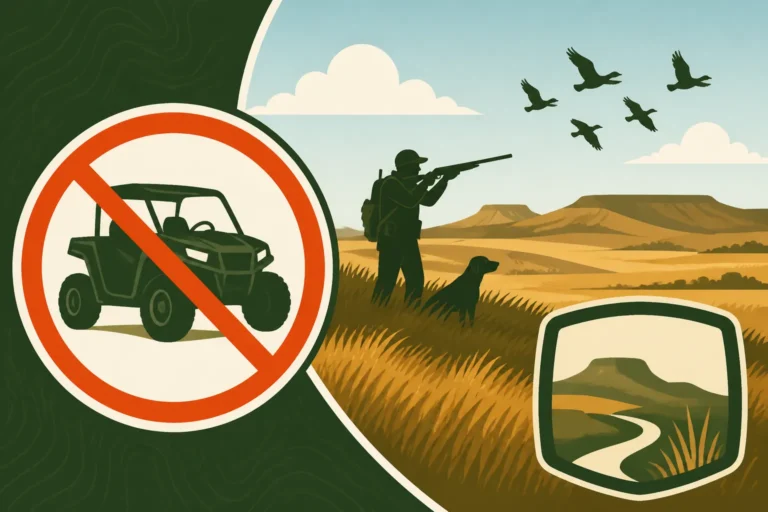
WPAs are managed by the U.S. Fish and Wildlife Service, which means federal regulations apply first and foremost. Always consult the official WPA regulations for North Dakota, usually available on the USFWS website or at local refuge offices. These regulations can cover everything from permitted activities, allowed weapons, vehicle access, and even specific times of day or year when certain activities are allowed. For example, some WPAs might restrict vehicle access to designated roads only, or prohibit ATVs entirely.
It's also crucial to remember that while WPAs are open to hunting, some areas within them might be closed to protect sensitive wildlife or for safety reasons. Always look for posted signs, and if in doubt, contact the local USFWS office. Understanding the nuances of federal land regulations is just as important as knowing state hunting laws, as both layers apply simultaneously.
Specific State Rules and Seasons
In addition to federal rules, all North Dakota state hunting regulations apply within WPAs. This includes things like licensing requirements, season dates, bag limits, and legal shooting hours. You'll need your appropriate North Dakota deer license, whether it's an archery tag or a lottery-drawn firearm tag for the specific unit where the WPA is located. Remember to check the North Dakota Archery Season Dates or North Dakota Gun Season Dates to align your WPA hunt.
Mandatory harvest reporting is also a state requirement, so be prepared to report your deer promptly if you're successful. Specific zones or units might also have CWD management rules, so be aware of any mandatory sampling stations or carcass transport restrictions that could impact your hunt in a particular WPA. Staying current with the North Dakota Game and Fish Department's annual proclamation is your best defense against inadvertently breaking a rule.
Access and Vehicle Restrictions
Accessing WPAs can sometimes be a challenge, and it's something you need to research beforehand. Many WPAs are "walk-in" only, meaning you'll need to leave your vehicle at a designated parking area and hike in. This can be great for reducing pressure, but it means you need to plan for packing out a deer over potentially long distances. Some WPAs may allow vehicle access on certain two-track trails during specific periods, but this is less common.
Always adhere to posted signs regarding vehicle use. Driving off-road, even on what looks like an old trail, could result in significant fines and habitat damage. This is where your digital maps like onX Hunt come in handy, as they often show designated access roads and parking areas. Remember, your goal is to be a respectful user of the land, leaving no trace and preserving the resource for others. Public Hunting Land in North Dakota generally has consistent access rules, but WPAs can sometimes differ, so always double-check.
Making the Most of Your WPA Deer Hunt
Hunting deer in North Dakota's Waterfowl Production Areas isn't just about finding them; it's about optimizing your strategy, understanding the behavioral nuances of WPA deer, and being prepared for the unique environment. These are often vast, open, and sometimes challenging landscapes, but with the right approach, they can offer incredibly rewarding experiences.
Timing Your Hunt Right
The timing of your WPA deer hunt can make a significant difference. Early archery season, before crops are harvested and heavy snows fall, can be a great time. Deer are often more predictable, moving between thick bedding cover in the WPA and nearby agricultural fields. Later in the season, during the firearm deer season or even the Muzzleloader Deer Hunting in Select North Dakota Units periods, WPAs with substantial woody cover or tall, dense grasses become critical thermal and security cover, concentrating deer as outside areas become less hospitable.
Consider hunting during periods of inclement weather, if you're prepared for it. A light drizzle, a snow flurry, or even just cold, cloudy conditions can often get deer up and moving, especially if it keeps other hunters indoors. Remember that deer in WPAs, especially those that border fields, will transition from bedding cover to food sources, so hitting these transitions at dawn and dusk is paramount. For broader population context, check out the North Dakota Deer Population Estimate to understand regional densities that might influence WPA activity.
Gear Up for the Terrain
WPA hunting can be physically demanding. Expect to do a lot of walking, potentially through thick, wet grass, mud, and sometimes shallow water. Waterproof boots are an absolute must, even if you don't plan to wade through deep sloughs. Good quality binoculars are essential for glassing the vast, open spaces – you'll often spot deer at a distance before you can get close. A good rangefinder is also invaluable for confirming shot distances in open country where distances can be deceiving.
Layered clothing is always wise in North Dakota, as weather conditions can change rapidly. Don't forget bug spray for early season hunts, especially around wetlands. If you're using a ground blind, ensure it's well-anchored, as the prairie winds can be relentless. And finally, when you're successful, be prepared to field dress and pack out your deer, potentially over a long distance. A sturdy game cart, if allowed, can be a lifesaver, but often, a good game bag and strong back are your best tools.
| WPA Habitat Feature | Deer Use | Hunting Strategy |
|---|---|---|
| Native Prairie Grass | Bedding, fawning, travel corridors, thermal cover | Still-hunt edges, set up ground blinds near travel funnels. |
| Pothole Sloughs | Water source, security cover in surrounding reeds/cattails, travel funnels | Hunt dry land edges, focus on pinch points between water. |
| Woody Draws/Shelterbelts | Bedding, escape cover, rub/scrape sites, food sources | Locate fresh sign, set up ambushes on entry/exit routes. |
| Fencelines/Old Farmsteads | Travel routes, boundary markers, residual cover/browse | Look for trampled trails, hunt corners and thickets. |
| Transition Zones | Key movement areas between bedding, water, and feeding | Prime spots for morning/evening sits, focus on fresh tracks. |
Persistence Pays Off
Hunting deer in Waterfowl Production Areas is often about persistence. You might walk a lot of ground before you cut fresh tracks or spot deer. Don't get discouraged if your first few trips are quiet. These areas can be dynamic, with deer moving in and out based on pressure, weather, and food availability. Keep scouting, learning the patterns of the particular WPA you're hunting, and don't be afraid to try different tactics.
Talk to local landowners or other hunters if you have the opportunity – they might offer insights into deer movement in the general area. While Hunting Pressure on North Dakota Public Land is generally lower, some popular WPAs might still see activity, so be ready to adapt and find those less-traveled corners. The satisfaction of tagging a deer on public land, especially a less obvious gem like a WPA, is incredibly rewarding. With a little homework, some strategic boots-on-the-ground scouting, and a healthy dose of patience, North Dakota's Waterfowl Production Areas can become your next favorite deer hunting destination.
Disclaimer
This article is for general informational purposes only and does not constitute professional advice. Laws, prices and regulations vary by location and change over time. Consult a qualified professional for guidance on your specific situation.