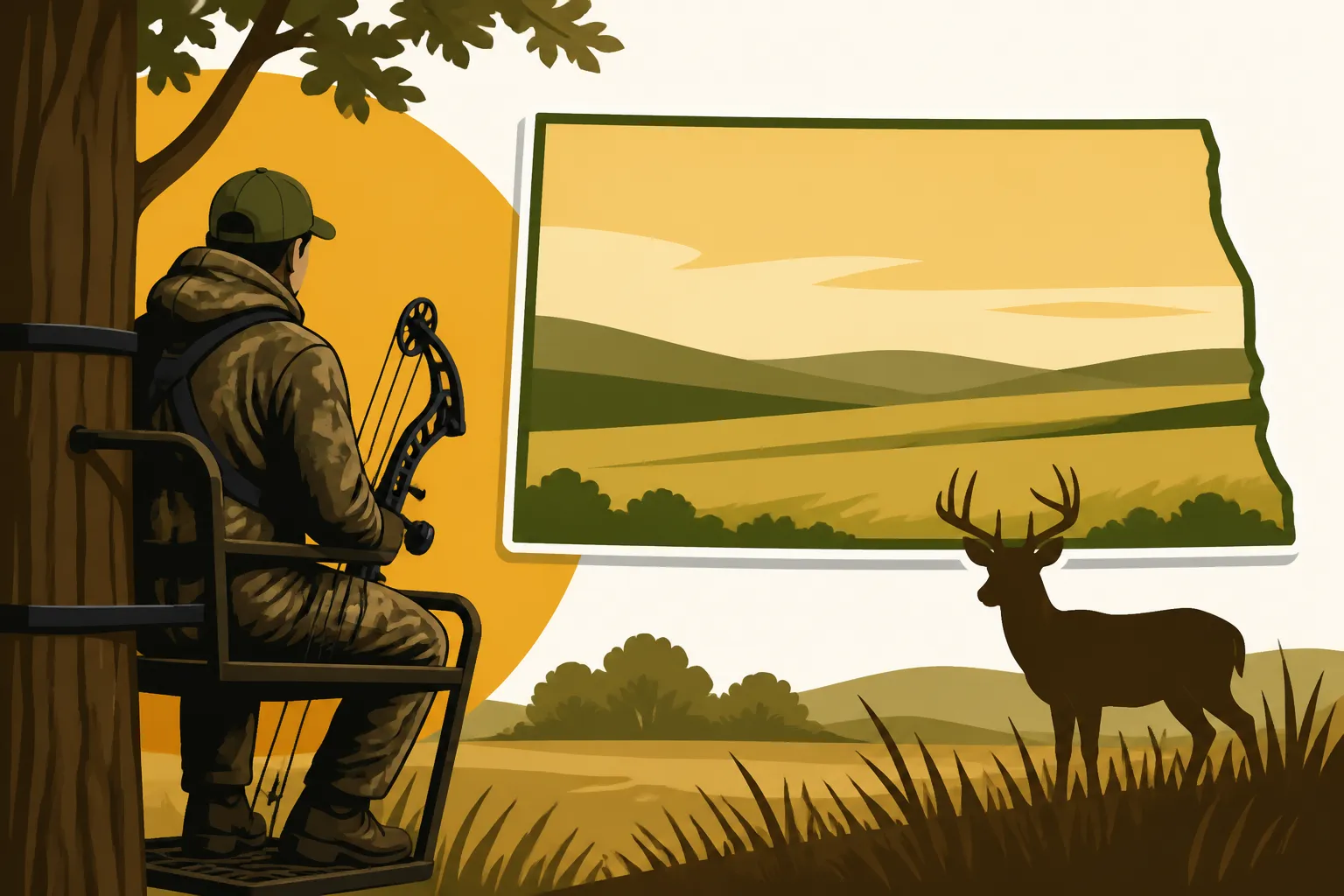
Treestand Rules on North Dakota Public Land
Okay, let's talk about treestands on public land in North Dakota. It's a question that throws a lot of hunters for a loop, especially when you're trying to do everything by the book, but the rules aren't always crystal clear from one piece of ground to the next. The last thing any of us wants is a fine or, worse, losing hunting privileges because we misunderstood a regulation about how or where we can hang a stand. This guide will walk you through the nuances of treestand rules across North Dakota's diverse public hunting lands, helping you stay legal and ethical in the field.
Understanding North Dakota's General Public Land Treestand Regulations
Hunting from an elevated position, whether it's for deer in a river bottom or for a better view over a prairie draw, is a time-honored tactic. But when you step onto public land, the freedom to pick any tree and nail up a stand changes dramatically. North Dakota's regulations are designed to protect both the natural resources and the fair chase experience for everyone, which often means strict rules around what you can leave behind.
Temporary Stands vs. Permanent Structures
The absolute core of North Dakota's treestand philosophy on public lands revolves around the distinction between temporary and permanent structures. Get this wrong, and you're asking for trouble.
A temporary stand is typically defined as a portable stand that you put up and take down either daily or within a very short, specified timeframe after the hunting season closes. These are usually climbing stands, hang-on stands that use straps, or even small, portable ladder stands that can be removed without causing damage. The key here is portability and minimal impact. You're essentially bringing your own equipment, using it, and then taking it with you. This ensures that the land isn't littered with abandoned gear and that trees aren't permanently altered. Many state-managed areas expect stands to be removed daily, especially in high-traffic zones, to prevent theft and to maintain a "leave no trace" environment. It also prevents one hunter from effectively claiming a spot for the entire season.
Permanent structures, on the other hand, are almost universally prohibited on North Dakota public lands. This includes stands built from lumber, stands affixed to trees with nails, bolts, or lag screws, or any stand left in place for an extended period that suggests an intent to claim or permanently alter the site. The rationale is simple: public land belongs to everyone. Allowing permanent stands would lead to a patchwork of claimed territories, potential environmental damage, and an unfair advantage to those who could afford or manage to install them. Imagine trying to find a spot if every good tree had a dilapidated stand nailed to it from years past. It just wouldn't work.
Prohibited Actions and Common Violations
Beyond the temporary versus permanent debate, there are a host of specific actions that are generally not allowed and often lead to citations. These are designed to protect the integrity of the habitat and ensure public safety.
One of the biggest no-nos is damaging trees or vegetation. This includes cutting branches, sawing limbs for shooting lanes, or using anything that penetrates the bark of a tree to secure a stand. Nails, screws, and bolts fall squarely into this category. Not only do they physically harm the tree, making it susceptible to disease, but they also leave hazardous metal objects embedded in the wood, which can be dangerous for foresters or landowners if the tree is ever harvested. The idea is to leave the tree exactly as you found it, save for a bit of bark abrasion from a strap.
Leaving stands unattended for extended periods is another common violation. While some federal lands might have a grace period (e.g., 10-14 days after season close), many state WMAs and PLOTS lands require stands to be removed much sooner, if not daily. An abandoned stand isn't just an eyesore; it can pose a safety hazard, attract vandals, and create the perception of a "claimed" spot, which breeds resentment among other hunters. Always check the specific regulations for the piece of public land you intend to hunt. If you're caught leaving a stand for too long, you could face fines and, in some cases, the confiscation of your equipment. It's a tough lesson to learn, but one that wildlife agencies don't take lightly. To give you an idea of the kind of scenarios that can lead to issues, remember that wildlife officers regularly patrol areas to check for violations. If they find a stand that's been there for weeks after the season has closed, or one that's clearly bolted into a tree, they will act. If you're interested in understanding the broader context of enforcement, you might want to read about North Dakota Wildlife Violation Penalties.
Specific Rules by Public Land Type in North Dakota
North Dakota isn't a monolithic landscape, and neither are its public hunting opportunities. What's allowed on one type of public land might be strictly forbidden on another. It pays to know the specifics, so you don't inadvertently break a rule while trying to enjoy the outdoors.
PLOTS Land and Treestand Use
The PLOTS (Private Land Open To Sportsmen) program is a fantastic initiative in North Dakota, providing access to hundreds of thousands of acres of private land for public hunting. It's a blessing for hunters, but it comes with its own set of rules, often dictated by the individual landowner agreements.
On PLOTS land, the general expectation is that you will use portable, temporary treestands that cause no damage to the trees. You'll often see specific signage or details in the official PLOTS guide (which is a must-have for any hunter utilizing these areas) that outlines what's permissible. While some landowners might be more lenient, the safest bet is always to assume you need to pack your stand in and out with you, or at the very least, remove it immediately after the season. You absolutely cannot build permanent structures, cut branches, or leave anything that could be considered litter. Remember, PLOTS is a privilege, and maintaining good relationships with landowners is crucial for the program's continuation. Causing damage or leaving messes can jeopardize future access for everyone.
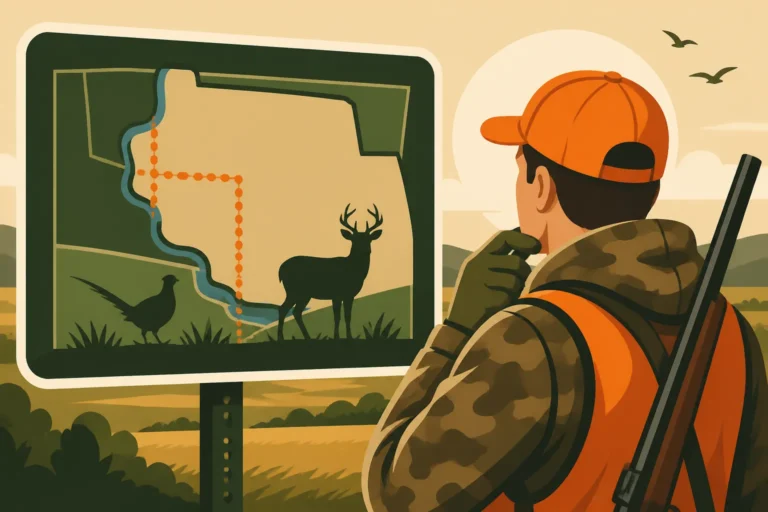
It’s always a smart move to double-check the specific PLOTS tract you're interested in using. The rules can be slightly different from one enrolled property to the next based on the landowner's agreement with Game and Fish. Tools like onX Hunt are invaluable here, as they not only show you PLOTS boundaries but can sometimes even indicate specific restrictions or offer details from the Game and Fish department. It’s like having a digital PLOTS guide in your pocket, making it easier to confirm land status and avoid accidental trespassing or rule violations. For a deeper dive into how this system works, check out The PLOTS Program Explained. Also, make sure you know how to interpret the signs you encounter in the field; a quick read of Reading a PLOTS Sign Correctly can save you a headache.
Wildlife Management Areas WMAs and Treestand Policies
Wildlife Management Areas (WMAs) are state-owned and managed properties dedicated to wildlife conservation and public recreation, including hunting. These areas typically have the most uniform and often the most stringent rules regarding treestands.
On North Dakota WMAs, you should almost always assume that only portable, temporary treestands are allowed, and they must be removed daily. This "daily removal" rule is a common one on WMAs across the state, designed to prevent long-term impacts, reduce conflicts between hunters, and minimize opportunities for theft or vandalism. You cannot leave a stand up overnight, let alone for the entire season. The rationale is clear: WMAs are intensely managed for habitat, and minimizing human impact is paramount. Any permanent alteration to trees, such as the use of bolts, nails, or cutting limbs, is strictly prohibited. Enforcement on WMAs tends to be quite active, given their concentrated use by hunters. Wildlife officers frequent these areas, and they will not hesitate to enforce these rules. Always check the North Dakota Game and Fish Department's current regulations for the specific WMA you plan to visit, as there can sometimes be minor variations. If you're not using a treestand, but a ground blind, there are specific rules for those too, which you can learn about in Ground Blind Rules on North Dakota WMAs. For a broader understanding of these areas, take a look at North Dakota Wildlife Management Areas.
National Grasslands Little Missouri, Sheyenne and Federal Rules
North Dakota is home to significant portions of National Grasslands, like the Little Missouri and Sheyenne National Grasslands. These are federally managed lands, and as such, their treestand rules fall under federal regulations, which can differ somewhat from state laws.
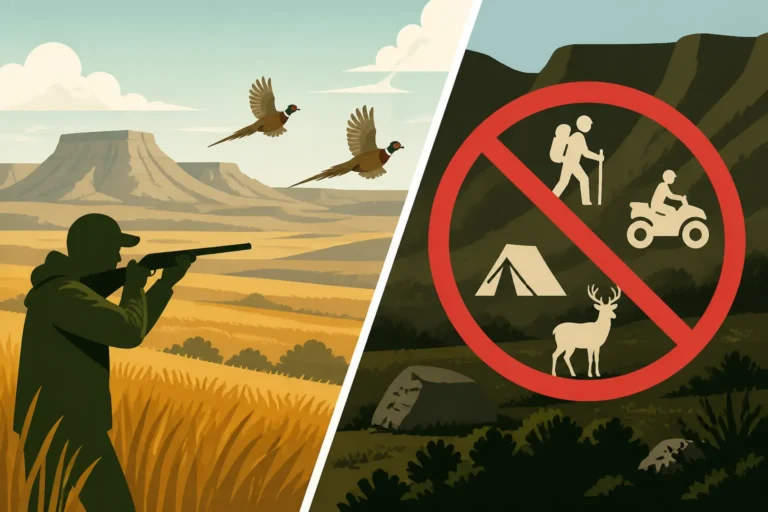
On National Grasslands, you'll generally find that portable treestands are permitted, provided they cause no damage and are removed within a specified timeframe after the hunting season. This timeframe is often a bit more generous than on state WMAs, sometimes allowing stands to remain for 10-14 days after the season concludes. However, this is not an invitation to leave stands year-round. The core principle of "leave no trace" is incredibly important on federal lands, which often prioritize wilderness values and minimizing human impact. You are strictly prohibited from cutting trees, limbs, or any vegetation, and the use of nails, bolts, or any material that permanently damages a tree is forbidden.
The vastness of areas like the Hunting North Dakota's Little Missouri National Grassland or the unique Sheyenne National Grassland Hunting environment means that enforcement might feel less immediate than on a smaller WMA. However, federal game wardens and Forest Service rangers do patrol these lands, and violations carry federal penalties, which can be substantial. It's always a good idea to check the specific U.S. Forest Service guidelines for the district you'll be hunting. This might involve a quick search on their website or a call to the local ranger district office. While GoHunt might be a useful tool for general land research and strategy, always verify specific, detailed regulations directly with the managing agency for federal lands. Respecting these expansive landscapes ensures they remain prime hunting grounds for generations to come.
Best Practices for Treestand Hunting on North Dakota Public Land
Beyond just knowing the rules, adopting best practices when using a treestand on public land in North Dakota is essential for both your safety and the longevity of access for all hunters. It’s about being a responsible steward of the land and a considerate member of the hunting community.
Choosing and Using a Portable Treestand
The right equipment and proper technique are paramount. Since permanent stands are a no-go, your focus needs to be on quality, safe, and portable options.
- Safety First: No matter what type of portable stand you choose, always, always use a safety harness from the moment your feet leave the ground until they return. Treestand accidents are a leading cause of hunting injuries, and they are almost entirely preventable with proper use of a harness and safety lines. Make sure your harness fits correctly and you understand how to use its lifeline or safety rope system from the moment you begin climbing.
- Types of Portable Stands:
- Climbing Stands: Great for mobility and quickly adapting to different trees. They require a tree with a straight trunk, free of large limbs, but are excellent for daily pack-in/pack-out scenarios.
- Hang-On Stands: These are usually lighter and can be used on more irregular trees, often with the help of climbing sticks or sections. They offer flexibility in setup but might take a bit longer to install and remove daily. Make sure to use strong, non-damaging straps (ratchet straps are common) to secure them.
- Ladder Stands: While less portable for daily removal, some smaller, modular ladder stands might be acceptable in areas with less strict daily removal rules (like some National Grasslands that allow a short post-season grace period), provided they are temporary and removed promptly. However, they are often bulky and difficult to move regularly, making them less ideal for most public land scenarios.
- Non-Damaging Methods: Ensure all attachment methods for your stand and climbing aids (like climbing sticks) are non-damaging. This means no screws, no nails, no bolts, and no cutting tools. Straps, chains wrapped around the tree, or systems that grip the tree without piercing the bark are what you're looking for. Always practice setting up and taking down your stand at home, at ground level, before you try it in the dark or cold in the field. This builds muscle memory and helps you troubleshoot any issues in a safe environment.
Scouting and Placement Considerations
Effective treestand hunting isn't just about the gear; it's about smart strategy and a deep understanding of the land and the animals you pursue.
- Pre-Season Scouting is Critical: You can't just show up on opening day and expect to find the perfect treestand location. Utilize maps, aerial photos, and pre-season boots-on-the-ground scouting to identify pinch points, funnels, bedding areas, and food sources. Look for fresh sign: tracks, rubs, scrapes, and droppings. Knowing where deer are moving and why is half the battle. If you're looking for help with digital scouting, tools like onX Hunt are invaluable for identifying property lines, terrain features, and even potential travel corridors before you ever step foot in the woods. For a comprehensive approach to finding game, you might find Scouting PLOTS Land With the ND Hunt App a useful read.
- Wind Direction and Access: Always consider wind direction. Your scent is your biggest enemy. Place your stand so your scent cone blows away from where you expect deer to approach or pass through. Also, plan your entry and exit routes to be as quiet and undetected as possible. Avoid walking directly through known bedding areas or across open fields at prime hunting times. The goal is to get in and out without alerting any game.
- Public Land Pressure: Public land often sees more hunting pressure. This means deer can become wary and shift their patterns. Look for less obvious access points, deep pockets of cover, or areas that require a bit more effort to reach. Sometimes, simply walking an extra half-mile from the road can put you into an entirely different caliber of hunting. Don't be afraid to put in the miles; it often pays off. If you're curious about how to beat the crowds, consider reading Finding PLOTS Ground Others Walk Past.
Respecting the Resource and Other Hunters
Being a responsible hunter goes beyond just following the letter of the law; it's about embodying the spirit of conservation and camaraderie.
- Leave No Trace: This principle should guide all your actions on public land. Pack out everything you pack in, and then some. This includes empty wrappers, spent casings, and any part of your treestand setup. Leave the land cleaner than you found it. This respects the environment and prevents conflicts with other users.
- Hunter Ethics: Public land is for everyone. This means you don't "claim" a spot by leaving gear, blocking access, or acting as if you have exclusive rights. Be courteous to other hunters you encounter. Share the resource responsibly. Understand that even if you're the first one to find a particular spot, others might have the same idea. Communication and respect go a long way. It's also important to be aware of North Dakota Public Land Hunting Hours to avoid disturbing others.
- Marking Your Stand (If Permitted): Some public land entities might require you to tag your temporary stand with your name, address, or hunting license number. If this is the case, ensure your markings are clear, legible, and waterproof. This helps wildlife officials identify owners if a stand is found outside of permissible times and can help prevent theft. Always confirm if marking is required or merely allowed for identification purposes. For general knowledge about hunting responsibly, review North Dakota Hunter Education Requirements.
| Public Land Type | Temporary Stands Allowed | Permanent Stands Allowed | Daily Removal Rule (Typical) | Key Restrictions |
|---|---|---|---|---|
| PLOTS Land | Yes | No | Varies by landowner/tract | No damage to trees, check specific PLOTS info |
| Wildlife Management Areas | Yes | No | Yes (Strictly enforced) | No damage, must be removed daily |
| National Grasslands | Yes | No | No (Post-season grace period) | No damage, removal within 10-14 days post-season |
This table provides a simplified overview. Always consult the official North Dakota Game and Fish Department regulations and specific federal land management agency rules for the most current and detailed information before heading out.
Disclaimer
This article is for general informational purposes only and does not constitute professional advice. Laws, prices and regulations vary by location and change over time. Consult a qualified professional for guidance on your specific situation.