Pheasant Hunting North Dakota’s Prairie
For many hunters, the thought of chasing pheasants across the vast, golden prairies of North Dakota evokes a special kind of thrill. Yet, the reality of encountering these wily birds, especially for those new to the region or upland hunting, can feel daunting. The sheer scale of the landscape, the unpredictable weather, and the bird's incredible ability to hold tight or flush wild can lead to frustrating days afield. This comprehensive guide is designed to peel back the layers of North Dakota pheasant hunting, offering practical advice and strategies to help you navigate the prairie and find success, whether you're a seasoned veteran or just starting out.
Understanding the North Dakota Pheasant Experience
The ring-necked pheasant is more than just a game bird in North Dakota; it's an icon, a vibrant splash of color against the muted tones of the prairie. Hunting them here is an experience deeply rooted in tradition and the unique challenges presented by the open landscape. It's not just about pulling a trigger; it's about understanding the land, the weather, and the bird itself.
The Allure of North Dakota Roosters
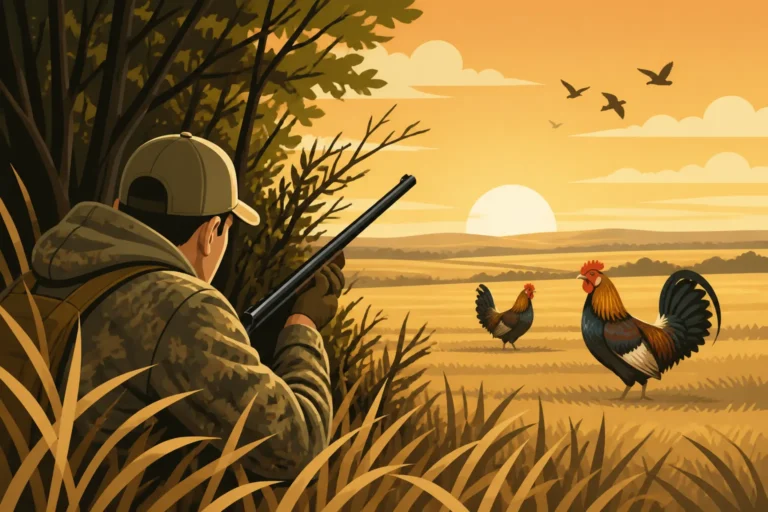
There's something truly captivating about a North Dakota rooster flushing from a patch of cattails or a thick shelterbelt. That explosive cackle, the iridescent flash of its plumage, and the rapid beat of its wings as it gains altitude against the wide-open sky – it’s a moment that can make your heart pound every single time. Hunters travel from all over to experience the quality and quantity of birds available, especially in good years following mild winters. The challenge lies in converting those flushes into birds in the bag. The reputation of North Dakota for North Dakota's Record Pheasant Crowing Counts is well-deserved, but success isn't handed out freely; it's earned through effort and smart tactics.
The sheer volume of accessible habitat also plays a significant role in the appeal. Unlike some states where prime pheasant ground is largely private and leased, North Dakota offers extensive public and private-lands-public-access (PLOTS) opportunities. This accessibility, combined with robust bird numbers, creates a hunting environment that feels both vast and intimate. Every walk through a field is a potential encounter, keeping hunters constantly engaged and hopeful.
Pheasant Biology and Behavior on the Prairie
To truly hunt pheasants effectively, you need to understand how they live and what drives their daily routines. Pheasants are primarily ground-dwelling birds, preferring dense cover for roosting, nesting, and loafing. On the North Dakota prairie, this translates to heavy use of areas like cattail sloughs, dense switchgrass, CRP (Conservation Reserve Program) fields, shelterbelts, and unharvested crop stubble. They are intelligent and remarkably adaptable, quickly learning to avoid pressure.
During the morning and late afternoon, pheasants often move from heavy cover to feed in nearby grain fields, such as corn, sunflower, or small grain stubble. Midday, especially on sunny days, they tend to loaf in thicker thermal cover, conserving energy. As hunters increase pressure, birds become "wiser," holding tighter in cover, running far ahead of dogs and hunters, or flushing out of range. Understanding these behaviors is crucial for predicting where birds will be and how they will react to your approach.
Weather's Impact on Pheasant Activity
North Dakota weather is a character all its own, and it profoundly influences pheasant behavior. Mild, sunny days in early fall might see birds scattered, feeding actively, and willing to hold, especially in lighter cover. However, a sudden cold snap, a strong north wind, or significant snowfall can dramatically alter their patterns. Birds will seek out the thickest thermal cover available, often congregating in cattail sloughs, heavy shelterbelts, or standing corn.
Early season hunting can be quite warm, even hot, requiring careful management of dogs to prevent overheating and ensuring hunters stay hydrated. As the season progresses into late fall and early winter, colder temperatures and snow become the norm. Snow can concentrate birds, making them easier to locate, but it also provides them with more visual concealment. Late-Season Pheasant Tactics in Deep Snow often involve focusing on specific, heavy cover types where birds are forced to seek shelter and food. Wind is another major factor; pheasants typically flush into the wind for better lift, so approaching them with the wind in your face can give you a slight advantage as they break cover directly away from you.
Identifying Prime Prairie Pheasant Habitat
Finding pheasants in North Dakota starts with knowing where they live. The prairie is a mosaic of different land types, and understanding which ones offer the best cover and food will be your most valuable scouting tool. It's about looking for complexity and edges, where different habitats meet.
Key Cover Types on North Dakota's Prairie
Pheasants thrive in diverse habitats, and North Dakota's prairie offers a fantastic mix. The most productive areas often contain a combination of dense grass, thermal cover, and food sources. CRP fields, with their tall, dense grasses, are classic pheasant habitat, providing excellent nesting and escape cover. Cattail sloughs, especially those with standing water or dense dry cattails, are absolute magnets for pheasants, particularly as the weather turns colder. These provide crucial thermal protection and often hold large numbers of birds.
Shelterbelts, those linear plantings of trees and shrubs designed to break the wind, are another vital cover type. They offer loafing cover, travel corridors, and thermal protection. Working a Shelterbelt for Roosters can be incredibly productive, but requires a strategic approach to push birds out effectively. Finally, don't overlook agricultural fields, especially those with standing corn or sunflower stubble. These provide both food and valuable cover, particularly later in the season when other vegetation has flattened. Areas where these cover types meet — a CRP field bordering a cornfield and a cattail slough — are often hotspots.
Finding Public Access: PLOTS, WMAs, and WPAs
North Dakota is renowned for its hunter-friendly access, largely due to programs like PLOTS (Private Land Open To Sportsmen), as well as state Wildlife Management Areas (WMAs) and federal Waterfowl Production Areas (WPAs). These lands provide critical access for both residents and nonresidents.
PLOTS tracts are privately owned lands leased by the North Dakota Game and Fish Department (NDGFD) for public hunting. They are marked with distinctive yellow signs and are an invaluable resource. The NDGFD publishes an annual Scouting PLOTS Land Before Season guide and offers a mobile app (like the GoHunt app) that shows the location and boundaries of these areas. This technology has revolutionized public land hunting, allowing hunters to pinpoint exact locations, understand property boundaries, and navigate effectively, even without cell service in some remote areas. WMAs are state-owned lands specifically managed for wildlife habitat and public recreation, often featuring diverse habitats. WPAs, managed by the U.S. Fish and Wildlife Service, are federal lands acquired to protect waterfowl habitat but are often open to public upland hunting as well, providing great pheasant opportunities, especially around slough edges and dense grasses.
Scouting Before and During the Season
Effective scouting is a cornerstone of consistent pheasant hunting success. It doesn't just happen the day before you hunt; it's an ongoing process. Pre-season scouting can be done with maps, aerial photos, and online resources. Tools like GoHunt or the NDGFD PLOTS guide are invaluable for identifying promising tracts of public land. Look for areas with a good mix of cover types, especially where dense thermal cover meets food sources. Pay attention to water features, as pheasants need water, and thick cover around potholes can be highly productive.
During the season, your scouting becomes more dynamic. Drive rural roads, observing field edges at dawn and dusk for feeding birds. Look for tracks in the mud or snow, and listen for crowing roosters, especially on calm mornings. Don't be afraid to pull over and walk into a promising area to look for fresh sign – feathers, droppings, or dusting bowls. Talking to local landowners (with permission, of course) can also provide invaluable insights into bird movements and concentrations. Remember, Hunting Pressure on North Dakota Public Land can shift bird patterns, so be prepared to adapt and explore new areas if your initial spots aren't producing.
Essential Gear for a Successful Hunt
Having the right gear won't guarantee birds in the bag, but it will certainly make your hunt more comfortable, safer, and ultimately more enjoyable. North Dakota's prairie can be physically demanding and its weather unforgiving, so come prepared.
Shotguns and Ammunition Selection
For pheasant hunting, most hunters opt for a 12-gauge or 20-gauge shotgun, with personal preference and recoil tolerance playing a significant role. A modified or improved cylinder choke is generally a good starting point, offering a balanced spread for both close-flushing birds and those that get up a bit further out. As birds become wilder later in the season, a tighter choke like full or improved modified might be more effective.
Ammunition choice is equally important. For pheasants, 2 ¾-inch or 3-inch shells loaded with #4, #5, or #6 lead shot are standard. Early in the season, #6 shot is often sufficient, but as birds mature and the feathers thicken, moving to #5 or even #4 can provide better penetration and knockdown power. Make sure you match your ammunition to your shotgun's chamber size. Always carry plenty of shells; a typical day of pheasant hunting can easily burn through a box or two, especially with a lively dog.
Clothing, Footwear, and Safety Gear
Layering is absolutely critical for North Dakota pheasant hunting, as temperatures can fluctuate wildly throughout the day and season. Start with moisture-wicking base layers, add insulating mid-layers (fleece or down), and top it off with a durable, windproof, and water-resistant outer shell. Blaze orange is a mandatory safety requirement in North Dakota, so ensure you have sufficient visibility. A good blaze orange vest or jacket, plus a hat, is essential for safety, especially when hunting with a group.
Footwear must be comfortable, waterproof, and provide excellent ankle support. You'll be doing a lot of walking over uneven terrain, through mud, and potentially snow, so invest in quality hunting boots. Gaiters can be a lifesaver for keeping seeds, snow, and mud out of your boots. Other crucial safety gear includes eye protection to guard against stray shot and brush, and hearing protection to protect your ears from repeated gunfire. A first-aid kit, a whistle, and navigation tools (GPS or a mapping app like GoHunt) are also highly recommended, as it's easy to get disoriented in vast prairie landscapes.
The Role of Hunting Dogs
While you can pheasant hunt without a dog, a good bird dog is an undeniable force multiplier and arguably one of the greatest joys of upland hunting. Pointers, flushers, and retrievers each bring unique skills to the field. Pointers, like German Shorthaired Pointers or English Pointers, excel at locating birds and holding them for the shot, while flushers, such as Springer Spaniels or Labrador Retrievers, are fantastic at systematically working cover and pushing birds out. Retrievers are invaluable for finding downed birds, especially in dense cover, reducing the chance of lost game.
Training and conditioning your dog are paramount. A well-trained dog will work efficiently, stay in range, and retrieve reliably. Ensure your dog is physically conditioned for long days afield, especially in varying temperatures. Carry plenty of water for your dog, especially on warm days, and consider protective booties for their paws when hunting rough terrain or thorny cover. A dog's nose can locate birds that a human would walk right past, turning what might be a sparse hunt into a memorable and successful one.
Effective Hunting Strategies for North Dakota's Terrain
North Dakota's prairie landscape demands specific tactics to consistently find and flush pheasants. The open nature of the country, combined with the bird's inclination to run, means you need to be strategic in how you approach different cover types.
Walking North Dakota PLOTS Land for Pheasant
Many hunters, especially those new to the state, will spend a good portion of their time Walking North Dakota PLOTS Land for Pheasant. This often means tackling large tracts of grassland, CRP, or wetland edges. The key here is to cover ground efficiently while thoroughly working promising cover.
- Grid Patterns: For large, uniform blocks of cover, a grid pattern (walking back and forth) ensures you cover the entire area systematically. This is particularly effective with a team of hunters and dogs, with blockers positioned at the end of the field to intercept running birds.
- Edge Hunting: Pheasants love edges—where different cover types meet. Walk along the edges of CRP fields where they meet crop fields, tree lines, or sloughs. Birds will often feed in the crops and retreat to the thick cover along the edge.
- Contouring: In hilly or rolling terrain, contouring (walking horizontally along the slope) is less tiring than walking straight up and down. Also, pay attention to the sunny side of hills in cold weather, as birds might be trying to warm up there.
- Slow and Steady: Avoid rushing. Walk at a deliberate pace, allowing your dogs time to work and giving pheasants a chance to get nervous and flush, rather than simply running far ahead. Pause occasionally; sometimes, a brief stop can make a nervous bird flush.
Running Pointing Dogs on North Dakota Pheasant
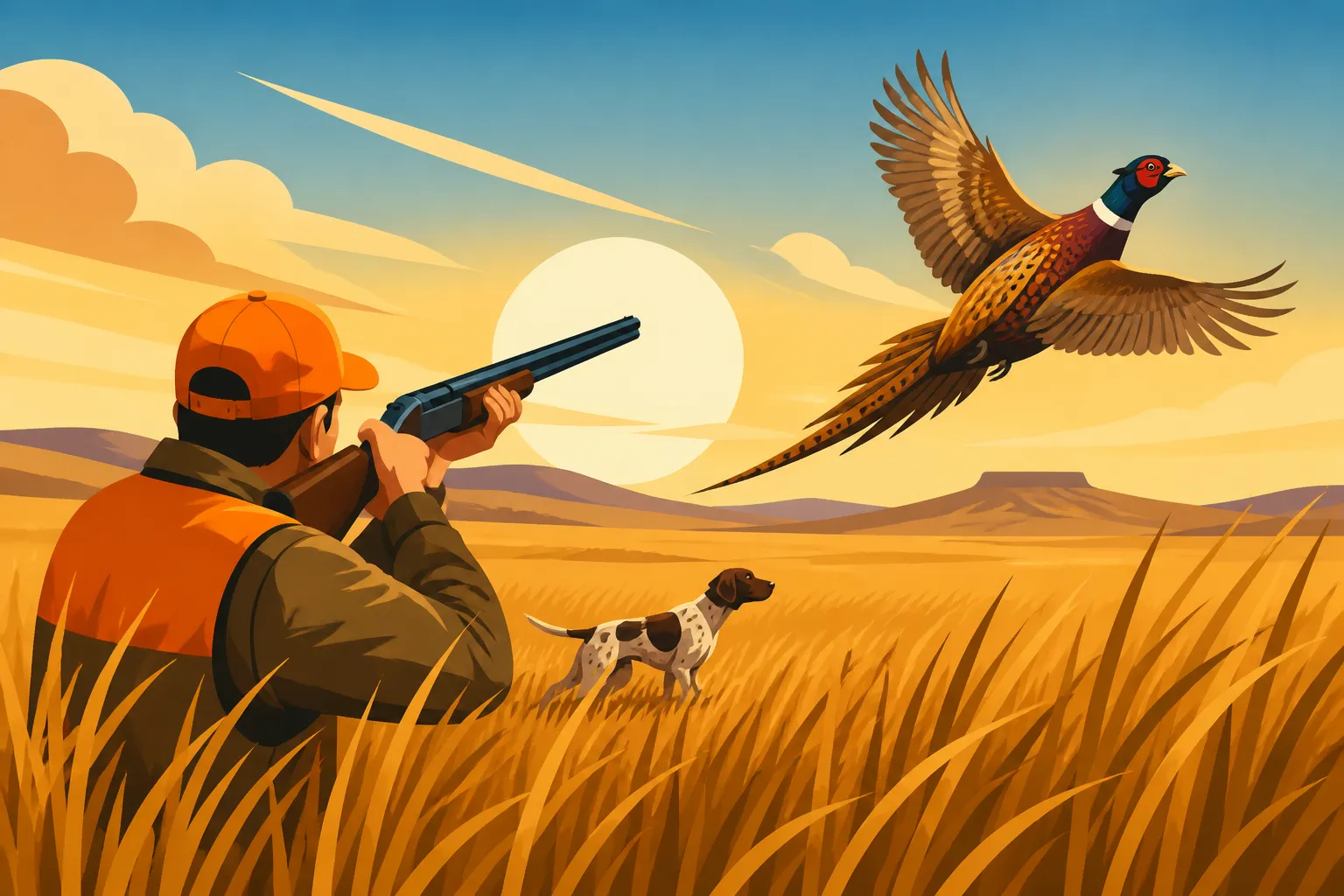
For many, Running Pointing Dogs on North Dakota Pheasant is the quintessential upland hunting experience. The sight of a dog locked on point, tail rigid, nose to the wind, is exhilarating. However, prairie pheasants can be notoriously difficult for pointing dogs due to their tendency to run.
- Wind Awareness: Always try to hunt into the wind. This allows your dog to pick up scent more effectively and helps the birds flush into the wind, often flying away from you.
- Containment: When a dog goes on point, quickly move to surround the bird if hunting with a group. This helps prevent the bird from running out the back door. Blockers positioned ahead can be invaluable.
- Aggressive Flushing: If a dog is on a "walking point" or trailing a running bird, be ready to move in quickly to flush. Sometimes, a quick, aggressive push is needed to get the bird to fly before it runs too far.
- Backup: Have a plan for retrieving. Even the best pointers appreciate a good retriever for downed birds, especially in thick cover.
Driving Field Edges and Cover Blocks
When hunting with a group, driving tactics can be incredibly effective, especially later in the season when birds are concentrated in heavier cover. This strategy involves assigning "drivers" to walk through a section of cover, pushing birds towards "blockers" strategically positioned at the other end.
- Shelterbelts: A classic drive involves walking a shelterbelt. Drivers walk the length of the shelterbelt, pushing birds out either side or, ideally, to the end where blockers are waiting. Communication is key to ensure safety and effective coverage.
- Cattail Sloughs: Large cattail sloughs can be driven similarly, though they are much tougher going. Blockers position themselves at the most likely escape routes.
- Standing Crops: Later in the season, particularly when other cover is gone, standing corn or sunflower fields can hold many birds. A well-organized drive through a portion of a standing crop field can be highly productive.
- Safety First: With any drive, safety is paramount. Maintain clear lines of communication, know where everyone is at all times, and always be aware of your muzzle direction. Ensure blockers are positioned safely, with clear shooting lanes and backdrops.
Navigating Licenses and Regulations for Nonresidents and Residents
Understanding North Dakota's hunting licenses and regulations is non-negotiable for a legal and enjoyable pheasant hunt. The rules can be intricate, particularly for nonresidents, so familiarizing yourself with them well in advance is crucial.
Understanding License Requirements and Costs
For residents, a general game and habitat license is the foundation, allowing you to purchase additional small game and upland bird licenses. Nonresidents, however, face specific requirements. The North Dakota Nonresident Small Game License Cost can be a significant part of your trip budget, but it grants you access to some of the best pheasant hunting in the country. This license typically covers small game, including pheasants, sharptail grouse, and Hungarian partridge.
It's important to check the North Dakota Game and Fish Department (NDGFD) website annually for the most up-to-date information, as regulations and prices can change. You can usually purchase licenses online through the NDGFD portal, and it's always advisable to carry physical proof of your license, even if you have it on your phone. All hunters, regardless of residency or age, must comply with North Dakota Hunter Education Requirements unless exempt by age or specific apprentice license rules.
Bag Limits, Possession Limits, and Shooting Hours
North Dakota sets clear bag limits (the number of birds you can harvest per day) and possession limits (the total number of birds you can have in your possession at any given time, including those at your lodging). These limits are in place to ensure sustainable populations and fair chase. For pheasants, the daily bag limit is typically three roosters, with a possession limit often set at twelve. Always verify these numbers with the current year's North Dakota Pheasant and Upland Season Rules booklet.
Shooting hours for upland game usually run from sunrise to sunset. This means you can't be out chasing birds at first light or after the sun has dipped below the horizon. Adhering strictly to these times is crucial for legal hunting and ethical considerations. Knowing these limits and hours ensures you stay within the law and contribute to the responsible management of the state's pheasant resource.
Special Considerations for Nonresidents
Nonresidents face a couple of unique rules that are vital to understand. First, nonresidents are typically restricted from hunting on any land owned or managed by the North Dakota Game and Fish Department (including WMAs, PLOTS, and state school lands) for the first seven days of the pheasant season. This restriction also applies to other public lands, such as federal Waterfowl Production Areas. This rule gives residents a priority during the initial, often most productive, part of the season.
However, nonresidents can hunt on private land during this period if they have secured explicit permission from the landowner. After this initial seven-day restriction, nonresidents have the same access rights to public lands as residents. This means planning your trip to start after the initial resident-only period is common for nonresident hunters aiming for public land. Organizations like GoHunt often have resources or community forums where nonresidents can discuss these restrictions and share experiences on how to best plan their trips. Additionally, be aware of blaze orange requirements, which are mandatory for all upland game hunters during the open pheasant season.
Post-Hunt Care and Trophy Preservation
The hunt doesn't end when the bird hits the ground. Proper post-hunt care ensures your harvest is respectfully treated, delicious on the dinner table, and, if you choose, beautifully preserved as a lasting memory.
Field Dressing and Bird Care
As soon as you retrieve a pheasant, proper field dressing is important, especially on warmer days. While not strictly necessary for taste, it helps cool the bird down and removes internal organs that can cause spoilage. Many hunters simply remove the guts, leaving the feathers on to protect the meat during transport. Some prefer to breast out the bird immediately, discarding the rest, but utilizing the legs and thighs offers more meat.
The goal is to cool the bird down as quickly as possible. If it's warm outside, place birds in a cooler with ice, but ensure they don't sit in melted water. If temperatures are cool, hanging birds in a cool, shaded area can be sufficient. Freezing birds whole (plucked or unplucked) for later processing is a common practice. Always handle game meat with clean hands and tools to prevent contamination.
Transporting Your Harvest
When transporting pheasants, especially across state lines, it's critical to be aware of regulations. North Dakota typically requires that at least one fully feathered wing remain attached to the bird until it reaches its final destination, usually your home or a meat processor. This allows game wardens to identify the species and determine its sex and count towards bag limits.
This rule is vital for compliance and prevents issues during inspections. For hunters leaving the state, it's also wise to check the regulations of any states you will be traveling through, as their rules regarding game transport might differ. Using robust coolers and plenty of ice ensures your birds remain in excellent condition throughout your journey, preserving the quality of the meat for cooking.
Preserving Your Bird for Taxidermy
If you've taken a particularly handsome rooster and wish to have it mounted, special care is required in the field. The priority is to minimize damage to the feathers and body. Avoid rough handling and try not to get the bird overly wet or bloody.
- Cooling: Cool the bird down, but do not gut it if you intend to mount it. The taxidermist will handle all internal work.
- Positioning: Gently smooth down any ruffled feathers.
- Wrapping: Carefully wrap the bird in newspaper or paper towels to protect the feathers, then place it in a plastic bag.
- Freezing: Freeze the bird as quickly as possible, ideally in an upright position or with feathers carefully arranged to prevent them from becoming permanently bent or creased. Place it gently in a chest freezer until you can get it to a qualified taxidermist.
- Consult a Taxidermist: It's always a good idea to speak with your chosen taxidermist before your hunt if you anticipate taking a trophy. They can provide specific instructions for field care that will ensure the best possible mount.
Maximizing Your North Dakota Pheasant Hunting Trip
A North Dakota pheasant hunt is often more than just a few days in the field; it's a full experience. Thinking beyond the actual hunting can help you create a more enjoyable and memorable trip.
Accommodations and Local Services
North Dakota offers a range of accommodations, from rustic cabins to full-service hunting lodges and standard hotels in towns like Bismarck, Fargo, or smaller communities like Hettinger or Mott. Many small towns in prime pheasant country cater specifically to hunters, offering amenities like dog kennels, bird cleaning stations, and early breakfast options.
Booking your lodging well in advance, especially for opening weekend or during peak season, is highly recommended. If you're bringing dogs, confirm that your chosen accommodation is dog-friendly. You'll also find local restaurants, gas stations, and small grocery stores in most hunting towns. Supporting these local businesses is a great way to show appreciation for their hospitality and the hunting opportunities they help provide.
Connecting with Local Expertise
While self-guided hunting is very popular in North Dakota, especially on PLOTS lands, don't underestimate the value of local knowledge. Chatting with locals at gas stations, diners, or sporting goods stores can sometimes yield invaluable insights into bird movements or productive areas. Local game wardens are also a great resource for understanding regulations and ethical hunting practices.
For hunters who prefer a more structured experience or want to maximize their chances, especially on private land, considering a guided hunt can be beneficial. North Dakota has many reputable outfitters who specialize in pheasant hunting, offering everything from day hunts to multi-day packages with lodging and meals. Websites like GoHunt often feature directories of vetted outfitters, reviews, and detailed information that can help you find a guide suited to your preferences and budget. They can often provide insights into bird concentrations that aren't readily available to the public.
Respecting Landowners and Ethical Hunting
The vast majority of North Dakota's pheasant habitat is on private land, and much of the public access, through PLOTS, relies on the goodwill of private landowners. Therefore, upholding the highest standards of ethical hunting and respect for private property is paramount. Always close gates, pack out all trash, avoid driving on wet or soft fields, and respect private land boundaries, even if you are on an adjacent PLOTS tract.
If you are hunting private land with permission, go the extra mile to thank the landowner and leave their property better than you found it. A small thank-you gift, a offer to help with a chore, or simply sharing some of your harvest can go a long way in fostering positive landowner relationships. Responsible hunting ensures continued access for future generations and maintains the excellent reputation of hunters in North Dakota. Remember, the privilege of hunting on this incredible prairie depends on every hunter being a good steward of the land and a respectful guest.
Table: North Dakota Pheasant Habitat & Hunting Tactics
| Habitat Type | Typical Location | Key Characteristics | Recommended Hunting Tactics | Dog Preference |
|---|---|---|---|---|
| CRP Grasslands | Large, open fields | Tall, dense grasses, often with subtle rolls | Walk in grids or sweeping lines, utilize blockers at ends | Pointers, Flushers |
| Cattail Sloughs/Wetlands | Low-lying areas, often near crop fields | Extremely dense cover, standing water possible | Aggressive pushes, often with multiple hunters; walk edges | Flushers, Retrievers |
| Shelterbelts/Tree Rows | Along field edges, farmsteads | Linear blocks of trees/shrubs, varying density | Walk one side towards blockers, or systematic drives with dogs | Flushers |
| Standing Corn/Sunflowers | Active agricultural fields (late season) | Tall, dense stalks offering food & thermal cover | Drives, especially in blocks; careful dog work in rows | Flushers, Retrievers |
| Small Grain Stubble | Recently harvested wheat, barley, oats | Low cover, prime feeding areas, especially mornings/evenings | Early morning/late evening hunts, fast-moving pushes | Pointers, Flushers |
| Roadside Ditches/Fencelines | Along rural roads, field boundaries | Linear strips of grass/brush, often overlooked | Quick walks along the edges, especially for scattered birds | Any |
Disclaimer
Hunting is an activity with inherent risks. Always prioritize safety, understand and follow all North Dakota Game and Fish Department regulations, and respect private property. The information provided in this guide is for informational purposes only and should not replace official regulations or professional instruction. Ensure all firearms are handled safely and responsibly.