Best North Dakota Ground for Public Land Waterfowl
Finding prime public land for waterfowl hunting in North Dakota can feel like searching for a needle in a haystack, especially with so much of the state being privately owned. The sheer vastness of the prairie, combined with an incredible abundance of wetlands, can make it overwhelming to pinpoint the truly productive spots without local knowledge or extensive scouting. This guide is here to cut through that confusion, helping you identify and strategize for the best public land opportunities to bag ducks and geese across North Dakota's renowned flyway.
Understanding North Dakota's Waterfowl Landscape
North Dakota isn't just a state; it's a critical component of the Central Flyway, a migration superhighway that funnels millions of ducks and geese through its borders each fall. This unique position, coupled with specific geographical features, creates an unparalleled waterfowl hunting experience. Before we dive into specific public land types, it's important to grasp the bigger picture of why North Dakota is such a magnet for these birds.
The Prairie Pothole Region: Nature's Nursery
At the heart of North Dakota's waterfowl empire lies the Prairie Pothole Region. This vast expanse of glaciated landscape, stretching across the eastern two-thirds of the state, is characterized by countless shallow depressions, or "potholes," that fill with water from spring thaws and rainfall. These potholes, ranging from small temporary puddles to large permanent wetlands, are absolute gold for breeding ducks. They provide abundant food sources, crucial nesting cover in the surrounding grasslands, and safe havens for broods.
As fall approaches, these potholes become vital staging areas for ducks and geese fattening up for their southward migration. The mix of wetlands and agricultural fields—corn, wheat, barley, and sunflowers—creates an irresistible buffet. Understanding that the density of these potholes directly correlates with duck production and migration patterns is key to successful hunting here. You'll often find birds using smaller, less obvious potholes that larger groups of hunters might overlook.
Major Lakes and Rivers: Migration Magnets
While the potholes are the bread and butter, North Dakota's larger water bodies also play a significant role in waterfowl movements. Lake Sakakawea, the massive reservoir on the Missouri River, and the expansive Devils Lake are particular standouts. These large, open waters serve as critical staging and roosting areas for vast numbers of ducks and geese, especially as the season progresses and smaller wetlands begin to freeze.
Ducks and geese will often utilize these big lakes for safety and rest, flying out to surrounding agricultural fields to feed during the day. The Missouri River itself acts as a natural migration corridor, drawing birds down its path. North Dakota Waterfowl on the Prairie Pothole Flyway highlights the importance of these areas. Hunting these larger water bodies often requires different tactics, like layout blinds on fields or divers on open water, compared to hunting smaller potholes. These locations can provide spectacular hunts, especially during peak migration flights, but can also be more susceptible to hunting pressure.
The Role of Public Land Programs: PLOTS and WPAs
Recognizing the immense value of its waterfowl resources, North Dakota has implemented robust public access programs that are a godsend for hunters without private land connections. The two primary programs you'll hear about most often are the PLOTS (Private Land Open To Sportsmen) program and the Waterfowl Production Areas (WPAs). These programs are specifically designed to provide opportunities where private land dominates the landscape.
The beauty of these programs is that they actively secure hunting access on lands that might otherwise be completely off-limits. They are a testament to the state's commitment to its hunting heritage. Understanding how to identify, access, and effectively hunt these designated public areas is fundamental to finding success on North Dakota's public waterfowl grounds. Without them, public land waterfowl hunting in the state would be a far more challenging endeavor.
Top Public Land Categories for Waterfowl Success
North Dakota offers a diverse array of public hunting opportunities, each with its own characteristics and best practices for waterfowl. Knowing the nuances of each type can significantly enhance your hunting strategy and success.
Waterfowl Production Areas (WPAs): Prime Duck and Goose Habitat
Waterfowl Production Areas are perhaps the most iconic public lands for duck and goose hunters in North Dakota. These lands are specifically managed by the U.S. Fish and Wildlife Service, often within the larger National Wildlife Refuge System, with the primary goal of conserving wetland and grassland habitat for nesting waterfowl. This means they are inherently designed to attract and hold birds.
WPAs typically feature a mosaic of shallow wetlands, cattail sloughs, and dense upland grasslands that provide excellent cover. They are absolute magnets for ducks during the early and mid-season, and many will hold good numbers of geese as well. Access is generally good, often with parking areas and clear boundaries. Hunting methods vary, but jump-shooting, setting up small decoy spreads in cattail edges, or hunting over water bodies are common. Remember, while WPAs are public, they do have specific rules, so always check the signage and regulations. Waterfowl Production Areas Explained provides a deeper dive into their management.
PLOTS (Private Land Open To Sportsmen) Tracts: Hidden Gems
The PLOTS program is a unique and incredibly valuable aspect of North Dakota hunting. It involves private landowners voluntarily opening their land to public hunting access in exchange for incentive payments and habitat assistance. For waterfowl hunters, these tracts can be absolute game-changers, offering access to wetlands and agricultural fields that would otherwise be inaccessible. Many PLOTS tracts are specifically managed or contain features that appeal to waterfowl.
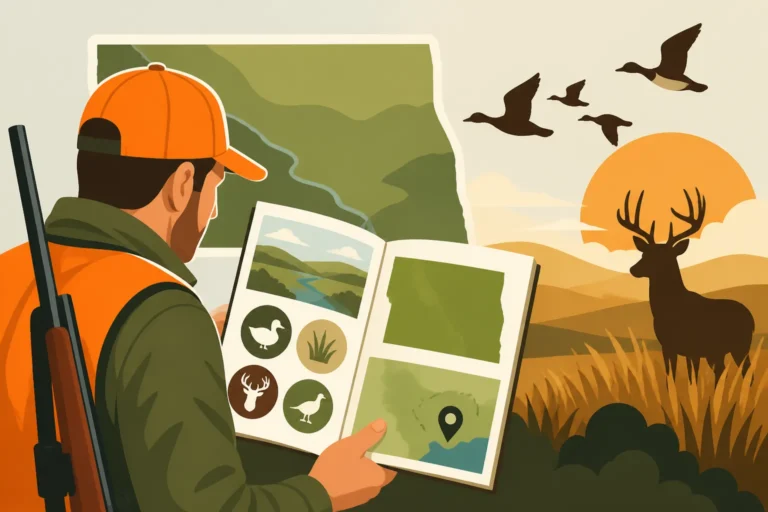
Finding productive PLOTS ground for waterfowl often requires a bit more legwork. You'll need to consult the annual PLOTS guide or use the Scouting PLOTS Land With the ND Hunt App to locate tracts. Pay close attention to aerial imagery to identify wetlands, sloughs, or unharvested crop fields within PLOTS boundaries. Remember that these are private lands, so always respect the landowner's property and adhere strictly to the posted rules, which may include restrictions on permanent blinds or vehicle access. How PLOTS Access Works details the process for hunters.
State School Lands and Other Public Lands: Don't Overlook Them
Beyond WPAs and PLOTS, North Dakota also has State School Lands and a smattering of other public land types that can offer waterfowl hunting opportunities. State School Lands are parcels of land managed by the Department of Trust Lands to generate revenue for schools. In most cases, these lands are open to public hunting unless specifically posted closed. They often consist of grassland pastures or agricultural fields, sometimes containing wetlands or adjacent to waterways that attract birds.
These lands can be overlooked by hunters focusing solely on WPAs or popular PLOTS tracts, which can sometimes mean less pressure. However, it's crucial to confirm their accessibility and boundary lines. Using digital mapping tools to identify these tracts and scout them, even virtually, before your hunt is highly recommended. Always check for any specific restrictions or closures, as these can vary. Other public lands might include smaller local or county parks, or even Army Corps of Engineers land around larger reservoirs, though these are less consistently managed for hunting access.
Strategies for Finding and Hunting Productive Public Waterfowl Ground
Successfully hunting North Dakota's public waterfowl lands isn't just about showing up; it's about smart planning, diligent scouting, and adapting to the ever-changing conditions of the prairie.
Digital Scouting and Mapping Tools
In today's hunting world, digital mapping tools are absolutely indispensable, especially when targeting public land waterfowl in North Dakota. Apps like onX Hunt are truly revolutionary for identifying public land boundaries, layering in satellite imagery to spot wetlands and crop fields, and even showing property lines for adjacent private land to ensure you're on legal ground. You can mark potential setup locations, identify access points, and plan your approach routes without ever setting foot in the field first.
A premium subscription to a service like GoHunt can further enhance your scouting capabilities by providing additional land data and insights. These tools allow you to zoom in on an area and quickly discern the difference between a dry depression and a cattail-choked slough, or a harvested field versus one with standing corn. They are invaluable for identifying overlooked potholes tucked away from roads or understanding the lay of the land within a larger WPA. By doing your homework digitally, you save precious time and effort in the field, increasing your odds of finding unpressured birds.
On-the-Ground Reconnaissance
While digital tools are powerful, nothing beats good old-fashioned on-the-ground scouting. Before opening day, or even during the season, driving section lines, glassing fields, and observing bird activity can reveal critical information. Look for feeding patterns: where are the birds flying from and to? Are they hitting a specific cut cornfield or a remote slough? Note traffic patterns – are there a lot of other hunters in the area?
Walk into potential hunting spots when possible, checking for fresh sign, water depth, and suitable cover. Identify good spots for setting decoys, hiding a blind, or jump-shooting. Don't be afraid to put some miles on your boots. The best public spots are often those that require a bit more effort to reach, meaning less competition. Pay attention to changes in water levels, which can dramatically alter how birds use a specific wetland.
Adapting to Conditions and Pressure
North Dakota weather is notoriously unpredictable, and bird movements are heavily influenced by it. Early season might see birds scattered across countless small potholes, while a hard freeze will concentrate them on larger, deeper bodies of water or river systems. Cold fronts often bring in new waves of migrating birds, offering fresh opportunities. Hunting After a Hard Prairie Winter can change everything.
Similarly, hunting pressure can significantly impact bird behavior. Popular public spots, especially those easily accessible, will get hit hard. If birds are being consistently pressured off a WPA, they'll likely move to quieter private land or more remote public areas. Be flexible. If your planned spot is crowded or the birds aren't there, have a backup plan. Don't be afraid to pack up and move to a different location, even if it means driving a few extra miles. The ability to adapt to current conditions and pressure is a hallmark of a successful public land waterfowl hunter in North Dakota.
Key Considerations for Public Land Waterfowling in North Dakota
Hunting waterfowl in North Dakota is an incredible experience, but it comes with responsibilities and specific requirements that every hunter must understand. Ignoring these can lead to frustration, missed opportunities, or worse, legal trouble.
License and Certification Requirements
Before you even think about setting foot on public land with your shotgun, ensure all your licenses and certifications are in order. Every waterfowl hunter in North Dakota, resident or nonresident, needs a general game and habitat license, a small game license, and a federal duck stamp. Additionally, you must possess a Harvest Information Program (HIP) certification, which helps wildlife agencies gather data on migratory bird harvests.
Nonresidents, especially, need to pay close attention to the specific rules regarding waterfowl. There can be specific zone restrictions and even certain days designated primarily for resident hunters. For instance, North Dakota's Nine Resident-Priority Waterfowl Days exist, so make sure your hunt dates align with nonresident access rules. Always carry proof of all your licenses and certifications with you in the field. Digital copies on your phone are often acceptable, but a physical backup is always a good idea in case of dead batteries or poor cell service.
Respecting Regulations and Ethics
North Dakota has specific regulations governing waterfowl hunting that go beyond just licenses. This includes bag limits for various species of ducks and geese, shooting hours (usually one-half hour before sunrise to sunset), and legal methods of take. While blaze orange is often required for other hunting seasons, it's generally not required for waterfowl hunting from a blind or in a marsh, but always verify current regulations.
Ethical hunting practices are paramount, especially on public land where you might encounter other hunters. This means retrieving all downed birds, picking up all spent shotgun shells, and leaving no trace behind. Respect other hunters' space; don't set up too close to another party, especially if they were there first. Understanding North Dakota Duck and Goose Bag Limits is crucial. Remember that hunting is a privilege, and demonstrating good sportsmanship helps preserve that privilege for everyone.
Weather and Migration Timing
The success of a North Dakota waterfowl hunt is often inextricably linked to the weather and the timing of the migration. Early in the season, local birds might be plentiful, but as the calendar turns to October and November, migratory birds from Canada begin to flood into the state. Cold fronts, particularly those that bring strong north winds, are often the catalyst for these massive pushes of birds.
Keep a close eye on weather forecasts and migration reports. A sudden drop in temperature, especially one that starts to freeze up smaller wetlands, will concentrate birds onto larger, open water bodies or agricultural fields where they can still feed. Understanding when the peak migration is happening for different species—like mallards versus divers, or Canada geese versus snow geese—can help you plan your trips for the best possible success. Duck Migration Timing Through North Dakota can vary year to year, so staying current with local reports is key.
| Public Land Type | Primary Waterfowl Species | Typical Habitat | Access & Pressure | Key Strategy |
|---|---|---|---|---|
| Waterfowl Production Area (WPA) | Ducks (all species), local geese | Potholes, cattail sloughs, grasslands | Generally good access, moderate to high pressure | Scout for remote potholes, use small spreads/jump-shoot |
| PLOTS (Private Land Open To Sportsmen) | Ducks, geese (field feeding) | Wetlands within crop fields, grass | Varies widely, can be lower pressure in remote spots | Digital scouting for wetlands/crops, respect landowner rules |
| State School Lands | Ducks, geese (pass-shooting, fields) | Grasslands, adjacent to water, dry crops | Varies, can be lower pressure if not obvious | Confirm legality, use digital maps, look for water sources |
| Large Lakes/Rivers | Divers, late-season geese | Open water, river channels, adjacent fields | Can be high pressure near access, requires specific gear | Decoy spreads for divers, layout blinds for field geese |
Disclaimer
This article is for general informational purposes only and does not constitute professional advice. Laws, prices and regulations vary by location and change over time. Consult a qualified professional for guidance on your specific situation.