Hunting After a Hard Prairie Winter
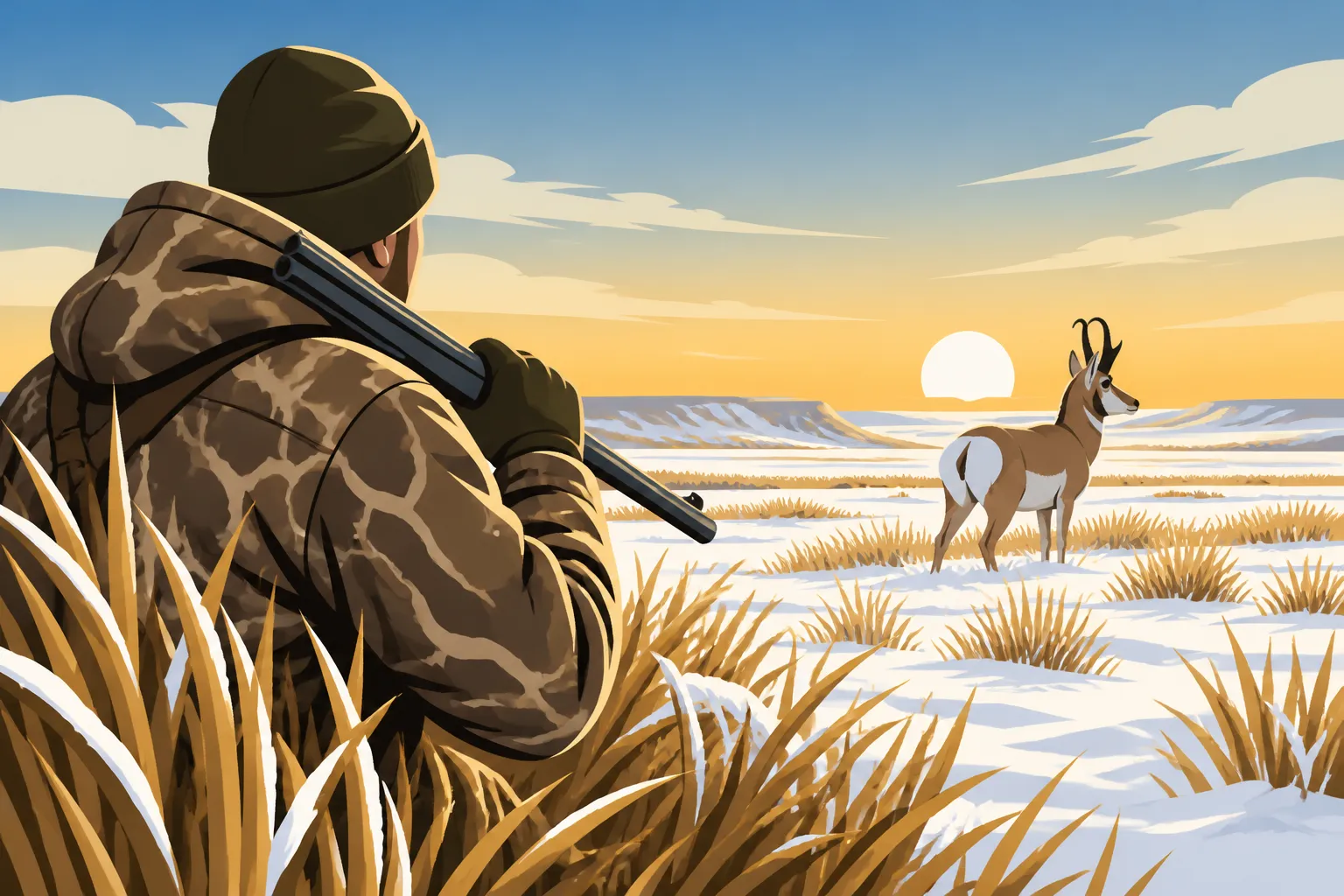
A tough North Dakota winter can truly test the mettle of our wildlife and, by extension, our hunting strategies. When the blizzards rage and the mercury plunges for weeks on end, we all hold our breath, knowing that these brutal conditions take a toll on the deer, pheasants, and other game we pursue. It's frustrating to invest so much time and effort into scouting and preparation, only to wonder how the animals you're chasing have fared. This guide is here to help you understand the impacts of a hard prairie winter and adapt your hunting methods to find success and respect the resilience of North Dakota's wildlife.
Understanding Winter's Toll on North Dakota Wildlife
A severe winter isn't just a nuisance for us; it's a life-or-death struggle for many of North Dakota's game animals. The cumulative effect of deep, persistent snow, extreme cold, and limited forage can drastically alter populations and behavior patterns for the upcoming season. It’s important to acknowledge this reality so we can adjust our expectations and tactics accordingly.
Deer: Survival, Stress, and Herd Dynamics
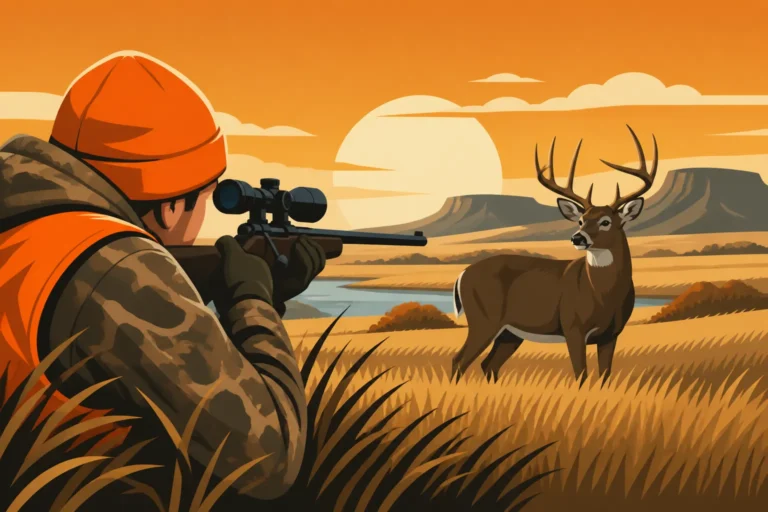
For both white-tailed deer and mule deer, a harsh winter can be absolutely devastating. Picture a whitetail trying to navigate chest-deep snow for weeks on end, expending precious energy just to move from one sparse patch of browse to another. Their fat reserves, built up painstakingly in the fall, dwindle rapidly, leading to poor body condition. This stress makes them more susceptible to disease and, tragically, direct winter kill. You might find a significant dip in the North Dakota Deer Population Estimate in the following year, particularly in units that experienced prolonged severe weather.
Beyond direct mortality, the survivors often enter spring in a weakened state. Does may struggle to carry fawns to term or produce enough milk to sustain them, impacting fawn recruitment for several years. For bucks, all that energy that would normally go into antler growth is instead diverted to basic survival and recovery, which can mean smaller racks in the fall. The North Dakota Buck-to-Doe Ratio by Region can also shift, as bucks, often pushing their limits during the rut, may enter winter with less stored energy and face higher mortality rates. You might notice them concentrated in the most sheltered areas, clinging to thermal cover for dear life, rather than spreading out as much.
Upland Birds: Pheasants, Grouse, and Partridge Challenges
Upland birds like ring-necked pheasants, sharptail grouse, and Hungarian partridge face their own unique set of struggles in a tough North Dakota winter. Deep, crusted snow can completely bury food sources, forcing birds to burn through fat reserves quickly or starve. Their roosting and escape cover, often vital cattail sloughs and dense shelterbelts, can become packed with snow, leaving them exposed to predators and the relentless cold.
The biggest long-term impact for upland birds, however, is often on spring nesting and brood rearing. Hens that survive the winter in poor condition may lay fewer eggs or start nesting later. If the subsequent spring is also cold and wet, chick survival can plummet. This double-whammy can lead to a noticeable decrease in the North Dakota Pheasant Population Estimate or the North Dakota Sharptail Grouse Population for the season, sometimes taking several years to fully recover. We saw this starkly after some brutal winters in the mid-2010s, where pheasant numbers dipped significantly until a few mild winters and good nesting seasons helped them rebound.
Waterfowl and Other Species Resilience
While ducks and geese migrate south to escape the worst of North Dakota's winter, resident Canada geese can tough it out on open water where currents keep ice from forming, though extreme cold can still push them further south. For those that stay, accessible food sources become critical. For other species, like coyotes, foxes, and other furbearers, a hard winter can actually be a boon, as vulnerable, weakened prey becomes easier to find.
However, even for these species, severe conditions can tighten their distribution, concentrating them around reliable food and cover. This can influence predator-prey dynamics and, in turn, affect game populations. It's a complex web, and winter is arguably the biggest yearly test for the entire ecosystem.
Pre-Season Scouting and Data Analysis
After a hard winter, your pre-season scouting takes on an even greater significance. You can't just rely on last year's hotspots; the landscape and the animals' habits might have shifted dramatically. This is where a blend of technology and old-fashioned boots-on-the-ground work really pays off.
Utilizing Technology and Historical Data
In today's hunting world, we're lucky to have incredible digital tools at our fingertips. This is where a robust platform like GoHunt can become an invaluable asset. Before you even set foot in the field, use its mapping features to re-evaluate potential hunting areas. Look for changes in agricultural practices that might create new food sources or eliminate old ones. Examine historical snowfall and temperature data for your specific units. GoHunt's data layers can sometimes reveal long-term weather patterns that might indicate which areas traditionally offer better winter cover or thermal protection, and thus, which areas might have seen better game survival.
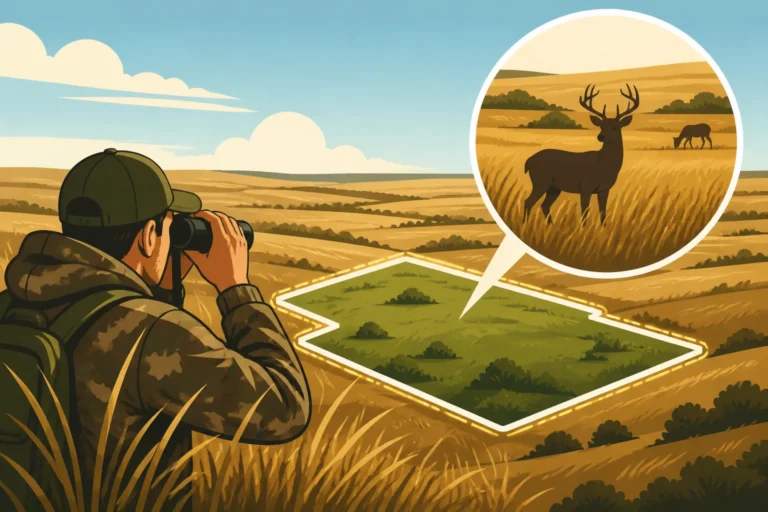
You'll also want to prioritize scouting tools like the ND Hunt App, especially for navigating Scouting PLOTS Land With the ND Hunt App. After a harsh winter, some PLOTS (Private Land Open To Sportsmen) fields might have changed hands or been managed differently. Checking the app for updated boundaries and access points is crucial, as is looking for areas that might have denser winter cover. These tools help you eliminate unproductive ground from your list before you burn fuel and time driving around.
Boots-on-the-Ground Reconnaissance
As helpful as technology is, nothing beats putting your boots on the ground. A post-winter scout should focus on confirming the effects you predicted based on your data analysis. Look for deer trails that were heavily used during the winter, indicating critical travel corridors to and from bedding and feeding areas. Pay close attention to south-facing slopes, dense cedar thickets, or deep river bottoms that offer superior thermal cover. You might see more deer in these areas simply because they offered the best chance of survival.
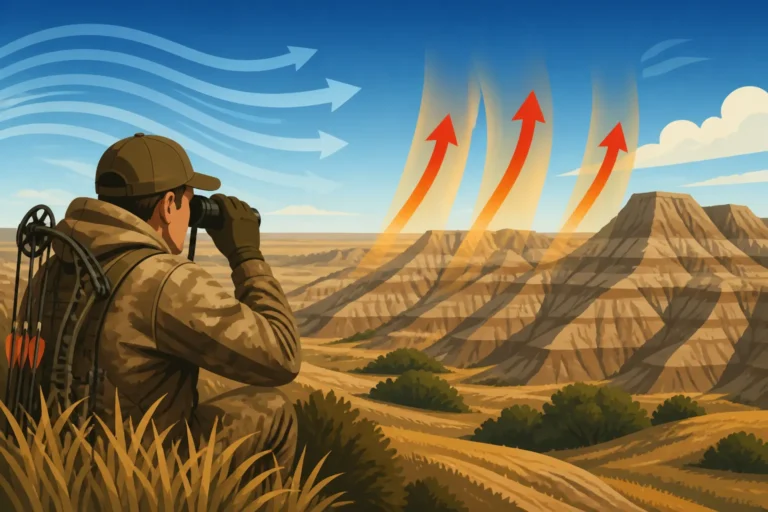
For pheasants, focus on the thickest, nastiest cover you can find – heavy cattail sloughs, dense brush, and unharvested standing crops. These areas would have provided the most protection from both cold and predators. While Reading Aerial Photos for Badlands Deer is always good, physically walking those draws and coulees can tell you if deer found enough forage to survive, or if the browse was completely hammered, forcing them to move elsewhere. Look for evidence of browsing, droppings, and fresh tracks as spring green-up begins. This ground-truthing is absolutely essential to formulate a successful plan.
Adapting Your In-Season Hunting Strategies
Once the season arrives, hunting after a hard winter often means throwing out your "normal" playbook. Game animals are living beings, and their instincts will drive them to prioritize survival after such a taxing period. Our strategies need to reflect that.
Focusing on Survival Features: Food, Cover, and Water
The core elements of a game animal's existence – food, cover, and water – become even more critical after a hard winter. Animals, especially deer, are simply trying to make a living, conserving energy and seeking out the most accessible, high-energy food sources. This means your focus should shift dramatically towards these critical resources. Think about Late-Season Food Sources for North Dakota Whitetails early in the season, not just when the snow flies. These might include standing beans, corn, unharvested sunflowers, or even alfalfa fields that provide some residual forage.
For upland birds, dense cover is king. The thicker the cattails, the denser the shelterbelt, the better the odds of finding birds that survived the cold and predators. These areas offer both protection from the elements and a place to hide. Don't be afraid to work these areas slowly and thoroughly, as birds might be holding tighter than usual. Water sources, even small ones, can also act as magnets for all types of game.
Adjusting Pressure and Timing
Another critical adjustment is how you think about hunting pressure and timing. Animals that have just endured a brutal winter are often more wary and may not tolerate much disturbance. Over-pressuring a limited resource area could push them out of a crucial survival zone. Consider reducing pressure on opening weekend, giving animals a chance to settle into their fall patterns without immediate stress.
You might also find that movement patterns shift. In colder weather, especially early in the season, animals might move more at midday to feed or soak up what little warmth the sun offers. Instead of focusing solely on dawn and dusk, consider mid-day hunts, especially if you're targeting areas with good thermal cover and food. Always be mindful of the wind, as animals will use it to their advantage to detect danger, especially when their numbers might be lower.
Here's a quick table summarizing some key adjustments:
| Game Species | Typical Winter Impact | Strategy Adjustment Post-Hard Winter |
|---|---|---|
| Whitetail Deer | Increased winter kill, poor body condition, reduced fawn recruitment, concentrated in thermal cover. | Focus on dense thermal cover (cedars, thick river bottoms, south-facing slopes) and high-energy food sources (corn, beans). Hunt mid-day more often. |
| Mule Deer | Limited forage in Badlands, concentrated in sheltered draws and coulees. Increased mortality. | Target deep, brushy coulees and draws. Use patient glassing to locate bedded deer. Prioritize thermal refuge. |
| Pheasants | Lack of winter cover (snow depth), starvation, reduced breeding success in spring. | Work thicker, secure cover (heavy cattails, dense shelterbelts, standing crops) slowly and methodically. Birds will hold tight. |
| Sharptail Grouse | Food scarcity, vulnerability to predators in open areas, concentrated in deep draws/brush. | Focus on mixed-grass prairie with good brush cover, sheltered coulees. Hunt edges between cover and food. |
| Wild Turkeys | Roosting cover critical, food under deep snow causes stress, localized declines. | Hunt timbered river bottoms or dense shelterbelts with available food. Focus on known roosts and listen for soft calling. |
Targeting Specific Game with Revised Tactics
Let's dive a bit deeper into how you might approach individual species:
-
Deer: Forget wide-open cruising. After a tough winter, surviving deer will be extremely concentrated in the best cover available. Think small, dense pockets of timber, deep draws with heavy brush, or thick shelterbelts that offer both protection and food. If you're hunting in river bottoms, understanding Grunt Calls in River Bottom Timber becomes even more critical, as deer might be less vocal but still respond to familiar sounds from within their secure sanctuaries. They'll likely be moving to feed, so setting up on trails leading from bedding to those high-energy food sources is paramount. Use your GoHunt app to identify the densest cover adjacent to agricultural fields.
-
Pheasant: This isn't the year for casual strolls through sparse cover. You need to work the thickest, nastiest stuff you can find. This includes dense cattail sloughs, heavy willow thickets, and mature shelterbelts. When Working a Shelterbelt for Roosters, go slow, be thorough, and expect birds to hold tight. They've learned to evade danger, and their survival instincts will be heightened. Consider hunting later in the day when temperatures are warmer and birds might be moving more actively to feed. Multiple passes through these prime areas, or even small drives with a couple of hunters, can be effective.
-
Waterfowl: While many ducks and geese migrate, resident populations still feel the impact. Focus on fields with waste grain, especially if they offer some standing cover, like Hunting Standing Corn for Late-Season Geese. Look for any remaining open water, even small sloughs or dugouts, as these will be prime resting spots. Adapt your decoy spreads to reflect potentially smaller flock sizes and greater wariness. Scouting frequently to find where birds are actively feeding will be key. For migrating birds later in the fall, look for staging areas with abundant food.
Post-Harvest Considerations and Ethical Responsibility
Ultimately, hunting after a hard prairie winter is about more than just filling your tag. It's about respecting the resilience of the animals and doing our part as conservationists.
Respecting the Resource and Reporting Observations
If you're out in the field and encounter animals that are visibly stressed, extremely thin, or otherwise in poor condition, consider passing on the shot. It's a tough decision, but sometimes the most ethical choice is to let a struggling animal live, especially if it's a doe that might still contribute to herd recovery. We want to harvest healthy animals, and after a severe winter, there may be some that just aren't in good shape.
It's also important to report any significant observations to the North Dakota Game and Fish Department. If you come across evidence of widespread winter kill, or see unusually high concentrations of stressed animals, that information helps the department assess populations and make informed management decisions for future seasons. Your eyes in the field are valuable data points.
Supporting Habitat and Conservation Efforts
Finally, after a hard winter, it becomes even clearer how critical quality habitat is. Supporting conservation organizations and programs that provide vital winter cover, thermal protection, and food plots can make a real difference in how well animals endure these challenging periods. Things like CRP (Conservation Reserve Program) acres, shelterbelt plantings, and food plots on PLOTS lands or private ground are literally lifelines. As hunters, we have a responsibility to contribute to these efforts, ensuring that North Dakota's wildlife can continue to thrive, even when the prairie throws its worst at them.
Disclaimer
Always check the latest North Dakota Game and Fish Department regulations before heading afield, as rules and season dates can change. This guide provides general information and recommendations, but it is your responsibility to be aware of and comply with all current hunting laws and regulations.