Best North Dakota Ground for Public Land Elk
Drawing a North Dakota elk tag is truly a once-in-a-lifetime experience for many hunters, a dream come true after years in the lottery. But once that coveted tag is in hand, the real work begins: figuring out where on earth you’re actually going to find these elusive giants, especially on public land. It can feel overwhelming, like searching for a needle in a haystack across vast, rugged landscapes. This guide is dedicated to helping you pinpoint the best public land opportunities for elk in North Dakota, equipping you with the knowledge and strategies to make your incredible tag a success story.
Understanding North Dakota's Unique Elk Landscape
Elk hunting in North Dakota isn't like hunting in the Rockies. It's a much more intimate, localized affair, dictated by very specific habitat and a smaller, but growing, population of animals. The frustrations of drawing a tag only to feel lost on where to even start scouting are entirely valid, and we're here to help demystify it.
The Rarity of a North Dakota Elk Tag
First, let's acknowledge the elephant in the room: actually drawing an elk tag in North Dakota is incredibly difficult. The state issues a limited number of tags each year, often just over a thousand statewide, with specific units targeting different populations. For many, applying year after year is a ritual, filled with hope and often disappointment. When that draw finally hits, it's a huge deal, and the pressure to make the most of it is immense. You've earned this, and now it's time to strategize. North Dakota's Once-in-a-Lifetime Big Game Licenses
Where North Dakota Elk Truly Live
The vast majority of North Dakota's elk population resides in the western part of the state, primarily within the rugged, broken terrain of the Little Missouri Badlands. This dramatic landscape, carved by eons of erosion, offers the perfect blend of dense cover in the draws, open grasslands for grazing, and critical water sources. These are not flatland elk; they are animals adapted to steep climbs and deep coulees. They stick to areas with ample seclusion and can disappear into the landscape with surprising ease. Understanding this geographical concentration is your first and most critical step in successful public land elk hunting. How Elk Returned to the Badlands
The Public Land Predicament for Elk Hunters
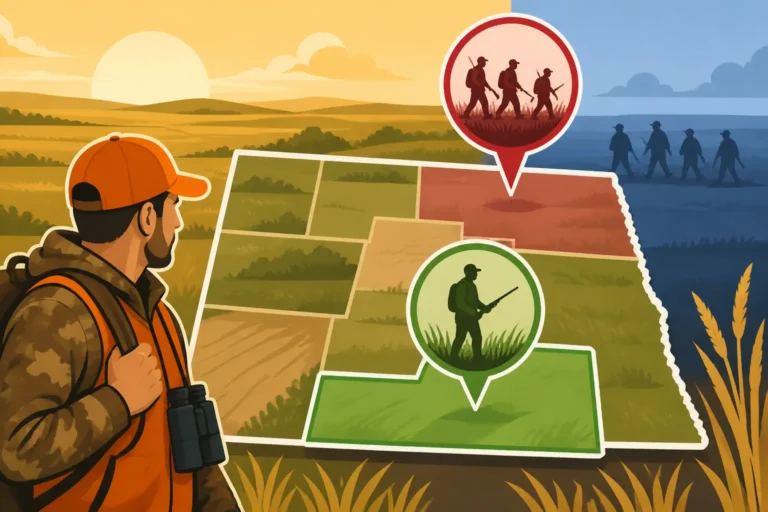
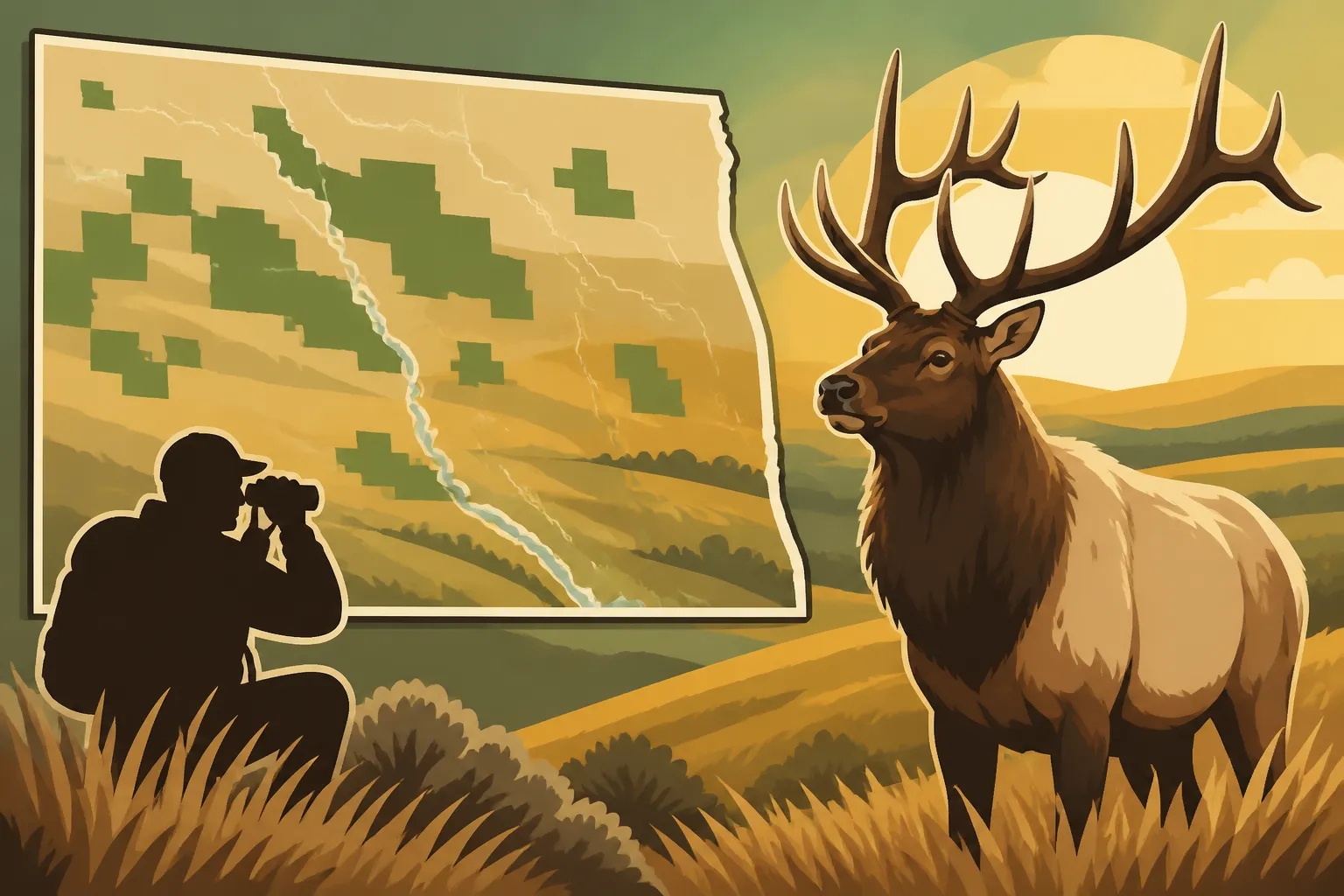
Even within these elk-rich units, navigating public land can be tricky. While North Dakota has substantial public acreage, it's often fragmented, with private land interspersed throughout. It's not always neatly blocked out, which means you might find prime elk habitat, only to realize a crucial bedding area or escape route is on private property. This creates a genuine challenge for public land hunters, requiring diligent e-scouting and on-the-ground reconnaissance to ensure you're always on legal ground and can effectively pursue elk.
Key Public Land Opportunities for North Dakota Elk
When you get that precious elk tag, your mind immediately goes to vast, untamed wilderness. In North Dakota, while we might not have mountains, we have areas that feel just as wild and remote, offering incredible public land opportunities for elk.
Little Missouri National Grassland: The Elk Stronghold
Without a doubt, the Little Missouri National Grassland is the premier public land destination for North Dakota elk. Spanning across several counties in the western part of the state, this massive federal holding offers hundreds of thousands of acres of accessible terrain. It's not all uniform; you'll find everything from deep, timbered coulees and brushy draws to expansive plateaus and rolling grasslands. Elk often utilize the steepest, most rugged parts of the Badlands, finding sanctuary in the thick juniper and cedar breaks.
The sheer size of the Grassland means less pressure in many areas, particularly the farther you're willing to walk from road access. Don't be afraid to put on miles, as the biggest bulls often hold up in these more remote pockets. Look for areas with a good mix of thick cover, especially north-facing slopes that retain moisture and offer shade, alongside grassy benches for feeding. The Little Missouri River itself and its tributaries carve out significant drainages, providing crucial water and travel corridors for elk. Studying topographical maps and satellite imagery is absolutely vital here to identify key features like hidden springs, isolated stands of trees, and natural funnels. Hunting North Dakota's Little Missouri National Grassland
State School Land: Underrated Elk Access
Many hunters overlook State School Land as prime public hunting ground, but for elk, these scattered sections can be goldmines. These are typically one-square-mile sections (640 acres) that were granted to the state to generate revenue for education. They are often indistinguishable from adjacent private land but are indeed open to public hunting unless specifically posted otherwise (which is rare for school land).
The key here is identification. You absolutely need a reliable mapping app like onX Hunt to clearly delineate these parcels. Elk don't care about property lines; they use the best habitat available. Sometimes, a school section might encompass a perfect piece of a large coulee system, a critical water source, or a secluded timber patch that provides refuge. These sections can act as public access points into larger, otherwise private areas, or as isolated islands of habitat that elk use for quick retreats. Always double-check signage and land boundaries before you step foot on any piece of property. Hunting State School Land in North Dakota
PLOTS Land for Potential Elk Encounters
North Dakota's PLOTS (Private Land Open To Sportsmen) program is fantastic for many species, particularly upland birds and deer. While not specifically designed for elk, some PLOTS tracts, by virtue of their location, can offer elk hunting opportunities, especially in units that border or contain known elk habitat.
These tracts are private lands where landowners receive incentives to allow public hunting. They are clearly marked with distinctive yellow triangular signs. When you've drawn an elk tag, it's worth cross-referencing the PLOTS guide (available online and sometimes in print) with your specific elk unit map. You might find a PLOTS tract that abuts the National Grassland, contains a river bottom, or encompasses a critical travel corridor that elk use. Don't expect to find massive, dedicated elk habitat within every PLOTS parcel, but view them as potential access points or supplementary hunting grounds that could surprise you with an elk encounter. The PLOTS Program Explained
Strategies for Locating Elk on North Dakota Public Land
Finding elk, especially on public land where other hunters might be present, requires more than just showing up. It demands a systematic approach, combining modern technology with traditional scouting methods.
Pre-Season Scouting and E-Scouting Essentials
Your most powerful tools for finding public land elk are pre-season scouting and sophisticated e-scouting. The Badlands are vast, and you can't walk every mile. This is where applications like onX Hunt become indispensable. With onX Hunt, you can meticulously analyze land ownership, identify public parcels, study topographical features, and pinpoint potential elk hotspots from the comfort of your home. Look for:
- North-facing slopes: These often hold more moisture, leading to thicker vegetation and cooler bedding areas, especially important during warmer early season hunts.
- Water sources: Identify springs, stock ponds, or stretches of river. Elk need water daily.
- Thick cover: Juniper breaks, cedar pockets, and deep coulees offer concealment.
- Isolated plateaus: Elk will often feed on high plateaus at night and drop into heavy cover during the day.
- Remote access points: Mark areas far from main roads where hunting pressure is likely to be lighter.
Overlaying different map layers – topo, satellite, government land – will reveal crucial details. Websites like GoHunt can also provide valuable unit-specific information, including harvest data and population trends, which can help you prioritize where to focus your efforts within your permitted unit. Remember, elk are creatures of habit, and thorough e-scouting can save you countless hours of unproductive walking.
Focusing on Water Sources and Cover in the Badlands
In an arid landscape like the North Dakota Badlands, water is life, and elk are never far from it. Identifying perennial springs, dugouts, and reliable stretches of the Little Missouri River or its feeder creeks is paramount. Elk will often bed in the thickest cover nearby, especially during daylight hours, only venturing out to feed and drink.
Look for signs of elk activity around these water sources: tracks in the mud, fresh droppings, and rubbed trees. During warmer periods, these areas will be especially critical. Also pay close attention to the wind and thermals in this broken terrain. Wind and Thermals in Badlands Terrain Elk have an incredible sense of smell, and understanding how air currents move through coulees and over ridges can be the difference between a successful stalk and an elk busting out before you even know they're there. They'll often bed where they can smell danger from below and visually scan above, or vice-versa depending on the wind.
Hunting Pressure and Remote Access Tactics
North Dakota elk tags are limited, but public land hunters still concentrate in easier-to-access areas. Elk, being intelligent and wary animals, will quickly learn to avoid these spots. Your best bet for finding unpressured elk on public land, particularly on the Little Missouri National Grassland, is to embrace the grind and commit to hiking deep into less accessible areas.
This might mean walking several miles from the nearest road or even utilizing pack animals if your hunt logistics allow. Look for areas that require navigating tough terrain, crossing deep coulees, or negotiating dense brush. These are the places where elk feel safe and are more likely to exhibit natural behavior during hunting season. Use your onX Hunt app to identify remote access roads or trails that others might overlook, or simply pick a point and start walking, knowing that every mile you gain on others increases your odds. Hunting Pressure on North Dakota Public Land
Practical Considerations for North Dakota Public Land Elk Hunters
Hunting elk in the Badlands of North Dakota isn't just about finding the animals; it's about being prepared for the environment and the unique challenges it presents.
Physical Demands of the Badlands Terrain
The North Dakota Badlands, while not towering mountains, are incredibly rugged. The terrain consists of steep, often slippery clay hills, deep coulees, and thick, unforgiving brush. Hiking in these conditions, especially while carrying hunting gear or, hopefully, packing out elk meat, is physically demanding. You’ll be traversing significant elevation changes, even if the overall altitude isn't high.
Start your physical conditioning well in advance of your hunt. Focus on cardiovascular endurance, leg strength, and carrying weight. Practice hiking with your pack on uneven ground. Being in good shape won't just increase your chances of getting to elk; it will make the entire experience more enjoyable and safer. Don't underestimate the Badlands; they will test your stamina. Physical Prep for Badlands Elk Terrain
Essential Packing for Badlands Elk Hunts
A well-packed bag is crucial for any elk hunt, especially when you're likely to be miles from your vehicle. Beyond your hunting weapon and ammunition, consider these essentials:
- Navigation: A reliable GPS device or a smartphone with a robust mapping app like
onX Hunt(with downloaded offline maps) is non-negotiable. A physical compass and map are excellent backups. - Water: Carry more water than you think you'll need, or a reliable water filter/purifier if you plan to access natural sources. The Badlands can be dry.
- First-Aid Kit: Comprehensive enough for cuts, scrapes, blisters, and minor emergencies.
- Optics: High-quality binoculars and a spotting scope are critical for glassing vast expanses of the Badlands from a distance.
- Game Processing Tools: Sharp knives, game bags, and a bone saw. You'll likely be processing your elk in the field.
- Layered Clothing: North Dakota weather is famously unpredictable. Be prepared for everything from warm sunshine to freezing winds and even snow, sometimes all in the same day.
- Headlamp/Flashlight: With extra batteries.
- Emergency Shelter/Fire Starter: Just in case an unexpected situation forces you to stay out longer than planned.
Preparing for a multi-day backcountry elk hunt requires careful thought and planning. Packing for an Eight-Day North Dakota Elk Hunt
Respecting Landowners and Boundaries
Even when hunting public land, you'll often be adjacent to private property. Respecting private land boundaries is not just good ethics; it's the law. Always be aware of where you are, using your mapping tools constantly. Do not trespass, even if an elk runs onto private land. If you need to retrieve game from private land, you must obtain permission from the landowner before you step foot on their property. Building good relationships with landowners in the area, even if you're primarily hunting public ground, can sometimes open doors or at least prevent misunderstandings. A little courtesy goes a long way.
Comparing Public Land Elk Hunting Options
To help you visualize the different public land options for elk in North Dakota, here's a quick comparison:
| Public Land Type | Primary Location | Key Features for Elk | Pros | Cons |
|---|---|---|---|---|
| Little Missouri National Grassland | Western Badlands counties | Vast, rugged coulees, juniper breaks, water sources | Extensive acreage, remote areas, higher elk density | Physically demanding, can be crowded near access points |
| State School Land | Scattered statewide | Often blends into surrounding habitat, diverse cover | Can offer isolated pockets of prime habitat/access | Fragmented, requires precise mapping to identify |
| PLOTS Land | Scattered statewide | Variety of cover depending on landowner enrollment | Clearly marked, some may overlap with elk range | Primarily geared for small game/deer, less consistent elk habitat |
Disclaimer
This article is for general informational purposes only and does not constitute professional advice. Laws, prices and regulations vary by location and change over time. Consult a qualified professional for guidance on your specific situation.