Public Ground Near Valley City
Hunting near Valley City, North Dakota, can feel like a real puzzle. Unlike the vast, sprawling national grasslands in the west, public hunting opportunities in the Sheyenne River Valley region often consist of smaller, more fragmented parcels interspersed within a sea of private agricultural land. It can be incredibly frustrating to drive past prime-looking habitat only to find "No Trespassing" signs. This guide is here to help you unravel that puzzle, focusing on how to identify, access, and successfully hunt the public grounds available to you around Valley City, transforming that frustration into a fulfilling experience.
Understanding the Unique Landscape Around Valley City
Valley City is nestled in a fascinating ecological transition zone in North Dakota. It's not quite the rugged Badlands, nor is it entirely the vast, flat Red River Valley. Instead, you'll find a blend of fertile river bottomlands, rolling prairie hills, scattered timber, and an abundance of small wetlands known as prairie potholes. This mosaic landscape, largely shaped by ancient glaciers, creates a diverse habitat, but also makes public land hunting a unique challenge.
The Sheyenne River Corridor
The Sheyenne River winds its way through Valley City, creating a ribbon of invaluable habitat. This river corridor, with its mature timber stands, dense brush, and adjacent agricultural fields, acts as a major artery for wildlife. Whitetail deer especially thrive here, finding cover, food, and water readily available. While much of this land is private, pockets of public access along the river, often through state-owned lands or specific PLOTS tracts, can be goldmines. Learning to read these river bottoms for deer movement is a skill that pays dividends. Reading a Missouri River Bottom for Deer is a great resource for understanding how deer use these linear habitats, a skill that translates well to the Sheyenne.
These riverine habitats are also critical for turkeys, especially during the fall. They provide roosting trees and diverse forage. While not as numerous as in other parts of the state, finding a small flock along the Sheyenne can make for an exciting Calling a Fall Gobbler Flock experience.
Prairie Potholes and Agricultural Interfaces
Beyond the river, the landscape around Valley City quickly opens up to a mix of cultivated fields and native prairie, punctuated by countless temporary and permanent wetlands – the iconic prairie potholes. This is prime pheasant and waterfowl country. The challenge is that most of the land here is intensely farmed. Public hunting opportunities often exist on smaller parcels, such as Waterfowl Production Areas (WPAs), State School Lands, or PLOTS tracts specifically enrolled for upland birds or waterfowl.
Imagine driving down a section line, seeing ducks trading overhead and pheasants flushing from a cattail slough, only to realize it's all private. That's the Valley City experience for many. But with careful planning and the right tools, those public islands can be incredibly productive. These interfaces where crops meet native grass or small wetlands are magnets for game, drawing them in for food and cover.
Navigating Public Land Access Near Valley City
Finding public land in the Valley City area requires a methodical approach. It’s not about stumbling onto huge tracts; it’s about identifying and meticulously scouting smaller, often overlooked parcels. Patience and good mapping tools are your best friends here.
The PLOTS Program: Your Primary Access Point
North Dakota's Private Land Open To Sportsmen (PLOTS) program is, without a doubt, your most important resource for public access around Valley City. These are private lands where landowners have voluntarily opened their property to public hunting in exchange for an incentive. PLOTS tracts can vary wildly in size and habitat, from small shelterbelts to large blocks of CRP grass or wetland complexes.
The North Dakota Game and Fish Department (NDGFD) publishes an annual PLOTS guide booklet and maintains an excellent online map and app. You absolutely need to use these. I recommend downloading the app and saving maps for offline use, because cell service can be spotty in some of these more remote areas. When you're driving around Valley City, you'll see distinctive yellow PLOTS signs. These clearly mark the boundaries and indicate what activities are allowed. Always respect the specific rules posted on each sign, as they can sometimes differ. Reading a PLOTS Sign Correctly is crucial for avoiding any misunderstandings.
Many PLOTS tracts around Valley City will be small, perhaps a 40 or 80-acre block of grass, or a section of a larger field left unharvested for wildlife. Don't discount these smaller parcels. Often, hunters drive right past them looking for something bigger, meaning less pressure for those willing to work them.
State School Lands and Wildlife Management Areas
Beyond PLOTS, keep an eye out for State School Lands. These are typically marked with yellow signs that say "State Land" and are open to hunting unless otherwise posted. Their habitat can vary greatly – some are native prairie, some are grazed pastures, and some might even have small wetlands. They are often overlooked compared to PLOTS, offering potentially quieter hunting.
Wildlife Management Areas (WMAs) are also critical, though fewer and smaller near Valley City compared to other regions of the state. These are lands specifically acquired and managed by the NDGFD for wildlife habitat and public recreation, including hunting. WMAs often provide higher quality habitat and can concentrate game, but they also tend to see higher hunter pressure, especially on opening weekends. You'll need to check the NDGFD website for specific WMA locations and rules, as some may have unique regulations.
Utilizing Modern Mapping Technology
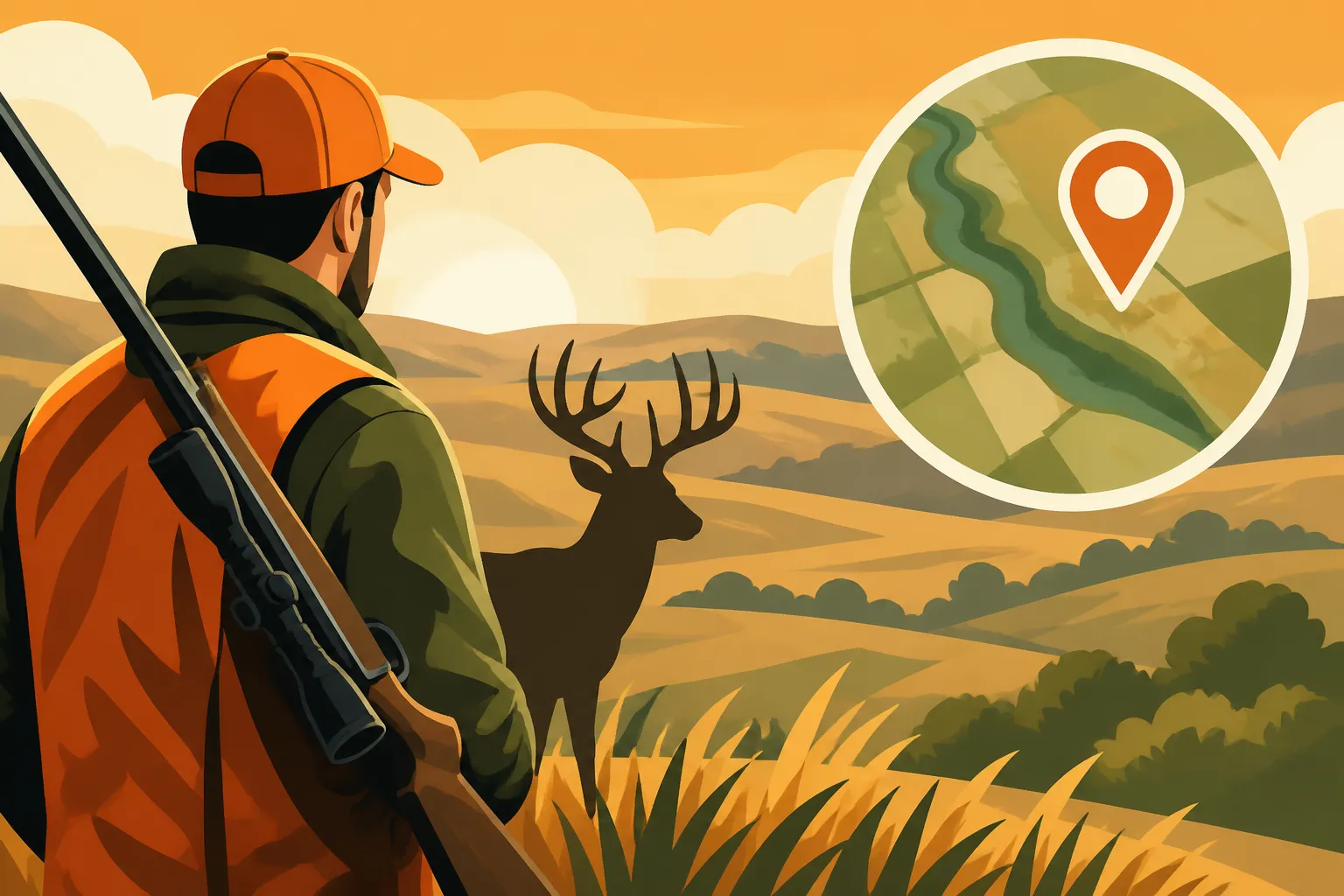
Modern mapping apps like onX Hunt have revolutionized public land hunting. Before you even leave home, you can layer public land boundaries, satellite imagery, and topography to identify potential hotspots. With onX Hunt, you can zoom in on a PLOTS tract near Valley City and identify the exact boundaries, see where the thickest cover is, pinpoint a cattail slough perfect for waterfowl, or locate a hidden draw that might hold a mature whitetail buck. Scouting PLOTS Land With the ND Hunt App covers many of the principles you'll use with onX Hunt as well.
I often use onX Hunt to mark parking spots, potential entry routes that keep me out of sight, and specific coverts I want to investigate on foot. It’s a game-changer for efficiently scouting and hunting fragmented public parcels. Another fantastic resource for planning and even finding more overlooked opportunities is GoHunt, which provides detailed insights and mapping capabilities that can help you prioritize your efforts in areas that might get less pressure.
| Public Land Type | Typical Size (Near Valley City) | Primary Game Species | Key Features & Considerations |
|---|---|---|---|
| PLOTS | Small to Medium (40-320 acres) | Deer, Pheasant, Waterfowl, Partridge | Varies greatly; check specific signs for rules; often agricultural interface. |
| State School Land | Quarter Section (160 acres) | Deer, Pheasant, Partridge, Waterfowl | Open unless posted otherwise; habitat varies; less hunter pressure. |
| Wildlife Management Areas | Medium to Large (200+ acres) | Deer, Pheasant, Waterfowl, Partridge | Managed for wildlife; higher habitat quality; can see more pressure. |
Key Species to Target on Valley City Public Ground
The diverse landscape around Valley City means you can enjoy a variety of hunting experiences, from chasing big game to flushing upland birds and decoying waterfowl. Knowing what to expect for each species on public land is key to planning a successful hunt.
Whitetail Deer: The River Bottom and Shelterbelt Magnets
Whitetail deer are by far the most prevalent big game animal you'll encounter on public land around Valley City. As mentioned, the Sheyenne River corridor is prime whitetail habitat, but smaller timber pockets, brushy draws, and mature shelterbelts on PLOTS land or State School Lands can also hold deer.
On these smaller public parcels, understanding deer movement patterns is paramount. Look for pinch points where cover narrows, natural funnels between fields and bedding areas, and fresh tracks along field edges. Deer often use the edges of standing corn or sunflower fields for cover, moving into adjacent timber or brush during the day. Hunting a Standing Corn Field for Deer offers insights into how these agricultural fields can be crucial for deer, especially late in the season. During the gun season, these smaller blocks can be quickly pressured, making early morning and late evening hunts, or hunting during the week, particularly effective. Consider a ground blind in these smaller areas for less disturbance. Using a Ground Blind on PLOTS Land can give you an edge.
Pheasant and Hungarian Partridge: Walking the Edges
For upland bird enthusiasts, the Valley City area offers good opportunities for pheasants and Hungarian partridge, particularly on PLOTS and WMAs with good grass cover. Pheasants love thick, grassy cover, cattail sloughs, and areas where cover meets grain fields. Hungarian partridge prefer more open, stubble-field environments but will also use grassy margins and shelterbelts for escape.
When hunting pheasants on smaller public parcels, focus on working the edges. Roosters will often run ahead of you or flush at the last minute from the thickest cover. A good dog can be a huge asset here. Walking slower, pausing frequently, and varying your pace can often trigger a flush from a bird that thought it could simply outrun you. Walking a Pheasant Field at Midday describes this deliberate approach perfectly. For Hungarian partridge, you might find them in coveys along roadsides, field edges, or in smaller patches of cover that pheasants might bypass. They tend to hold tight, offering a more explosive flush.
Waterfowl: The Prairie Pothole Bounty
The Valley City region sits within the heart of the Prairie Pothole Region, making it a fantastic destination for duck and goose hunting. Many PLOTS tracts, State School Lands, and especially Waterfowl Production Areas (WPAs) will feature wetlands of varying sizes. From small, isolated dugouts to larger sloughs, these wetlands can hold incredible numbers of ducks, particularly mallards and divers, and provide resting areas for migrating geese.
Hunting waterfowl on public land near Valley City often involves careful scouting. Identifying active fields where geese are feeding or sloughs where ducks are resting is critical. Jump-shooting smaller potholes can be incredibly productive, requiring stealth and knowledge of waterfowl habits. Jump-Shooting a North Dakota Prairie Pothole is an excellent strategy for these smaller, unpressured water bodies. For larger waters or field hunts, decoys and blinds are often necessary. Remember that waterfowl move based on weather and food availability, so staying mobile and adaptable is key.
Tips for Maximizing Your Hunt on Valley City Public Lands
Success on fragmented public lands around Valley City often comes down to meticulous preparation, smart tactics, and a willingness to adapt. It's less about sheer mileage and more about focused effort.
Pre-Season Scouting and In-Season Adaptability
Scouting is paramount for public land hunting anywhere, but especially in areas with smaller, disconnected parcels. Before the season opens, use your mapping apps (onX Hunt is excellent for this) to identify potential PLOTS tracts, State School Lands, and WMAs. Look for areas with good cover, proximity to food sources, and access points that might deter others. Pay attention to topography – even subtle changes in elevation can funnel deer or create sheltered pockets for birds.
Once the season starts, your scouting shifts to real-time. Drive country roads, looking for fresh tracks, feeding birds, or visible game. If you find a promising PLOTS tract, walk it thoroughly. Look for deer trails, rubs, scrapes, and bedding areas. For upland birds, identify where they might escape to or find grit. And for waterfowl, observe flight patterns and water activity. The information you gather on one outing can inform your strategy for the next. This constant adaptation to changing conditions – whether it's crop harvest, weather shifts, or hunter pressure – will significantly improve your odds.
Managing Hunter Pressure
Let's be realistic: any easily accessible public land, especially PLOTS, will see hunter pressure. This is a fact of life for hunting in North Dakota. However, you can use this to your advantage.
- Walk Further: Many hunters won't walk more than a few hundred yards from their vehicle. If you're willing to put in an extra half-mile or mile, you can often find unpressured pockets of cover on even smaller PLOTS tracts. These deeper sections are where the wary deer or holding pheasants will retreat.
- Hunt Mid-Week: If your schedule allows, hunting on a Tuesday or Wednesday instead of a Saturday can drastically reduce the number of other hunters you encounter.
- Hunt the "Off" Times: While dawn and dusk are prime, consider a mid-day still-hunt through a timbered PLOTS tract for deer, or walk a grassy WMA for pheasants when others are taking a lunch break. Deer often bed down but will move cautiously, and pheasants might be more concentrated in thicker cover.
- Use Pressure to Your Advantage: Sometimes, other hunters moving through an area can push game towards you. Position yourself strategically on an exit route or a pinch point if you know others will be driving a shelterbelt or walking a field. This is often a tactic used when Deer Drives With Three or Four Hunters are organized, but you can benefit from others' movements even when hunting solo.
Essential Gear for Valley City Public Land Hunting
Beyond your weapon and appropriate licenses like North Dakota General Game and Habitat License Cost or a North Dakota Nonresident Small Game License Cost, a few items are critical for public land success near Valley City:
- Quality Mapping Device: Your phone with a reliable app like onX Hunt or GoHunt, plus a portable charger. You'll rely on it heavily for navigation and boundary identification.
- Good Optics: Binoculars are invaluable for glassing distant fields for deer, spotting waterfowl on sloughs, or identifying hidden coverts.
- Weather-Appropriate Clothing: North Dakota weather is famously unpredictable. Be prepared for anything from mild, sunny days to bitter cold, wind, and even snow, sometimes all in the same day. Layering is key. Cold-Weather Sitting Strategy on the Prairie can provide some excellent guidance.
- Comfortable Boots: You'll be doing a lot of walking, often through varied terrain and potentially wet conditions. Waterproof, comfortable boots are a must.
- Blaze Orange/Pink: Always adhere to North Dakota's blaze orange requirements, especially during firearm seasons. How Much Blaze Orange North Dakota Requires provides the specifics. Safety first!
Hunting public land near Valley City might require a bit more legwork and a lot more map-reading, but the rewards are there for those willing to put in the effort. It's a chance to experience the heart of North Dakota's diverse ecosystems and test your hunting skills against truly wild game.
Disclaimer
This article is for general informational purposes only and does not constitute professional advice. Laws, prices and regulations vary by location and change over time. Consult a qualified professional for guidance on your specific situation.