Do You Need Written Permission in North Dakota?
It's a question that ties hunters' stomachs in knots, especially when you're looking at that perfect patch of cover on what looks like private ground: do you really need written permission to hunt in North Dakota? The truth is, navigating private land access in the Flickertail State can feel like a minefield of unspoken rules and legal technicalities, leaving many of us wondering if a friendly handshake is enough or if we need something more formal. This guide aims to clear up that confusion, explaining North Dakota's nuanced permission laws and equipping you with the knowledge to hunt private land confidently and respectfully.
Understanding North Dakota's Trespass Laws
The whole idea of hunting private land hinges on understanding what constitutes trespass, and in North Dakota, there are some specific elements you need to be aware of. It's not always as simple as "posted means no entry." Sometimes, even unposted land has restrictions, and sometimes, posted land might still be accessible with the right approach.
The Basic Rule: Oral vs. Written Permission
North Dakota's trespass law generally states that hunting on private land requires the permission of the landowner or lessee. Now, here's where it gets interesting: this permission can often be oral. That means a verbal "yes, go ahead" from the landowner can be legally sufficient, provided the land isn't posted in a way that specifically requires written permission.
However, relying solely on oral permission, while sometimes legal, can be a recipe for misunderstandings. Imagine you're hunting a particular field, and a different family member or an upset neighbor shows up, claiming you don't have permission. Without anything in writing, it's your word against theirs, and that's a situation no hunter wants to be in. The law does specify what "posted" means in North Dakota, typically referring to signs that are conspicuously placed, easily visible, and clearly state that hunting is prohibited or requires permission. What Counts as Posted Land in North Dakota provides more detail on these specifics. If land is posted with specific "Written Permission Required" signs, then oral permission, no matter how friendly, simply won't cut it.
When Written Permission Becomes Essential
While oral permission might sometimes suffice, there are several situations where written permission isn't just a good idea, it's often legally required or so strongly advised it might as well be mandatory. For instance, any land that is "posted" with signs explicitly stating "Written Permission Required" automatically falls into this category. Ignoring such signage, even if you've had a verbal chat with someone you thought was the landowner, is a direct path to legal trouble.
Moreover, for nonresidents, specific rules sometimes apply to hunting certain public lands or during certain periods, but for private land, the permission requirement remains steadfast. Some landowners, perhaps due to previous bad experiences or simply wanting to maintain clear records, will always prefer, or insist on, written permission, regardless of how their land is posted. This is particularly true if you're trying to gain access to highly sought-after areas or for extended periods. It provides a legal safety net for both parties, detailing what is permitted, for how long, and for what species. You'll also find that certain programs or opportunities might explicitly require written permission as a condition for participation.
Navigating Private Land Access
Gaining access to private land for hunting in North Dakota is often less about legal loopholes and more about building relationships and demonstrating respect. Farmers and ranchers here are generally friendly, but they've also dealt with their fair share of issues with hunters over the years.
The Courtesy and Clarity of Asking
Approaching a landowner isn't just about asking; it's about making a good impression and being clear about your intentions. Don't just show up on opening morning with a rifle. Try to make contact well in advance of the season, perhaps even in the off-season. Dress neatly, introduce yourself politely, and state clearly what you're hoping to hunt and where. Be prepared to hear "no," and accept it graciously if you do.
Often, landowners are more amenable to granting permission if they know who you are, what you're after, and that you'll be respectful of their property and livestock. Offering to help with a small chore, like closing a gate or picking up trash, can go a long way. Many hunters find success by simply Knocking on Doors in North Dakota Farm Country and having a face-to-face conversation. This personal touch is often more effective than a cold call or a generic letter. Remember, you're asking for a privilege, not asserting a right.
Tools for Identifying Land Ownership and Boundaries
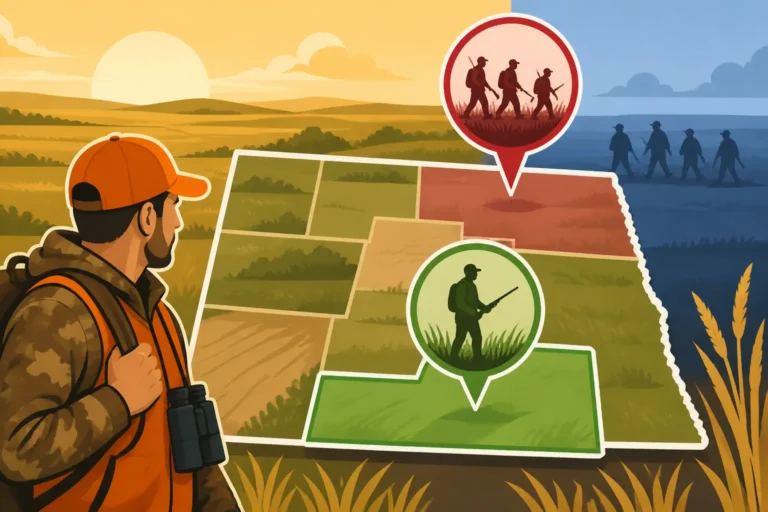
One of the biggest hurdles for hunters looking to access private land is simply knowing who owns the land and where the property lines actually are. This is where modern technology has become an absolute game-changer. Digital mapping applications like onX Hunt have revolutionized how hunters approach scouting and permission seeking. With detailed satellite imagery overlayed with property boundaries, landowner names, and even public land designations, you can identify a promising piece of ground, figure out exactly who owns it, and pinpoint where one property ends and another begins.
Another valuable resource is GoHunt, which also offers mapping solutions that help with landowner identification and understanding the landscape. These tools not only prevent accidental trespass but also make it much easier to approach the correct landowner. Imagine being able to walk up to a farmhouse, pull out your phone, and say, "Mr. Smith, I see your property here borders the WMA, and I was wondering if I could get permission to hunt pheasants in that stubble field on your north forty." That kind of specific, informed request makes a much better impression than a vague, general inquiry. These apps also display crucial public land boundaries, ensuring you know exactly where you stand, whether it's a PLOTS tract or national grassland.
What to Include in a Written Permission Form
If you're fortunate enough to get a "yes" from a landowner and they're willing to provide written permission (or you suggest it for clarity), what should that document include? A clear, concise written permission form safeguards both you and the landowner. It doesn't need to be a complex legal document, but it should cover the essential details.
Here's a breakdown of key elements:
- Landowner Information: Full name, address, and contact number.
- Hunter Information: Your full name, address, and contact number.
- Property Description: Legal description of the land (e.g., section, township, range), or a clear description of the specific fields or areas you are allowed to hunt, possibly including a map reference.
- Dates of Permission: Clearly state the start and end dates of the permission. Is it for a single day, a week, or the entire season?
- Species Permitted: Specify what animals you are allowed to hunt (e.g., deer, pheasants, coyotes).
- Restrictions: Any specific limitations the landowner has, such as:
- Areas off-limits (e.g., near buildings, livestock pastures).
- Allowed access routes (e.g., stick to the main track, no driving across fields).
- Vehicle restrictions (e.g., ATV use allowed, parking locations).
- Time of day restrictions.
- Whether guests are allowed.
- Harvest limits beyond legal bag limits.
- Signatures and Date: Both the landowner and hunter should sign and date the document.
- Emergency Contact: A good idea to include in case of an incident.
Having these details explicitly laid out prevents future disputes and ensures everyone is on the same page. It’s also a sign of respect to the landowner that you take their property seriously.
Public Land Nuances and Retrieving Game
While the focus is often on private land, it's important to remember that North Dakota also offers significant public hunting opportunities, each with its own set of rules. However, even on public land, hunters often face the tricky dilemma of game crossing onto private property.
Public Land: Generally No Permission Needed (But Check Rules)
For the most part, hunting on designated public lands in North Dakota—such as Wildlife Management Areas (WMAs), National Grasslands, or PLOTS (Private Land Open To Sportsmen) tracts—does not require individual permission from a landowner. These lands are managed for public access, and your hunting license serves as your permission to be there.
However, "no permission needed" doesn't mean "no rules." Public lands often have specific regulations regarding vehicle use, camping, specific hunting methods, or even areas that are temporarily closed for management purposes. Always check the North Dakota Game and Fish Department's current regulations and maps for the specific public land you plan to hunt. The PLOTS program, for instance, is a fantastic resource, but it's crucial to Reading a PLOTS Sign Correctly to understand the specific access allowed by the landowner. Similarly, federal lands like the Little Missouri National Grassland have their own guidelines, and while they're generally open, knowing the local nuances can save you a headache. It's never a bad idea to review North Dakota Public Land Hunting Hours or specific unit restrictions before heading out.
The Sticky Situation: Retrieving Game from Private Land
One of the most anxiety-inducing situations for any hunter is when a lawfully shot animal crosses onto private property where you do not have permission. You've done everything right, made a good shot, but now your deer is 100 yards over the fence onto someone else's pasture.
North Dakota law states that a hunter may not enter private property to retrieve wounded or killed game without permission from the landowner or tenant. This is a critical point. Your instinct might be to pursue immediately, but legally, you must obtain permission first. This can be incredibly frustrating, especially if time is of the essence for recovery.
Here's how to handle it:
- Stop at the Fence Line: Do not cross. Mark the last spot you saw the animal or where it crossed.
- Contact the Landowner: Immediately try to reach the landowner or tenant. If you used an app like onX Hunt, you should have their contact information. Explain the situation calmly and respectfully.
- Offer to Have Them Help: Suggest that if they're uncomfortable with you entering, you'd be happy for them to go retrieve the animal themselves, or accompany you.
- Be Prepared for a "No": Legally, the landowner can refuse permission. While ethically questionable to let an animal spoil, they are within their rights. If they refuse, you cannot legally retrieve your game. This is a painful scenario, but it highlights the importance of trying to secure permission before hunting near property lines.
- Notify Game and Fish (if necessary): If you are unable to retrieve your animal, contact the North Dakota Game and Fish Department. They may be able to assist or at least document the situation.
It's a tough pill to swallow, but respecting property rights, even in these difficult circumstances, is paramount to maintaining a positive image for hunters. For more detailed information, consider researching Retrieving Game From Private Land in North Dakota.
Why Documentation Protects You
You might think a quick "sure, go ahead" is all you need, especially after a friendly chat with a landowner. And while that might be legal in many cases, especially for non-posted land, having things in writing offers layers of protection and clarity that verbal agreements simply can't match.
Avoiding Misunderstandings and Legal Trouble
Let's face it, memories fade, and interpretations can differ. What you understood as "hunt anywhere" might have been intended by the landowner as "hunt the back forty, but stay away from the front pasture." If a third party, like a different family member or an employee, questions your presence, a written permit serves as undeniable proof of your right to be there.
Without that documentation, you're relying on someone else's recall, and that puts you in a vulnerable position. Imagine getting a call from a sheriff's deputy because a neighbor reported you trespassing. Producing a signed permission slip instantly clarifies the situation and can prevent a costly, embarrassing, and time-consuming legal headache. It's peace of mind for you, knowing you're legally squared away, and clarity for the landowner, ensuring their expectations are met.
Building Long-Term Landowner Relationships
Beyond the legal aspect, the act of seeking and providing written permission demonstrates a higher level of respect and professionalism to the landowner. It shows you're serious about ethical hunting, mindful of their property rights, and committed to clear communication. This often fosters a stronger, more trusting relationship.
A landowner who sees you take the initiative to get written permission, respects their boundaries, and maybe even follows up with a thank-you note or a small gift of appreciation, is much more likely to grant you access year after year. This is how lifelong hunting access is built in North Dakota. Many landowners will appreciate the gesture and the mutual understanding it creates, solidifying future opportunities for you and even for your hunting partners. It's about being a good steward of the land and a responsible guest, creating a legacy of access rather than burning bridges.
Oral vs. Written Permission: A Quick Comparison
To sum up the nuances, here's a quick look at the pros and cons of relying on oral versus securing written permission for hunting on private land in North Dakota.
| Feature | Oral Permission | Written Permission |
|---|---|---|
| Legality | Often legally sufficient for unposted land. | Always legally sufficient, clarifies posted land. |
| Clarity | Prone to misunderstanding; "he said, she said." | Clear, explicit terms for both parties. |
| Protection | Minimal protection for hunter and landowner. | Strong legal protection for both. |
| Ease of Access | Can be quicker to obtain in person. | Requires more effort but provides more security. |
| Landowner Trust | Builds trust if relationship is strong. | Enhances trust through professionalism and clarity. |
| Proof of Entry | Difficult to prove if questioned. | Tangible proof of legal entry. |
| Long-Term Access | Can be inconsistent or easily revoked. | Fosters consistent, reliable access over time. |
Disclaimer
This article is for general informational purposes only and does not constitute professional advice. Laws, prices and regulations vary by location and change over time. Consult a qualified professional for guidance on your specific situation.