North Dakota Waterfowl Production Areas
Finding reliable public land to hunt in North Dakota can sometimes feel like trying to solve a complicated riddle, especially when you're targeting migratory birds or simply looking for consistent upland opportunities. Many hunters are familiar with the big names like PLOTS or National Grasslands, but often overlook some of the most consistent and valuable parcels: Waterfowl Production Areas. This comprehensive guide will peel back the layers on North Dakota's WPAs, helping you understand what they are, how to hunt them, and what makes them such a critical resource for hunters and wildlife alike.
Understanding Waterfowl Production Areas (WPAs) in North Dakota
When you hear "Waterfowl Production Area," your mind probably jumps straight to ducks and geese, and you wouldn't be wrong. These lands are absolutely crucial for waterfowl. But what many hunters don't realize is that WPAs offer so much more than just prime duck blinds. They are a cornerstone of North Dakota's public hunting landscape, protecting vital habitats and providing access for a variety of game species. Getting a handle on their purpose and unique characteristics is the first step to unlocking their potential.
The History and Mission of WPAs
The concept of Waterfowl Production Areas didn't just appear out of nowhere; it's rooted deeply in conservation efforts that date back to the early 20th century. The Dust Bowl era, in particular, highlighted the devastating impact of habitat loss on migratory bird populations, especially waterfowl. Potholes across the prairies, once teeming with life, were drained for agriculture, leading to a dramatic decline in nesting success and overall bird numbers. This crisis spurred the federal government to act, recognizing that protecting crucial breeding grounds was paramount. The Migratory Bird Hunting and Conservation Stamp Act, more commonly known as the Federal Duck Stamp Act, passed in 1934, provided the funding mechanism. It stipulated that all hunters 16 years or older, when hunting migratory waterfowl, must purchase this stamp. The revenue generated from these stamps directly funds the acquisition and protection of wetlands and associated habitats, primarily through the establishment of National Wildlife Refuges and, critically, Waterfowl Production Areas.
The mission of WPAs is quite specific: to preserve vital wetland and grassland habitats for nesting waterfowl and other migratory birds. These aren't vast, sprawling refuges designed for large-scale public recreation, though recreation is certainly a benefit. Instead, WPAs are typically smaller, scattered parcels, often consisting of a mosaic of shallow wetlands (the "potholes") and surrounding native prairie grasslands. This unique combination provides everything a hen mallard needs – safe nesting cover in the grass and abundant food and brood-rearing habitat in the water. For hunters, this means consistent access to areas that are managed specifically for the wildlife you're pursuing. It’s a direct return on investment from every duck stamp purchased, turning conservation dollars into tangible hunting grounds.
How WPAs Benefit Migratory Birds (and Hunters)
The benefits of Waterfowl Production Areas for migratory birds are truly immense. Imagine a female mallard, exhausted from her journey north, searching for a safe place to lay her clutch. She needs dense, undisturbed grass cover for her nest, protecting her eggs from predators and the elements. She also needs nearby wetlands, rich with invertebrates and aquatic vegetation, to feed herself and, eventually, her growing ducklings. North Dakota's WPAs are designed to provide exactly this environment. They act as critical nurseries, ensuring that each spring, millions of waterfowl have the ideal conditions to reproduce successfully, contributing to the overall health and abundance of continental bird populations. This is why North Dakota is often called the "duck factory" – a title it couldn't hold without these protected landscapes.
For hunters, these biological benefits translate directly into unparalleled opportunities. Healthy bird populations mean more targets in the sky and more flushes in the field. When you're out chasing ducks on a crisp October morning, setting up your decoys in a secluded WPA pothole, you're directly benefiting from decades of strategic habitat preservation. The concentrated nature of these areas means that good habitat is often easier to find, and if you do your scouting, you can pinpoint where birds are likely to be. Furthermore, many WPAs are managed not just for waterfowl, but for the entire prairie ecosystem, creating excellent opportunities for upland birds like pheasants and sharptails, and even deer, which we'll dive into more later. It’s a comprehensive approach to conservation that pays dividends for a wide array of game species, making WPAs multi-faceted hunting destinations. You can often experience diverse hunting opportunities on the same WPA parcel. North Dakota Waterfowl on the Prairie Pothole Flyway provides more context on the importance of this region.
The Distinctive Landscape of North Dakota WPAs
North Dakota's WPAs are intrinsically tied to the state's famous Prairie Pothole Region, often referred to as the "duck factory of North America." This vast, glaciated landscape is dotted with countless shallow depressions—the potholes—that fill with water from snowmelt and rain. These aren't deep lakes; they're often ephemeral, expanding and contracting with seasonal moisture, creating an incredibly dynamic and productive ecosystem. The wetlands on WPAs range from semi-permanent sloughs that hold water year-round to temporary puddles that dry up by mid-summer. This diversity of water regimes is essential, as different waterfowl species prefer different types of wetlands for nesting and brood-rearing.
The land surrounding these potholes is predominantly native prairie grassland, which is just as vital as the water itself. These grasslands provide crucial nesting cover for ducks, geese, and upland birds. Unlike annually tilled agricultural fields, native prairie offers dense, undisturbed cover that protects nests from predators and farm machinery. Walking through a WPA, you'll encounter a patchwork of these wetlands and grasslands, sometimes broken up by small patches of brush or cattails that provide additional cover and food sources. This varied topography often means that even smaller WPAs can hold a surprising amount of wildlife. Understanding this unique combination of water and grass is key to successful hunting, as it dictates where birds will feed, roost, and hide. North Dakota's Prairie Pothole Region Explained offers a deeper look into this unique landscape.
Navigating Access and Regulations on North Dakota WPAs
So, you've decided to venture onto a Waterfowl Production Area for your next hunt. That's fantastic! But before you head out, it's absolutely vital to understand the rules of engagement. Public land is a privilege, and WPAs, being federally managed, have specific regulations that can differ from state PLOTS land or Wildlife Management Areas. Ignoring these rules can lead to fines, loss of hunting privileges, or even permanent damage to the very habitat you're there to enjoy. Don't let a misunderstanding ruin your hunt; let's get you squared away on what to expect.
General Rules and Restrictions on WPAs
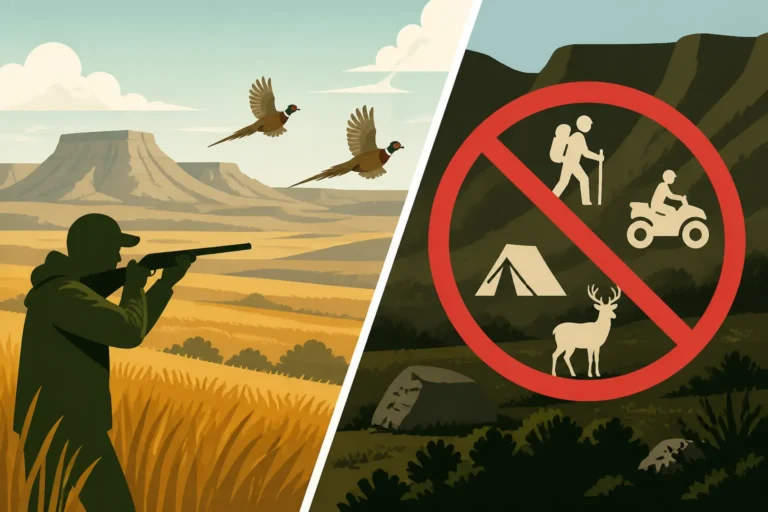
Hunting on a WPA is generally permissible, but it's not a free-for-all. Since WPAs are managed by the U.S. Fish and Wildlife Service (USFWS), federal regulations often apply alongside state hunting laws. The most critical rule to remember for waterfowl hunters is the Federal Duck Stamp requirement for anyone 16 years or older. Without it, you're not legally hunting migratory birds, plain and simple. Beyond that, be aware that many WPAs are designated as "foot traffic only," meaning no vehicles are allowed past designated parking areas. This is to minimize habitat disturbance and maintain the wild character of these important breeding grounds.
Furthermore, baiting is strictly prohibited on federal lands, including WPAs. This means no placing or distributing feed to attract wildlife. While this is a general rule in North Dakota, it's especially enforced on federal areas. Littering is also a no-go; pack out everything you pack in, and then some. Leave the area cleaner than you found it. Discharging firearms within certain distances of occupied dwellings or public roads might also be restricted, depending on local ordinances and federal guidelines. It's always best to check the specific WPA's regulations, which can sometimes be found on kiosks at the access points or on the USFWS website. Don't assume; verify. Understanding North Dakota Hunter Education Requirements can also help ensure you're up to date on general safety and ethics.
Understanding Signage and Boundaries
One of the biggest frustrations for hunters on public land can be figuring out exactly where they can hunt. WPAs typically have distinctive signage, usually yellow or brown signs with the familiar USFWS goose logo, clearly marking their boundaries. These signs are your best friend. They often indicate "Waterfowl Production Area" and sometimes include specific rules or contact information. Pay close attention to these markers, especially when a WPA abuts private land. Private land in North Dakota is generally assumed to be open unless posted, but trespassing is still a serious offense. You don't want to inadvertently step onto a farmer's pasture or a neighbor's property while pursuing a pheasant.
Digital mapping tools like onX Hunt are incredibly valuable here. They layer land ownership information right onto your phone or GPS, allowing you to see WPA boundaries in real-time, even showing public-private interfaces. GoHunt also offers excellent mapping resources that can help pinpoint these often-irregular WPA parcels. Before you even leave home, spend some time studying these maps. Look for clear boundary lines, access points, and potential areas where WPA land might funnel into or out of adjacent private fields. Don't rely solely on paper maps, as boundaries can be intricate. Always cross-reference with actual physical signage when you're on the ground, but a good digital map acts as a vital backup. Taking the time to understand Reading North Dakota Public Land Boundary Signs is paramount to avoiding trespass issues.
Vehicle and Foot Traffic Rules
As mentioned, many WPAs are "walk-in only" past the initial parking area. This is a critical point that can catch new hunters off guard. Unlike some larger state lands where minimum maintenance roads might be open to ATVs or trucks, WPAs often have stricter rules. The goal is to minimize disturbance to nesting birds and other wildlife, and to preserve the natural feel of the prairie. This means you'll be hoofing it, carrying your gear, decoys, and harvested game in and out on foot. Investing in a good game cart or a comfortable backpack is essential for WPA hunting, especially if you plan to venture deep into larger tracts.
There are usually designated parking areas, often gravel pull-offs or small lots, just off the main roads. Respect these designated areas and avoid parking on vegetation or blocking access points. If there's a gate, it's there for a reason – usually to prevent vehicle access further into the WPA. Even if it's open, if the signage indicates foot traffic only, you must walk past that point. Remember, these rules are in place to ensure the sustainability of the resource for everyone. Embrace the walk; it's often how you find those less-pressured pockets of birds that other hunters overlook. It also allows you to enjoy the solitude of the prairie, a truly special experience.
Hunting Opportunities Beyond Waterfowl on WPAs
While their name explicitly points to waterfowl, the beauty of North Dakota's Waterfowl Production Areas is their incredible biodiversity. These aren't monoculture plots; they're vibrant ecosystems that support a wide array of game species, often presenting fantastic opportunities for hunters looking for more than just ducks and geese. Expanding your focus beyond the potholes can open up a whole new world of hunting possibilities on these public lands.
Upland Bird Hunting in WPA Habitat
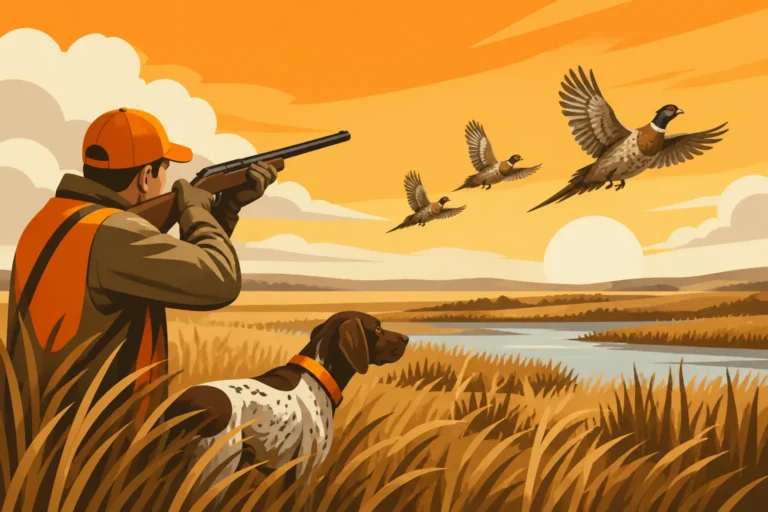
If you're a fan of flushing pheasants or watching a sharp-tailed grouse rocket into the sky, then North Dakota WPAs should be high on your list. The dense native prairie grasslands surrounding the wetlands are absolutely ideal habitat for these birds. Pheasants thrive in the thick cover provided by tall grasses, cattails, and occasional brushy draws. Sharptails, quintessential birds of the prairie, also utilize these grasslands for nesting and foraging, often preferring the slightly higher, drier ridges. Walking a WPA can be incredibly rewarding, especially during late morning or early afternoon when pheasants might be moving from roosting cover to feeding areas or loafing in heavy thermal cover.
When hunting upland birds on WPAs, consider working the edges where different habitat types meet – where grassland transitions to cattail sloughs, or where a food plot (if adjacent private land has one) meets the dense cover of the WPA. A good bird dog can be an invaluable asset for navigating the thick cover and locating downed birds. Even without a dog, methodical walking, paying attention to wind direction, and being ready for a quick shot can lead to success. Look for classic pheasant signs like cackles, fresh tracks in the mud around water sources, or dusting bowls in dry dirt. For sharptails, look for them feeding on berries or seeds in the open prairie, often in small coveys. Walking North Dakota PLOTS Land for Pheasant tactics can also be applied to WPAs.
Deer Hunting Opportunities in WPAs
It might surprise some, but many Waterfowl Production Areas offer surprisingly good deer hunting, especially for whitetails. While they don't have the vast timber blocks of some other public lands, the combination of dense grassland cover, cattail sloughs, and often brushy fringes provides excellent bedding and escape cover for deer. Whitetails are incredibly adaptable and will readily utilize these pockets of cover, especially if there are agricultural fields nearby on private land that provide food sources. A WPA that connects to a creek bottom or a shelterbelt on adjacent property can act as a crucial travel corridor and daytime sanctuary.
Hunting deer on a WPA often involves still-hunting the edges of dense cover, carefully working through cattail sloughs, or setting up a ground blind along a known travel route between bedding areas and food sources. Because WPAs are often "walk-in only," areas further from parking spots tend to see less hunting pressure, which can make them prime spots for deer that have learned to avoid human activity. Focus your scouting efforts on identifying trails, rubs, and scrapes, particularly in thicker vegetation or along the fringes of wetlands. Deer will often bed right in the middle of a dense cattail marsh or a thick clump of prairie grass, making them tough to spot without careful, slow movement. Hunting a Shelterbelt Edge for Deer and Hunting a Prairie Pothole Slough Edge provide relevant strategies.
Small Game and Predator Hunting in WPAs
Beyond the marquee species, WPAs are also home to a variety of small game and predators, offering year-round hunting opportunities. Rabbits, particularly cottontails, thrive in the brushy edges and dense grass, providing excellent targets for a fun day out with a .22 or a shotgun. Squirrels might be found in any scattered timber patches, though significant timber is less common on typical WPAs. These small game hunts are often low-pressure and can be a great way to introduce new hunters to the field or to hone your skills during the off-season for larger game.
Predators, primarily coyotes and fox, are also common residents of WPAs. The abundance of small mammals and birds attracts these canines, and the open nature of the prairie can make for exciting calling scenarios. Setting up for coyote calling on the edge of a WPA, utilizing the slight elevation changes or brushy draws, can be very effective. The "walk-in" nature of many WPAs means that coyotes might be less accustomed to human scent and pressure compared to areas closer to roads. Always check specific regulations for predator hunting, as some areas may have restrictions on night hunting or specific calibers. Regardless of your target, WPAs offer a diverse hunting menu, ensuring there's usually something to pursue.
Gear and Tactics for Successful WPA Hunting
Hunting on Waterfowl Production Areas, while incredibly rewarding, often presents its own set of challenges. The terrain can be marshy, the cover dense, and the weather unpredictable. To maximize your success and comfort, it's crucial to come prepared with the right gear and to employ tactics specifically suited to these unique environments. Don't just show up with your deer rifle and expect to bag a limit of ducks; a bit of specialized planning goes a long way.
Essential Gear for WPA Waterfowl Hunts
When planning a WPA waterfowl hunt, think "wet and mobile." You'll be crossing wet ground, potentially wading into shallow potholes, and likely carrying your gear a fair distance. Here’s a breakdown of what you’ll absolutely need:
- Waders: Breathable chest waders are non-negotiable. Even if the water looks shallow, you'll inevitably encounter deeper pockets or mucky bottoms. Look for durable material that can withstand cattails and barbed wire.
- Decoys: A small spread of 6-12 lightweight floating decoys is usually sufficient for smaller potholes. Consider a few motion decoys or a spinner for added attraction. Remember, you're packing these in, so portability is key.
- Blind Material: Some WPAs have minimal natural cover around the water. A lightweight layout blind or natural camouflage netting that you can drape over cattails or tall grass can be invaluable. Avoid anything bulky that's hard to carry.
- Game Bag/Strap: A sturdy game strap or a dedicated game bag for carrying ducks and geese out of the field.
- Headlamp: Crucial for early morning setups and late evening retrieves.
- Warm, Waterproof Clothing: Layers are essential. North Dakota weather can change on a dime, especially during waterfowl season. A good waterproof and windproof outer shell is critical.
- Shotgun & Ammunition: Your trusted waterfowl shotgun and plenty of non-toxic shot (steel, bismuth, or tungsten) are a must. Carry more shells than you think you'll need; you don't want to run out when the birds are flying.
- First Aid Kit: Always a good idea, especially when hunting alone in remote areas.
- Mapping Device: A GPS unit or a smartphone with a mapping app like onX Hunt or GoHunt is crucial for navigation, especially in low light or foggy conditions.
Remember, every item you bring, you'll have to carry. Prioritize essential, lightweight, and versatile gear.
Strategies for Upland Hunting WPAs
Upland hunting on WPAs requires a different approach than waterfowl. Here, it's all about covering ground, reading the cover, and being ready for sudden flushes.
- Systematic Gridding: Don't just wander aimlessly. If hunting with a group, spread out and walk a grid pattern, moving through likely cover. This helps push birds forward and minimizes the chance of "skipping" a patch of cover.
- Focus on Edges and Transitions: Pheasants and sharptails often use the edges where dense grass meets shorter cover, or where a wetland offers a barrier. Walk these edges carefully. Also, look for draws, brushy pockets, or scattered trees that offer extra protection.
- Work into the Wind: This helps your dog (if you have one) pick up scent better, and also helps mask your approach from keen-eyed birds.
- Slow and Steady: Resist the urge to rush. Walk slowly, pause frequently, and be ready. Birds will often hold tight, especially if pressured, and can flush unexpectedly. A slow pace gives you more time to react.
- Utilize Natural Funnels: Look at the topography. Are there narrow strips of cover, fences, or changes in elevation that might funnel birds? These are prime ambush points.
- Hydration and Snacks: Walking dense cover is tiring. Carry water, especially on warmer days, and some high-energy snacks.
- Good Boots: Comfortable, supportive, and waterproof boots are crucial for miles of walking through varied terrain.
- Blaze Orange: While not always required for waterfowl or upland, it's highly recommended for safety, especially when hunting with others or in areas where deer hunters might be present. North Dakota Blaze Orange Requirements outlines the specifics.
Decoying and Calling in WPA Potholes
Decoying and calling are the bread and butter of successful WPA waterfowl hunts. The intimate nature of potholes makes these tactics incredibly effective when done right.
- Scout First: This is paramount. Don't just randomly pick a pothole. Use your mapping apps and binoculars to find active wetlands where ducks and geese are already feeding or loafing. Fresh droppings, tracks, and active birds are your best indicators.
- Minimalist Spreads: For most WPA potholes, you don't need hundreds of decoys. A small, realistic spread of 6-12 duck decoys, perhaps with a few goose floaters if you're targeting both, is often plenty. The goal is to look like a small, contented group of birds.
- Natural Spacing: Avoid rigid patterns. Ducks don't land in perfect V's. Create a natural-looking spread with some open water in the landing zone, allowing space for birds to commit. Place a few decoys on the edge of the vegetation, simulating birds feeding in the shallows.
- Wind is Your Friend: Always set up with the wind at your back, so incoming birds land facing into the wind, presenting a clean shot. This also helps push your scent away from the landing zone.
- Realistic Calling: Don't overcall. Start with soft greeting calls or feeding chuckles. If birds respond, escalate your calling, but always listen to their reactions. If they're coming, back off the call; if they seem hesitant, add a little more persuasion. Learning the difference between a highball, comeback call, and a contented feed chatter is important. Decoy Spreads for Prairie Pothole Mallards offers more detailed advice.
- Concealment is Key: Ducks and geese have incredible eyesight. Use natural cover like cattails, tall grass, or a well-brushed ground blind to disappear. Even a slight silhouette can flare birds. Stay still and quiet as birds approach.
- Observe and Adapt: If birds aren't responding, don't be afraid to adjust your spread, change your calling sequence, or even move to a different pothole. Waterfowl hunting is often about trial and error.
Finding and Researching North Dakota WPAs
You can't hunt them if you can't find them! North Dakota is vast, and WPAs are often scattered across the landscape, sometimes in remote areas. The key to successful WPA hunting lies in thorough research and scouting before you even leave your driveway. Modern tools and a bit of old-fashioned map reading can put you miles ahead of the game.
Utilizing Digital Mapping Tools
In today's hunting world, digital mapping applications are an absolute game-changer, especially for navigating North Dakota's public lands like WPAs. Tools like onX Hunt and GoHunt provide invaluable information right at your fingertips. These apps overlay public and private land boundaries onto detailed satellite imagery, allowing you to clearly identify WPA parcels. You can see the distinct USFWS-managed areas, differentiate them from state PLOTS land, Wildlife Management Areas, or private property, and visualize potential access points.
Beyond just boundaries, these apps often offer topographic maps, showing elevation changes that can be critical for understanding water flow or identifying slight rises in the prairie where upland birds might be found. You can mark waypoints for parking, potential blind locations, or areas where you've seen fresh sign. Many apps also allow you to download maps for offline use, which is crucial in rural North Dakota where cell service can be spotty at best. Before any hunt, spend time virtually "walking" the WPA on your computer or phone, identifying potential sloughs, dense cover, and travel corridors. This pre-scouting saves valuable time and boot leather once you're on the ground. For further guidance, Scouting PLOTS Land With the ND Hunt App covers similar digital scouting techniques.
Reading WPA Maps and Aerial Imagery
While digital apps are fantastic, understanding how to interpret maps and aerial imagery is a skill that will serve you well, especially when looking at the nuances of WPA habitat. When you pull up an aerial view of a WPA, look for the following:
- Water Bodies: Identify the size, shape, and depth (or apparent depth based on color) of the potholes. Darker blues often indicate deeper, more permanent water, while lighter greens or browns might signify shallower, vegetated areas that could be dry later in the season.
- Vegetation Types: Differentiate between dense, unbroken grassland, cattail marshes, scattered brush, and any agricultural fields on adjacent private land. This helps you predict where different game species will concentrate. Dense, tall grass is prime nesting and bedding cover, while cattails offer incredible thermal protection.
- Access and Roads: Look for gravel roads, two-track trails, or section lines that provide legal access. Note any gates or parking areas. Remember that many interior areas will be foot traffic only, so plan your routes accordingly.
- Topography: Even slight elevation changes on the prairie can be significant. A subtle ridge might offer a better vantage point for glassing or act as a natural travel corridor for deer. Contour lines on topographic maps can highlight these features.
Comparing current aerial imagery with historical views (if available in your mapping software) can also give you insights into how water levels have fluctuated over time, helping you understand the long-term potential of a particular wetland.
Scouting and Pre-Season Planning for WPAs
The most effective way to hunt WPAs is to scout them. Pre-season scouting, even if it's just a few weeks before opening day, can be the difference between a successful hunt and a frustrating one.
- Drive-By Scouting: Start by driving the roads that border WPAs. Use binoculars to scan wetlands for active birds, and look for game trails in the surrounding grasslands. This gives you a quick overview of conditions and bird numbers.
- Foot Scouting: Get out and walk. Nothing beats boots on the ground for truly understanding a WPA. Walk the edges of potholes, push through dense cover, and look for fresh sign: duck droppings, feathers, deer tracks, pheasant dusting bowls. Note water levels and the density of vegetation. This is also where your digital mapping tools come in handy for marking points of interest.
- Talk to Locals: Farmers, landowners, or even folks at local diners can sometimes provide invaluable insights into local bird movements or historical hotspots. Always be respectful and don't expect them to reveal their secret spots, but general information can be very helpful.
- Weather Patterns: Pay attention to weather forecasts, especially for wind direction and temperature. This will influence bird behavior and your setup strategy. A cold snap can push new birds into the area, while strong winds might make certain potholes too rough for decoying.
- Check Regulations: Always verify the latest North Dakota Game and Fish Department regulations for the specific season and unit you're hunting. Waterfowl zones, bag limits, and specific WPA rules can change annually. The North Dakota Duck and Goose Bag Limits and North Dakota Hunter Education Requirements are good starting points.
Challenges and Considerations for WPA Hunters
While North Dakota's Waterfowl Production Areas offer incredible hunting opportunities, they are not without their unique challenges. Being prepared for these obstacles, rather than being surprised by them, can significantly impact your success and overall enjoyment of the hunt. From sharing the land with other hunters to battling Mother Nature, a realistic understanding of what you might face is key.
Dealing with Hunting Pressure on WPAs
One of the most common frustrations on any accessible public land is hunting pressure, and WPAs are no exception. Because they are often relatively small and well-marked, popular WPAs can draw a crowd, especially on opening weekend or during peak migrations. You might pull into a parking area only to find several other vehicles already there, or hear gunshots echoing from every direction. This can make birds wary and harder to decoy or flush. Hunting Pressure on North Dakota Public Land is a pervasive issue that requires adaptation.
To mitigate the effects of pressure:
- Hunt Mid-Week: If your schedule allows, hunting on weekdays will almost always encounter less pressure than weekends.
- Hunt Later in the Day: Many waterfowl hunters are early birds, setting up well before sunrise. Consider hunting mid-morning or even afternoon. Birds that have been pressured early might return to a quiet pothole later on.
- Go Deeper: Embrace the "foot traffic only" rule. The further you're willing to walk from a road or parking area, the more likely you are to find undisturbed birds. Most hunters won't venture more than a half-mile in.
- Target Overlooked Species/Areas: If the prime mallard sloughs are crowded, consider targeting less popular species like coots (legal in North Dakota) or exploring smaller, brushier potholes that others overlook.
- Be Respectful: If you arrive at a pothole and see other hunters are already set up, find another spot. Communication is key; a friendly wave or quick chat can prevent conflicts. There's enough public land for everyone to enjoy safely.
Water Levels and Their Impact on Hunting
The dynamic nature of prairie potholes means that water levels are constantly fluctuating, and this has a massive impact on hunting success. A prime pothole one year might be bone dry the next, or vice versa. Wet years mean more available water and better habitat, often leading to more ducks and geese. Dry years can concentrate birds onto fewer, larger water bodies, but can also make many smaller WPAs completely unusable for waterfowl.
- Monitor Conditions: Before your hunt, check local weather patterns, especially rainfall and snowmelt from the previous winter. Satellite imagery (like that offered by onX Hunt or GoHunt) can give you a rough idea of current water conditions.
- Scout Multiple Locations: Don't put all your eggs in one basket. Identify several WPAs and multiple potholes within each WPA that could hold birds. Be ready to move if your primary spot is dry or too low.
- Adapt Your Tactics: If water levels are low, birds might be concentrated in deeper sections or relying more on field feeding. Adjust your decoy spread accordingly, or consider a field hunt if conditions allow. If water is abundant, birds might be more spread out, requiring more scouting to locate active areas.
- Consider Upland Opportunities: If waterfowl hunting is poor due to low water, remember that many WPAs offer excellent upland hunting. Be flexible with your targets.
Weather Preparedness for North Dakota WPA Hunts
North Dakota weather is legendary for its extremes and its rapid changes. A beautiful fall morning can quickly turn into a blustery, freezing, or even snowy afternoon. Being adequately prepared for all possibilities is not just about comfort; it's about safety.
- Layer Up: Dress in layers that you can add or remove as temperatures fluctuate. Start with moisture-wicking base layers, add insulating mid-layers (fleece or down), and top it off with a waterproof, windproof outer shell.
- Protect Extremities: Good quality waterproof gloves, a warm hat, and insulated, waterproof boots are essential. Your hands, feet, and head lose heat quickly.
- Stay Hydrated: Even in cold weather, it's important to drink plenty of water. Dehydration can exacerbate the effects of cold.
- Emergency Kit: Always carry a small emergency kit including a fire starter, emergency blanket, extra snacks, and a way to communicate (fully charged phone, satellite messenger if truly remote).
- Check Forecasts Constantly: Use reliable weather apps and check them frequently leading up to and during your hunt. Be aware of wind chill advisories, high wind warnings, or incoming storms. Don't be afraid to cut a hunt short if conditions become unsafe. Hunting Into a December Cold Snap highlights the challenges of extreme weather.
- Mud and Snow: Be prepared for muddy conditions in the fall and potentially deep snow later in the season. These can make access difficult and significantly increase the physical demands of your hunt.
Respecting the Resource: Ethical Hunting and Conservation on WPAs
Hunting on a Waterfowl Production Area isn't just about bagging game; it's about being a steward of a vital public resource. These lands exist because of the foresight of conservationists and the ongoing funding from hunters through the Federal Duck Stamp. As such, every hunter has a responsibility to uphold ethical standards and contribute to the long-term health of these precious habitats.
Leave No Trace Principles
The "Leave No Trace" philosophy is paramount when hunting on WPAs. This means minimizing your impact on the environment and leaving the area as you found it, or ideally, even better.
- Pack It In, Pack It Out: This is the golden rule. Every piece of trash, every spent shotgun shell, every energy bar wrapper – it all needs to come out with you. This includes anything left by previous visitors. Don't let your presence detract from the natural beauty of the WPA.
- Stay on Designated Trails/Access Points: While WPAs are generally open, avoid creating new trails or disturbing sensitive vegetation unnecessarily. Stick to established paths or spread out to avoid concentrating impact.
- Respect Vegetation: When building a natural blind, use only dead or downed material. Don't cut live trees or large amounts of brush, as this degrades the habitat.
- Proper Waste Disposal: If nature calls, bury human waste at least 6-8 inches deep and 200 feet from water sources, camp, or trails. Pack out all toilet paper.
- Minimize Campfire Impacts: If camping is permitted (check specific WPA rules, as it's often not), use established fire rings. Keep fires small and ensure they are completely extinguished before leaving.
Adhering to these principles ensures that WPAs remain pristine and productive for wildlife and enjoyable for future generations of hunters.
Wildlife Conservation and Habitat Protection
Hunting on a WPA is a direct connection to wildlife conservation. The funds generated by duck stamps and other hunting licenses directly support the management, acquisition, and restoration of these lands. Your role as a hunter extends beyond the harvest; it encompasses active participation in conservation.
- Follow Regulations: Strict adherence to bag limits, season dates, shooting hours, and weapon restrictions is non-negotiable. These rules are in place to ensure sustainable wildlife populations.
- Ethical Shooting: Strive for clean, humane kills. Practice your shooting to ensure proficiency. Avoid sky-busting or taking shots beyond your effective range, which often leads to wounded birds that are never recovered.
- Retrieve All Game: Make every effort to recover all downed game. A good retriever dog is invaluable for waterfowl and upland birds, but even without one, thorough searching is essential.
- Support Conservation Organizations: Consider joining or donating to organizations like Ducks Unlimited, Pheasants Forever, or Delta Waterfowl, who work tirelessly to preserve and enhance wetland and grassland habitats, often directly benefiting WPAs.
- Understand Habitat Needs: The more you learn about the specific habitat requirements of the game you hunt, the more effectively you can hunt and appreciate the conservation efforts on WPAs. Knowing why a specific patch of grass is vital for nesting, or why a certain wetland is crucial for brood-rearing, deepens your connection to the land.
Reporting Violations and Being a Responsible Hunter
Part of being a responsible hunter on a WPA means being an extra set of eyes and ears for the resource. Unfortunately, violations can and do occur, and it's up to all of us to help protect these areas.
- Know Who to Call: If you witness a suspected violation – poaching, littering, illegal vehicle use, destruction of property – note as many details as possible (vehicle description, license plate, time, location, nature of the violation) and contact the North Dakota Game and Fish Department's Report a Poacher line, or the local USFWS office. Do not confront individuals directly, as this can be dangerous.
- Be a Mentor: Introduce new hunters, especially youth, to the ethics and responsibilities of WPA hunting. Teach them proper etiquette, conservation principles, and the importance of respecting public lands. North Dakota Mentored Youth Hunting Rules are designed to facilitate this.
- Share Knowledge: Help educate other hunters, especially those new to WPAs, on the rules and best practices. A friendly conversation can often prevent accidental violations.
- Participate in Surveys: If asked to participate in hunter surveys or to provide harvest data, do so accurately. This information is critical for wildlife managers to make informed decisions about future seasons and bag limits.
- Leave a Positive Impression: Remember that as hunters, we are ambassadors for our sport. Our actions on public lands shape public perception. By being courteous, respectful, and conservation-minded, we help ensure that WPAs remain open and accessible for hunting for years to come.
Disclaimer
This article is for general informational purposes only and does not constitute professional advice. Laws, prices and regulations vary by location and change over time. Consult a qualified professional for guidance on your specific situation.