Finding PLOTS Ground That Sees Fewer Hunters
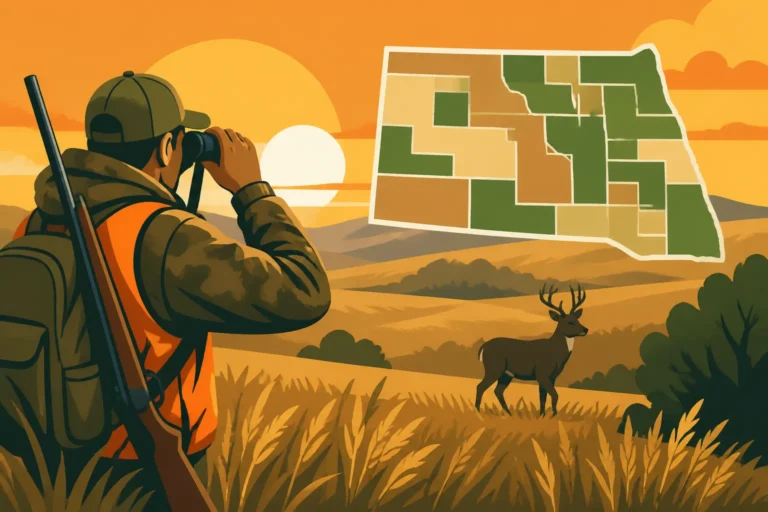
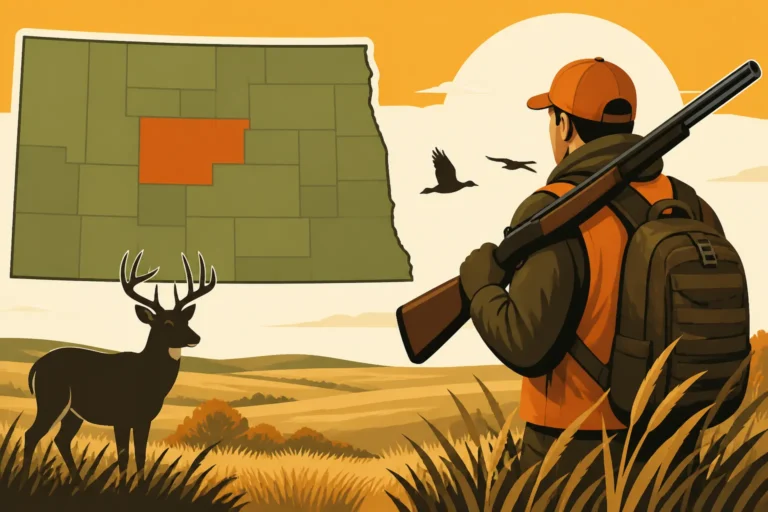
It’s a scenario many North Dakota hunters know all too well: you’ve scouted a promising PLOTS tract on the map, driven out there, maybe even spent some time pre-season confirming the game sign, only to arrive on opening day or a crisp Saturday morning and find a half-dozen other trucks already parked. The dream of a quiet, unpressured hunt quickly fades as you realize you'll be competing for space and spooking game that's already seen its share of orange vests. This guide is all about helping you dig deeper, look beyond the obvious, and discover those quieter, less-pressured pockets within North Dakota's valuable PLOTS system, turning your frustration into fruitful solitude.
The Reality of PLOTS Access and Hunter Pressure
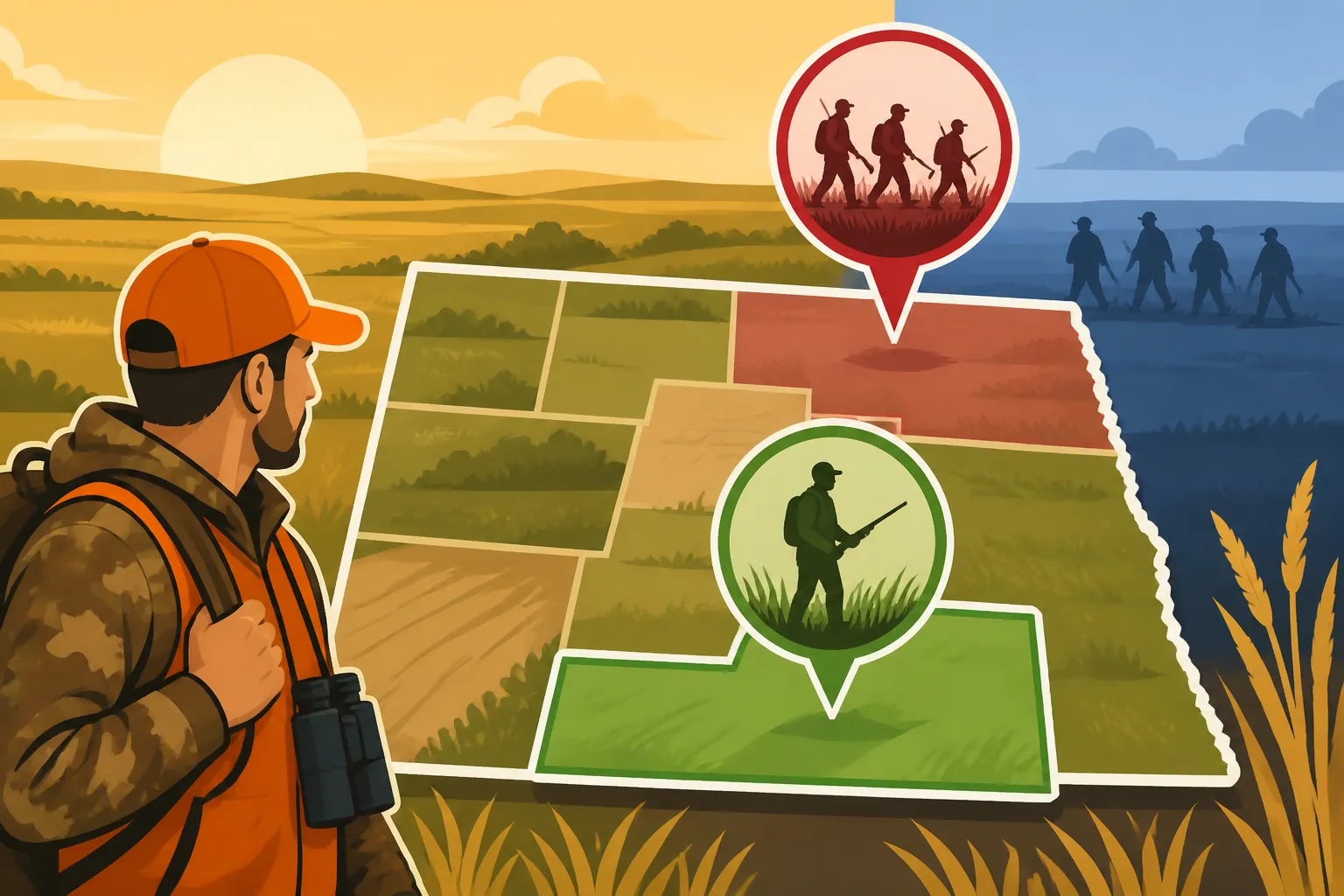
PLOTS land is a fantastic resource here in North Dakota, opening up millions of acres to public hunting that would otherwise be off-limits. It's a testament to the North Dakota Game and Fish Department and the landowners who participate, and it provides incredible opportunities. However, the very accessibility that makes PLOTS so great also presents a challenge: many hunters use the same easy-to-find spots, leading to pressure that can quickly make game wary and push them into private land.
Understanding Hunter Tendencies on Public Land
Most hunters, let's be honest, are looking for efficiency. They want to maximize their hunting time and minimize their travel and physical exertion. This isn't a criticism; it's simply human nature. What this means for public land is that the vast majority of hunters will gravitate towards the most convenient access points. They'll pull off the road at the first obvious gate, follow the well-worn two-track, or hunt the edges of a field that's easily visible from their truck.
This tendency, while understandable, creates an incredible opportunity for those willing to do a little extra work. While many are clustering around the easily accessible areas, there are often deeper, more secluded pockets of habitat just a bit further in that see significantly less human traffic. Deer, pheasants, and waterfowl are quick to learn where the pressure is, and they'll naturally seek refuge in these quieter zones. Don't be fooled by abundant visible sign near a parking area; that sign might be old, or it might be from game that's actively avoiding daylight movement due to constant pressure. The real "honey holes" often require a commitment to walk a little further, climb a small rise, or navigate some thicker cover.
Identifying High-Pressure PLOTS Characteristics
To avoid the crowds, you first need to recognize what makes a PLOTS tract popular in the first place. You can often spot these characteristics from the road, or even on a good satellite map before you ever leave your couch. Pay attention to:
- Easy Road Access and Ample Parking: If there's a paved county road running right alongside a PLOTS sign, or a large, graveled pull-off, it's probably going to be popular. Hunters appreciate convenience, and these spots scream "easy access."
- Proximity to Towns or Major Highways: PLOTS tracts close to population centers or major travel routes tend to get hit harder, especially on weekends, simply because they're easier for more people to get to.
- Obvious Cover or Water Features Visible from the Road: A big slough full of cattails, a dense shelterbelt, or a block of standing corn that's clearly visible from the public road will draw eyes and, subsequently, hunters. Everyone can see the potential, so everyone goes there.
- "Walk-in" Often Means "Walk a Short Distance In": Many hunters interpret "walk-in access" as "park and walk a quarter-mile." If a promising piece of cover is just a few hundred yards from a fence line, it's likely to be well-trodden.
- Highly Visible Game Sign: Fresh tracks, rubs, scrapes, or heavy pheasant dusting bowls that are obvious right along a fence line or gravel road are great, but they're also seen by everyone else. These spots might be good early, but game will quickly shift away once pressure builds.
Understanding Hunting Pressure on North Dakota Public Land is key to recognizing these patterns. The goal isn't to avoid these areas entirely, but to know where to look within or beyond them for quieter opportunities.
Strategic Scouting for Seclusion
Finding truly less-pressured ground on PLOTS takes a bit more effort, but that effort is almost always rewarded. It involves a combination of smart virtual scouting and good old-fashioned boots-on-the-ground reconnaissance.
Virtual Scouting with Mapping Applications
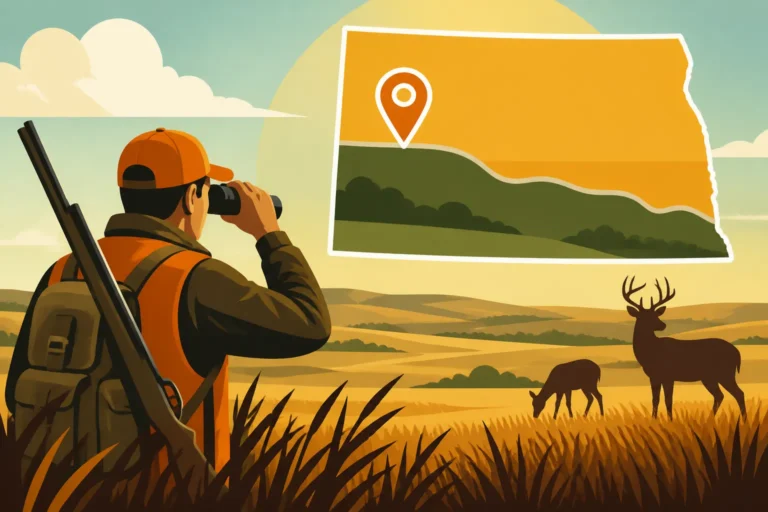
This is where modern technology truly shines for the North Dakota hunter. Tools like onX Hunt are absolutely indispensable for unlocking the secrets of a PLOTS tract. You can sit at home, zoom in, and analyze terrain like never before.
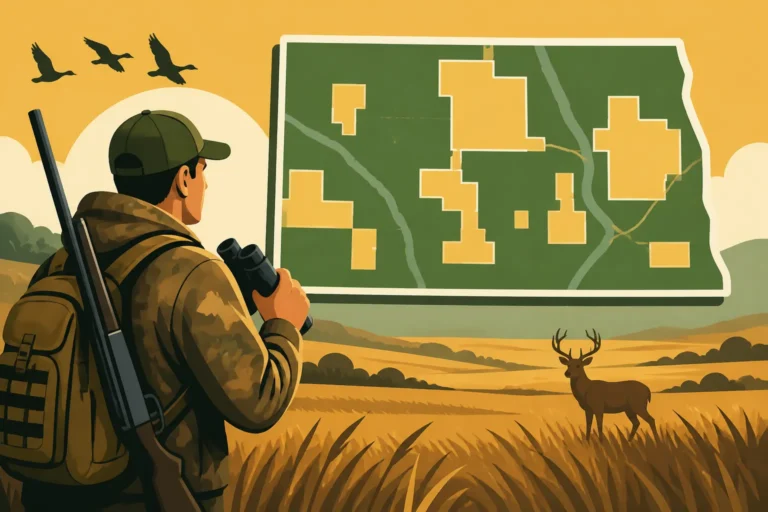
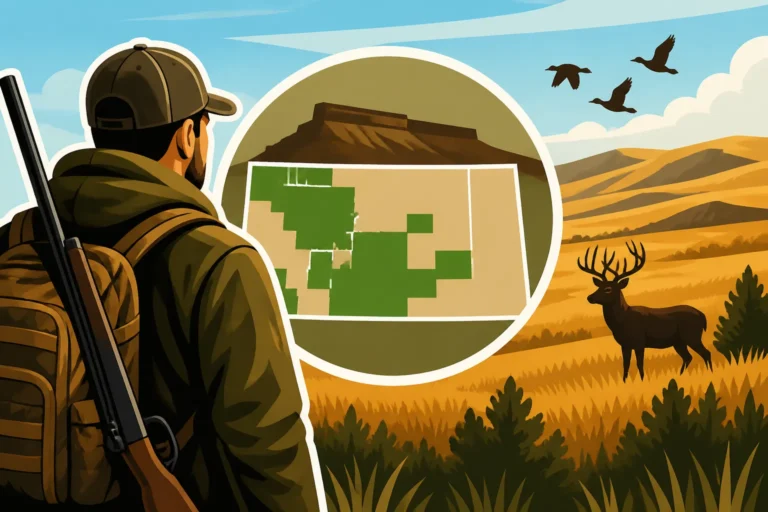
- Layer Up Your Maps: Use the satellite imagery and topographical maps together. Look for features that might deter other hunters: steep coulees, dense cattail sloughs, large blocks of timber, or areas with no obvious two-track roads. The green PLOTS layer on onX Hunt clearly shows you the boundaries, so you know exactly what's accessible.
- Identify Non-Obvious Entry Points: Instead of looking for the main PLOTS sign with a large parking lot, scan the property lines. Is there an unmaintained section line road that barely gets driven? A small ditch crossing that leads into thick cover away from the primary access? Even a corner of the property that backs up to another large block of public or private land that requires a longer walk might be your ticket.
- Spot Natural Barriers and Funnels: Look for creeks, marshy areas, or dense thorny thickets that create natural barriers to human access but can also funnel deer or birds into predictable travel corridors. These are often overlooked because they're difficult to traverse.
- Distance is Your Friend: Use the distance measuring tool on onX Hunt to calculate how far a potential hunting spot is from the nearest road. If it's a half-mile or more into a secluded pocket of cover, you're likely entering a low-pressure zone. Remember the advice from How Far to Walk From a Section Road – sometimes just adding a little distance makes all the difference.
- Complementary Tools: While onX Hunt is fantastic for identifying land boundaries and terrain, you can also use resources like the official North Dakota Game and Fish Department's PLOTS guide booklet or app. Referencing Scouting PLOTS Land With the ND Hunt App can help you cross-reference information and ensure you have the most current data on specific tracts.
On-the-Ground Reconnaissance
Nothing, and I mean nothing, beats putting your boots on the ground. Virtual scouting tells you where to look, but physical scouting confirms your suspicions and reveals details a satellite image can't.
- Walk the Less-Traveled Path: Instead of just checking the main access points, make the effort to walk the perimeters of the PLOTS tract, especially in the areas you identified as potentially secluded during your virtual scouting. Look for evidence of old farmsteads, unmaintained trails, or dense, overlooked cover that might hold game away from the crowds.
- Scout for Natural Chokepoints: Walk into and through thick cover you might normally avoid. Look for where deer trails converge near a water source, or where pheasants might roost in a small, dense plum thicket within a larger expanse of grass. These spots are often ignored because they’re difficult to get into.
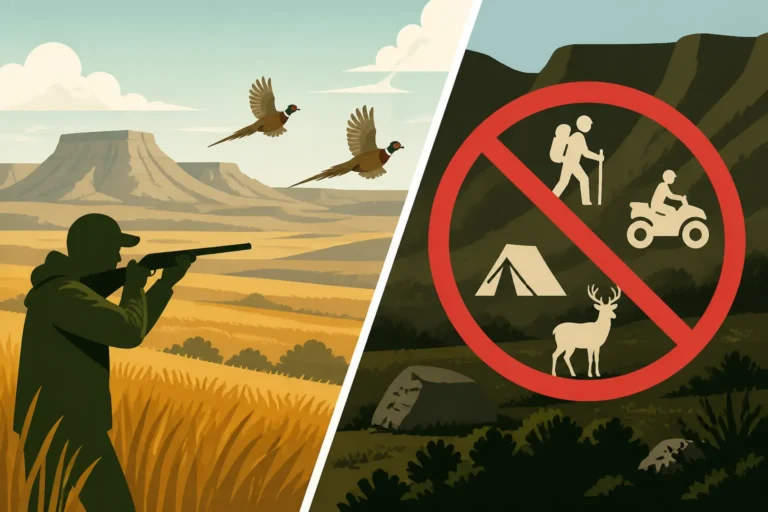
- Check for Less-Used Access: Sometimes there's a subtle dip in a fence line, an old rusted gate that's rarely opened, or a field corner that isn't clearly marked as a primary PLOTS access point. These can be golden tickets to quieter hunting. Just be absolutely certain you understand Reading a PLOTS Sign Correctly and that you are legally accessing the property. Misinterpreting signage can lead to trespassing, which we definitely want to avoid.
- Look for Waterfowl Potential: For bird hunters, focus on smaller, less obvious potholes or sloughs. While everyone flocks to the large, well-known lakes, a hidden cattail slough deep in a PLOTS field can hold impressive numbers of ducks and geese. Waterfowl Production Area tactics can also be applied to these smaller PLOTS wetlands.
Timing Your Hunt and Tactical Approaches
Once you've identified potential low-pressure areas, your timing and hunting tactics become crucial. It's not just where you hunt, but when and how you hunt that makes the biggest difference.
Hunting During Off-Peak Times
The vast majority of hunters are out on opening weekends, holidays, and clear, pleasant Saturdays. If you can avoid these times, you'll instantly reduce the pressure you encounter.
- Weekdays Are Your Friend: If your schedule allows, hunting on a Tuesday, Wednesday, or Thursday can feel like you have the entire PLOTS system to yourself. Deer and birds often revert to more natural patterns when human activity decreases significantly.
- Embrace Less-Than-Perfect Weather: A light rain, a steady drizzle, or even colder temperatures (as long as it's safe and you're dressed for it) will send many fair-weather hunters packing. This is your chance to shine. Deer and pheasants often move well in these conditions, and you'll have less competition.
- Mid-Day Lulls: While first and last light are prime times, many hunters take a long lunch or head back to camp mid-day. This can be an excellent window to slip into a secluded area and catch game moving between bedding and feeding areas, or simply stretching their legs.
- Early and Late Season Opportunities: Depending on the species, the very beginning or very end of a season can see reduced pressure. Early pheasant season, before the main rush, or late-season deer hunting after the gun season frenzy, can offer quieter experiences.
Employing Deep-Penetration Tactics
This is where your willingness to go the extra mile, literally, pays off. The further you get from easy access, the less competition you'll face.
- Walk Further, Not Just Harder: Be prepared to walk a significant distance – often a mile or more – from your vehicle to reach those truly unpressured pockets. This doesn't mean just trudging through open fields; it means navigating the terrain, using cover, and being stealthy.
- Use Non-Traditional Entry Routes: Don't follow the obvious paths. If a PLOTS tract has a main two-track, skirt the edge of a standing cornfield, or weave through a thick shelterbelt, using the terrain to hide your approach. For deer, think about Entry Routes Through Standing Sunflowers or Hunting a Standing Corn Field for Deer to avoid detection.
- Hunt Overlooked Habitat: Instead of focusing on the big, obvious block of grass or the large slough, look for smaller, dense pockets of cover, perhaps a half-acre plum thicket in the middle of a larger field, or a narrow, winding coulee that offers hidden travel. These areas often get passed by because they don't look "productive" from a distance.
- Embrace Still-Hunting and Ground Blinds: Instead of constantly pushing game, consider slower, more patient tactics. Slip quietly through thick timber, pausing often to scan and listen. Or, set up a Using a Ground Blind on PLOTS Land in a secluded corner, allowing game to move naturally into your area without being bumped by other hunters. This can be particularly effective for wary deer.
- Focus on Specific Cover Types: When hunting pheasants, don't just walk the edges. Get into the center of the dense, tall grass or cattails. For deer, target the thickest cover on north-facing slopes during cold weather, or river bottom timber that offers both food and refuge.
Maximizing Your Chances and Learning from Each Outing
Every time you step onto a PLOTS tract, whether successful or not, it's a chance to learn more about game behavior and hunter pressure. Treat each outing as a scouting mission for future hunts.
Post-Hunt Analysis and Mapping Updates
Don't let the lessons learned on a hunt fade away. Document them for future reference.
- Mark Up Your Maps: As soon as you get back to your truck, or even while you're still in the field, use your onX Hunt app to mark where you saw other hunters, where you saw fresh game sign, and where you didn't see either. Make notes on wind direction, time of day, and how the game reacted. This creates a powerful, personalized database of information. For example, if you walked into a secluded coulee and jumped deer that had clearly been bedded for a while, mark that spot as a low-pressure bedding area.
- Evaluate Your Approach: Did your chosen entry route work? Did you encounter unexpected obstacles? Were there other access points you overlooked? Constantly refine your plan for accessing these hidden spots.
- Think Like the Game: After a hunt, consider why the game was where it was. Was it holding tight in a specific type of cover due to pressure, or moving openly because it felt safe? This helps you predict their movements in similar situations down the line.
Patience and Persistence
Finding quieter spots on PLOTS land isn't always a one-and-done deal. It requires a commitment to trying different approaches and being willing to adapt.
- Don't Get Discouraged: You might spend an entire morning walking deep into a promising area only to find it devoid of game, or worse, see another hunter emerging from it. That's part of the process. Learn from it, adjust your plan, and try again elsewhere. The reward of a truly solitary hunt, especially a successful one, in a spot you discovered through your own efforts, is incredibly satisfying.
- Embrace the Challenge: Public land hunting, especially in popular areas, is often as much about out-thinking other hunters as it is about out-thinking the game. The more effort you put into understanding human behavior and leveraging that knowledge, the more successful you'll be. This often means trying out new areas or revisiting old ones with a fresh perspective, maybe looking for Finding PLOTS Ground Others Walk Past.
- Continuous Learning: The landscape changes, game populations fluctuate, and hunter habits evolve. Stay informed, keep scouting, and remain flexible in your approach. The hunt for less-pressured ground is an ongoing journey that makes you a more skilled and resourceful hunter. It's about finding that precious solitude and connection with nature that we all crave when we head out into the North Dakota wild.
| PLOTS Hunting Style | Common Hunter Approach (High Pressure) | Strategic Hunter Approach (Low Pressure) |
|---|---|---|
| Access | Uses main parking lots; visible gates | Seeks hidden access; utilizes obscure section lines |
| Distance Walked | Under 1/4 mile from vehicle | Over 1/2 mile, often 1+ mile, from vehicle |
| Timing | Weekends, opening day, pleasant weather | Weekdays, inclement weather, mid-day lulls |
| Target Area | Obvious cover, visible field edges | Dense, difficult-to-access cover; remote pockets |
| Scouting | Minimal virtual; drives by; walks main trails | Intensive virtual (e.g., onX Hunt); deep on-foot recon |
| Tactics | Drives, group hunts, quick pushes | Still-hunting, ground blinds, slow methodical walks |
| Mindset | Efficiency, quick results | Persistence, solitude, earned success |
Disclaimer
This article is for general informational purposes only and does not constitute professional advice. Laws, prices and regulations vary by location and change over time. Consult a qualified professional for guidance on your specific situation.