How Far to Walk From a Section Road
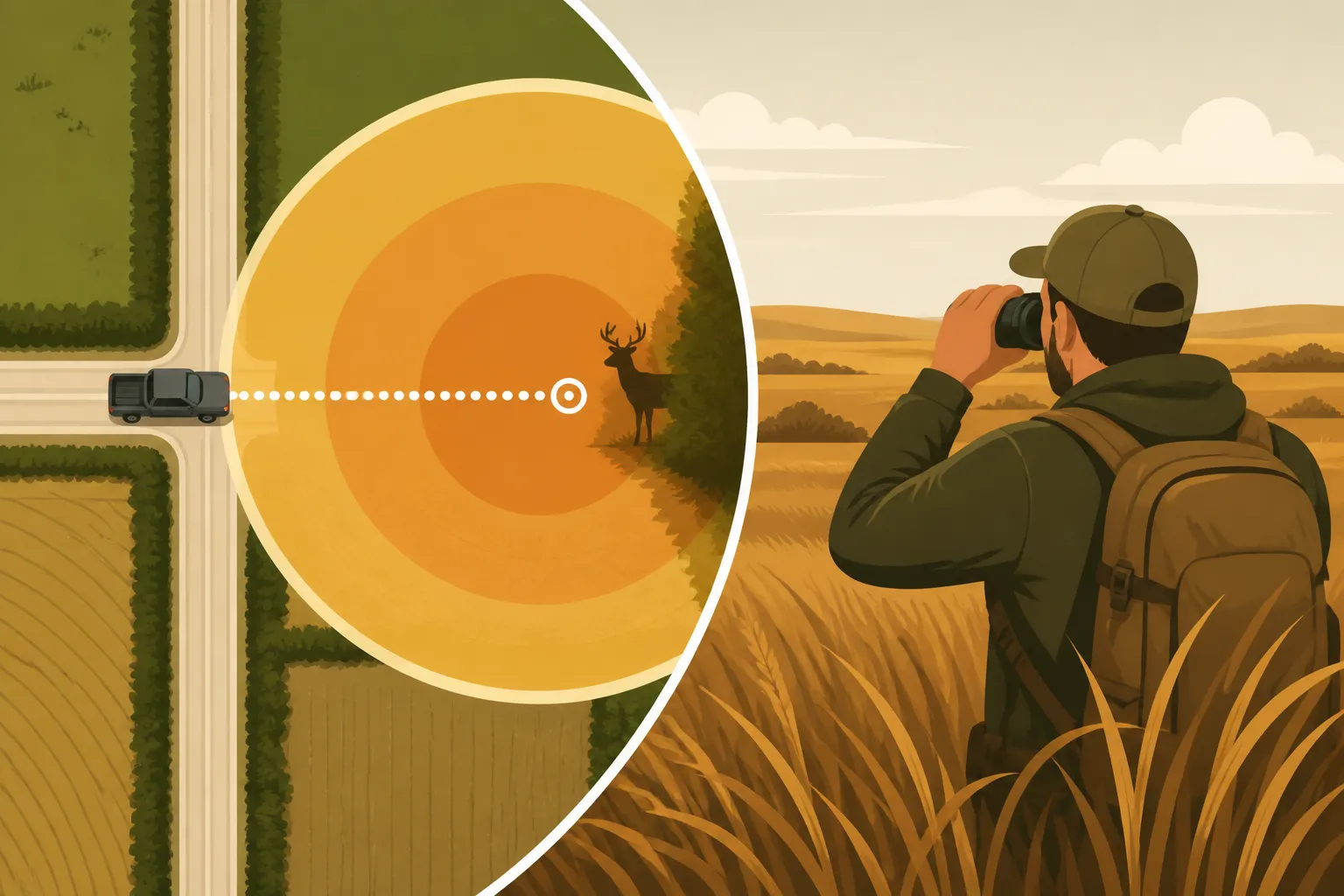
One of the biggest frustrations for North Dakota hunters, especially those relying on public land, is showing up to a promising-looking spot only to find boot tracks leading in from the section road or vehicles already parked along the shoulder. This common scenario makes you wonder: just how far do you really need to walk from a section road to find undisturbed game? This guide will dive deep into that question, offering insights on hunter pressure, game behavior, and practical strategies to help you get away from the crowds and into the animals.
The Reality of Hunter Pressure Near Roads
It's no secret that easy access often means more competition. Whether you're chasing pheasants, whitetails, or even sharptails, animals quickly learn to associate human activity, vehicle noise, and readily accessible food plots or cover with danger. Understanding this fundamental dynamic is the first step toward successful hunting in North Dakota.
Understanding Hunter Pressure's Impact
Think about it: most folks, especially those new to an area or short on time, will typically stick close to where they can park their vehicle. A quick walk across a field edge, a hundred yards into a shelterbelt, or just over the first rise—these are the "easy access" zones that see the most pressure. When multiple hunters visit these same spots day after day, week after week, the game animals, particularly deer, become incredibly wary. They adjust their patterns, becoming more nocturnal, moving deeper into thick cover, or simply abandoning heavily pressured areas altogether. This is a common challenge that makes Hunting Pressure on North Dakota Public Land a critical topic for many.
How Game Animals React to Human Disturbance
Game animals, especially whitetail deer and even elusive pheasants, are highly sensitive to consistent human intrusion. A mature buck isn't going to casually browse in a food plot twenty yards from a bustling road during daylight hours if he's been bumped repeatedly. He'll learn to use that plot only under the cover of darkness, or find an alternative, more secluded food source. Similarly, pheasants will run, flush wild, or hold incredibly tight in heavy cover, often just out of sight, if they've learned that the nearest road means hunters. Mule deer in the Badlands, while often found in rougher terrain, are no different; constant vehicular traffic or human scent along key access points will push them into deeper, more remote coulees and breaks. This wariness is often magnified in areas with high human population density or during peak hunting weekends.
Factors Influencing Optimal Walking Distance
Determining the "right" distance to walk from a section road isn't a fixed number; it's a dynamic equation influenced by several key variables. What works for pheasants in a grassy ditch might be entirely inadequate for a trophy whitetail buck holding tight in river bottom timber.
Terrain and Topography
North Dakota's landscape is diverse, from the rolling prairie potholes to the rugged Badlands, and the lay of the land significantly dictates how far you need to travel. In flat, open prairie country, even a slight dip or rise can offer enough visual obstruction to make a few hundred yards feel like a mile to an animal, creating a sense of security. Here, a mile walk might still feel "close" if you can be easily seen. However, in the broken topography of the Badlands, just walking over the first major ridge or into the bottom of a deep coulee can put you out of sight and scent from a section road within a few hundred yards. Hunting North Dakota's Badlands Mule Deer Country often involves traversing such terrain, where elevation changes provide immediate seclusion. The denser cover of river bottoms or timbered areas also offers more immediate concealment, meaning game might hold closer to roads if that cover is abundant.
Available Cover and Habitat
The type and density of vegetation play a huge role. If you're hunting along a river bottom lined with thick stands of timber, willows, and cattails, deer might bed down surprisingly close to a road because the cover is so impenetrable. A short 300-yard walk into such a thicket can feel like stepping into another world, far removed from human activity. Conversely, in an area of sparse CRP grass or harvested fields, you'd need to walk significantly further—perhaps a mile or more—to get out of sight and sound range of a road and into truly undisturbed habitat. Understanding Hunting a Shelterbelt Edge for Deer emphasizes how certain habitat features can concentrate animals, sometimes closer to access points than you'd expect. A small, isolated patch of heavy cover on the open prairie can act as a magnet for deer, especially if it's a half-mile or more from the nearest road.
Species-Specific Behavior
Different game animals have different flight tolerances and preferred habitats.
- Pheasants: These birds will run for hundreds of yards before flushing, especially if pressured. A good strategy might be to walk past the initial "easy" cover right off the road and head for the thicker, deeper pockets a quarter to a half-mile in, particularly in areas like a large PLOTS tract of cattails or switchgrass.
- Whitetail Deer: Bucks, especially mature ones, are masters of evasion. They often utilize thick, nasty cover that most hunters avoid. To get into these areas, you might need to walk anywhere from half a mile to two miles or more from an accessible road, particularly in areas with significant human activity. They'll often bed down in dense river bottom timber or deep draws, like those mentioned in Reading a Missouri River Bottom for Deer.
- Mule Deer: Muleys in the Badlands also seek out rugged, inaccessible terrain. While they might appear exposed on a ridge, their escape routes are often into incredibly steep, broken country. To find less-pressured mule deer, you might be looking at hiking a mile or more into the Badlands draws and coulees, often climbing up and down multiple drainages.
- Waterfowl: For ducks and geese, road access can be almost irrelevant if you're targeting a distant pothole or a major lake like Sakakawea. However, if you're hunting smaller prairie potholes or agricultural fields, getting away from roads to set up decoys often means carrying your gear a good distance to avoid being seen or heard by birds flying over.
Time of Season and Weather
Early season hunts, when leaves are still on the trees and cover is dense, might allow animals to feel secure closer to roads. As the season progresses into late fall and winter, however, cover diminishes, and animals become more wary. This is especially true after the opening week of gun season, when pressure spikes.
- Opening Weekend: Expect to walk further. Everyone is out, and animals are quickly educated. Getting a mile or two from a road can be key to finding undisturbed game.
- Late Season: With snow on the ground and less cover, animals are even more sensitive. They'll often concentrate around reliable food sources and the thickest thermal cover, which can be further from roads. Hunters willing to brave the cold and trek into these areas often find success.
- Weather: Bad weather, like heavy rain, strong winds, or a fresh snowfall, can actually reduce hunter pressure. On such days, animals might move more freely, and you might not need to walk quite as far to find them, simply because fewer people are out to disturb them. However, snow also means tracks, which means other hunters can follow, so it's a double-edged sword.
Practical Strategies for Remote Access
It's one thing to know why you should walk further, but how do you actually do it effectively and smartly? It comes down to preparation, planning, and a little grit.
Pre-Season Scouting and Map Study
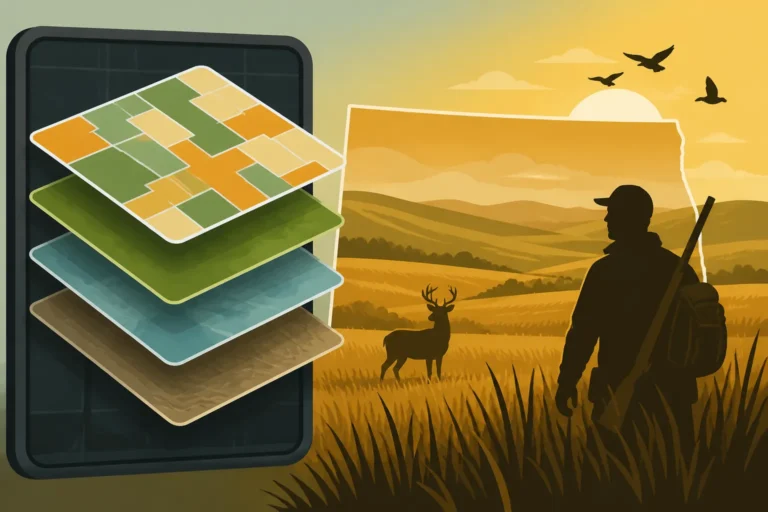
The best way to figure out how far you need to walk is to put in the time before the season even starts. Utilize aerial imagery, topographic maps, and even on-the-ground scouting (where legal and permissible) to identify potential bedding areas, food sources, and travel corridors that are a significant distance from roads. Look for natural barriers like deep creek drainages, thick timber, or steep terrain that deter most hunters. These areas are your golden ticket. Mapping applications like onX Hunt are invaluable here, allowing you to layer satellite imagery with public land boundaries, topo lines, and even private property ownership. You can drop pins on potential parking spots and then map out hypothetical walking routes, calculating distances and elevation changes. This helps you understand what a half-mile or a mile walk truly looks like in that specific location. Scouting PLOTS Land With the ND Hunt App is a fantastic resource for this kind of planning.
Leveraging Public Access Points
North Dakota's PLOTS (Private Land Open To Sportsmen) program is a hunter's best friend, but even here, the prime spots closest to road access points often get hit hard. Don't just pull up to the first PLOTS sign you see and start walking in. Study the entire parcel. Are there multiple section roads bordering a large PLOTS tract? Most hunters will pick the most obvious access. Can you find a less visible, perhaps less convenient, access point that requires a slightly longer walk, but opens up a vast, unpressured interior? Sometimes, a little-used field approach or even a walk-in access that isn't directly on a main road can make all the difference. Remember, the goal is to get into those areas that other hunters deem "too far" or "too much effort." You might also find that Finding PLOTS Ground Others Walk Past is crucial for finding success.
Footwear and Physical Preparation
If you're planning to consistently walk a mile, two miles, or even more into your hunting spots, your physical conditioning and gear choices become paramount.
- Footwear: Invest in high-quality, comfortable, broken-in boots that provide good ankle support. Nothing ruins a hunt faster than blisters or sore feet a quarter-mile in. Waterproofing is also non-negotiable for North Dakota's often damp or snowy conditions.
- Layering: Dress in layers so you can adjust to exertion. You'll warm up quickly on a long walk, even on a cold morning, and sweat is your enemy in cold weather.
- Hydration and Nutrition: Carry water and snacks, even for what seems like a "short" hike. Staying hydrated and fueled will keep your energy levels up and your mind sharp.
- Fitness: Consider incorporating walks, hikes, and even some stair climbing into your routine before the season. This kind of Physical Prep for Badlands Elk Terrain isn't just for elk hunters; it applies to anyone wanting to reach remote deer or bird cover.
Considering Retrieval Challenges
While getting to your hunting spot is one thing, getting your game out is another entirely. If you plan to walk two miles into a remote coulee for a deer, you need a realistic plan for retrieval.
- Gear: Do you have a deer cart, a good pack frame, or a heavy-duty sled? Are you hunting with a partner who can help?
- Terrain: Dragging a deer across a mile of flat, frozen stubble is different from hauling it up and down steep Badlands hills or through dense river bottom tangles. Factor in the terrain you'll be traversing after the shot.
- Time of Day: A successful hunt deep in at last light means a long, dark walk back, potentially with an animal. Always carry a headlamp and extra batteries. Planning for this reality might influence how far you're willing to go, especially if hunting solo.
Tools and Technology for Extended Access
Modern hunting has been revolutionized by technology, making it easier than ever to plan, navigate, and execute hunts that take you far from the beaten path.
GPS Mapping Applications
This is where your smartphone becomes your most critical piece of gear. Apps like onX Hunt and GoHunt provide detailed satellite imagery, topographical maps, and public/private land ownership overlays right in your pocket.
- Mapping Routes: Use these apps to mark your parking spot, identify potential entry and exit routes, and visualize the terrain. You can measure distances, see elevation changes, and get a realistic sense of how long a walk will take.
- Boundary Awareness: Crucially, these apps clearly show property lines. This helps ensure you're always on legal hunting ground, especially when venturing deep into large public areas or adjacent to private land.
- Marking Sign: When scouting, you can drop pins on fresh deer sign, pheasant roosts, or water sources. This allows you to build a comprehensive picture of game movement and habitat use that you can revisit during the season, informing your decision on how far to walk.
- Navigation: Once you're out there, the GPS function helps you navigate in low light or unfamiliar terrain, ensuring you can find your way back to your vehicle even after a multi-mile trek.
E-bikes or Carts (Where Allowed)
In some areas, especially where motorized vehicles are restricted but non-motorized travel is allowed, an electric bike or a sturdy game cart can significantly extend your effective range.
- E-bikes: On designated trails or two-track roads, an e-bike can get you several miles into an area much faster and with less effort than walking, allowing you to access terrain that would otherwise be too far for a day hunt. Always check specific regulations for the public land you're hunting, as rules vary regarding e-bike use. Vehicle Rules on North Dakota Public Land provides critical details on what's permissible.
- Game Carts: For carrying heavy gear in and out, or for hauling out a deer, a quality game cart can be a lifesaver. While they can be cumbersome in thick brush or very steep terrain, on old two-track roads or relatively flat ground, they greatly reduce the physical strain of long distances.
Knowing When to Turn Back
While the goal is to get away from the crowds, there's a fine line between a challenging hunt and an unsafe situation.
- Time Management: Always be aware of the time, especially when heading deep into unfamiliar territory. Factor in travel time both ways and leave a buffer for unexpected delays or a successful harvest.
- Weather Conditions: North Dakota weather can change rapidly. A clear morning can quickly turn into a blizzard. If you're miles from your vehicle and the weather shifts dramatically, it might be time to cut your hunt short.
- Physical Limits: Know your own physical limits. Pushing too hard, especially when alone, can lead to exhaustion, injury, or poor decision-making. There's no shame in turning back if conditions are unfavorable or you're simply running out of steam. The animals will be there another day.
Ultimately, the ideal distance to walk from a section road in North Dakota is a dynamic calculation, not a static answer. It hinges on the specific landscape, the animal you're pursuing, the hunting pressure, and your own physical capabilities. However, a good rule of thumb is this: if you can still easily hear traffic or see other hunters' vehicle lights, you probably haven't walked far enough. Pushing beyond that initial quarter-mile, often into the half-mile to two-mile range, is where you truly start to find less pressured game and experience the solitude North Dakota's wild spaces can offer.
| Factor | Minimal Walking Distance (approx.) | Moderate Walking Distance (approx.) | Significant Walking Distance (approx.) |
|---|---|---|---|
| Hunter Pressure | Low (mid-week, bad weather) | Average (most weekends) | High (opening day, ideal weather) |
| Terrain | Dense cover, deep draws | Rolling hills, scattered trees | Open prairie, sparse cover |
| Species (General) | Pheasants (running birds) | Whitetail Deer, Sharptails | Mature Bucks, Mule Deer, Elk |
| Time of Season | Early season (dense foliage) | Mid-season | Late season (minimal cover, snow) |
| Objective | Quick hunt, high traffic area | Average success, some seclusion | Undisturbed game, trophy potential |
| Typical Range | 100-400 yards | 400 yards – 1 mile | 1-3+ miles |
Disclaimer
This article is for general informational purposes only and does not constitute professional advice. Laws, prices and regulations vary by location and change over time. Consult a qualified professional for guidance on your specific situation.