Pronghorn Hunting Western North Dakota
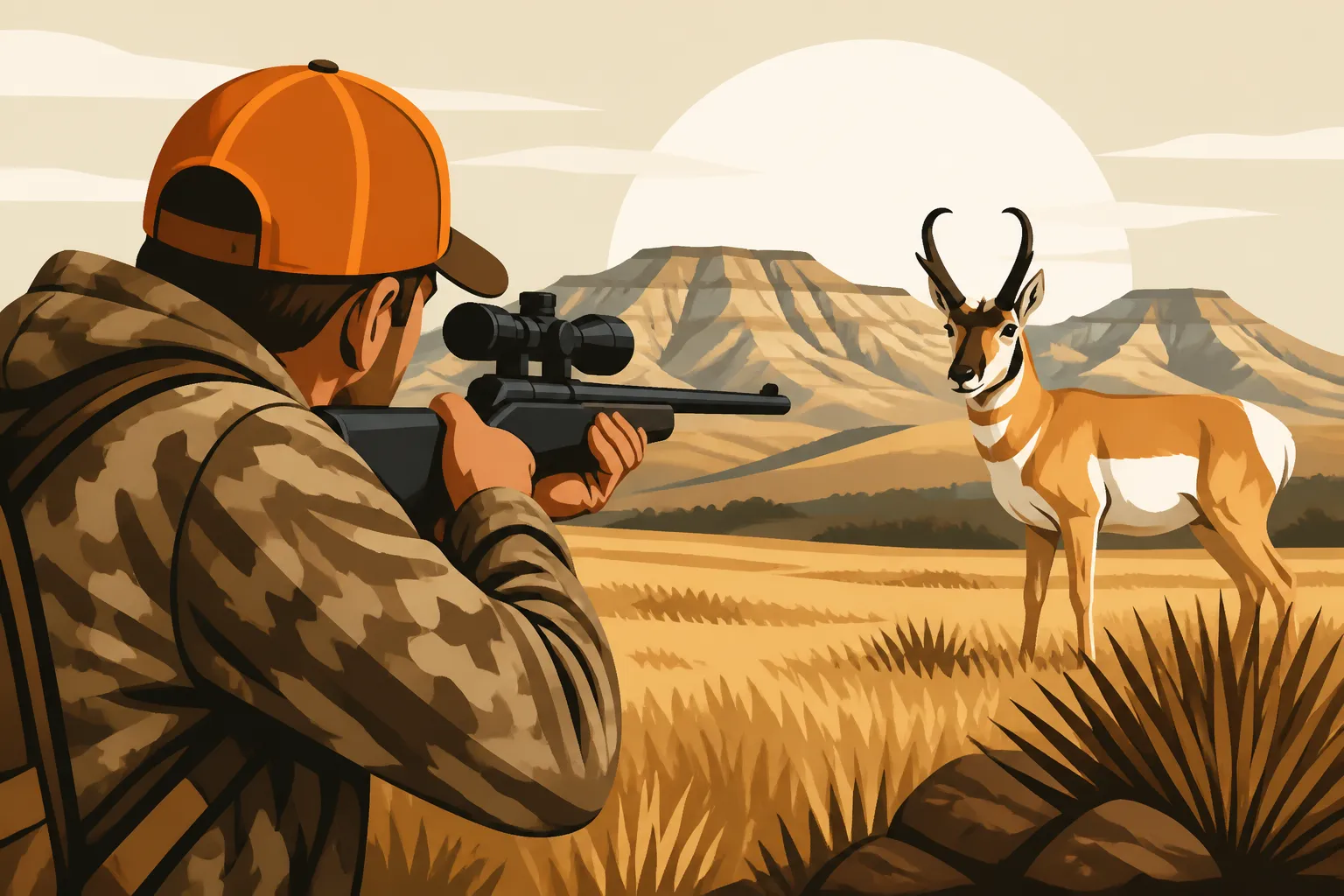
Western North Dakota, with its vast, open landscapes and unique prairie environment, offers an incredible opportunity to pursue pronghorn. But let's be honest, hunting these speedsters isn't like chasing deer in the timber. The sheer openness can feel intimidating, the distances involved are daunting, and their keen eyesight makes getting close a real challenge. This guide will walk you through everything you need to know to confidently plan and execute a successful pronghorn hunt in the beautiful, yet demanding, country of North Dakota.
Understanding North Dakota Pronghorn
Before you even think about packing your gear, it's crucial to understand the animal you're pursuing. Pronghorn, often mistakenly called antelope, are truly unique to North America, and North Dakota's herds are a testament to successful conservation efforts. Knowing their habits, preferred environments, and population dynamics will give you a significant edge.
Population Dynamics and Distribution
North Dakota's pronghorn population, while not as vast as some western states, is a healthy and carefully managed resource. These herds are primarily found in the western and southwestern regions of the state, particularly in counties like Bowman, Slope, Golden Valley, and parts of McKenzie and Billings. You won't find them in the dense woodlands of eastern North Dakota; they are creatures of the open prairie and badlands. The North Dakota Game and Fish Department conducts annual aerial surveys to monitor the population and inform tag allocations, which fluctuate based on herd health and winter severity.
After a few challenging winters in the past, the population has shown remarkable resilience. The ability of these animals to bounce back from harsh conditions is incredible, and careful management by the state ensures sustainable hunting opportunities. Understanding these trends, like those discussed in "North Dakota Pronghorn Population Trends", can give you insights into where populations might be stronger in a given year, helping you focus your efforts. While their numbers might not always allow for a tag every year, particularly for non-residents, the quality of the hunt and the animals themselves are truly exceptional when you do draw.
Behavior and Habitat Preferences
Pronghorn are truly built for speed and survival in wide-open country. Their incredible eyesight – often compared to that of an 8x binocular – is their primary defense, allowing them to spot danger from miles away. This makes them notoriously difficult to approach. They prefer vast grasslands, sagebrush flats, and the rolling terrain of the Badlands, where they can utilize their vision to full effect. You'll rarely find them in heavy timber or dense river bottoms; they favor areas where they can see for long distances and escape predators with their blistering speed, which can reach up to 60 miles per hour.
Their diet consists primarily of forbs, grasses, and sagebrush, so focusing your scouting on areas with good forage is key. They often congregate near water sources, especially during dry periods, making those areas prime spots for observation. During the rut, typically in late September to early October, bucks become highly territorial, aggressively defending their harems of does. This behavior can sometimes be exploited by hunters using decoys, but it also means bucks are constantly on the move, checking on their does and fending off rivals. Knowing these behaviors, like their tendency to bed on slight rises where they can maintain visibility, will help you predict their movements and plan your stalk.
Key Considerations Before Your Hunt
Planning a pronghorn hunt in North Dakota requires a keen understanding of the administrative and environmental factors at play. Getting your ducks in a row well in advance will save you headaches and ensure you're legally prepared for the field.
License and Tag Requirements
North Dakota pronghorn tags are highly coveted and are allocated through a lottery system, meaning you'll need to apply well in advance and hope your name is drawn. This isn't a walk-up-and-buy-a-tag kind of hunt. The application period typically opens in the spring, often around May, with deadlines usually in early June. Non-residents face even stiffer competition, as a limited number of tags are available to them, and they are restricted to specific units. It’s absolutely vital to be aware of the "North Dakota Pronghorn Application Deadline" and submit your application on time, ensuring all your information is correct.
Beyond the specific pronghorn tag, you’ll also need to purchase a general game and habitat license, which is a prerequisite for all big game hunting in the state. For non-residents, this can be a significant upfront cost, but it's an investment in a potentially once-in-a-lifetime experience. Make sure you understand all the components of "North Dakota Hunting Licenses and What They Cost" to avoid any surprises. Always double-check the current year's regulations on the North Dakota Game and Fish Department website, as rules and fees can change annually. Missing a deadline or misunderstanding a requirement can cost you a hunting season.
Season Dates and Regulations
Pronghorn archery season typically opens in early September, offering hunters a longer window and the challenge of getting within bow range. The firearm season, which is much shorter, usually runs for about nine days in early October. These dates are critical and can vary slightly year to year, so always confirm the official calendar published by the North Dakota Game and Fish Department. The limited length of the firearm season means you need to make every day count if you're lucky enough to draw a tag.
Specific units will have varying tag quotas and sometimes special restrictions. Some units might be open for either-sex pronghorn, while others may be buck-only to manage herd composition. Understanding these nuances for the unit you draw is paramount. For instance, knowing if you're in a unit with specific antler point restrictions or if only male pronghorn tags are issued. Beyond the species-specific rules, general hunting regulations like legal shooting hours, vehicle restrictions on public lands, and blaze orange requirements for firearm season also apply. These details are not just suggestions; they are laws that can lead to fines or loss of hunting privileges if not followed.
Weather and Terrain Factors
Western North Dakota's weather is famously unpredictable. A beautiful, calm autumn morning can quickly turn into a fierce, wind-driven blizzard or a scorching hot afternoon. Preparing for all four seasons in a single day isn't an exaggeration. Early season archery hunts can see temperatures ranging from frosty mornings to T-shirt weather by midday, while late-season firearm hunts often bring bitter cold, strong winds, and the potential for early snow. These extreme conditions can significantly impact pronghorn behavior, often driving them to seek shelter in coulees or bottomlands during severe weather.
The terrain itself is a mix of vast, rolling prairie, interspersed with coulees, draws, and the rugged badlands formations. While much of it appears flat from a distance, there are countless subtle undulations, small hills, and breaks that pronghorn use for cover and hunters use for stalking. The sheer scale of the landscape means you'll be covering a lot of ground, often on foot, so physical conditioning is non-negotiable. Walking miles in uneven terrain, especially when carrying optics and a rifle, can be incredibly taxing, even for the most seasoned hunter. Knowing what to expect from the landscape, from muddy roads after rain to steep, slick badlands slopes, will help you pack appropriately and move safely through the environment.
Scouting and Pre-Hunt Preparation
Success in pronghorn hunting often hinges on what you do before the season even opens. These animals are incredibly astute, and a well-planned approach, backed by diligent scouting, is far more likely to yield results than simply showing up and hoping for the best.
E-Scouting with Modern Tools
In today's hunting world, digital scouting tools are indispensable, especially for vast, open country like western North Dakota. Platforms like GoHunt provide invaluable satellite imagery, topographical maps, and public/private land ownership data layers that allow you to dissect potential hunting areas from the comfort of your home. You can identify potential water sources, key travel corridors between feeding and bedding areas, and terrain features that could offer cover for a stalk. I always recommend spending hours poring over these maps, looking for those subtle breaks in the terrain or isolated patches of cover that might hold pronghorn.
Specifically, look for long, sweeping draws, the edges of agricultural fields, and areas where open prairie transitions into more rugged badlands topography. These transition zones are often hotspots. Using GoHunt's historical weather data can also help you understand wind patterns and how they might affect game movement and your scent dispersion. Identifying potential access points, parking spots, and figuring out general routes on public lands or through potential private land parcels with permission is much easier digitally. This saves immense time and effort once you're on the ground, preventing you from driving countless miles looking for "Posted" signs or dead-end roads.
On-the-Ground Reconnaissance
While e-scouting is fantastic for narrowing down areas, there's absolutely no substitute for putting boots on the ground. A pre-season trip, if possible, is worth its weight in gold. Drive the section roads, identify where pronghorn are actively feeding, and note their typical travel patterns. Pay close attention to water sources and any distinct features like old homesteads or abandoned farm equipment that might draw their curiosity or offer a vantage point. This is where you confirm what your maps told you and discover the nuances only visible in person.
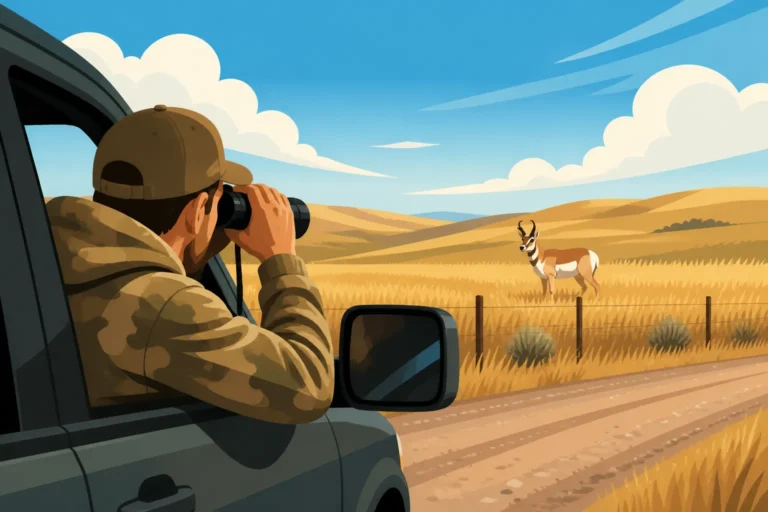
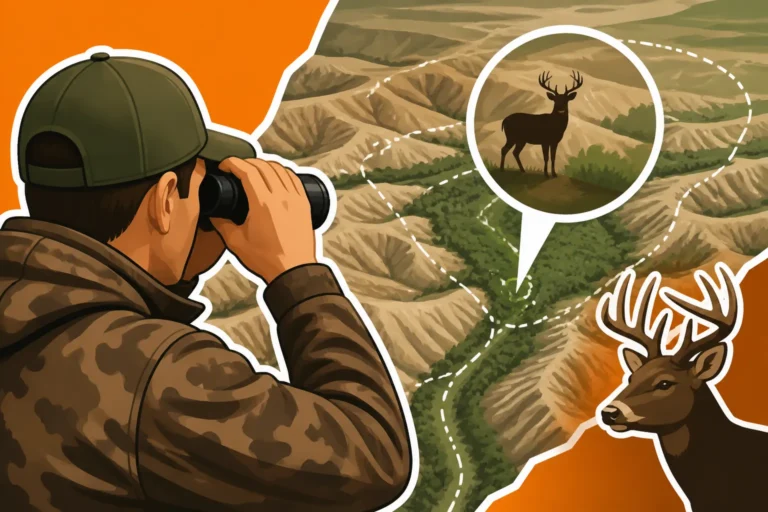
Bring high-quality optics – binoculars and a spotting scope – and spend time glassing. Pronghorn are masters of blending into the vast landscape, and what looks like a distant rock can often resolve into an animal. "Spotting Pronghorn From a Section Road" is a skill you'll hone during this phase. Look for groups of does and fawns, as bucks will often be nearby, especially as the rut approaches. Take note of any areas with fresh tracks or droppings, indicating recent activity. If you're considering hunting "Hunting North Dakota's Little Missouri National Grassland," drive the main roads and scan the horizon. This reconnaissance helps you understand the scale and challenges of the terrain, enabling you to better plan your actual hunt.
Physical Conditioning
Let's not sugarcoat it: pronghorn hunting in North Dakota can be physically demanding. The distances are long, the terrain is often uneven, and you'll be doing a lot of walking, often at a brisk pace during a stalk. Being able to cover ground silently and efficiently, sometimes under the pressure of a time-sensitive stalk, requires a good level of fitness. Don't underestimate the impact of strong winds, which can be relentless on the open prairie and make every step feel like an uphill battle.
Leading up to your hunt, focus on cardiovascular exercises like running, hiking, or even brisk walking with a weighted pack. Incorporate exercises that strengthen your core and legs, which will be crucial for navigating uneven terrain and maintaining steady shooting positions. Simulate carrying your rifle and pack for extended periods. The last thing you want is to draw a coveted tag, spot the buck of a lifetime, and then be physically unable to execute a successful stalk or shot because you're out of breath and shaking. Prepare your body for the hunt, and you'll significantly increase your chances of success and enjoyment.
Hunting Strategies for Pronghorn
Once you're in the field, ready to pursue these incredible animals, having a clear strategy is paramount. Pronghorn demand patience, precise execution, and an understanding of their acute senses.
Spot-and-Stalk Techniques
The quintessential North Dakota pronghorn hunting method is the spot-and-stalk. This strategy involves covering large areas with your optics, locating a target animal, and then meticulously planning an approach to get within shooting range without being detected. Because pronghorn eyesight is so exceptional, you need to use every piece of available cover, no matter how small. A slight rise, a patch of tall grass, a solitary sagebrush, or even a subtle dip in the terrain can be your best friend.
When you spot a buck, the first step is to assess the wind direction – this is absolutely critical. Pronghorn have a keen sense of smell, and a single whiff of human scent will send them scattering. Next, analyze the terrain between you and the animal using your binoculars or GoHunt's map overlays if you have cell service. Look for hidden drainages, low spots, or even the back side of small hills that can shield your approach. Your stalk might involve long crawls on your hands and knees, taking advantage of every ripple in the landscape. Patience is key; rushing a stalk is almost always a recipe for disaster. Sometimes, you'll need to circle miles around to get the wind right and use the best cover. Remember, it’s not always about the shortest distance, but the most concealed. For detailed insights into this, check out "Stalking Pronghorn on Open Grassland".
Decoying and Ambush Hunting
While spot-and-stalk is dominant, decoying can be an incredibly exciting and effective alternative, especially during the rut when bucks are more aggressive and territorial. A well-placed, lifelike pronghorn decoy can pique a buck's curiosity or challenge its dominance, drawing it into closer range. The key is to position yourself downwind of the decoy, hidden in sparse cover, allowing the buck to approach the decoy without detecting you. Many hunters use a "run-and-gun" style of decoying, where one hunter holds the decoy while the shooter sets up 50-100 yards behind them, ready to take the shot as the buck commits.
Ambush hunting, while less common for pronghorn due to their constant movement, can sometimes be effective near water sources, especially during dry spells. Identifying a well-used waterhole during your scouting phase, then setting up a ground blind or finding natural cover downwind before first light, can sometimes pay off. Pronghorn will eventually need to drink, and if you're patient and well-concealed, you might get a shot. However, be prepared for long waits and recognize that this method is less consistent than spot-and-stalk for these wide-ranging animals.
Understanding Wind and Thermals
The open nature of western North Dakota means wind is almost always a factor, and thermals, though less pronounced than in mountainous terrain, still play a role, particularly in the Badlands or along river breaks. Always, always, always hunt with the wind in your favor. Your scent will travel, and even a slight breeze can carry it across vast distances. Carry a small bottle of wind-checker powder and use it frequently to confirm wind direction, especially as you get closer to your target.
In areas with more significant elevation changes, such as coulees or river bottoms, thermals can be present. Early in the morning, air often flows downhill as the ground cools. As the sun rises and heats the ground, thermals will typically reverse and start pulling air uphill. While these are not as strong as in high mountains, being aware of them can prevent you from inadvertently blowing your scent into a drainage where a buck might be bedded or traveling. Always consider how both wind and thermals will carry your scent and plan your approach accordingly, taking advantage of every single directional change.
Gear Essentials for Western North Dakota Pronghorn
Successfully hunting pronghorn requires specialized gear that can stand up to the vast distances, unpredictable weather, and the keen senses of these animals. Skimping on essentials can severely hinder your success.
Optics: The Pronghorn Hunter's Best Friend
If there's one area where you absolutely cannot compromise for pronghorn hunting, it's optics. Given their incredible eyesight and the expansive terrain, you'll spend far more time glassing than walking. High-quality binoculars (10×42 or 12×50 are popular choices) are critical for covering vast amounts of country. Don't just scan; methodically grid search areas, picking apart every sagebrush, rock, and ripple in the landscape. A good pair of binos will allow you to do this for hours without eye fatigue.
Equally important, if not more so, is a reliable spotting scope, ideally in the 60-80mm objective range with 20-60x magnification. This is what you'll use to confirm if that distant speck is indeed a pronghorn, and more importantly, if it's a shooter buck. You'll need it to count points, assess body size, and confirm legality from a mile or more away, saving you countless unnecessary stalks. Mount your binos and spotting scope on a sturdy tripod for maximum stability and reduced fatigue. This setup is your primary tool for "Spotting Pronghorn From a Section Road" and beyond. Brands like Swarovski, Zeiss, Vortex, and Leupold are renowned for their optical clarity and durability in the field.
Rifles, Ammunition, and Shooting Rests
For pronghorn, flat-shooting calibers are preferred due to the often long-range shooting opportunities. Distances of 200-400 yards are common, and shots beyond that are not unusual in this open country. Popular choices include .243 Winchester, 6.5 Creedmoor, .270 Winchester, .25-06 Remington, and .300 Winchester Magnum. The key is to practice extensively with your chosen rifle and ammunition, becoming proficient at these longer ranges. Know your rifle's ballistic drops at various distances and in different wind conditions.
A quality scope with clear glass and a reliable turrets or a BDC (Bullet Drop Compensator) reticle is essential. Remember to sight in your rifle to be dead-on at 200 yards, which will give you a manageable holdover for intermediate distances. Because shooting offhand at long ranges is extremely difficult, a solid shooting rest is indispensable. A bipod mounted on your rifle, a set of shooting sticks, or a sturdy backpack used as a rest will significantly improve your accuracy. Always practice shooting from different field positions – prone, kneeling, sitting – as you never know what cover or angle the stalk will dictate. For specific guidance on legal weapons, refer to "North Dakota Legal Firearms for Deer Hunting," as many of the same principles apply.
Appropriate Clothing and Footwear
Your clothing needs to be versatile, durable, and capable of handling drastic temperature swings and strong winds. Layering is the most effective approach. Start with a moisture-wicking base layer, add an insulating mid-layer (fleece or synthetic down), and top it off with a windproof and water-resistant outer shell. This allows you to adapt to changing conditions throughout the day. Opt for muted, natural colors or camouflage patterns that blend with the prairie and badlands environment.
Footwear is equally critical. You'll be doing a lot of walking, often on uneven, rocky, or sometimes muddy ground. Comfortable, broken-in hiking boots with good ankle support are a must. Look for waterproof boots, as dew-soaked grass or unexpected rain can quickly lead to cold, wet feet. Merino wool socks are highly recommended for their moisture-wicking and odor-resistant properties, helping prevent blisters during long days afield. Don't forget a wide-brimmed hat or baseball cap to protect your face from the sun and glare, and quality gloves that allow for dexterity while shooting.
Post-Harvest Care and Regulations
Harvesting a pronghorn is a fantastic achievement, but the hunt isn't over until the animal is properly cared for and all regulatory requirements are met. Ensuring you follow all post-harvest rules is just as important as the hunt itself.
Field Dressing and Meat Care
Once your pronghorn is down, the clock starts ticking, especially if temperatures are warm. Pronghorn meat is lean and can spoil quickly if not handled properly. Prompt field dressing is essential to cool the carcass rapidly. Remove the entrails completely, and if permitted, consider splitting the brisket to allow for maximum airflow. Carrying game bags is highly recommended to protect the meat from dirt, flies, and other contaminants. For insights into general cold-weather meat care, the "Field Dressing a Deer in Cold Weather" article offers some relevant tips, though pronghorn often requires even faster cooling due to their body structure and the typical early-season heat.
If you're hunting in warmer weather, getting the animal quartered and into coolers with ice as soon as possible is paramount. Many hunters carry large coolers specifically for this purpose. If you're far from your vehicle, a game cart can be invaluable for transporting the carcass or quarters. The goal is to get the body heat out of the meat as quickly and efficiently as possible to ensure high-quality venison. Remember, a successful hunt isn't just about the shot; it's about respectful and responsible care of the animal post-harvest.
Tagging and Reporting Requirements
After field dressing, the very next step is to attach your tag to the pronghorn, clearly indicating the date of harvest. In North Dakota, this tag must be securely affixed to the carcass immediately after the kill and remain with the animal until it's processed. Failure to properly tag an animal is a serious violation. Carefully read the instructions on your physical tag to ensure you attach it in the correct location and fill out all required information.
North Dakota also requires hunters to report their harvest, typically within a short timeframe after the animal is taken. This can usually be done online through the North Dakota Game and Fish Department's website or via their mobile app. You'll need information from your license and tag. This reporting is crucial for wildlife management, as it provides data that helps the department manage populations and set future tag allocations. Don't forget this step; it's a vital part of your responsibility as a hunter. The "North Dakota Deer Reporting Deadline" offers similar guidance, highlighting the importance of timely reporting.
CWD and Sample Submission
Chronic Wasting Disease (CWD) is a persistent concern for wildlife managers across North America, including in North Dakota. Certain hunting units in North Dakota have been designated as CWD surveillance areas. If you harvest a pronghorn in one of "North Dakota's Expanding CWD Hunting Units," mandatory or voluntary testing may be required. This usually involves submitting the head (or specific lymph nodes/brain stem) to a designated CWD sampling station.
Be aware of the specific CWD regulations for your hunting unit. The North Dakota Game and Fish Department provides maps of CWD zones and locations of sampling stations. It's good practice to familiarize yourself with these locations during your pre-hunt scouting. This isn't just about compliance; it's about contributing to the health of the herd and helping wildlife biologists track the spread of this serious disease. Ensure you follow all instructions for sample submission to assist in these important monitoring efforts.
Accessing Hunting Land in North Dakota
Finding a place to hunt pronghorn in western North Dakota can be a challenge, particularly for non-residents. However, with good planning and an understanding of the different land types, opportunities abound.
Public Land Opportunities
North Dakota boasts a significant amount of public land accessible to hunters, and much of it lies within prime pronghorn country. The most prominent is the Little Missouri National Grassland, managed by the U.S. Forest Service. This vast, rugged landscape, encompassing over a million acres, is a fantastic place to pursue pronghorn. It's often where the more ambitious, self-reliant hunter will focus. However, the sheer size and ruggedness demand thorough scouting and a willingness to get away from roads. Understanding "How Many Acres Little Missouri Grassland Covers" gives you a sense of the scale of opportunity.
Beyond the National Grassland, hunters can also find opportunities on State School Trust Lands (often marked by yellow posts or signs), some Bureau of Land Management (BLM) tracts, and Wildlife Management Areas (WMAs) managed by the North Dakota Game and Fish Department. The key to hunting these lands is to confirm boundaries and regulations. Using mapping apps like GoHunt with public land overlays is essential for ensuring you're always on legal ground. Be aware that vehicle travel rules can vary greatly between different public land types; some allow off-road travel for game retrieval, while others strictly limit vehicles to designated trails. Always consult the current regulations for the specific land you plan to hunt.
Gaining Private Land Access
While public lands offer great opportunities, a significant portion of North Dakota's prime pronghorn habitat is privately owned. Gaining permission to hunt private land can significantly increase your chances of success, often providing access to less-pressured animals and potentially larger bucks. However, this isn't always easy. Showing respect, being polite, and offering to help with chores can sometimes open doors. "Knocking on Doors in North Dakota Farm Country" might sound old-fashioned, but it can still be effective.
Start by identifying potential private land parcels adjacent to public land or known pronghorn hotspots during your e-scouting phase. GoHunt can show you landowner names, which can be helpful if you need to look up contact information. When you approach a landowner, be clear about your intentions, offer to share contact information, and always leave the property cleaner than you found it. Respecting fences, gates, and avoiding damage to crops are non-negotiable. Remember, "North Dakota Trespass and Permission Law" is strict; you absolutely need permission to hunt private land, and even retrieving a downed animal from private property requires landowner consent.
Navigating PLOTS and National Grasslands
North Dakota's Private Land Open To Sportsmen (PLOTS) program is a fantastic initiative that provides public hunting access on private lands. These tracts are voluntarily enrolled by landowners and are generally marked with distinct yellow triangular signs. The PLOTS program is a boon for hunters, offering access to thousands of acres that would otherwise be off-limits. However, PLOTS land can have specific restrictions, such as walk-in only access or restrictions on certain activities. Always read the PLOTS signs carefully, and consult the current PLOTS guide or use the ND Hunt App for up-to-date information. "Scouting PLOTS Land With the ND Hunt App" is a valuable strategy for identifying these crucial access points.
When hunting the Little Missouri National Grassland, familiarize yourself with the specific regulations for that area. While generally open to hunting, there might be areas designated as Wilderness Study Areas where motorized vehicle use is severely restricted. Other areas might have specific rules regarding camping, fire, or the use of ATVs. Using a mapping application like GoHunt or onX Hunt, with its "onX Layers for North Dakota Land Status," will be critical for navigating these complex boundaries and understanding what regulations apply where. Always ensure you are on legal hunting grounds and following all rules, whether on PLOTS, National Grasslands, or other public accesses.
Challenges and Tips for Success
Pronghorn hunting is incredibly rewarding, but it comes with its own unique set of challenges. Being prepared for these hurdles will not only improve your odds but also make the experience more enjoyable.
Dealing with Long-Range Shots
One of the most significant challenges in western North Dakota pronghorn hunting is the potential for long-range shots. The open country often means you simply can't get as close as you'd like, despite a well-executed stalk. A 300-yard shot is often considered "close" in pronghorn country, and shots out to 400 or even 500 yards are not uncommon. This can be incredibly frustrating if you're not prepared.
To overcome this, extensive practice at extended ranges is crucial. Don't just practice at 100 yards; spend time shooting at 200, 300, and 400 yards, preferably from field positions you might actually use (prone with a bipod, or from shooting sticks). Know your bullet's trajectory intimately, perhaps by using a ballistic calculator. Understand how wind drift affects your bullet at these distances, as even a moderate breeze can push a bullet several feet off target at 400 yards. Invest in a quality rangefinder, and use it constantly. When you're in the field, if you find yourself at a range you're not confident in, pass on the shot. A clean kill is always the priority.
Coping with Hunter Pressure
While North Dakota pronghorn tags are limited, hunter pressure can still be a factor, especially during the firearm season or on easily accessible public lands. It's frustrating to execute a perfect stalk only to have another hunter drive up or walk in and spook your animal. This is a reality of hunting in accessible areas.
To minimize the impact of other hunters, be willing to put in the effort. Get away from the roads. Most hunters won't walk more than a mile or two from their vehicle. If you're willing to hike further into the Little Missouri National Grassland or deeper into a large PLOTS tract, you'll dramatically reduce encounters with other hunters and increase your chances of finding unpressured animals. Consider hunting during the week rather than on weekends if your schedule allows. Early mornings and late evenings are also generally less pressured times, as many hunters are returning to camp or just heading out. Developing your skills in "Finding PLOTS Ground Others Walk Past" can be a game-changer.
Adapting to Weather Extremes
As discussed, North Dakota weather is a force unto itself. A beautiful, calm morning can turn into a vicious windstorm, heavy rain, or even snow, all within a few hours. Hunting in these conditions can be miserable and dangerous if you're not prepared. High winds make spotting difficult, complicate shooting, and can cause animals to seek shelter. Sudden temperature drops can lead to hypothermia if you're not dressed correctly.
Always check the forecast before heading out, but be prepared for anything. Pack layers, waterproof outerwear, and enough food and water to last longer than you anticipate. If a major storm rolls in, know when to call it a day and seek shelter. Prioritize your safety above all else. Understanding how game animals react to severe weather can also give you an edge; pronghorn will often move to the lee side of hills or into deeper coulees to escape the wind. Adapting your hunting strategy to these conditions, rather than fighting them, will be key to a successful and safe hunt.
North Dakota Pronghorn Hunting Data Snapshot
Here's a quick look at some general information about pronghorn hunting in North Dakota. Keep in mind that specific dates and quotas change annually, so always consult the NDG&F website for the most current regulations.
| Category | General Information | Important Details |
|---|---|---|
| Primary Range | Western and Southwestern North Dakota | Bowman, Slope, Golden Valley, parts of McKenzie and Billings counties. |
| License Type | Lottery Draw (Limited Tags) | Must apply in late spring (May-June). Non-resident tags are very limited. |
| Application Deadline | Typically early June | Crucial to apply on time; check NDG&F website for exact date. |
| Archery Season | Early September – Late September/Early October | Longer season, requires closer range. Check specific dates annually. |
| Firearm Season | Early October (Approx. 9 days) | Much shorter season, typically follows archery. Check specific dates annually. |
| Legal Weapon | Rifle, Archery equipment | Minimum bullet diameter and other regulations apply for firearms. |
| Hunting Method | Spot-and-Stalk, Decoying (during rut) | Requires quality optics, patience, and physical fitness. |
| Average Shot Distance | 200-400+ yards | Practice long-range shooting and wind compensation. |
| Public Land Access | Little Missouri National Grassland, PLOTS, WMAs | Utilize mapping apps like GoHunt/onX to identify land types and boundaries. |
| Private Land Access | Requires landowner permission | Respect property, ask politely, follow all terms of agreement. |
| Tagging/Reporting | Mandatory | Tag immediately, report harvest online within required timeframe. |
| CWD Surveillance | Mandatory/Voluntary in certain units | Check CWD zone maps; submit samples at designated stations if required. |
| Key Challenge | Pronghorn eyesight, open terrain, long distances, weather | High-quality optics, physical conditioning, weather preparedness are vital. |
Disclaimer
This guide provides general information for pronghorn hunting in Western North Dakota. Hunting regulations, season dates, and license requirements are subject to change annually by the North Dakota Game and Fish Department. Always consult the official North Dakota Game and Fish Department proclamations and regulations for the current year before planning and executing your hunt. It is the hunter's responsibility to know and follow all applicable laws.