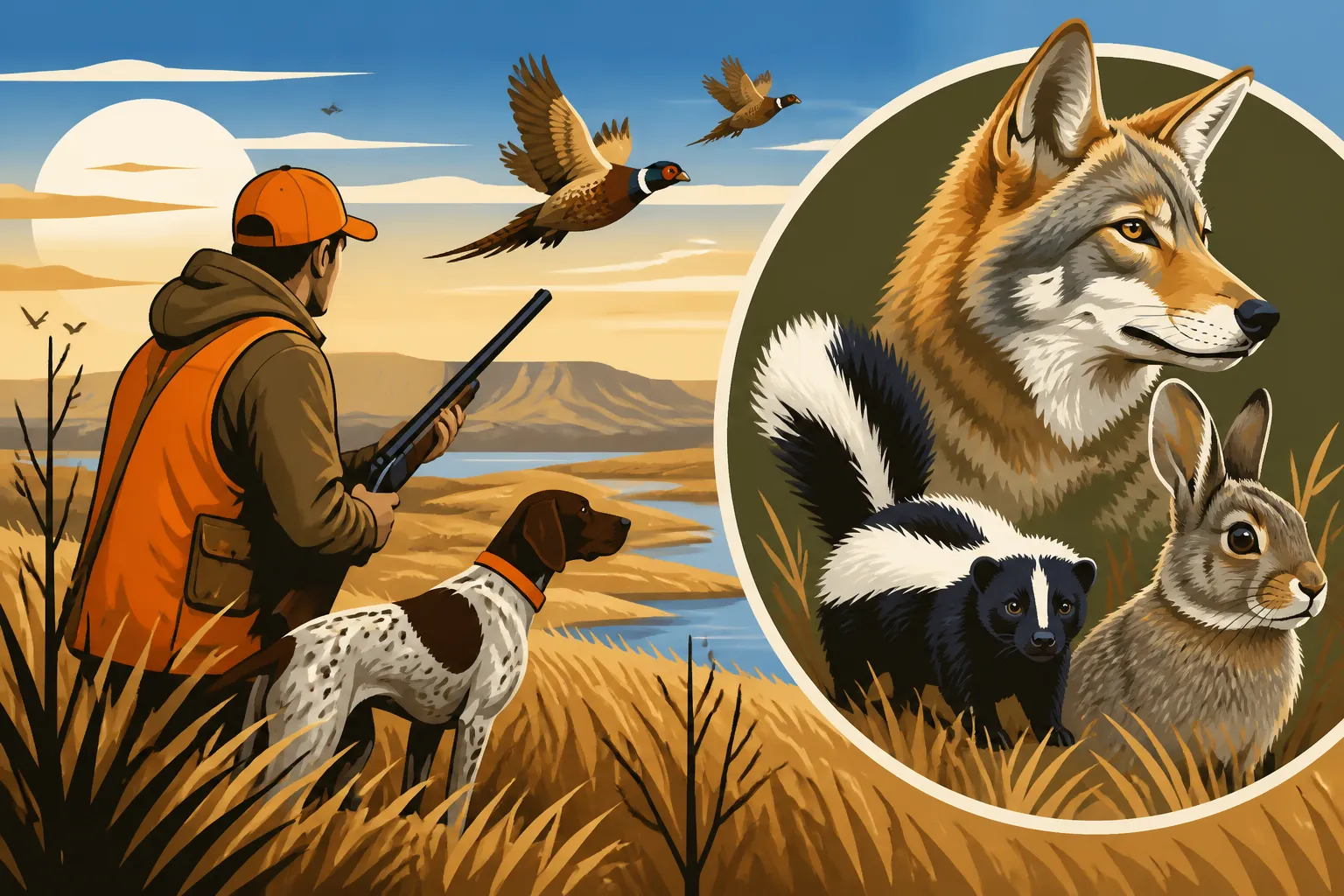
Small Game and Predator Hunting in North Dakota
There's a special kind of thrill that comes with hunting in North Dakota, and it's not always about chasing down the biggest whitetail or calling in a massive flock of geese. Sometimes, the most accessible, exciting, and skill-building opportunities lie in the pursuit of smaller game and elusive predators. Many folks feel intimidated by the big game lottery or the intense competition of waterfowl season, but small game and predator hunting offer a different rhythm—a chance to hone your instincts, explore vast landscapes, and enjoy more time afield without the same pressure. This comprehensive guide is dedicated to helping you unlock those rewarding experiences, detailing everything you need to know to successfully chase small game and predators across North Dakota's diverse terrain.
The Allure of North Dakota's Small Game Hunting
North Dakota is a paradise for hunters, and while deer and waterfowl often steal the spotlight, the small game opportunities here are truly exceptional. For many, small game hunting is where it all began, a way to learn the ropes, understand animal behavior, and develop crucial field skills without the hefty tag costs or the emotional rollercoaster of a once-in-a-lifetime draw. It’s also incredibly accessible, with seasons that typically run longer, offering more flexibility for busy schedules.
Why Small Game Offers Unique Opportunities
One of the biggest draws of small game hunting is its accessibility. You don't need to draw a coveted tag, and often, the seasons stretch for months, providing ample time to get out and enjoy nature. This means less planning pressure and more spontaneous trips. Small game species like grouse, partridge, rabbits, and squirrels are found in a wide variety of habitats, from dense river bottom timber to expansive prairie grasslands, making them available to hunters across the state. This diversity also means you can easily tailor your hunt to your preferred style, whether you enjoy long walks with a pointing dog or stealthy stalking with a .22 rifle.
Furthermore, small game hunting is an incredible training ground. It teaches you how to read the landscape, understand animal sign, master gun handling, and develop stealth and patience. The physical demands can be significant, especially when walking vast tracts of prairie for upland birds, which helps build stamina for those more strenuous big game hunts. It’s also a fantastic way to introduce new hunters, especially youth, to the ethics and enjoyment of hunting in a low-pressure environment. The action can be fast-paced and frequent, keeping engagement high, which is essential for fostering a lifelong love for the outdoors.
Understanding Key Small Game Species
North Dakota boasts a healthy population of several key small game species, each offering a unique hunting challenge. Knowing their habits and preferred habitats is crucial for success.
Sharptail Grouse: These iconic prairie birds are probably the most sought-after small game in North Dakota. They prefer open grasslands, especially those with a mix of native grasses, brush, and scattered croplands. You'll often find them on ridge tops or near breaks in the terrain. Their flush is explosive, and they fly fast, making for exciting shooting. Their numbers fluctuate with habitat conditions and winter severity, but generally, North Dakota offers robust opportunities.
Hungarian Partridge (Huns): Often found in similar areas to sharptails, Huns tend to stick closer to agricultural fields, shelterbelts, and fencelines. They are smaller than sharptails and typically hold tighter for pointing dogs, making them a favorite for those who enjoy working their canines. They're known for their tight covey flushes, where an entire group bursts into the air simultaneously, presenting a challenging, albeit brief, shooting window.
Cottontail Rabbits: Abundant in areas with thick cover—think brush piles, heavy draws, shelterbelts, and river bottoms. Rabbits are a fantastic species for late-season hunting, especially after a fresh snow, which reveals their tracks and makes them easier to spot against the white backdrop. They provide consistent action and are excellent table fare, too.
Squirrels (Fox and Gray): While less commonly targeted by dedicated hunters in North Dakota compared to other states, squirrels offer a quiet, rewarding hunt, especially in the state's limited timbered areas. Fox squirrels are more common and prefer deciduous forests and urban parks, while gray squirrels are found in the eastern part of the state in mature hardwoods. River bottoms, shelterbelts, and woodlots adjacent to agricultural fields are prime locations.
Chasing Sharptail Grouse and Hungarian Partridge
Hunting upland birds on the vast North Dakota prairie is an experience unto itself. The sheer expanse of the landscape, the crisp autumn air, and the explosive flush of a bird all combine for an unforgettable hunt. It's a game of covering ground, reading cover, and often, trusting your dog's nose.
Sharptail Grouse Tactics on the Prairie
Successfully hunting sharptail grouse requires covering a lot of ground, often on foot. These birds are creatures of the open prairie, preferring areas with mixed grass prairie, sagebrush, and rolling hills. Look for them on higher ground, like ridge tops and coulee rims, where they can watch for predators. The best approach is often a methodical walk, working into the wind, covering likely escape routes and feeding areas. Early in the season, they might be found near grain fields, especially in the mornings and evenings, but as the season progresses, they retreat deeper into native cover.
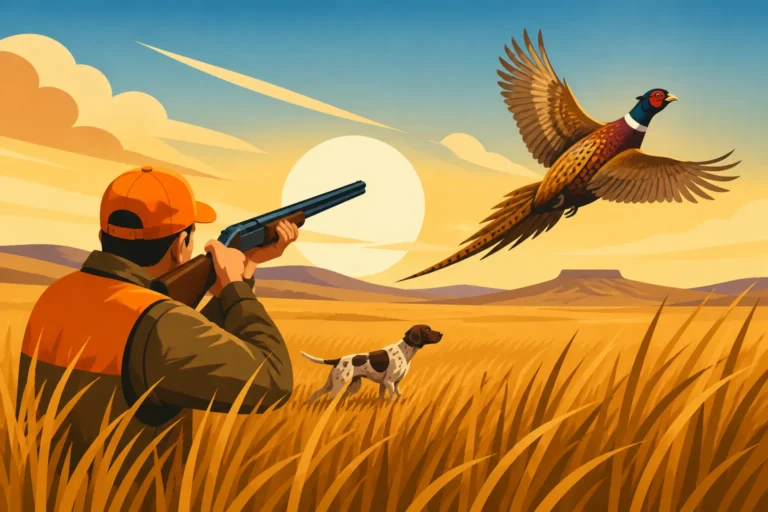
Many hunters swear by using pointing dogs for sharptails. A good pointing dog will cover ground efficiently, locate birds that human eyes might miss, and hold them long enough for you to get into a shooting position. When a dog goes on point, approach cautiously, ready for the flush. Without a dog, it's more about flushing them yourself by walking through dense cover or along habitat edges. Pay close attention to subtle changes in elevation, clumps of brush, or areas where different types of grass meet, as these are all potential hiding spots. Sharptail Grouse Hunting Mixed Grass Prairie offers more insights into specific tactics for these wary birds.
Hungarian Partridge in Farmland and Cover
Hungarian partridge, or Huns, often provide a thrilling change of pace from sharptails. While they share some habitat with sharptails, Huns typically prefer areas closer to agricultural lands, especially stubble fields, shelterbelts, and fencelines that offer both food and cover. Their tendency to hold tight for dogs, often forming dense coveys, makes for a heart-stopping flush when they finally burst from cover. The trick is to walk slowly and deliberately, particularly along the edges of fields, abandoned farmsteads, and within plum thickets or tall grass adjacent to cropland.
Unlike sharptails, which might flush wild, Huns are known for letting hunters get quite close before exploding into the air. This can be both a blessing and a curse; it gives you a better chance for a clean shot, but their tight, chaotic covey flush can be disorienting. When hunting Huns, always be ready for multiple birds to fly at once. After the initial flush, scattered singles may offer additional shooting opportunities if you can mark their landing spots. They don't typically fly as far as sharptails, so a quick retrieve or follow-up is often possible. For deeper dives into their habitat and hunting strategies, consider resources on Hungarian Partridge Hunting North Dakota Farmland.
Equipment and Shotgun Choices
For both sharptails and Huns, a nimble shotgun is key. Most hunters opt for a 12 or 20 gauge, with many preferring the lighter weight of a 20 gauge for those long walks across the prairie. Over-and-unders or semi-automatics are popular choices, allowing for quick follow-up shots on those fast-flying birds.
When it comes to shot size, 7.5 or 6 shot is generally ideal. This provides a good pattern density and enough energy to cleanly take down birds without excessive damage to the meat. For chokes, an improved cylinder or modified choke is versatile for the typically close to medium-range shots you'll encounter. On days with strong winds, birds might hold tighter, favoring more open chokes, while on calm days, they might flush a bit farther, making a modified choke a good choice. Comfort is paramount, so investing in good, broken-in hunting boots that can handle miles of walking is non-negotiable. Don't forget layers of clothing; North Dakota weather can change quickly.
Hunting North Dakota's Abundant Rabbits and Squirrels
While often overlooked, rabbit and squirrel hunting offer some of the most consistent action and delicious wild game in North Dakota. These hunts are less about long-range shooting and more about precise woodcraft, patience, and reading subtle signs in the environment.
Cottontail Rabbit Strategies
Cottontail rabbits are prolific breeders and can be found almost anywhere there's adequate cover to escape predators and harsh weather. Prime rabbit habitat includes dense brush piles, plum thickets, shelterbelts, thorny draws, and overgrown fencelines. They are masters of concealment, often sitting tight until you're nearly on top of them. This makes for exciting, close-quarters encounters. The best time to hunt rabbits is often after the leaves have fallen in late fall and winter, which reduces the cover and makes spotting them easier. A fresh blanket of snow is a game-changer, revealing their tracks and allowing you to follow their trails directly to their hiding spots.
Still hunting, which involves moving slowly and pausing frequently to scan the cover, is a highly effective strategy. Many hunters also employ small game dogs, such as beagles, which are specially bred to track and flush rabbits, baying enthusiastically as they push the rabbits out. When working thick cover, it's often best to have two hunters, with one acting as a "blocker" at the end of a brush line or thicket, while the other slowly walks through, pushing the rabbits out. This can yield multiple opportunities from a single piece of cover.
Squirrel Hunting in Timber Pockets
North Dakota isn't known for vast forests, but it does have significant pockets of timber, particularly along river bottoms, around shelterbelts, and in scattered woodlots. These areas are prime habitat for squirrels, primarily fox squirrels. The key to successful squirrel hunting is to identify active feeding areas. Look for nut trees like oak, walnut, or hickory, as well as cornfields adjacent to timber, where squirrels will be actively foraging. Early morning and late afternoon are generally the best times, as squirrels are most active during these periods.
A quiet approach is essential. Squirrels have excellent eyesight and hearing, so move slowly, watch for movement, and listen for the tell-tale chatter or the sound of nuts being gnawed. Once you spot a squirrel, be patient. They will often "tree" themselves, circling to the opposite side of a tree trunk. A common tactic is to have two hunters work a tree, with one moving to the other side to force the squirrel back into view. Still hunting through river bottom timber or along a well-treed shelterbelt, pausing frequently to observe, can be incredibly productive. For those hunting the more limited timber pockets, focusing on locations like those described in Hunting Small Woodlots Near Fargo can maximize your success.
Small Caliber Firearms and Archery Options
For small game, the choice of firearm often depends on the species and personal preference.
Rabbits: A .22 caliber rimfire rifle is a popular choice for precision shots on sitting or slowly moving rabbits, especially when still hunting. A shotgun, usually a .410 or 20 gauge with light shot (like 6 or 7.5), is excellent for flushing rabbits from thick cover, as it allows for quicker, more forgiving shots.
Squirrels: The .22 rifle is king for squirrel hunting, offering precision to take headshots and preserve meat. Air rifles in .177 or .22 caliber are also becoming increasingly popular for their quiet operation and accuracy. Some hunters enjoy the challenge of a small gauge shotgun, particularly in denser cover where quick shots might be the only option.
Archery: For the truly dedicated and those seeking an extreme challenge, archery tackle can be used for both rabbits and squirrels. This requires incredible stealth, close ranges, and pinpoint accuracy, making it an excellent way to hone your bowhunting skills during the off-season. Just be sure to use small game points or blunt arrows to prevent broadheads from burying in the ground or trees.
The Thrill of Predator Hunting in North Dakota
North Dakota offers some incredible predator hunting opportunities, particularly for coyotes, but also for fox and bobcat. Predator hunting is a game of strategy, stealth, and understanding animal behavior. It's often a year-round pursuit, providing exciting action when other seasons are closed.
Understanding Coyote Behavior and Habitat
Coyotes are incredibly intelligent and adaptable animals, making them a formidable quarry. They possess keen senses of smell, hearing, and sight, which they use to navigate and hunt across the diverse North Dakota landscape. You'll find them in almost every corner of the state, from the sprawling Badlands to the vast agricultural fields of the east. They thrive in areas with a mix of open country for hunting and dense cover for denning and hiding, such as draws, shelterbelts, and river bottoms. Their diet is incredibly varied, including small mammals, birds, carrion, and even some vegetation. Understanding North Dakota Coyote Diet in Farm Country can give you an edge in determining where they might be actively foraging.
Coyote behavior changes with the seasons. In winter, they often travel in small packs or pairs, especially during the breeding season (late winter). Snow reveals their travel patterns and makes tracking possible. During warmer months, they are more solitary or family-group oriented. Learning to identify their tracks, scat, and various vocalizations (howls, yips, barks) can help you pinpoint their activity areas. Always consider the wind; coyotes will almost always circle downwind to get a scent of any potential prey or danger. Setting up with the wind in your favor, or at least across your setup, is paramount.
Effective Coyote Calling Techniques
Calling coyotes is where the real thrill of predator hunting lies. It's a psychological game, trying to lure a wary animal into shooting range. There are several primary types of calls:
Distress Calls: These mimic the sounds of an injured or dying animal (rabbit, bird, fawn). This is the most common and often effective calling technique, appealing to a coyote's instinct for an easy meal. Electronic calls like those from Foxpro or ICOtec are incredibly versatile, offering a wide array of sounds, while mouth calls require more skill but can be very effective and realistic. When using a distress call, start softly and gradually increase volume, pausing between sequences to scan for approaching coyotes.
Howls and Challenge Calls: These are used to elicit a response from coyotes, locate them, or challenge a dominant animal. Howls can be particularly effective during the breeding season or to provoke a territorial response. A lone howl or a series of group howls can often get a coyote to respond, giving away its location. Once you know where they are, you can either move closer or switch to a distress call. Understanding when and how to use these calls is key to successful predator hunting. You can find detailed strategies on Coyote Calling North Dakota Farm Country for specific setups in various rural landscapes. For those hunting the rugged terrain of western North Dakota, the tactics outlined in Predator Calling North Dakota's Badlands Draws are invaluable.
Stand Setup: Your setup is as important as your calling. Choose a location that offers good visibility, a clear shooting lane, and a favorable wind direction. Position yourself in natural cover or use a ground blind to break up your silhouette. Have a partner set up 50-100 yards downwind, ready to intercept coyotes that try to circle your main position. Be patient; a typical stand should last 20-30 minutes, as coyotes can take their time approaching.
Fox and Bobcat Opportunities
While coyotes are the most numerous predators, North Dakota also offers opportunities for fox (red and swift) and bobcat. These species are generally less common and often more elusive than coyotes, requiring a slightly different approach.
Fox: Red foxes are found throughout the state, often in areas with mixed agriculture and timber. Swift foxes, a smaller and rarer species, are found primarily in the extreme southwestern part of the state. Fox respond well to smaller distress calls, such as mouse squeaks or bird distress calls. They are often less wary than coyotes but have incredibly keen eyesight. Setting up near brushy cover or fencelines where they might travel can be effective. Their pelts are beautiful in the winter, making them a popular target for fur harvesters.
Bobcat: North Dakota has a limited but huntable bobcat population, primarily concentrated in the western Badlands and along river drainages like the Missouri. Bobcat hunting is a true test of patience and woodcraft. They are creatures of dense cover and rocky terrain. Calling for bobcats often involves using bird distress calls or specific bobcat growls and squalls. Unlike coyotes, bobcats tend to approach very stealthily, often appearing as if from nowhere. Spot and stalk in the rugged Badlands can also be effective, but requires extreme caution and knowledge of their habits. Always check the current regulations, as bobcat harvest is carefully managed.
Essential Gear and Safety for Predator Hunting
Just like any other hunting pursuit, having the right gear and prioritizing safety are non-negotiable for predator hunting. The equipment can enhance your effectiveness, and safety practices ensure everyone comes home soundly.
Weaponry and Optics
For predator hunting, especially coyotes, a flat-shooting, accurate rifle is paramount. Popular calibers include .223 Remington, .204 Ruger, .22-250 Remington, and even larger options like 6.5 Creedmoor if you're looking for extended range capabilities. These calibers offer the velocity and energy needed for humane kills, often at longer distances. Shotguns with buckshot or heavy loads of smaller shot can also be effective in thick cover or at close range.
Optics are just as critical. A quality riflescope with adequate magnification (e.g., 3-9x, 4-12x) is essential for precision shooting. Binoculars (10×42) are vital for scanning the terrain and spotting incoming predators. For night hunting, which is legal for coyotes in North Dakota (check specific regulations), night vision or thermal optics are game-changers. These technologies allow you to detect heat signatures or amplify ambient light, giving you a distinct advantage after dark. A rangefinder is also invaluable for quickly and accurately determining distances to ensure ethical shots. GoHunt, with its mapping capabilities, can help scout terrain and identify good locations for glassing or setting up.
Camouflage and Concealment
Predators have exceptional eyesight, making camouflage and concealment crucial. While full ghillie suits aren't strictly necessary, wearing camouflage that blends with the local terrain (prairie grass patterns, tree bark patterns) will help you disappear. More importantly, focus on breaking up your silhouette. Use natural cover like tall grass, brush piles, or rock formations to your advantage. A portable ground blind or even a simple piece of camo netting can make a big difference, especially on open terrain.
Scent control is also highly important, particularly for coyotes and foxes, which have an incredible sense of smell. Play the wind, but also consider using scent-eliminating sprays or washing your hunting clothes in scent-free detergent. Avoid wearing strong perfumes, colognes, or even using scented laundry detergents before a hunt. The goal is to become as invisible as possible to all of a predator's senses.
Safety Considerations and Regulations
Safety should always be your top priority.
- Blaze Orange: If you are predator hunting during a firearm deer season, North Dakota law requires you to wear blaze orange. Even outside of deer season, consider wearing it when walking to and from your stand, especially in areas with other hunters. Always confirm local and state regulations for specific requirements.
- Backstops: Always be aware of your surroundings and what lies beyond your target. Ensure you have a safe backstop to prevent bullets from traveling beyond your intended impact point. This is especially critical when hunting in rolling terrain or areas near human habitation.
- Land Permission: Always obtain permission before hunting on private land. This not only keeps you legal but also fosters good relationships with landowners. North Dakota's trespass laws are clear: permission is required on private land, even if it's not posted. Remember to be mindful of North Dakota Firearms Discharge Setback Distance from occupied buildings.
- Firearm Handling: Treat every firearm as if it's loaded. Keep the muzzle pointed in a safe direction. Keep your finger off the trigger until you are ready to shoot. Be absolutely sure of your target and what's beyond it. Never shoot at sound or movement.
Planning Your North Dakota Small Game and Predator Hunt
A successful hunt is often the result of thorough planning and preparation. Understanding the seasons, accessing land, and utilizing modern scouting tools can significantly boost your odds.
Best Times of Year for Different Species
North Dakota's diverse seasons offer unique windows for various small game and predator species.
Early Fall (September-October): This is prime time for upland birds. Sharptail grouse and Hungarian partridge seasons typically open in early September, when the weather is generally mild. Birds are still in their summer patterns, often found near food sources. This is also a good time for squirrel hunting before heavy leaf fall.
Late Fall (November-December): As temperatures drop and snow begins to fall, rabbit hunting picks up. With leaves off the trees, rabbits are easier to spot in brush piles and shelterbelts. This period also marks the beginning of peak predator hunting season. Coyotes and fox grow their thick winter pelts, making them attractive to fur harvesters, and snow helps with tracking and visibility.
Winter (January-March): This is truly predator season. With heavy snow cover, coyotes and fox are easier to locate and track. Their need for food is also heightened, making them more responsive to calls. Rabbit hunting remains excellent, especially after fresh snowfall. The cold weather can be challenging, but the rewards are often worth it.
Spring/Summer (April-August): While most small game seasons are closed, predator hunting continues year-round. This is a good time to scout new areas, learn the terrain, and refine your calling techniques without the pressure of an open season.
Accessing Public and Private Land
North Dakota offers a mix of public and private land for hunting, and knowing how to access both is crucial.
PLOTS (Private Land Open To Sportsmen): This program, managed by the North Dakota Game and Fish Department, leases private land for public walk-in hunting access. PLOTS tracts are marked with distinctive yellow signs. They are a fantastic resource for upland bird, rabbit, and sometimes predator hunting. Always check the current PLOTS guide or use the NDG&F app, as acreage and locations can change annually. Scouting PLOTS Land Before Season is a smart move, as some tracts can get pressure.
National Grasslands: The Little Missouri National Grassland in western North Dakota, managed by the U.S. Forest Service, offers vast tracts of public land, particularly excellent for sharptails, coyotes, and sometimes even mule deer. It's a rugged, beautiful area that rewards those willing to hike deep. Hunting North Dakota's Little Missouri National Grassland provides a deeper dive into these opportunities.
Waterfowl Production Areas (WPAs) and Wildlife Management Areas (WMAs): These federal and state lands, respectively, are managed for wildlife and generally open to public hunting. While often associated with waterfowl, many also hold significant populations of upland birds, rabbits, and predators.
Private Land: North Dakota is predominantly private land. Building relationships with landowners and asking for permission is a time-honored tradition and often the best way to access quality hunting ground. Be respectful, offer to help, and always follow their specific rules. Using tools like GoHunt can help you identify landowner names and boundaries for permission requests.
Utilizing Technology for Scouting
In today's hunting world, technology can be a powerful ally in planning and executing your hunt.
Mapping Apps: Apps like GoHunt are invaluable. They provide satellite imagery, topo maps, public/private land ownership overlays, and even weather data. You can mark potential hunting spots, track your routes, and measure distances. This is especially useful for scouting new areas or verifying access to PLOTS tracts. The ability to use these tools even without cell service, as discussed in Using the PLOTS App Without Cell Service, makes them indispensable for remote North Dakota hunts.
Aerial Photos: Before you even set foot in the field, analyze aerial photos for habitat features. Look for transitions between different cover types, shelterbelts, brushy draws, field edges, and water sources. These are all potential hot spots for small game and predators. For upland birds, identify native grass fields; for rabbits and squirrels, look for dense timber or brush. Coyotes will often travel along fencelines, coulees, and field edges.
Weather Forecasting: Keep a close eye on the weather. Wind direction and speed are critical for predator hunting, as coyotes will use the wind to their advantage. Snowfall can be a boon for tracking rabbits and predators, while heavy rain or extreme cold can shut down animal movement. Plan your hunt around favorable weather conditions for your target species.
Regulations, Licenses, and Ethics
Before heading afield, it's crucial to understand North Dakota's hunting regulations, ensure you have the correct licenses, and always uphold ethical hunting practices.
Understanding North Dakota Hunting Regulations
The North Dakota Game and Fish Department (NDG&F) sets the rules for hunting throughout the state. Regulations cover everything from season dates and shooting hours to bag limits and legal methods of take. Small game seasons are generally quite long, often opening in September and running through early January for most upland birds and rabbits. Predator hunting for coyotes and fox is often open year-round, with specific regulations for bobcats and other furbearers.
It's your responsibility as a hunter to read and understand the current year's proclamation, which is available on the NDG&F website or at license vendors. Pay close attention to unit-specific rules, especially for any areas that might have CWD restrictions or special management designations. Regulations can change annually, so always get the most up-to-date information.
Required Licenses and Stamps
To hunt small game and predators in North Dakota, you'll generally need a few key licenses:
- North Dakota General Game and Habitat License: This is your base license, required for residents and non-residents alike.
- Small Game License: Specific for hunting upland birds and rabbits.
- Federal Duck Stamp (Migratory Bird Hunting and Conservation Stamp): If you plan to hunt migratory small game like doves (which are considered small game in North Dakota), you'll also need a federal duck stamp.
- Furbearer License: If you plan to hunt or trap fox, bobcat, or other furbearers, a separate furbearer license is often required.
- Electronic Posting Consent: Some private land requires electronic posting consent, which is typically covered by your general license.
Non-residents generally pay higher fees and may have additional restrictions. For a comprehensive breakdown of costs and options, refer to North Dakota Hunting Licenses and What They Cost. You can purchase most licenses online through the NDG&F portal or from authorized vendors across the state. Always carry proof of your license while hunting.
Ethical Hunting Practices and Respect
Beyond the written laws, ethical hunting is about respect—respect for the animals, the land, and other people.
- Fair Chase: Hunt within the spirit of fair chase, meaning you give the animal a reasonable chance to escape. Avoid unethical practices like "road hunting" or shooting animals confined in small areas.
- Clean Kills: Strive for clean, humane kills. This means knowing your effective range, practicing with your chosen weapon, and only taking shots when you have a high probability of success. If you wound an animal, make every effort to track and recover it.
- Game Recovery: Always recover game promptly. For small game, this means marking where birds fall or rabbits dart into cover. For predators, especially if you plan to utilize the pelt, quick recovery and proper field care are essential.
- Respect for Landowners and Property: This is paramount in North Dakota. Always obtain permission for private land. Leave gates as you found them (open or closed). Do not litter. Drive on established roads and trails, and avoid damaging crops or fences. A simple thank you note or offering to share some of your harvest can go a long way in building goodwill.
- Sharing the Resource: Be mindful of other hunters. If you see someone already working a piece of public land, find another spot. Predator calling can sometimes draw in other hunters, so always be aware of your surroundings and make your presence known safely if necessary.
| Species | Typical Habitat | Best Time to Hunt | Common Caliber/Gauge | Notes |
|---|---|---|---|---|
| Sharptail Grouse | Open grasslands, mixed prairie | Sept – Mid-Nov | 12 or 20 gauge (7.5 shot) | Fast flush, often on ridge tops. Good for dogs. |
| Hungarian Partridge | Farmland edges, shelterbelts, draws | Sept – Mid-Nov | 12 or 20 gauge (7.5 shot) | Tight coveys, explosive flush. Close range. |
| Cottontail Rabbit | Brush piles, thickets, draws | Nov – Mar (esp. snow) | .22 rifle, 20 gauge (6 shot) | Excellent late-season action. |
| Squirrels | River bottoms, shelterbelts, woodlots | Sept – Dec | .22 rifle, .177 air rifle | Quiet, stealthy hunt. Focus on nut trees. |
| Coyotes | Statewide, open country, farm fields | Year-round (peak Winter) | .223, .204, .22-250 (rifle) | Intelligent, respond to distress calls. Play the wind. |
| Fox | Mixed agriculture, timber | Year-round (peak Winter) | .223, .17 Rem, Shotgun (buckshot) | Less wary than coyotes, respond to smaller distress calls. |
| Bobcat | Badlands, river drainages | Nov – Mar (check limits) | .223, .22-250 (rifle) | Elusive, secretive. Requires patience and specific calls. |
Disclaimer
The information provided in this guide is for general informational purposes only and does not constitute legal advice. Hunting regulations in North Dakota are subject to change. Always consult the most current North Dakota Game and Fish Department proclamations and local ordinances before engaging in any hunting activities. It is the responsibility of each individual hunter to know and abide by all applicable laws and regulations.