Why Nonresidents Can’t Apply for Moose
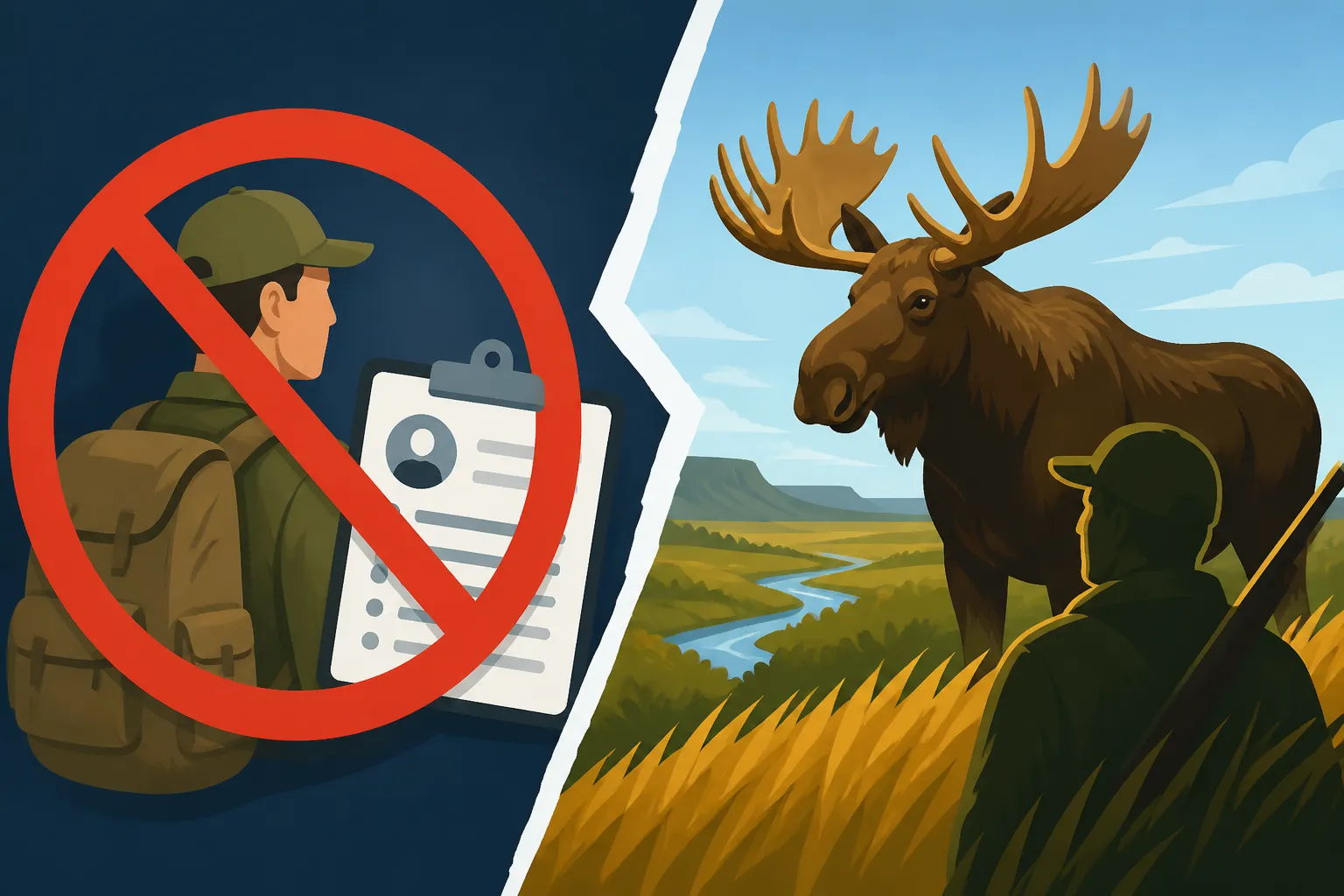
There's a palpable sense of excitement that courses through any hunter thinking about big game opportunities, and for many, the idea of a North Dakota moose hunt sparks a truly unique thrill. However, if you're a nonresident dreaming of chasing one of these magnificent animals across the prairie or through the river bottoms, you're likely to hit a frustrating wall: North Dakota's moose tags are strictly reserved for residents. This guide will delve into why this policy exists, the realities of moose management in the state, and what it means for those of us who don't call North Dakota home, helping you understand the landscape of big game hunting here.
The Rarity and Value of North Dakota Moose
Moose in North Dakota are a special animal, a true testament to successful wildlife management and the resilience of nature. Unlike some states where moose populations are robust, here, they are a limited, highly coveted resource. Understanding this scarcity is key to grasping why nonresident access is, for all intents and purposes, nonexistent.
A Treasured, Limited Resource
Moose weren't always a fixture in North Dakota's landscape. For a long time, they were extirpated, meaning they no longer existed here. But over decades, with changes in habitat and careful management, these incredible animals have made a comeback, particularly in the northern and eastern regions of the state, often favoring riparian corridors and dense woodlands. This is not a state with a vast, sprawling moose herd like you might find in Alaska or Maine. Instead, it’s a series of smaller, localized populations that require diligent oversight to ensure their continued health and growth. Because of this, every single tag issued for moose hunting is incredibly valuable, both ecologically and to the hunters who are lucky enough to draw one. You can learn more about How Many Moose Live in North Dakota and Where North Dakota Moose Concentrate to get a clearer picture of just how unique this population is.
The North Dakota Game and Fish Department (NDGFD) carefully monitors these populations, using aerial surveys and harvest data to make informed decisions about how many tags can be issued each year without impacting the long-term sustainability of the herd. This meticulous approach means that when a tag is issued, it's a testament to the health of a specific local population, and the opportunity it represents is truly exceptional. It's not just about providing hunting opportunities; it's about being responsible stewards of a relatively fragile resource.
The "Once-in-a-Lifetime" Designation
Adding to the prestige and scarcity of a North Dakota moose hunt is its "once-in-a-lifetime" status. For residents, drawing a moose tag means you get one shot at it – quite literally. This isn't a species you can hunt every few years once you get your foot in the door. This designation underscores just how precious these tags are to the state and its residents. It's a system designed to spread the limited opportunities among as many residents as possible over their lifetime, rather than allowing a select few to harvest moose repeatedly. This significantly reduces the total number of moose tags available to the general public over time, making each drawing cycle an incredibly competitive event for those who dream of a North Dakota moose. This same principle applies to other premium species, which is detailed further in North Dakota's Once-in-a-Lifetime Big Game Licenses.
This system creates a unique dynamic. When a resident successfully draws a moose tag, it's often the culmination of years, sometimes decades, of applying. They've invested their time and hope into the lottery system, knowing full well that if they succeed, it's a singular experience. This deep connection to the opportunity, combined with the extreme scarcity, fuels the state's policy of reserving these tags exclusively for its own citizens. It's a way of ensuring that the local community, whose taxes and efforts contribute to wildlife management, benefits directly from these hard-won conservation successes.
Understanding North Dakota's Resident-First Philosophy
When you look at North Dakota's wildlife management strategy, especially concerning big game like moose, a clear philosophy emerges: prioritize the state's residents. This isn't unique to North Dakota; many states with limited high-demand big game tags follow a similar approach. It's rooted in the idea of providing opportunities to those who live, work, and contribute to the state's conservation efforts year-round.
Prioritizing Local Hunters
The fundamental reason nonresidents cannot apply for North Dakota moose tags is straightforward: the state prioritizes its resident hunters. With a limited number of moose tags available each year, the NDGFD allocates them exclusively to residents to maximize their opportunity to harvest one of these unique animals. This policy is a direct reflection of public sentiment and conservation priorities within the state. Residents contribute to the wildlife management budget through their hunting license fees, state taxes, and direct involvement in local conservation projects. It's a way of ensuring that the benefits of successful wildlife management primarily accrue to those who live within its borders and contribute directly to its programs. For a broader understanding of why this distinction is made for multiple species, you might find Why Elk, Moose and Pronghorn Stay Resident-Only insightful.
Consider the political and social landscape: when a species is as rare and sought-after as the North Dakota moose, there's immense pressure to ensure local citizens have the first, and often only, crack at them. Imagine the outcry if a nonresident was able to draw a moose tag while lifelong North Dakotans, who have been applying for decades, continued to go without. This resident-first approach solidifies community support for conservation efforts and ensures that the hunting heritage remains strong within the state.
The Lottery System and Preference Points
Even for North Dakota residents, securing a moose tag is far from a guarantee. It's a highly competitive process managed through a lottery system, where years of applying might still not result in a tag. This underscores the true scarcity of moose hunting opportunities. Residents enter the North Dakota Moose Lottery Application Process annually, hoping their number comes up. The system includes a preference point mechanism, which means that for every year a resident applies and doesn't draw a tag, they accrue a preference point, theoretically increasing their odds in future drawings. However, even with preference points, success is never assured, illustrating the overwhelming demand for a truly limited number of permits. You can delve deeper into this system by reading about the North Dakota Preference Point System Explained.
This lottery system is robust and fair, designed to give all residents who apply a chance, regardless of their financial status or connections. It’s a level playing field, but one where the odds are stacked against you simply due to the sheer number of applicants and the tiny pool of available tags. The very existence of this competitive resident lottery highlights why allowing nonresident participation would dilute an already scarce opportunity to an unacceptable degree for the state's own hunters.
Exploring Alternatives and Future Hopes for Nonresidents
Coming to terms with the reality that you can't apply for a North Dakota moose tag as a nonresident can be a bit of a bummer, especially if it's been a bucket-list item. But don't let that deter you from experiencing the incredible hunting opportunities North Dakota does offer! This state is a hunter's paradise for many other species, and exploring those options is often a more fruitful and satisfying path.
Focus on Other North Dakota Hunting Opportunities
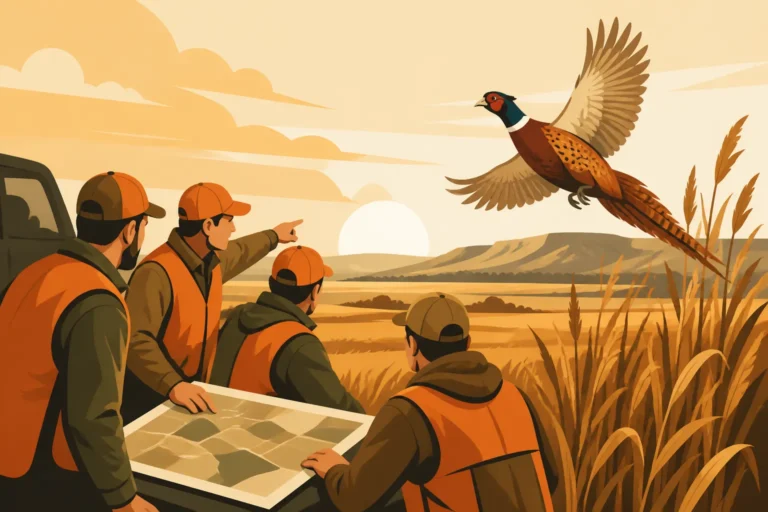
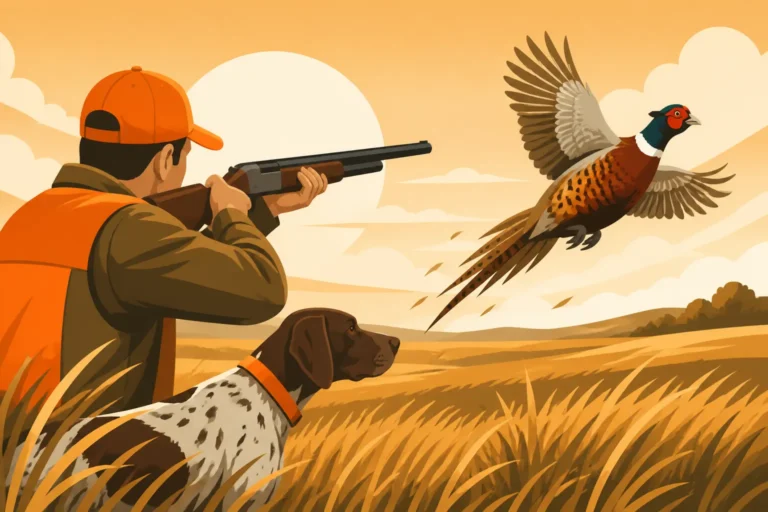
While moose hunting might be off the table for nonresidents, North Dakota is renowned for many other fantastic hunting experiences. The state is a legendary destination for waterfowl, with ducks and geese filling the vast prairie potholes and agricultural fields during migration. You could spend days experiencing North Dakota Duck and Goose Hunting North Dakota's Potholes or pursuing geese from a comfortable layout blind. Upland bird hunting, particularly for pheasants, is another major draw. The fields and shelterbelts hold strong populations, offering exciting hunts for hunters and their dogs. Pheasant Hunting North Dakota's Prairie is an experience every upland hunter should have.
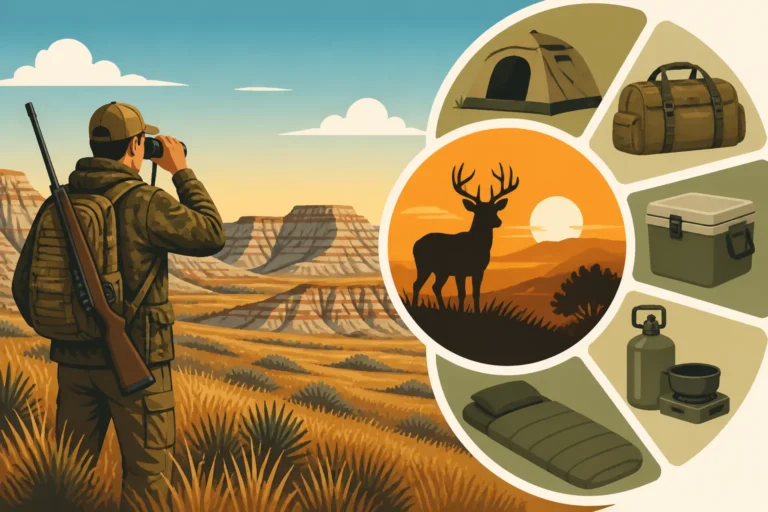
Deer hunting is also a huge draw, with opportunities for both whitetails and mule deer depending on the unit. Nonresidents can apply for deer gun licenses through a lottery, though competition is stiff. Archery deer licenses are generally more accessible. Exploring platforms like BookYourHunt can help nonresidents find outfitters for pheasant or waterfowl, offering structured hunts that can be incredibly rewarding. It’s all about shifting your focus from the "can't-have" to the "can-do" and embracing the abundant hunting experiences North Dakota offers. For details on what you can pursue, check out North Dakota Nonresident License Options and North Dakota Hunting Licenses and What They Cost.
Here's a quick overview of some prime North Dakota hunting opportunities for nonresidents:
| Species | Nonresident Access | Key Characteristics |
|---|---|---|
| Moose | No | Resident-only, once-in-a-lifetime, highly coveted. |
| White-tailed Deer | Lottery (Gun), OTC (Archery) | Widespread, varied habitat, strong populations. |
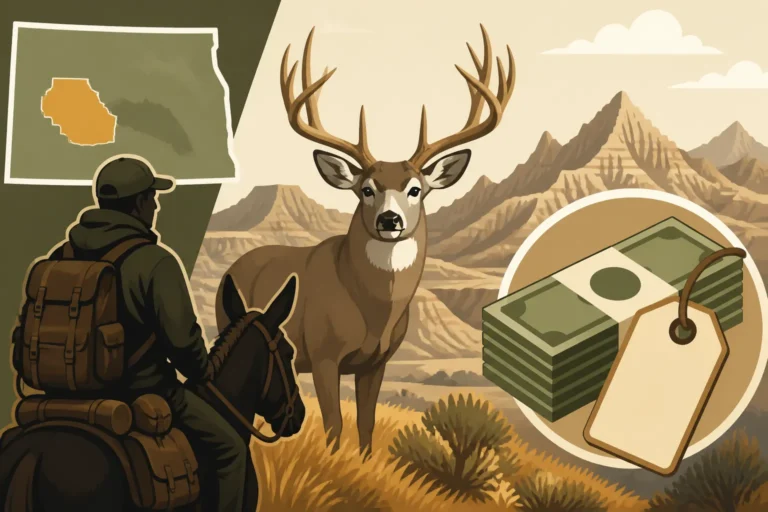
| Mule Deer | Lottery (Gun), OTC (Archery) | Primarily Badlands, fewer tags, highly sought after. |
| Pheasant | Yes (Small game license) | Excellent populations, abundant public and private land access (PLOTS), guides available. |
| Ducks/Geese | Yes (Waterfowl license) | World-class prairie pothole region, incredible migration, specific nonresident restrictions apply. |
| Sharptail Grouse | Yes (Small game license) | Native prairie bird, challenging hunting, good populations. |
| Hungarian Partridge | Yes (Small game license) | Smaller coveys, often found near sharptails, good challenge. |
| Turkey | Fall season only (Lottery) | Limited opportunities in fall for nonresidents, highly localized. North Dakota Fall Turkey Season Rules |
| Coyote/Fox | Yes (Small game license) | Year-round opportunities, great for off-season fun, predator calling. |
The Unlikely Scenario of Nonresident Moose Tags
It's natural to wonder if things might ever change, if one day North Dakota would open up moose tags to nonresidents. Realistically, it's highly unlikely. Given the current population dynamics, the "once-in-a-lifetime" resident designation, and the immense resident demand, there is simply no political or biological impetus to change this policy. The moose herd is managed as a special, limited resource for the state's residents, and that philosophy is deeply entrenched.
Wildlife management agencies across the country constantly review their regulations, and while minor adjustments occur, a fundamental shift like opening a resident-only, once-in-a-lifetime big game species to nonresidents would require an extraordinary and unforeseen increase in population combined with a drastic shift in state policy and public opinion. For now, it's best for nonresidents to accept this reality and focus their North Dakota hunting aspirations on the many other fantastic species available. Staying informed through official channels, like the North Dakota Game and Fish Department website or resources like GoHunt, is always a good idea for any regulation changes, but your best bet for a North Dakota moose hunt remains winning the residency lottery!
Disclaimer
This article is for general informational purposes only and does not constitute professional advice. Laws, prices and regulations vary by location and change over time. Consult a qualified professional for guidance on your specific situation.