How Many Moose Live in North Dakota
For many hunters, the idea of pursuing a moose in North Dakota sounds like a pipe dream, almost mythical. While not as abundant as deer or pheasants, North Dakota does indeed harbor a small, unique moose population. This guide will delve into the estimated numbers, the factors that influence their presence, and the dedicated efforts to manage these magnificent animals, offering a realistic look at what it means to have moose in the Peace Garden State.
Understanding North Dakota's Moose Population
The very notion of moose thriving in North Dakota can be surprising to those who picture endless flat prairies. Yet, these magnificent animals do call parts of the state home, primarily in the northeastern regions, particularly in areas like the Turtle Mountains and along major river corridors such as the Red River and portions of the Pembina Hills. Their presence is a testament to the diverse, albeit often overlooked, habitats scattered across the state.
Unlike states with vast wilderness areas, North Dakota's moose population isn't counted in the thousands or tens of thousands. Instead, it's a relatively small, concentrated population that ebbs and flows with environmental factors. Historically, moose were rarely seen here, with significant increases only really observed starting in the late 1970s and 80s, gradually expanding their range from neighboring states and provinces. These aren't the gigantic, widespread herds you might find further north, but rather smaller, often transient groups and individuals finding suitable pockets of habitat. This localized presence contributes to the intense interest and difficulty in securing a hunting opportunity, making it truly North Dakota's Once-in-a-Lifetime Moose Herd.
Where North Dakota Moose Concentrate
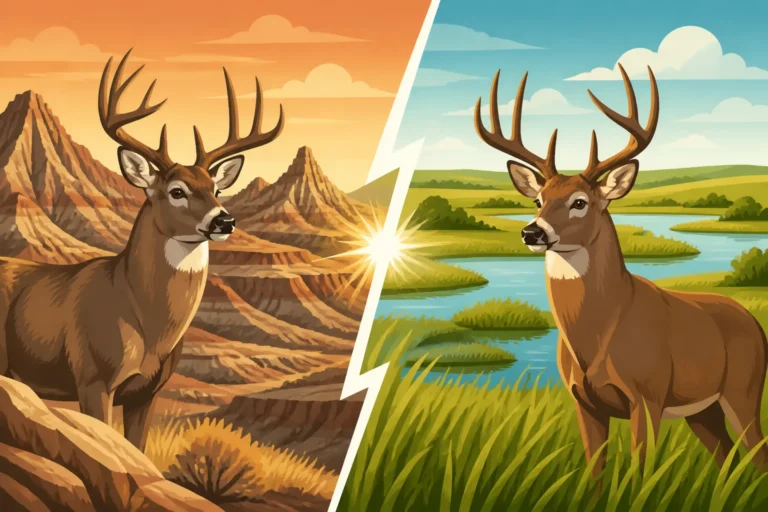
If you're looking for moose in North Dakota, your best bet is to focus on specific regions. The core moose habitat is generally considered to be the Turtle Mountains, a unique island of wooded hills and wetlands in the north-central part of the state, bordering Manitoba. Here, the landscape of dense forest, numerous lakes, and boggy areas provides the cover and forage moose need.
Beyond the Turtle Mountains, significant sightings and more stable populations are also found in the Pembina Hills region in the northeast, which offers similar wooded and marshy environments. River bottoms, particularly those with dense willow thickets and timber like the Red River and its tributaries, also act as corridors and habitat for moose, allowing them to disperse and find new territories. While an occasional lone moose might wander far from these core areas, they are truly outliers. Understanding Where North Dakota Moose Concentrate is key for anyone hoping to catch a glimpse, let alone hunt them.
General Population Trends and Estimates
Pinpointing an exact, real-time number for North Dakota's moose population is notoriously difficult. These animals are solitary, often inhabit dense cover, and their numbers are subject to annual fluctuations based on winter severity, calf survival, and habitat conditions. The North Dakota Game and Fish Department (NDGF) conducts aerial surveys in key areas, typically during late winter when snow cover makes moose more visible against the landscape and deciduous trees have shed their leaves.
These surveys provide an estimate, rather than an exact count, and the numbers can vary. Generally, North Dakota's moose population has hovered in the low hundreds, often ranging from 300 to 500 animals in recent years, though these figures are subject to change based on survey conditions and methodologies. It's a dynamic number, and unlike deer, which have broader statewide distribution, moose are concentrated, making their population more sensitive to localized impacts. For hunters researching potential opportunities or drawing odds, platforms like GoHunt can often provide context on these trends, even if they aren't offering real-time population counts.
Factors Influencing Moose Numbers
Moose populations are sensitive creatures, especially at the southern edge of their range, like North Dakota. A complex interplay of habitat, climate, and biological factors constantly influences their numbers. It's not just about having enough food; it's about having the right kind of environment that allows them to thrive and reproduce successfully.
Habitat and Environmental Conditions
Moose are browsers, preferring young trees and shrubs, especially willows, aspen, and aquatic vegetation. North Dakota, while largely prairie, has specific areas that offer this critical habitat. The wooded hills and numerous wetlands of the Turtle Mountains and Pembina Hills are prime examples. These areas provide both the necessary food sources and the dense cover moose rely on for protection from predators and thermal regulation.
Winter conditions play a huge role. Deep, persistent snow can be a double-edged sword: it provides insulation and can make browsing easier by bringing branches closer, but too much snow makes travel difficult, expending precious energy. Conversely, mild winters followed by hot, dry summers can also stress moose. They are highly susceptible to heat stress, preferring cooler temperatures, which is why shaded, wet areas are so important. Habitat degradation, such as the draining of wetlands or conversion of brushy areas to agriculture, also presents ongoing challenges, limiting the expansion or stability of moose populations.
Disease and Predation Pressures
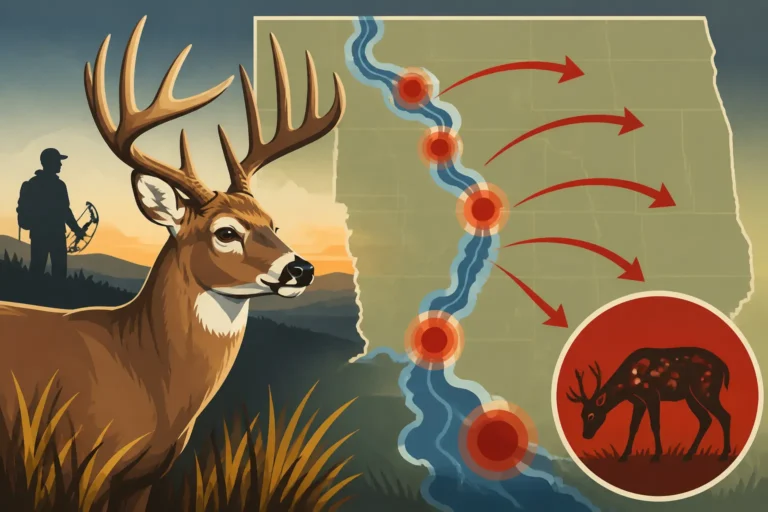
Like all wild game, moose are susceptible to various diseases and parasites that can impact their numbers. One of the most significant concerns for moose populations in recent decades has been the winter tick, Dermacentor albipictus. These ticks can infest moose in astronomical numbers, leading to significant blood loss, hair loss (which reduces thermal insulation in cold weather), and ultimately, weakness, anemia, and even death, especially in calves or already stressed animals. North Dakota's moose are not immune to North Dakota Moose Winter Tick Impact, and this parasite can be a major factor in population health and calf survival rates.
While less common, other diseases, and even brainworm (a parasite carried by deer that is often fatal to moose), can also play a role. Predation, primarily by wolves and bears in other states, isn't a primary driver of moose mortality in North Dakota due to the limited presence of large predators. However, coyotes might occasionally predate on vulnerable calves. Human-related mortality, such as vehicle collisions, also accounts for some moose deaths each year, particularly as these animals wander into more settled areas.
Management Practices and Hunting Pressure
The North Dakota Game and Fish Department carefully manages the moose population through a limited lottery-based hunting season. The number of tags issued each year is extremely low, reflecting the rarity and preciousness of the resource. This conservative approach ensures that hunting pressure remains minimal and does not negatively impact the overall population trend. For those curious about the application process, understanding North Dakota Moose Application Deadline and the general odds is crucial, though GoHunt users might find data points on historical tag allocations useful for their planning.
Successful management also involves monitoring habitat health, conducting research into disease impacts, and promoting public awareness to reduce human-caused mortality like vehicle accidents. The goal is always to maintain a healthy, viable moose population for both ecological balance and the unique hunting opportunity it provides. This careful stewardship is what sustains species like Moose and Bighorn Sheep Hunting in North Dakota for future generations.
Estimating Moose Populations: The Challenges
Counting wild animals, especially large, elusive ones like moose, isn't as simple as a head count in a pasture. Wildlife biologists face numerous challenges in accurately estimating population numbers, and understanding these difficulties helps appreciate the reported figures for what they are: careful, scientific approximations.
Aerial Survey Methods and Limitations
The primary method for estimating moose populations in North Dakota, as in many northern states, involves aerial surveys. Typically conducted from fixed-wing aircraft or helicopters, these surveys take place in late winter. Biologists fly specific transects or grids over known moose habitat, looking for animals against the snow-covered backdrop. The leafless deciduous trees also improve visibility.
However, these surveys come with inherent limitations. Factors like snow depth, cloud cover, visibility through dense canopy, and the behavior of the moose themselves (e.g., bedding down in thick cover) can all affect the accuracy of the count. It's rare to count every single animal. Instead, biologists use sophisticated statistical models to extrapolate from the observed numbers, accounting for the areas covered and the probability of detection. This means the reported numbers are always estimates, often with a confidence interval, rather than an absolute census. This is why you'll often hear ranges (e.g., "between 300 and 500") rather than precise figures.
The Dynamic Nature of Wildlife Populations
Wildlife populations are never static; they are constantly in flux. Birth rates, calf survival, adult mortality from various causes (disease, predation, accidents), and movement in and out of an area all contribute to dynamic changes. A severe winter could impact calf survival, leading to a dip in numbers the following year, while a series of mild winters and good habitat conditions could see a slight increase.
Because of this constant change, an estimate from one year might not perfectly reflect the population even a few months later. NDGF biologists continuously monitor these factors and conduct surveys regularly to track trends over time, providing the most up-to-date picture possible. This ongoing monitoring is crucial for making informed decisions about hunting quotas and conservation efforts.
Moose Management and Future Outlook
North Dakota's approach to moose management is a delicate balance, aiming to sustain a unique and highly valued species while acknowledging the challenges of its relatively small population in a prairie landscape. It's an effort driven by conservation and the desire to provide a rare recreational opportunity.
North Dakota Game and Fish Department Efforts
The North Dakota Game and Fish Department plays a pivotal role in moose conservation. Their work includes:
- Population Monitoring: Conducting regular aerial surveys to estimate population numbers and distribution.
- Habitat Management: Collaborating with landowners and other agencies to maintain and enhance critical moose habitat, especially in the Turtle Mountains and Pembina Hills regions. This might involve selective timber harvesting, wetland restoration, or planting appropriate browse species.
- Disease Surveillance: Monitoring for diseases and parasites like winter ticks and brainworm, and conducting research to understand their impact on herd health.
- Public Education: Informing the public about moose, their habitat needs, and the importance of reporting sightings or vehicle collisions to assist in data collection.
- Limited Hunting Seasons: Issuing a very small number of highly coveted moose tags each year through a lottery system. This ensures hunting is a managed tool for population control, not a threat to the species' viability. For hunters, platforms like GoHunt often detail the incredibly slim odds for these North Dakota's Once-in-a-Lifetime Big Game Licenses.
The Lottery System and Hunting Opportunities
Getting a North Dakota moose tag is akin to winning the lottery – because it literally is a lottery. The odds are incredibly long, reflecting the limited number of animals and the intense demand. Each year, only a handful of tags are allocated, making What a Once-in-a-Lifetime Moose Tag Means very real for successful applicants. This strict control ensures that the harvest remains well within sustainable limits, maintaining the health of the population.
For context, let's look at the general scarcity of these opportunities:
| Big Game Species (North Dakota) | Population Scale | Hunting Opportunity (General) | Tag Availability (General) |
|---|---|---|---|
| White-tailed Deer | Abundant | High | Relatively High |
| Mule Deer | Moderate | Moderate | Moderate |
| Elk | Limited | Very Limited (Lottery) | Low (e.g., North Dakota's 1,062-License Elk Season) |
| Pronghorn | Moderate | Limited (Lottery) | Moderate |
| Moose | Very Limited | Extremely Limited (Lottery) | Very Low |
This table clearly illustrates the rarity of a moose tag compared to other big game animals in North Dakota. Even with very low numbers of tags, the North Dakota Moose Hunt Success Rates tend to be quite high for those who do draw, thanks to diligent scouting and the commitment of hunters fortunate enough to draw a tag.
Future Outlook for North Dakota's Moose
The future of North Dakota's moose population is one of cautious optimism. While the state will likely never be a moose mecca like Alaska or Maine, ongoing conservation efforts and suitable pockets of habitat offer hope for maintaining a stable, albeit small, population. Challenges remain, particularly concerning climate change and the spread of parasites like winter ticks, which could push moose further north from the southern edges of their range.
However, with dedicated management by the NDGF, continued public support, and careful habitat protection, these unique animals will likely continue to be a cherished part of North Dakota's diverse wildlife tapestry. For those who value wild places and unique hunting experiences, the presence of moose in the Peace Garden State is a special thing, a reminder of the wildness that still exists, even on the prairie.
Disclaimer
This article is for general informational purposes only and does not constitute professional advice. Laws, prices and regulations vary by location and change over time. Consult a qualified professional for guidance on your specific situation.