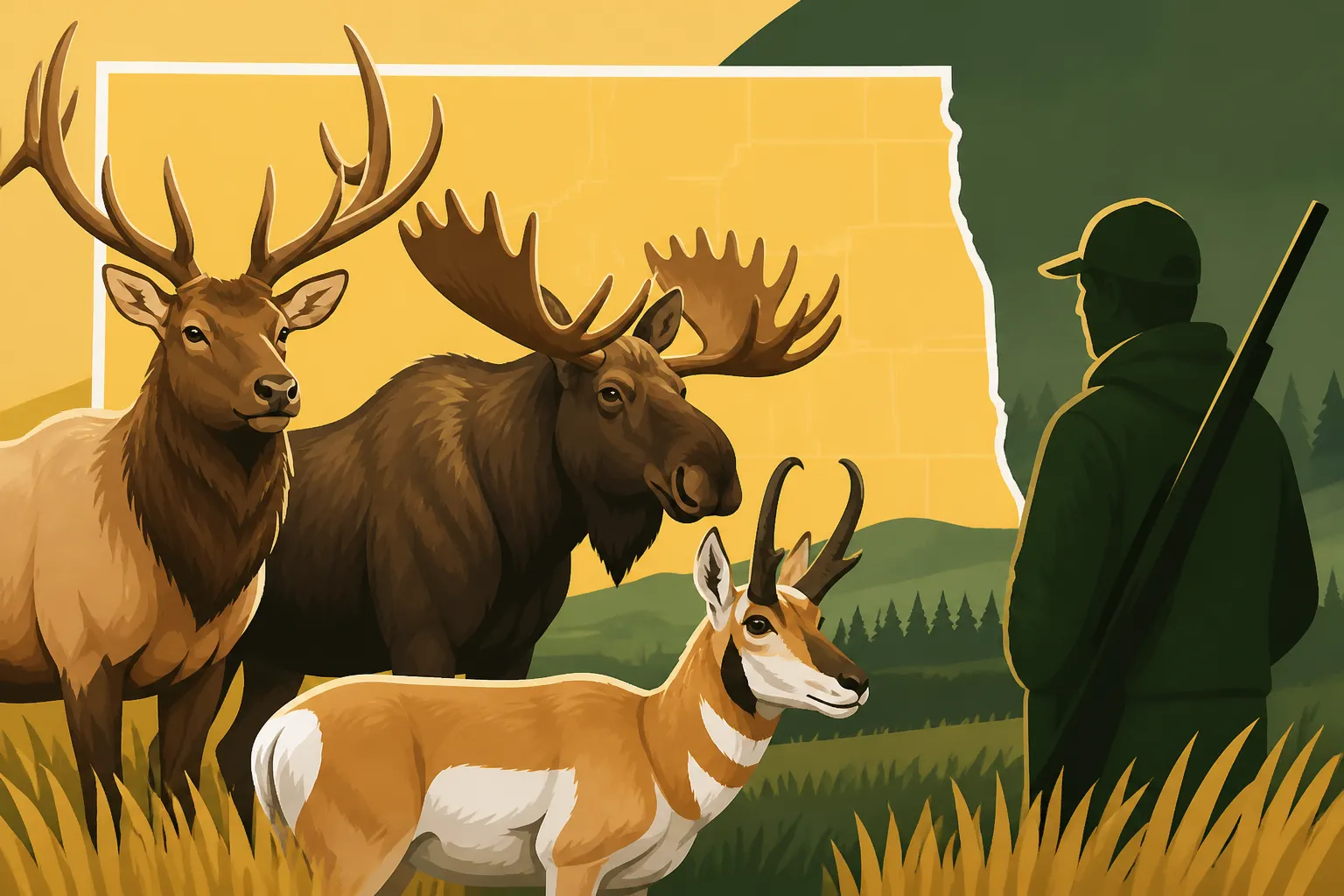
Why Elk, Moose and Pronghorn Stay Resident-Only
It can be incredibly frustrating to discover that some of North Dakota's most coveted big game hunting opportunities are reserved exclusively for residents. Many out-of-state hunters dream of pursuing a majestic elk in the Badlands, spotting a massive moose in the Turtle Mountains, or experiencing the incredible speed of a pronghorn on the prairie, only to hit a wall when they realize these tags are simply not available to them. This guide will deep dive into the specific reasons behind these resident-only regulations, exploring the complex interplay of conservation, population management, and the unique historical context that shapes North Dakota's approach to these sought-after species.
Understanding North Dakota's Conservation Philosophy
North Dakota’s approach to managing its big game, especially those species with more sensitive or limited populations, is rooted deeply in a conservative conservation philosophy. This isn't about excluding non-residents just for the sake of it, but rather a calculated strategy to ensure the long-term health of these herds and to prioritize the foundational support system that keeps wildlife thriving here. The state recognizes that a healthy wildlife population is a shared resource, but the financial and practical burden of maintaining that resource often falls disproportionately on local stakeholders.
Prioritizing Resident Hunters
One of the primary drivers behind the resident-only status for elk, moose, and pronghorn is a clear commitment to prioritizing North Dakota’s residents. Hunting isn't just a recreational activity here; it's a deeply ingrained tradition, a way of life, and a significant contributor to local economies. By reserving these tags for residents, the state ensures that those who live, work, and pay taxes within North Dakota have the first, and often only, opportunity to harvest these animals. This approach fosters a sense of ownership and responsibility among the local hunting community, which is crucial for voluntary participation in conservation programs and ethical hunting practices. When you know your contribution directly impacts your opportunity, the engagement is far greater. It's a way to maintain the hunting heritage that many families have passed down through generations.
Managing Limited Populations
Elk, moose, and pronghorn, while iconic, do not have the widespread populations across North Dakota that white-tailed deer or pheasants do. Their numbers are much more limited, and their habitats are often restricted to specific regions like the Badlands for elk and pronghorn, or river bottoms and forested areas for moose. For example, the North Dakota Elk Herd Population Estimate indicates a very specific, manageable number of animals, primarily concentrated in the western Badlands. Similarly, the North Dakota Moose Herd Population Estimate highlights a geographically distinct and smaller population. These species are naturally less prolific and reproduce at slower rates than many other game animals. If tags were made available to a broader, nonresident pool, the potential for over-harvest, increased pressure on delicate habitats, and a rapid decline in population numbers would be a very real and significant risk. The state's primary goal is to ensure sustainable populations for future generations, and this often means limiting harvest opportunities to the bare minimum necessary for herd health and management, usually only accessible to those with the deepest ties to the land.
Historical Context of Big Game Management
Understanding why these species are resident-only also requires a look at their history in North Dakota. Elk were once extirpated from the state, and their return and slow recovery have been a testament to dedicated conservation efforts. Similarly, moose were not historically widespread but have expanded their range into North Dakota from neighboring states and provinces, establishing viable, though still contained, populations. Pronghorn, while native, have also seen their numbers fluctuate dramatically due to harsh winters and habitat changes, as reflected in the North Dakota Pronghorn Population Trends. The state’s game and fish department has invested heavily, both financially and through intensive management, to bring these species back to huntable numbers and maintain them. This long, often challenging journey of restoration and careful stewardship means that the current management strategies are inherently conservative. To open up these limited opportunities to non-residents could be seen as undermining decades of hard work and the very foundation of their recovery.
The Economic and Biological Factors at Play
Beyond philosophical considerations, there are very concrete economic and biological factors that contribute to the resident-only status of elk, moose, and pronghorn tags. These aren't arbitrary rules; they are carefully considered decisions based on the realities of wildlife management in a state with a relatively smaller human population and a unique landscape.
Funding Conservation Through Resident Licenses
It might seem counterintuitive to limit revenue from nonresident tags, but North Dakota's conservation funding model for these specific species relies heavily on resident support. The revenue generated from licenses, fees, and the lottery applications for general game, big game, and the coveted once-in-a-lifetime tags like those for elk, moose, and bighorn sheep primarily comes from residents. While non-residents contribute significantly through other license purchases, such as for North Dakota Pheasant and Upland Season Rules or North Dakota Duck and Goose Hunting North Dakota's Potholes, the state protects the specific big game species with fragile populations by ensuring that the primary beneficiaries (residents) are also the primary financial contributors to their specific management. This ensures that the bulk of funding for habitat improvement, research, and law enforcement directly benefits those animals and the resident hunters who pursue them. It's a self-sustaining model that prioritizes local investment and direct accountability.
Avoiding Over-Harvest and Pressure
The biological reality of these species means that every tag issued has a significant impact. Take elk, for instance; North Dakota's specific quota for the season, such as in North Dakota's 1,062-License Elk Season, is a precise calculation designed to maintain healthy herd numbers, age structures, and genetic diversity. Introducing a significant influx of nonresident hunters, even with a limited number of tags, could lead to several issues. It could increase hunting pressure on public lands, displace resident hunters, and make it more difficult for wildlife managers to control harvest numbers precisely. For a species like the North Dakota Moose Herd, which occupies specific, smaller niches, even a slight miscalculation in harvest numbers could have disproportionate effects on local populations. The goal is not just to maintain numbers, but to ensure robust and healthy herds that contribute to the ecosystem for the long haul.
Pronghorn Vulnerability and Recovery Efforts
Pronghorn are a special case on the North Dakota prairie. These incredible animals are highly susceptible to harsh winter conditions, especially prolonged periods of deep snow and extreme cold. Population crashes due to severe winters are not uncommon, and it can take several years for herds to rebound. The North Dakota Game and Fish Department closely monitors North Dakota Pronghorn Population Trends and adjusts tag numbers annually to account for these fluctuations. In years following a tough winter, tag availability can drop significantly, sometimes to zero in certain units. Reserving these limited tags for residents allows the state to manage the harvest with extreme precision, ensuring that local populations have the best possible chance to recover. It also ensures that the limited opportunity is given to those who live with the challenges and triumphs of the herd's survival year-round. Services like GoHunt can provide valuable insights for residents tracking these highly variable tag allocations, helping them analyze past draw odds and stay informed on application periods.
What This Means for Nonresident Hunters and Potential Future Changes
While the resident-only rules for elk, moose, and pronghorn can be disheartening for non-residents, it doesn't mean North Dakota is off-limits for incredible hunting experiences. It simply means directing your focus to the abundant opportunities that are available.
Nonresident Opportunities for Other Species
North Dakota remains a premier destination for many other game animals. If your heart is set on big game, White-Tailed Deer Across North Dakota are plentiful, and nonresident archery tags are generally available, even if there are restrictions on How Many Days Nonresidents Wait for Public Land Bow Access. The prairie also offers incredible opportunities for upland birds like Pheasant Hunting North Dakota's Prairie and Sharptail Grouse Hunting Mixed Grass Prairie, not to mention world-class Duck and Goose Hunting North Dakota's Potholes. Nonresidents are significant contributors to these seasons, and the experiences are often unforgettable. Don't let the restrictions on a few species overshadow the fantastic hunting adventures North Dakota does offer to everyone.
Advocacy and Future Considerations
While highly unlikely for elk, moose, and pronghorn due to their unique conservation status and limited populations, hunting regulations are not static. They evolve based on biological data, public input, and changing environmental conditions. If there were ever a significant, sustained increase in these populations, combined with changes in funding models or overwhelming public support, a conversation about nonresident opportunities could theoretically arise. However, given the current population dynamics and conservation philosophy, it’s not something to anticipate in the near future. Groups like the Rocky Mountain Elk Foundation, the Wild Sheep Foundation, and local sportsmen’s organizations continually advocate for sound wildlife management, and their input heavily influences decisions. Hunters, resident and nonresident alike, can stay informed on proposed rule changes and population trends through resources like the North Dakota Game and Fish Department website or advanced hunting research platforms like GoHunt.
Navigating the Application Process for Residents
For North Dakota residents, applying for these coveted tags is a highly anticipated annual event. It's a testament to careful management that these opportunities exist at all, even if they are often once-in-a-lifetime draws for some species.
Elk, Moose, and Bighorn Sheep Lottery Process
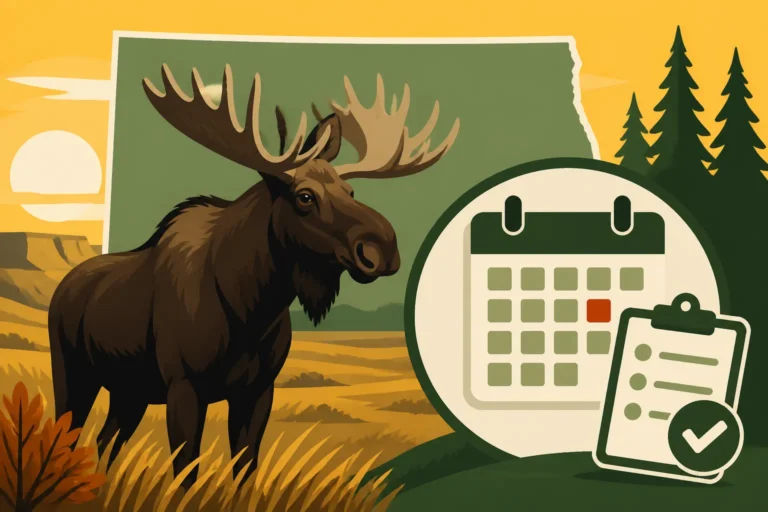
North Dakota treats elk, moose, and bighorn sheep as North Dakota's Once-in-a-Lifetime Big Game Licenses. This means that if you are fortunate enough to draw one of these tags, you cannot apply for that specific species again. This system is designed to spread out the limited opportunities among as many residents as possible over time. The application process is typically an annual lottery, with specific deadlines that are widely publicized by the North Dakota Game and Fish Department. Residents interested in elk would need to navigate the North Dakota Elk Lottery Application Process, while those dreaming of moose would follow the North Dakota Moose Lottery Application Process. For the extremely rare bighorn sheep, the North Dakota Bighorn Sheep Lottery Application Process is the path. These applications usually open in the spring, and drawing success rates can be incredibly low, especially for bighorn sheep. It often takes many years, even decades, of applying to finally draw one of these coveted tags. GoHunt's state-specific draw odds analytics can be a powerful tool for residents to understand their chances and make informed application choices, especially when considering unit selection.
Pronghorn Application Specifics
Pronghorn hunting in North Dakota also operates under a lottery system, but it's not a once-in-a-lifetime tag like elk or moose. Residents can apply every year through the North Dakota Pronghorn Lottery Application Process. However, as mentioned earlier, the availability of pronghorn tags is highly dependent on recent winter survival rates and population surveys. In years with favorable conditions, more tags might be available in certain units, particularly in the western parts of the state where pronghorn populations are strongest. Following severe winters, tag numbers can be drastically reduced or even eliminated in some units to allow herds to recover. This variability means that even for residents, drawing a pronghorn tag is never a guarantee, and requires close attention to the Game and Fish Department's annual proclamations.
Summary of Resident-Only Big Game Tags in North Dakota
| Species | Reason for Resident-Only Status | Application Process for Residents | Key Management Goal |
|---|---|---|---|
| Elk | Limited, recovering populations; habitat specific to Badlands; intensive state management. | Annual lottery, once-in-a-lifetime tag. North Dakota Elk Lottery Application Process | Sustainable population growth and age structure in specific ranges. |
| Moose | Small, geographically confined populations; slow reproduction rates; delicate herd management. | Annual lottery, once-in-a-lifetime tag. North Dakota Moose Lottery Application Process | Maintain healthy, viable herds within their current expanded range. |
| Pronghorn | Highly susceptible to severe winters; populations fluctuate significantly; precise annual harvest control crucial for recovery. | Annual lottery, not once-in-a-lifetime. North Dakota Pronghorn Lottery Application Process | Ensure rapid recovery from population downturns and maintain a robust breeding stock year-to-year. |
Disclaimer
The information provided in this guide is for general informational purposes only and does not constitute legal advice. Hunting regulations and license requirements are subject to change. Always consult the official North Dakota Game and Fish Department website and current year's hunting proclamations for the most accurate and up-to-date information before planning any hunting activity.