Why Nonresidents Can’t Apply for Pronghorn
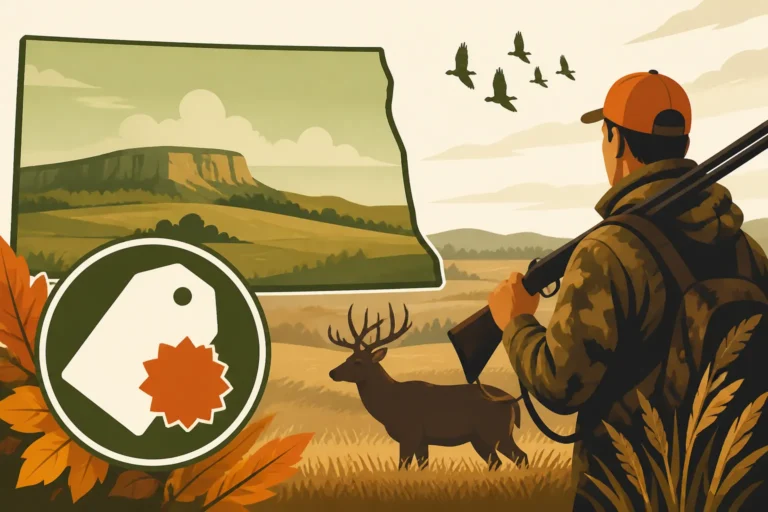
It's incredibly frustrating when you set your sights on a specific hunting experience, like chasing pronghorn across the wide-open spaces of North Dakota, only to discover that the door is essentially closed to nonresidents. You've likely done your research, seen the stunning photos, and imagined yourself spot-and-stalking a trophy buck, but then you hit a wall: the application process. This guide is here to shed light on why North Dakota's pronghorn tags remain a resident-only pursuit and what that means for your hunting dreams.
Understanding the Resident Priority for North Dakota's Big Game
North Dakota, like many states with limited big game resources, has a deeply ingrained philosophy of prioritizing its own residents for certain sought-after hunting opportunities. This isn't unique to pronghorn; it's a principle that touches many of the state's most coveted tags. For those of us who live and breathe hunting, it can feel like a bitter pill when a state closes its doors, but there are some very practical and philosophical reasons behind it.
Why Resident Priority Exists
At its core, resident priority is about resource allocation and public trust. The wildlife in North Dakota is considered a public trust resource, managed by the state for the benefit of its citizens. Residents contribute to the state's economy through taxes, license fees, and other means year-round, regardless of whether they hunt. This ongoing investment is seen as justification for giving them the first, and sometimes only, crack at limited tags. Think about it from a resident's perspective: if they've lived in the state for decades, paid their dues, and watched these herds grow, they feel a deep connection and ownership. It's a system designed to ensure that those who are most invested in the state's long-term wildlife health and habitat are the primary beneficiaries of its harvest opportunities. This is particularly true for animals that might have smaller, more fragile populations or require significant management efforts.
When you think about the fluctuating populations of many game species on the prairie, especially after a tough winter, you can understand the careful balancing act the state wildlife agencies perform. They're constantly monitoring herd health, reproduction rates, and winter survival. Limiting tags, and prioritizing residents for those limited tags, is one tool in their management toolbox to ensure sustainable hunting for future generations.
The Philosophy Behind Limited Tags
Beyond just who gets to hunt, there's also the question of how many tags are issued at all. For species like pronghorn, where populations can be sensitive to environmental factors and habitat changes, the state issues a very finite number of tags. This isn't just about giving residents an advantage; it's about protecting the species itself. The philosophy is that if too many animals are harvested, or if pressure is too high, it could negatively impact the long-term health and stability of the herd.
Imagine a bad winter with heavy snow and prolonged cold. Such conditions can severely impact pronghorn survival, especially fawns. In these situations, the Game and Fish Department might drastically reduce tag numbers, or even close seasons, to allow the population to recover. When tags are this limited, the argument for resident-only access becomes even stronger. It ensures that the hunting heritage remains strong within the state, passed down through local families, and that the state's efforts in conservation directly benefit those who live there. It's a difficult reality for those coming from out of state, but it's built on a foundation of local stewardship and wildlife management principles.
Pronghorn Specifics: A Unique Challenge in North Dakota
North Dakota's pronghorn herd is a fascinating and often challenging one to manage. Unlike deer, which are widespread across the state, pronghorn are much more localized and sensitive to specific habitat and environmental conditions. This makes their management, and subsequently, tag allocation, a very particular process.
North Dakota's Pronghorn Population Dynamics
If you've spent any time driving through western North Dakota, you've probably seen a flash of white and tan streaking across the prairie. Pronghorn are iconic residents of the short-grass prairie and badlands. However, their populations aren't as robust or widespread as, say, white-tailed deer. They tend to concentrate in the western counties, primarily within the Little Missouri National Grassland and surrounding private lands. Their numbers can fluctuate quite dramatically year to year, largely in response to severe winters and drought conditions. A particularly harsh winter can decimate a herd, leading to drastic cuts in hunting opportunities for several years afterward. Why a Hard Winter Hurts Pronghorn Numbers delves deeper into these challenges.
Because of this inherent volatility, the North Dakota Game and Fish Department takes a very conservative approach to pronghorn management. They conduct aerial surveys to estimate herd numbers and fawn recruitment annually. These surveys are crucial in determining how many tags, if any, can be safely issued without jeopardizing the population's long-term viability. This careful monitoring ensures that hunting remains sustainable, but it also means that tag availability is often quite limited, making it an even hotter commodity.
How Tag Allocation Works for Pronghorn
Given the sensitive nature of the pronghorn population, North Dakota employs a strict lottery system for its resident hunters. Nonresidents simply aren't eligible to apply. Even for residents, drawing a pronghorn tag is tough, and often requires accumulating preference points over several years. This isn't like buying an over-the-counter pheasant license; it's a coveted opportunity that many residents wait patiently for. The number of tags available varies each year based on population estimates, often only a few hundred statewide, sometimes even fewer after a hard winter.
The application period itself is tightly scheduled, typically in the spring, and results are released later in the summer. For residents, it's a nail-biting wait, hoping their number finally comes up. This limited allocation ensures that hunting pressure on the population remains low, protecting both the animals and the quality of the hunting experience for those lucky enough to draw a tag. Here’s a simplified breakdown of the process:
| Step | Resident Hunter Action | Nonresident Hunter Status |
|---|---|---|
| 1. Application Period | Submits application and pays fee (usually spring) | Not eligible to apply |
| 2. Preference Points | Accrues points for each unsuccessful application | Not applicable |
| 3. Lottery Draw | System randomly selects successful applicants | Not applicable |
| 4. Tag Issuance | Successful applicants receive specific unit tags | Not applicable |
| 5. Season Dates | Hunts within designated season (usually fall) | Cannot obtain a tag |
This table clearly illustrates that from the very first step, nonresidents are excluded from the process. It's a system designed to protect a valuable, yet fragile, resource for the state's citizens. For more on how North Dakota manages other big game lotteries, you might find North Dakota Pronghorn Lottery Application Process helpful, though remember nonresidents are excluded for pronghorn.
Understanding the "Once-in-a-Lifetime" Rule
The concept of a "once-in-a-lifetime" tag is pretty unique, and it’s especially relevant when discussing species like pronghorn, moose, and bighorn sheep in North Dakota. This rule significantly impacts how these tags are viewed and distributed, further solidifying the resident-only status for pronghorn.
What a "Once-in-a-Lifetime" Tag Truly Means
For a North Dakota resident, drawing a tag for certain species—like elk, moose, bighorn sheep, and yes, pronghorn—is often a "once-in-a-lifetime" event. This means that if you are fortunate enough to draw and harvest one of these animals in North Dakota, you are generally no longer eligible to apply for that specific species in future years. It's truly a bucket-list hunt, an experience that the state intends for each resident to have just once, to ensure as many different residents as possible get a chance at these incredibly rare opportunities.
This rule underscores the scarcity of these animals and the intense demand for their tags. It’s not just about winning a lottery; it’s about experiencing a unique piece of North Dakota’s wild heritage. The state views these as highly prized opportunities, and by limiting them to one per person, they maximize the number of residents who can partake. This approach is fundamental to how North Dakota manages its most sensitive and limited big game populations. You can explore What a Once-in-a-Lifetime Pronghorn Tag Means for more detailed implications if you were a resident.
Impact on Nonresident Opportunities
For nonresidents, the "once-in-a-lifetime" rule combined with the resident-only application process creates an absolute barrier to entry for pronghorn hunting in North Dakota. Since nonresidents aren't allowed to even apply for the lottery, the "once-in-a-lifetime" aspect simply reinforces that there's no pathway for them to obtain a tag. It's not a matter of waiting longer or accumulating more points; the opportunity simply isn't available.
This can be incredibly disappointing, especially for hunters who travel to other states for pronghorn. Many Western states offer nonresident pronghorn tags, sometimes even over-the-counter or through a more accessible lottery. North Dakota's stance is a clear reflection of its conservative management strategy and the prioritization of its own citizens for these rare experiences. While you might be able to hunt other species in North Dakota as a nonresident, pronghorn remains firmly off the table.
Navigating Limited Opportunities: What Nonresidents Can Do
While the door for nonresident pronghorn hunting in North Dakota remains closed, it doesn't mean your North Dakota hunting adventures are over before they begin. The state offers a wealth of other incredible hunting experiences that nonresidents can pursue.
Exploring Other Hunting Options in North Dakota
North Dakota might not offer nonresident pronghorn tags, but it is an absolute mecca for other hunting opportunities. If you're looking for big game, you can still apply for North Dakota's Lottery-Based Deer Gun Season or pursue deer with an archery tag, though nonresident archery tags have specific access restrictions until mid-September. Bowhunting North Dakota's Long Archery Season can give you a lot more information on that front.
For many nonresidents, North Dakota is synonymous with upland birds and waterfowl. The state's pheasant hunting is legendary, with vast stretches of habitat providing some of the best rooster action anywhere. Pheasant Hunting North Dakota's Prairie goes into detail on what makes this state so special for pheasants. Similarly, the North Dakota Waterfowl on the Prairie Pothole Flyway offers world-class duck and goose hunting, drawing hunters from all corners of the country. There are various nonresident waterfowl license options, though it's important to be aware of the North Dakota's New Nonresident Waterfowl Rule and the resident-priority days for waterfowl.
Other small game, like Sharptail Grouse and Hungarian Partridge in North Dakota, also offer fantastic opportunities and are typically accessible to nonresidents with the appropriate licenses. Many hunters combine these pursuits, perhaps spending mornings in a duck blind and afternoons chasing pheasants, making for a truly memorable North Dakota experience.
Keeping an Eye on Policy Changes
Wildlife management policies are not set in stone forever, though changes for deeply ingrained resident-priority species like pronghorn are rare and often take many years to even be considered. Typically, any shift would require a significant and sustained increase in the pronghorn population, combined with a re-evaluation of state priorities. Such changes would involve extensive research, public input, and legislative processes.
For now, the best course of action for any nonresident interested in North Dakota pronghorn is to stay informed. Keep an eye on the North Dakota Game and Fish Department's official website for their annual proclamations, population updates, and any news releases regarding big game management. While it’s unlikely to change soon for pronghorn, being aware of all regulations is key for any hunting pursuit. Understanding the reasons behind current policies can also help in appreciating the unique challenges and triumphs of wildlife management in a state like North Dakota. If your heart is set on pronghorn, you might need to look at other Western states that do offer nonresident tags, but don't count North Dakota out for its incredible pheasant, waterfowl, or even deer hunting.
Disclaimer
This article is for general informational purposes only and does not constitute professional advice. Laws, prices and regulations vary by location and change over time. Consult a qualified professional for guidance on your specific situation.