Why a Hard Winter Hurts Pronghorn Numbers
It’s a heart-sinking feeling for any hunter or wildlife enthusiast in North Dakota when you look out at a seemingly endless expanse of snow and realize just how harsh winter can be on our wild residents. Pronghorn, with their incredible speed and adaptations to open grasslands, seem tough, but a truly severe North Dakota winter can devastate their populations, leaving many wondering why these resilient creatures struggle so much. This guide will meticulously break down the intricate ways a hard winter impacts pronghorn numbers, from direct mortality to long-term reproductive challenges, helping you understand the real stakes involved in those cold, white months.
The Direct Impact of Severe Cold and Snow on Pronghorn Survival
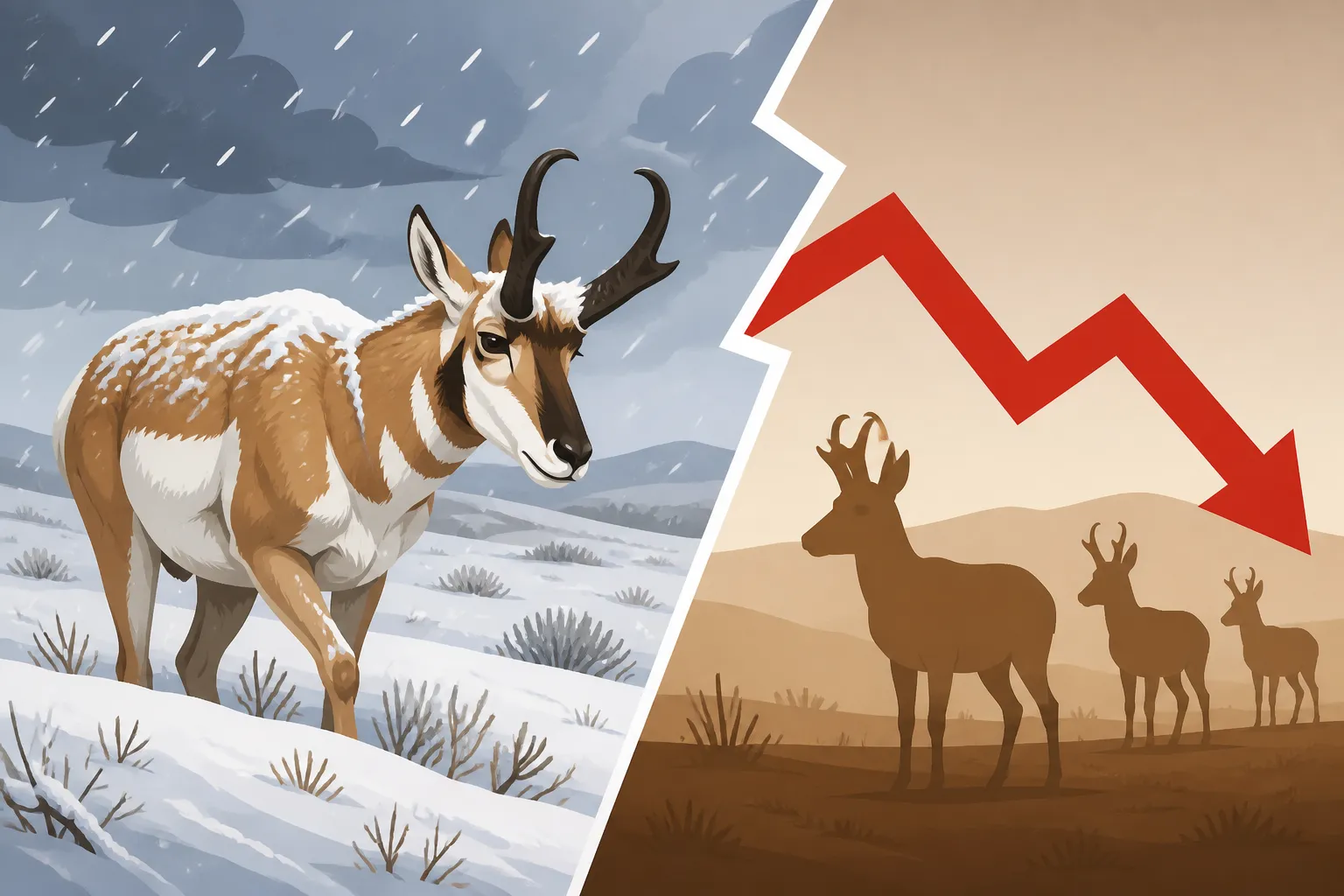
When the mercury plummets and the snow piles up across the North Dakota prairie, pronghorn face an immediate and brutal challenge to their very existence. Unlike some other big game species, pronghorn are built for speed and open country, not for slogging through deep drifts or sheltering in dense timber. This specialized physiology, while advantageous in fair weather, becomes a significant liability during a truly unforgiving winter. Their survival hinges on access to forage and the ability to escape predators, both of which are severely compromised when the landscape transforms into a frozen wasteland.
Energetic Demands and Nutritional Stress
Imagine trying to keep warm and active when every calorie you consume is immediately burned just to maintain your body temperature. That’s the reality for pronghorn in a harsh winter. Their metabolism kicks into overdrive, demanding significantly more energy to simply stay alive. Coupled with this increased demand is a drastically reduced supply of quality forage. The nutrient-rich grasses and forbs they rely on are either buried under snow or frozen solid, making them difficult to access and digest. Pronghorn simply cannot afford to lose much body condition. They don't store large fat reserves like bears or even deer, and their digestive systems are finely tuned for specific, high-quality prairie vegetation. When they can't get enough energy, their bodies start to break down, leading to weakness, disease, and eventually, starvation. It’s a slow, grueling process that thins the herd well before spring arrives.
Every step they take in cold weather expends precious energy. Every moment spent pawing through icy crusts for a meager bite of dried grass is a drain. This constant battle for calories means that by late winter, many pronghorn, especially the younger animals, older individuals, or those that entered winter in less-than-ideal condition, are living on borrowed time. Even if they don't succumb directly to starvation, their weakened state makes them more vulnerable to every other threat the winter presents.
Deep Snow and Mobility Challenges
Pronghorn have relatively small hooves and long, slender legs designed for blistering speed across firm ground. This morphology is entirely unsuited for navigating deep snow. When snow depths exceed 12-18 inches, their natural advantage becomes a crippling disadvantage. They struggle to move, sinking into the drifts with every step, expending enormous amounts of energy that they desperately need for warmth and survival. This constant struggle to move drastically limits their ability to travel between feeding grounds or to escape danger.
Consider a scenario where a herd needs to reach a windswept ridge where snow is shallower and some forage might be exposed. If a valley filled with deep, crusted snow lies in between, that journey might become impossible. They become prisoners in shrinking pockets of accessible habitat, often depleting available food sources in those areas quickly. This "yarding up" behavior, while protective to a degree, can also concentrate animals, making them easier targets for predators and increasing competition for scarce resources. Their magnificent speed, usually their primary defense, is rendered useless when they can barely lift their legs through the heavy snow. North Dakota Pronghorn Herd Size is directly correlated with how much accessible habitat remains during these critical times.
Predation Risk in Compromised Conditions
A healthy pronghorn is a blur of speed, able to outrun nearly any predator on the open prairie. However, a pronghorn weakened by nutritional stress and bogged down by deep snow is a very different animal. Coyotes, bobcats, and even eagles—especially for fawns—become much more significant threats. Predators don't have to work as hard to catch a struggling pronghorn, making them easy targets. The sheer effort of moving through snow makes it nearly impossible for pronghorn to mount their characteristic high-speed escapes.
Imagine a coyote pack spotting a group of pronghorn struggling through a deep drift. It’s an opportunistic hunter's dream. The pronghorn simply can't generate the burst of speed needed to create distance, and the deep snow saps their endurance quickly. This heightened predation pressure during severe winters adds another layer of mortality, particularly impacting younger animals who haven't yet developed full strength or experienced many winters. It’s a double-whammy: the winter itself weakens them, and then that weakness exposes them to threats they would normally easily evade.
Habitat Degradation and Forage Availability
Beyond the direct cold and snow, a hard winter fundamentally alters the pronghorn's habitat, turning what was once a bountiful prairie into a barren, unyielding landscape. The very food sources they depend on become inaccessible or are destroyed, leading to widespread nutritional deficiencies that cascade through the population. This isn't just a temporary inconvenience; these changes can have lasting effects on the carrying capacity of the land.
Ice-Encased Forage and Limited Access
One of the most insidious ways winter impacts pronghorn is when rain, freezing rain, or a thaw followed by a deep freeze creates a crust of ice over the snow, or even directly encases dormant vegetation. This ice layer acts like an impenetrable shield, locking away whatever forage might have been under the snow. Pronghorn, unlike deer, do not typically "browse" on woody vegetation; they are grazers and depend on grasses and forbs. When these are cemented under ice, they simply can't get to them. Their hooves aren't designed for breaking through thick ice, and the energy expended trying often outweighs the caloric gain.
Picture a field of dried grasses, usually a winter staple. After an ice storm, each blade is encased in a glassy shell. A pronghorn might paw and scratch, but the effort is often futile, leading to frustration and continued hunger. Even if they do manage to break through, the sharp edges of the ice can cause cuts and abrasions to their legs, creating additional health problems. This phenomenon is particularly devastating because it negates even shallow snow cover where forage might otherwise be available. Stalking Pronghorn on Open Grassland becomes nearly impossible for the animals themselves when their food is locked away.
Long-Term Range Deterioration
While direct ice crusts are a short-term issue, repeated severe winters can contribute to a long-term decline in the quality of pronghorn range. Overgrazing in limited accessible areas during one winter can stress vegetation, making it less productive in subsequent years. If a localized area is heavily utilized by struggling pronghorn because it offers a slight reprieve from the snow, that area may not recover robustly by the next growing season. This can reduce the overall carrying capacity of the land, meaning fewer pronghorn can be supported even during milder years.
Furthermore, extremely harsh conditions can impact the seed bank of certain crucial forbs, altering the future composition of the prairie. If the plants that pronghorn prefer are particularly vulnerable to freezing or inability to reseed after severe winter events, their prevalence can decrease over time. This makes it harder for the herd to find optimal nutrition, even in non-winter months, as the ecological balance of the prairie shifts. This subtle but significant degradation impacts the fundamental health and resilience of the entire population.
Bottlenecks in Migration Corridors
Pronghorn are known for their migratory movements, often traveling long distances to find suitable winter range. However, human development and severe weather can create "bottlenecks" in these ancient migration corridors. Fences, roads, and urban sprawl already pose challenges, but during a harsh winter, these barriers become absolute roadblocks if snow is too deep to cross. A frozen river that would normally be a crossing point might become too treacherous, or a deep snowdrift along a fence line could effectively trap animals. Where North Dakota Pronghorn Concentrate often depends on these historical travel routes.
When pronghorn are prevented from reaching their traditional wintering grounds—areas that might naturally have less snow or more exposed forage due to prevailing winds or topography—they are forced to remain in suboptimal habitats. This exacerbates the nutritional stress and mobility issues already discussed. A hard winter, especially one with prolonged deep snow, can turn a typical migratory path into a death trap, preventing animals from accessing the resources essential for survival. This is a critical factor when considering the long-term health and distribution of North Dakota’s pronghorn populations.
Delayed Reproductive Success and Fawn Survival
The impacts of a hard winter don't just manifest in immediate mortality. They cast a long shadow over the following year, significantly affecting the reproductive success of the surviving does and the survival rates of their fawns. This delayed effect means that even if a spring seems mild, the ghost of the previous winter can still be felt in the low number of new recruits to the herd.
Does Entering Spring in Poor Condition
For does, surviving a harsh winter in North Dakota means enduring extreme caloric deprivation while often carrying developing fawns. If a doe enters spring in poor body condition, having depleted most of her fat reserves just to stay alive, her ability to successfully carry her pregnancy to term and nurse her fawns is severely compromised. She might be weaker, more susceptible to disease, and less capable of producing enough milk to sustain healthy fawns.
This isn't just about the number of fawns born; it's about the quality of those fawns. Malnourished does are more likely to give birth to smaller, weaker fawns, or even experience stillbirths or abortions. They simply don't have the physiological resources to invest in robust offspring. The stress of the winter doesn't end with the thaw; it carries over into the crucial spring fawning period, acting as a major bottleneck for population recovery. This is a primary reason why North Dakota Pronghorn Fawn Survival is so sensitive to winter conditions.
Increased Fawn Mortality
Even if fawns are born, their chances of survival plummet if their mothers are in poor shape or if the spring weather itself remains challenging. A doe struggling to recover from winter stress may abandon a fawn, or simply not produce enough milk to support it. Furthermore, if spring arrives late or is unusually cold and wet, newborn fawns—which are already vulnerable—face an even tougher start. They are born with limited fat reserves and are highly susceptible to hypothermia.
Weak fawns are also easier targets for predators. A healthy fawn, though small, is surprisingly quick and adept at hiding. But a fawn born weak, or one whose mother is too exhausted to adequately protect it, becomes an easy meal. The cumulative effect of a depleted mother and challenging environmental conditions leads to a significant spike in fawn mortality rates. This can wipe out a generation, leaving a huge hole in the population structure that takes years to fill.
Ripple Effects on Future Generations
The reduced number of surviving fawns in a post-hard-winter year means fewer yearlings entering the breeding population in two years, and fewer prime-aged does producing fawns for years to come. This creates a ripple effect throughout the population. It's not just a one-year dip in numbers; it's a multi-year recovery challenge. If multiple severe winters occur in close succession, the population can enter a downward spiral that is very difficult to reverse.
For example, if a brutal winter wipes out a significant portion of the doe fawns, then in two years, the number of young does entering their first breeding cycle will be drastically lower. This means fewer opportunities for the herd to grow. Wildlife managers, like those using resources from GoHunt to track herd health, pay close attention to fawn recruitment data for precisely this reason. It provides a crucial indicator of the population’s ability to rebound from environmental setbacks. North Dakota Pronghorn Population Trends clearly show these boom-and-bust cycles tied directly to winter severity and subsequent fawn recruitment.
How Wildlife Managers Monitor and Respond to Winter Impacts
Understanding the severe challenges pronghorn face during harsh winters is one thing; actively managing the population to mitigate these impacts and promote recovery is another. North Dakota's wildlife agencies work tirelessly to monitor herd health and adapt their strategies, often relying on a combination of aerial surveys, data analysis, and hunter input. This proactive approach is essential to sustaining viable pronghorn numbers across the state.
Aerial Surveys and Population Estimates
One of the most critical tools for understanding the health and size of North Dakota's pronghorn herd is the aerial survey. After the snow melts and conditions allow, wildlife biologists take to the skies, flying predetermined transects across pronghorn range. From the air, they can count animals, assess their distribution, and often get a sense of overall herd health. These counts are then used to generate population estimates, which are vital for making informed management decisions.
These surveys aren't just about a raw number; they also look at key metrics like the buck-to-doe ratio and the fawn-to-doe ratio. A low fawn-to-doe ratio, for instance, is a flashing red light indicating a tough winter likely impacted reproductive success and fawn survival, as discussed earlier. This data allows agencies to understand the extent of winter's damage and predict how many years it might take for the population to recover. Companies like GoHunt leverage this publicly available data to provide hunters with insights into unit health and drawing odds, though it's always best to check with the state's official sources for the most current information. North Dakota Pronghorn Herd Size figures are directly derived from these essential aerial surveys.
Adaptive Management Strategies
Based on the data collected, wildlife managers employ adaptive management strategies to help the pronghorn population bounce back. This often means adjusting hunting seasons and tag allocations. Following a severe winter, there might be a significant reduction in the number of hunting tags issued, or even a closure of hunting seasons in particularly hard-hit units. The goal is to reduce pressure on a struggling herd, allowing more animals to survive and reproduce, thereby accelerating recovery.
Sometimes, management can also involve habitat improvements. While large-scale changes are challenging, local efforts to improve forage quality or remove old, unnecessary fencing that creates migration barriers can make a difference. These decisions are not made lightly; they involve careful consideration of biological data, public input, and the long-term health of the species. It's a delicate balance to manage a resource for both conservation and recreational opportunity. Pronghorn Hunting Western North Dakota regulations are a direct result of these management considerations.
Hunter Contributions to Data Collection
Hunters play an often-underestimated role in wildlife management. Every harvested animal provides valuable data. When hunters report their take, they contribute to a more accurate understanding of harvest numbers, success rates, and the overall health of the herd. In some cases, agencies might request specific samples, such as teeth for aging or tissue for disease testing, which provides even more detailed biological information.
Beyond the harvest, hunters spending time in the field are often the first to observe unusual animal behavior, disease outbreaks, or significant changes in habitat. Reporting these observations to local game wardens or wildlife offices can provide early warnings and supplement official survey data. Participating in hunter education, following regulations, and respecting the land are all ways hunters contribute to the sustainable management of North Dakota's pronghorn. It's a partnership between state agencies and the hunting community, all working towards the common goal of healthy wildlife populations. How Pronghorn Numbers Crashed and Recovered showcases the history and importance of sound management over time.
Winter Severity Factors and Their Impact on Pronghorn
To further illustrate the multifaceted nature of winter's impact, here’s a breakdown of specific factors and their consequences for North Dakota pronghorn:
| Winter Severity Factor | Primary Impact on Pronghorn | Direct Consequences | Long-term Consequences |
|---|---|---|---|
| Deep Snow (>12-18 inches) | Restricted Mobility | Increased energy expenditure, reduced access to forage, heightened predation risk. | Reduced population density, shifts in range use, increased susceptibility to future stressors. |
| Prolonged Extreme Cold | High Energetic Demands | Rapid depletion of fat reserves, increased risk of hypothermia, weakened immune system. | Lowered body condition, delayed breeding success, increased disease vulnerability. |
| Ice Layers/Crusts | Forage Inaccessibility | Starvation, dental wear from attempting to break ice, physical injury. | Habitat degradation from concentrated feeding in limited areas, altered forage composition. |
| Wind & Ground Blizzards | Increased Chill Factor, Snow Redistribution | Rapid heat loss, deeper drifts in low-lying areas, exposed animals on open plains. | Further energy drain, forced abandonment of prime feeding areas, increased stress. |
| Late Spring Storms | Post-Winter Stress & Fawn Vulnerability | Mortality of newborn fawns, reduced milk production in does, delayed onset of green-up. | Poor fawn recruitment, prolonged recovery period for the herd, smaller breeding cohort. |
| Drought Preceding Winter | Reduced Forage Quality/Quantity | Pronghorn enter winter in poor condition, less stored fat reserves, weaker immune systems. | Exacerbated winter impacts, slower recovery, potential for compounded population declines. |
Disclaimer
This article is for general informational purposes only and does not constitute professional advice. Laws, prices and regulations vary by location and change over time. Consult a qualified professional for guidance on your specific situation.