Finding a Badlands Drop Camp Outfitter
When you dream of a true wilderness hunt in North Dakota, the Badlands often come to mind. But getting deep into that rugged, broken country with all your gear and supplies can feel like an impossible task, especially if you want that raw, independent experience without hiring a full-service guide to hold your hand. This guide is all about navigating the ins and outs of finding and understanding what a Badlands drop camp outfitter offers, so you can plan that unforgettable hunt with confidence.
What Exactly Is a Badlands Drop Camp Hunt?
Let's be honest, the term "drop camp" can be a little confusing. It's not just some outfitter pointing to a spot on a map and wishing you good luck, and it's certainly not a luxurious lodge stay. Instead, it’s a brilliant middle-ground option for hunters who crave solitude and self-reliance but need a significant logistical leg-up to access those truly remote areas. Think of it as having a highly capable assistant get you and your gear where you need to go, then leaving you to your own devices until it's time to be picked up.
More Than Just a Campsite
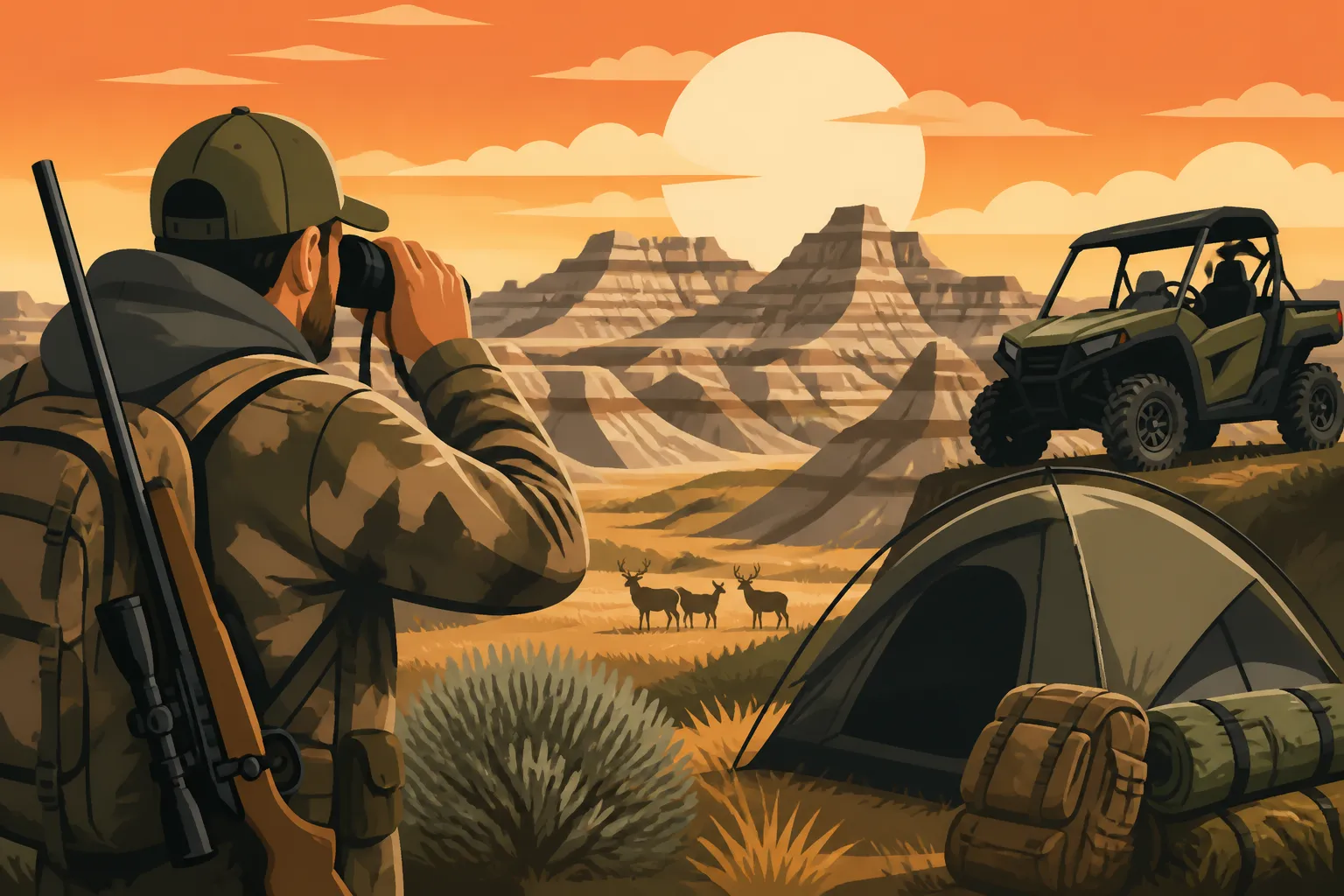
A drop camp goes beyond merely identifying a place to pitch your tent. It's a comprehensive service that typically includes transporting you, your hunting partners, and all your essential equipment — tents, sleeping bags, cooking gear, and food — deep into the backcountry. In the North Dakota Badlands, this often means utilizing UTVs, horses, or even a robust 4×4 vehicle that can handle trails most hunters wouldn't dare attempt with their personal truck.
Imagine trying to haul several hundred pounds of gear, plus your own body weight, up and down those steep, eroded coulees and over rocky buttes. It’s exhausting just thinking about it, isn't it? A good drop camp outfitter eliminates that monumental logistical hurdle. They know the terrain, they have the specialized equipment, and they understand the challenges of getting people and provisions into places that are truly wild. This isn't about setting up a tent next to a paved road; it's about being placed miles from any easy access point, sometimes several hours' travel from the nearest paved surface.
Ideal for the Self-Reliant Hunter
Drop camps are tailor-made for the seasoned hunter who wants a true backcountry experience without the added pressure or cost of a full-time guide. You're the one calling the shots: you decide when to wake up, where to hunt, how long to sit, and what tactics to employ. This kind of hunt demands a high degree of self-sufficiency, knowledge of the game you're pursuing, and comfort with being truly alone in nature. You'll be responsible for your own navigation, game scouting, tracking, field dressing, and potentially getting your animal back to the drop camp site for pickup.
If the thought of strategizing your own hunt, setting your own schedule, and truly pitting your skills against the wild appeals to you, then a drop camp might be your perfect fit. It’s for those who have developed their hunting prowess over the years and now seek a deeper, more personal connection to the hunt, relying on their own instincts and preparation rather than constant guidance. This kind of adventure is incredibly rewarding, offering a sense of accomplishment that’s hard to replicate on a typical day hunt. It’s a chance to truly disconnect and immerse yourself in the landscape.
Why Choose a Drop Camp in the North Dakota Badlands?
The North Dakota Badlands are an iconic, rugged landscape unlike anywhere else in the state. For big game hunters, it offers a challenging yet incredibly rewarding environment. A drop camp is often the key to unlocking the full potential of this unique hunting destination, providing access and support that can make or break your success.
Access to Remote and Rugged Terrain
The Badlands are beautiful, but they are also unforgiving. Deep ravines, steep hillsides, thick juniper breaks, and an absence of well-maintained roads characterize much of this country. Trying to access the most productive hunting areas on foot, especially with camping gear, can be prohibitively difficult and time-consuming. This is where a drop camp outfitter becomes invaluable. They possess the knowledge and specialized vehicles to ferry you and your equipment far beyond where most casual hunters can venture.
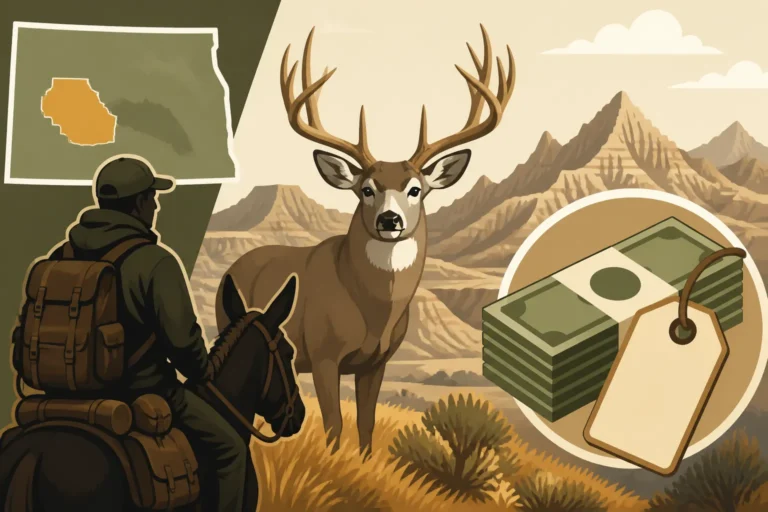
Imagine needing to hike several miles just to reach a potential hunting spot, only to find the ideal bedding areas or watering holes are even deeper in. An outfitter can position you directly in or adjacent to these prime locations, saving you days of strenuous packing and allowing you to maximize your hunting time. This is particularly crucial when pursuing elusive animals like mule deer or elk, which often gravitate to the most remote and undisturbed corners of the Badlands. The ability to be dropped off in a secluded draw or on a hidden plateau means you start your hunt fresh, rather than exhausted from an arduous trek. It significantly broadens your effective hunting range and puts you in front of more undisturbed game. You can learn more about specific tactics in Hunting a Badlands Draw for Mule Deer.
The Balance Between Independence and Support
Many hunters cherish their independence. They want to plan their own stalks, make their own mistakes, and celebrate their own victories. A fully guided hunt, while effective, can sometimes feel a bit too structured or like you're simply following someone else's lead. This is where the drop camp truly shines, offering that sweet spot between going completely off-grid and having a full-service experience.
You get the best of both worlds: the outfitter handles the heavy lifting of getting you into a prime, remote location, but once you're there, the hunt is entirely yours. You're responsible for your daily decisions, your strategy, and your success. However, you also have the peace of mind knowing that someone is expecting you at a certain time and will be there to pick you up. They also typically have emergency protocols in place, which is a significant safety net when you're miles from cell service. This allows you to truly focus on the hunt itself, rather than constantly worrying about logistics or safety. It’s a challenging adventure with a reliable backup plan.
Targeting North Dakota's Unique Big Game
The Badlands are home to some of North Dakota's most coveted big game species, offering incredible opportunities for those who draw the highly sought-after tags. A drop camp provides the strategic advantage needed to effectively hunt these animals in their native, often challenging, habitat.
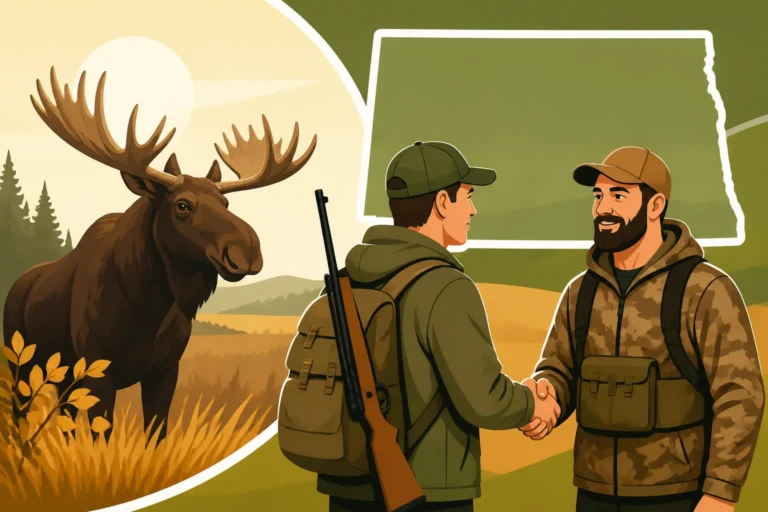
You might be dreaming of a trophy mule deer, whose elusive nature and preference for broken terrain make them a formidable quarry. A drop camp can place you deep within their range, far from typical road access, increasing your chances of encountering mature bucks. For those fortunate enough to draw an elk tag, a Badlands drop camp becomes almost essential. Elk in North Dakota's Little Missouri Badlands are masters of using the complex topography to their advantage, and getting into their core areas requires significant effort. A drop camp allows you to spend your precious hunting days glassing those remote coulees and chasing bugles, rather than trekking in and out. While rarer, if you've drawn one of the highly coveted moose or bighorn sheep tags, a drop camp can be instrumental in providing access to the specific, often isolated, habitats these animals prefer, as discussed in Moose and Bighorn Sheep in North Dakota. For general deer season, even targeting whitetails in the remote river bottoms that cut through the Badlands can be greatly enhanced by a drop camp.
Here's a quick comparison of hunt types:
| Feature | DIY Hunt (Backpacking In) | Drop Camp Hunt | Fully Guided Hunt |
|---|---|---|---|
| Access | Limited to easily reachable areas | Deep backcountry, remote locations | Deep backcountry, remote locations |
| Logistics | All on you: gear, food, transport | Outfitter handles transport & camp | Outfitter handles all details |
| Independence | Complete | High (you hunt solo) | Limited (guide leads hunt) |
| Cost | Lowest (permits, gear) | Medium (transport, camp setup) | Highest (all-inclusive service) |
| Physical Demand | Very High (packing heavy loads) | High (still hunt hard) | Moderate (guide assists with heavy work) |
| Skill Required | High (navigation, game knowledge) | High (navigation, game knowledge) | Moderate (guide provides expertise) |
| Game Retrieval | Entirely on you | On you to get to camp, outfitter extracts from camp | Guide assists with all retrieval |
| Best For | Extreme budget, experienced | Experienced, self-reliant, budget-conscious | Novice/intermediate, high success rate priority |
The Search: How to Find a Reputable Badlands Drop Camp Outfitter
Finding the right drop camp outfitter for a North Dakota Badlands hunt requires careful research and clear communication. You're entrusting a significant part of your hunting experience, and safety, to them, so thorough vetting is crucial.
Starting Your Research Online
In today's connected world, the internet is your first and best resource. You can begin by searching for North Dakota outfitters specializing in backcountry or drop camp services. Look for outfitters explicitly mentioning the Badlands, Little Missouri National Grassland, or specific game species like mule deer and elk. Websites like BookYourHunt can be a great starting point, as they often aggregate listings from various outfitters, complete with descriptions, services offered, and sometimes even reviews from previous clients. You’ll want to look beyond just the flashy photos and delve into the details of what each outfitter truly provides. Pay attention to how long they’ve been operating in the Badlands specifically, as local knowledge is paramount.
Hunting forums and online communities dedicated to North Dakota hunting can also be goldmines of information. Here, you can find candid discussions, recommendations, and warnings from fellow hunters who have firsthand experience with drop camp services. Don’t be afraid to post your own questions; the hunting community is often eager to share their insights. Another great resource is the North Dakota Game and Fish Department website, which often lists licensed outfitters or provides information on legal requirements for guiding services, helping you narrow down your search to legitimate operators.
Vetting Potential Outfitters
Once you have a list of potential outfitters, the real work begins: vetting them. This isn't just about price; it's about trust and capability. Start by contacting them directly. A reputable outfitter will be eager to answer your questions thoroughly and transparently.
Here are some critical questions to ask:
- Experience: How long have they been running drop camps in the Badlands? Can they provide references from past drop camp clients?
- Location: Exactly where in the Badlands do they operate? What kind of terrain can you expect in their drop zones?
- Logistics: What are the pickup/drop-off points? What type of transportation do they use to get you into camp? What's the plan if weather delays pickup or drop-off?
- Camp Setup: What exactly is provided in the camp (tent, cots, cooking gear, water, fuel)? Will they cache food for you, or do you bring all your own? Understanding What a Badlands Drop Camp Includes is vital.
- Emergency Plan: What are their emergency communication procedures? Do they carry satellite phones or InReach devices? What's the protocol if a hunter is injured or gets lost?
- Game Management: Do they operate in a specific unit, and how does that align with the tag you hope to draw? Are there any CWD concerns or testing requirements in their area, as detailed in North Dakota's Expanding CWD Hunting Units?
- Licensing: Are they properly licensed and insured to operate as an outfitter in North Dakota? Don't hesitate to ask for their license number and verify it with the state. Vetting a North Dakota Hunting Outfitter covers this in more detail.
Pay close attention to their communication style. Are they responsive? Do they sound knowledgeable and professional? A lack of clear, direct answers or a reluctance to provide references can be a significant red flag. You're building a relationship here, even if it's brief, and clear expectations on both sides are paramount for a successful hunt.
Understanding What's Included and What's Not
One of the most common sources of frustration or disappointment on any guided or outfitted hunt comes from mismatched expectations. With a drop camp, it’s even more critical to understand the fine print, as you're taking on significant responsibility yourself. Don't assume anything.
Typically, a drop camp will include:
- Transportation: Getting you, your gear, and your food into a remote site, and then picking you up at a predetermined time.
- Basic Camp Infrastructure: This usually means a durable wall tent, perhaps with a wood stove for warmth, cots or sleeping pads, and possibly a basic cooking setup (like a propane stove and some pots/pans).
- Water Source: Sometimes they will cache water, or they will guide you to a reliable water source that you may need to filter yourself.
- Game Retrieval: Most outfitters will help you extract your harvested animal from the drop camp site, but the responsibility of getting the animal to the camp from where it fell typically lies with you. This is a huge distinction in the rugged Badlands terrain.
What's generally not included, and where many hunters make assumptions:
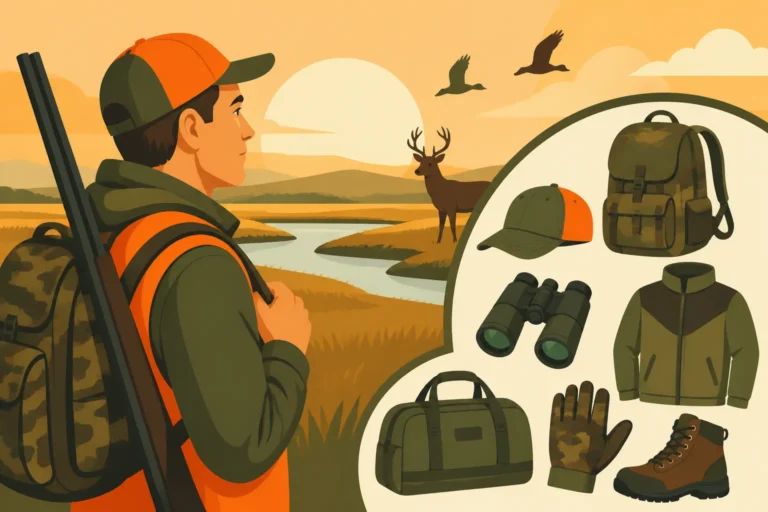
- Personal Hunting Gear: Your rifle or bow, ammunition, clothing, boots, optics, sleeping bag, and personal items are always your responsibility.
- Food and Cooking Supplies: While a stove might be provided, you're usually responsible for bringing and preparing all your own meals and snacks. Plan this meticulously, especially for caloric intake and weight.
- Guide Services: This is key. You are not getting a guide to hunt with you. The outfitter is providing access and a base camp, not in-field guidance.
- Guaranteed Success: No ethical outfitter will guarantee you a kill, especially on a drop camp where your hunting skills are paramount. They provide the opportunity; you provide the execution.
- License and Tag Fees: You are responsible for obtaining all necessary North Dakota Hunting Licenses and What They Cost and specific tags, which usually involves applying through a lottery system for big game.
Make sure you have a signed agreement detailing every service provided, the exact dates of your drop-off and pickup, and the emergency contact information. This clarity prevents misunderstandings and ensures a smoother, more enjoyable experience.
Key Considerations Before Booking Your Drop Camp
A Badlands drop camp hunt isn't for the faint of heart or the unprepared. Beyond finding the right outfitter, there are crucial personal and logistical factors you need to consider well in advance to ensure a safe and successful adventure.
Physical Demands and Preparation
The North Dakota Badlands are beautiful but incredibly demanding terrain. Steep inclines, deep ravines, thick brush, and varying elevations mean that a day's hunt will involve significant physical exertion. This is not flat prairie walking; it's a constant up-and-down trek that will test your endurance. Don't underestimate it. Even if you're generally active, specific training for this type of hunt is highly recommended.
Start a comprehensive fitness regimen months before your trip. Focus on cardiovascular endurance (hiking with a weighted pack, trail running), leg strength (lunges, squats, step-ups), and core stability. Practice hiking in your actual hunting boots with a loaded pack over uneven terrain. Simulate the conditions as much as possible. Carrying a 40-pound pack up and down hills is vastly different from a leisurely stroll. Being physically prepared not only enhances your enjoyment and reduces the risk of injury but also directly impacts your hunting success. The fitter you are, the more ground you can cover effectively, and the more energy you'll have for tracking, stalking, and getting your animal out. For more in-depth advice, check out Physical Prep for Badlands Elk Terrain.
License and Tag Logistics
Unlike some species in North Dakota, big game like deer, elk, moose, and bighorn sheep are primarily managed through a lottery system. This means that booking a drop camp outfitter does not guarantee you a tag. In fact, you should ideally have a solid understanding of the drawing odds and application process before you even start seriously looking at outfitters.
For deer, understanding North Dakota's Lottery-Based Deer Gun Season is crucial. Elk, moose, and bighorn sheep are even more challenging, often requiring multiple years of application to draw one of the coveted North Dakota's Once-in-a-Lifetime Big Game Licenses. Most outfitters will advise you not to book until you have a tag in hand, or at least have a very high confidence level in drawing one. Discuss their policy on cancellations or deferments if you don't draw. It’s a harsh reality that these hunts are opportunity-based, so managing expectations around tag acquisition is just as important as the hunt itself. Don't put the cart before the horse!
Emergency Preparedness and Communication
The remote nature of a Badlands drop camp means you'll likely be out of cell service for the duration of your hunt. This makes personal emergency preparedness and a clear communication plan with your outfitter absolutely non-negotiable. Don't rely solely on the outfitter's emergency plan; take responsibility for your own safety.
Personal Emergency Gear:
- Satellite Communicator: Devices like a Garmin InReach or a satellite phone are highly recommended. These allow you to send SOS messages, check in with family, and communicate with your outfitter if there’s a non-life-threatening issue.
- First-Aid Kit: A comprehensive kit capable of handling everything from minor cuts to more serious injuries. Know how to use it.
- Navigation Tools: A reliable GPS unit, a physical map of the area (downloaded to your phone using apps like onX Layers for North Dakota Land Status if you're out of service), and a compass are essential. Know how to use them all.
- Shelter and Fire Starting: Emergency bivy sack, fire starter, and headlamp with extra batteries.
Communication with Outfitter: Before being dropped off, ensure you have a very clear understanding of the outfitter's communication schedule. How often will they check in? What's the protocol if you need to be picked up early? What's the plan if they haven't heard from you by a certain time? Make sure someone back home also knows your itinerary and the outfitter's contact information. Being prepared for the unexpected is the best way to ensure that any emergency doesn't turn into a disaster, allowing you to enjoy the full immersion of hunting in Hunting North Dakota's Badlands.
Disclaimer
This article is for general informational purposes only and does not constitute professional advice. Laws, prices and regulations vary by location and change over time. Consult a qualified professional for guidance on your specific situation.