Why Opening Weekend Pheasant Hunts Book Out First
It's a familiar scene for anyone who's ever tried to book a guided pheasant hunt in North Dakota: you blink, and suddenly, opening weekend is completely full. You might find yourself scratching your head, wondering why those prime dates disappear faster than a rooster behind a shelterbelt. This guide is here to shed light on exactly why North Dakota's pheasant opener is such a hot ticket and what you can do to navigate the intense demand.
The Irresistible Allure of Opening Weekend Pheasant Hunting
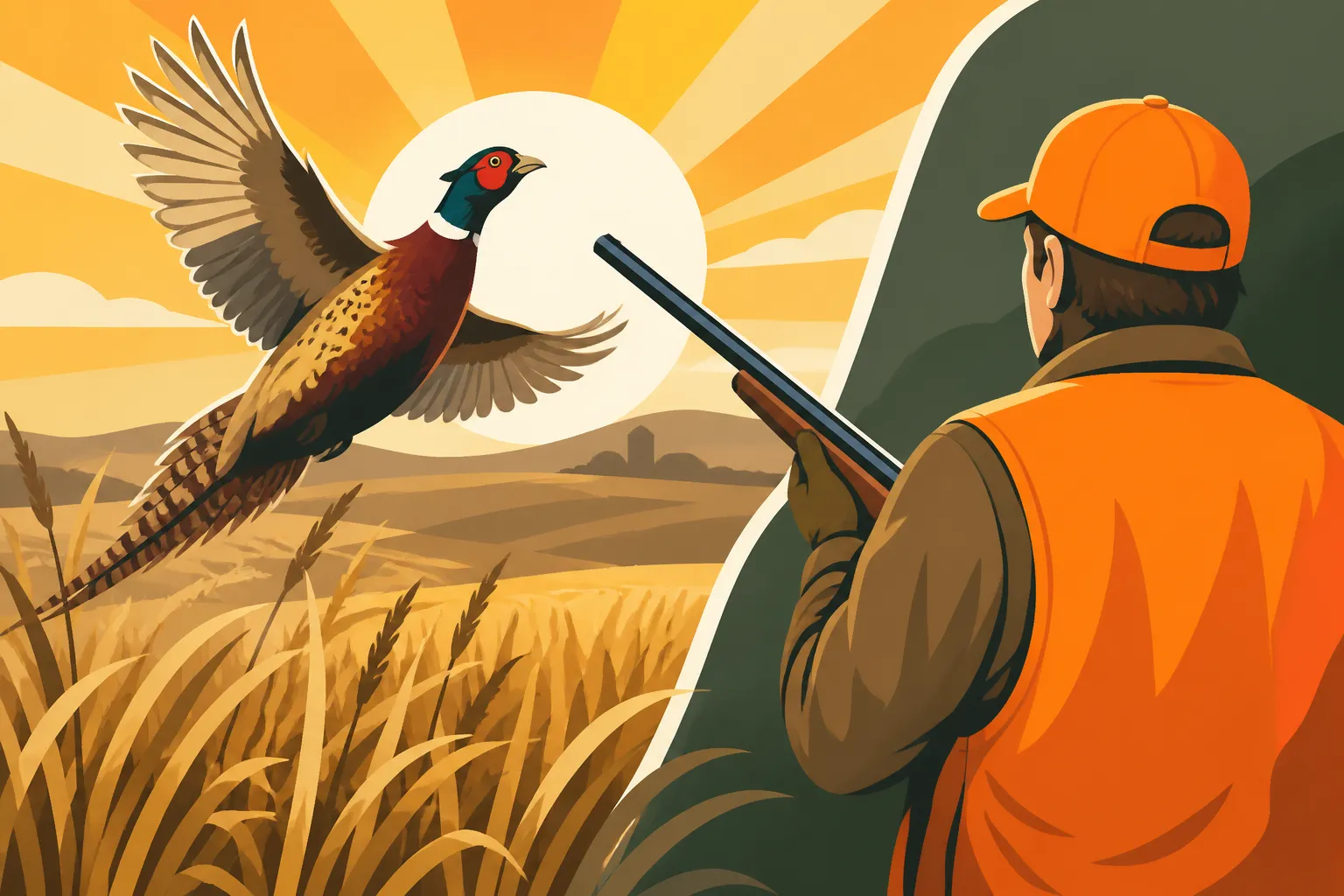
There’s just something about the pheasant opener in North Dakota that calls to hunters like a perfectly timed cackle from a big rooster. It’s more than just the start of a season; it’s an event, a tradition, and for many, the annual pilgrimage to the heart of pheasant country. This collective excitement drives the incredible demand, making those initial days the most coveted.
Tradition and Anticipation
For countless hunters, opening weekend isn't just a date on the calendar; it's a deeply ingrained tradition. Families have been coming to North Dakota for generations, marking this weekend as their annual reunion, a time for fellowship, storytelling, and chasing roosters across the prairie. The anticipation builds for months, fueled by chatter on hunting forums, hopeful weather forecasts, and the sheer joy of planning the next adventure. This isn't merely about bagging birds; it's about the entire experience—the crisp autumn air, the camaraderie, the anticipation of a flushing rooster, and the stories that will be told for years to come. That emotional connection alone ensures a massive rush for those first few days.
Optimal Conditions and Peak Bird Numbers
Another huge factor is the perception, often accurate, that opening weekend presents the best possible conditions. By late October, the crops are usually off the fields, giving pheasants fewer places to hide and making them more accessible to hunters. The weather is often milder than the deep cold of late season, making for a more comfortable hunt for both hunters and their dogs. More importantly, bird numbers are typically at their peak. The season hasn't seen weeks of hunting pressure, so the pheasants are generally less wary and more distributed across the landscape. The younger birds from the spring hatch are now fully grown, adding to the overall population. Many hunters feel that if they want the best chance at success, and to work relatively unpressured birds, the opener is the time to be out there. It’s that sweet spot where bird populations are robust, and the weather is usually agreeable.
The Social Aspect of the Opener
Let's be honest, hunting is often a social endeavor, and opening weekend amplifies this exponentially. It’s a chance to meet up with old friends, share camp stories, and introduce new hunters to the sport. The energy and excitement you feel, even when you're just driving down a gravel road and seeing other hunting rigs, is palpable. Many lodges and outfitters lean into this, creating a festive atmosphere that adds to the appeal. They might have special opening weekend dinners, dog handling demonstrations, or even celebrity guests, making the experience even more unique. This social pull is a powerful motivator, drawing groups who want to share the kickoff of the pheasant season together. It’s a collective celebration of the hunt, and everyone wants to be a part of it.
The "Perfect Storm" Driving Demand for North Dakota Pheasant Openers
It’s not just one or two things; it’s a confluence of environmental, practical, and psychological factors that combine to create what many outfitters call the "perfect storm" for opening weekend bookings. Understanding these dynamics can really help you appreciate why securing a spot takes such foresight.
Weather and Crop Harvest Timing
Mother Nature plays a huge role. North Dakota’s weather in late October is often a dream for upland hunters. You get those cool, crisp mornings that get the dogs fired up, followed by mild afternoons that are perfect for walking miles of prairie. Later in the season, you run the risk of heavy snow, bitter winds, or extreme cold snaps that can make hunting significantly more challenging, if not downright miserable.
Beyond just comfort, the timing of the crop harvest is critical. For successful pheasant hunting, you generally want most of the row crops—corn and sunflowers especially—out of the fields. When these crops are still standing, pheasants have dense, tall cover where they can easily hide from hunters and dogs. It’s incredibly frustrating to walk through an entire field only to have birds flush a quarter-mile ahead, out of range, because they've been running through unharvested corn. By opening weekend, farmers are typically well into, or have completed, their harvest, meaning birds are pushed into more accessible cover like CRP, cattail sloughs, and shelterbelts. This concentration of birds in walkable cover is a huge draw. If you're a serious pheasant hunter, you know the difference this makes.
Hunter Expectations and Dog Performance
There’s a widespread belief, often reinforced by experience, that opening weekend offers the best shooting opportunities. The birds haven't been pushed and chased for weeks, so they tend to hold tighter for dogs and are less likely to run long distances before flushing. This makes for more classic dog work and better shooting chances, which is exactly what hunters pay for when booking a guided trip. Who doesn't want to see their pointer locked up solid, or a flusher burst into a cloud of feathers just yards away?
Furthermore, our hunting dogs are usually in peak condition for the opener. They've had the summer off, maybe a few tune-up sessions, and are bursting with energy. Their pads are fresh, their noses are keen, and their enthusiasm is contagious. As the season wears on, dogs can get tired, their pads can get tender, and injuries become more likely. For many, the opener is the best chance to see their canine companions perform at their absolute best, creating those memorable moments that define a great hunt. This alignment of fresh dogs and less pressured birds sets the stage for high expectations and often delivers on them.
Outfitter Capacity and Logistics
Even with ample public land, many hunters opt for a guided experience for the local knowledge, lodging, meals, and trained dogs that an outfitter provides. North Dakota has a fantastic reputation for pheasant hunting, and good outfitters are worth their weight in gold. However, these operations have finite resources. They have a limited number of guides, a specific number of trained dogs, a certain amount of lodging, and only so many acres of prime hunting ground (whether owned, leased, or accessed through programs like PLOTS).
When you combine all the demand with these fixed capacities, it creates a bottleneck. If an outfitter can only accommodate three groups of four hunters each weekend, and thousands of hunters want to come during the same two or three days, those spots are going to fill up quickly. This isn't a problem that can be solved by simply adding more guides or more land overnight. It's a logistical challenge that means even the best outfitters will have their prime dates booked solid far in advance. Many people will start searching on platforms like BookYourHunt a year or more in advance to even see what's available. This table shows a basic comparison of factors that influence booking demand:
| Factor | Opening Weekend (Late Oct) | Mid-Season (Nov) | Late Season (Dec-Jan) |
|---|---|---|---|
| Bird Numbers | High (peak population, less pressured) | Moderate (some pressure, still good numbers) | Moderate to Lower (significant pressure, winter mortality) |
| Bird Behavior | Less wary, hold tighter, more scattered | Warier, more concentrated in heavy cover, run more | Very wary, hold tight in dense cover, run long distances |
| Crop Harvest | Mostly complete (birds pushed to cover) | Generally complete | Complete, fields often snow-covered |
| Weather | Mild, crisp mornings, comfortable temps | Colder, possibility of snow/wind | Often bitter cold, deep snow, harsh winds |
| Dog Performance | Peak energy, fresh pads, high stamina | Still good, but some fatigue/soreness possible | Requires tough, well-conditioned dogs; risk of injury |
| Hunter Pressure | Very High | Moderate to High | Moderate (can find less pressured spots) |
| Booking Difficulty | Extremely Difficult (books 12+ months out) | Moderately Difficult (books 6-12 months out) | Easier (books 3-6 months out, or last minute) |
Strategies for Securing Your North Dakota Pheasant Opener Spot
Given the fierce competition, simply deciding you want to hunt opening weekend in North Dakota isn't enough. You need a proactive strategy, often starting a year or more in advance. It takes dedication and careful planning to ensure you're not left out in the cold, figuratively speaking.
Plan and Book Far in Advance
This is, without a doubt, the most crucial piece of advice. Good outfitters, especially those with a strong reputation for successful hunts and excellent service, will often have their opening weekend dates booked solid more than a year out. Think of it like booking a popular resort during peak season—you can't just show up. Start your research in the winter for the next year's season. Reach out to outfitters whose programs appeal to you. Many will have waiting lists or will announce when their booking calendar opens. Don't be afraid to put down a deposit early to lock in your spot. If you delay, even by a few weeks, those coveted dates will vanish. Resources like North Dakota Hunting Licenses and What They Cost and North Dakota Pheasant and Upland Season Rules can help you understand the requirements well ahead of time.
When you're looking for an outfitter, don't just go for the first one you see. Do your due diligence. Ask for references, check online reviews, and clearly understand what’s included in the package. Platforms like BookYourHunt can be a great starting point for finding reputable outfitters and comparing their offerings. They often show availability, which can immediately tell you if an outfitter is already booked for the opener.
Be Flexible with Your Dates
If opening weekend is completely unfeasible, don't despair! North Dakota offers a long and productive pheasant season. Consider booking the second or third weekend. While still popular, the pressure typically starts to spread out a bit, and you might have an easier time securing a spot. The birds are still plentiful, and the hunting can be excellent. Often, later October or early November still offers fantastic weather and prime bird activity. The key is to shift your mindset from "the opener or nothing" to "a great hunt at any point in the early season."
You might even consider a mid-week hunt. Many outfitters have more availability during the week, and you’ll often find yourself with less competition in the fields. This can lead to a more relaxed and perhaps even more productive hunt, as the birds haven't been as heavily disturbed. If you can swing a few weekdays off work, this can be a fantastic way to experience North Dakota pheasant hunting without the opening weekend frenzy.
Consider Self-Guided or DIY Options
Booking with an outfitter isn't the only way to hunt North Dakota pheasants. Many hunters opt for self-guided trips, leveraging the state’s extensive public access programs. The PLOTS (Private Land Open To Sportsmen) program is a game-changer for DIY hunters, offering millions of acres of privately owned land accessible for public hunting. You can find detailed maps and information on the North Dakota Game and Fish Department website or their mobile app. Planning a trip around Scouting PLOTS Land Before Season is a smart move.
This approach requires more legwork on your part—finding lodging, bringing your own dogs, and doing your own scouting—but it can be incredibly rewarding. It also gives you more flexibility to choose your dates, even if it's not exactly opening weekend. You might have to work a little harder, but the sense of accomplishment from a self-planned hunt is immense. Furthermore, apps and online tools like GoHunt can provide invaluable insights into land ownership, public access, and even game density data, helping you plan your DIY adventure more effectively. Don't forget to review North Dakota Hunter Education Requirements well in advance.
What to Expect and How to Maximize Your Opening Weekend Hunt
So, you managed to secure a spot for opening weekend – congratulations! Now, it’s vital to temper expectations and understand the unique dynamics of hunting during this intense period. While the potential for success is high, it comes with its own set of challenges. Being prepared for these realities will ensure a more enjoyable experience.
Increased Hunter Pressure and Competition
This is the big one. Because so many hunters flock to North Dakota for the opener, you are simply going to encounter more people. Public lands, especially the easily accessible ones, will see significant traffic. You might drive past several other hunting rigs parked at the entrance to a PLOTS tract, or hear distant shotgun blasts more frequently than usual. This increased pressure means birds will be pushed and become warier faster. They might run further, flush wilder, or hide in the densest cover.
It's crucial to practice good hunting etiquette. Be respectful of other hunters, keep a safe distance, and don't crowd anyone's hunt. If a field looks like it's already being worked, consider moving on to another spot. There's plenty of ground in North Dakota, and a little patience and courtesy go a long way. This is where pre-scouting or having an outfitter with exclusive access really pays off, as they can direct you to less pressured areas. Tactics like Walking a Pheasant Field at Midday can sometimes help avoid the early morning rush.
Adapting to Wary Birds
Even on opening weekend, birds quickly learn to avoid danger. By midday on Saturday, and certainly by Sunday, many pheasants will have encountered hunters. They’ll be much quicker to run, often flushing out of range or sneaking out the back of cover. This is where your dog's training and your own hunting skills truly come into play. Instead of walking straight lines through fields, you might need to try different tactics.
Consider pushing heavy cover like cattail sloughs or thick shelterbelts more thoroughly. Focus on areas that offer dense thermal cover or escape routes. Try to anticipate where birds will run and position blockers strategically, if you’re hunting with a group. Sometimes, slowing down and working cover meticulously can outsmart birds that are trying to slip away unnoticed. Don't be afraid to try different approaches or spend more time working an area than you initially planned, especially when you are Working a Shelterbelt for Roosters.
The Unforgettable Experience
Despite the challenges of increased pressure, opening weekend in North Dakota remains an absolutely incredible experience. There's an unmatched energy in the air, a collective excitement that permeates the entire hunting community. The landscapes are stunning, the sounds of flushing pheasants and barking dogs are music to a hunter's ears, and the crisp autumn air is invigorating.
Whether you're celebrating a successful flush, laughing with friends over a missed shot, or simply enjoying the vastness of the prairie, these moments create memories that last a lifetime. It's a chance to connect with nature, test your skills, and revel in the joys of the chase. Even if you come home with fewer birds than you hoped, the experience of being part of the North Dakota pheasant opener is something truly special. For many, it's the highlight of their hunting year, and that's why they keep coming back, year after year, vying for those coveted opening weekend spots.
Disclaimer
This article is for general informational purposes only and does not constitute professional advice. Laws, prices and regulations vary by location and change over time. Consult a qualified professional for guidance on your specific situation.