What Changes for Nonresidents After September 14
For nonresident bowhunters looking to experience North Dakota's vast and wild landscapes, the early season can feel like a maze of restrictions and limited access. It's frustrating to know there are deer out there, but certain doors remain closed. This guide is dedicated to explaining precisely what shifts for nonresidents after September 14th, clarifying public land access rules, and offering strategic advice to make the most of your hunt in the Peace Garden State.
Navigating the Early-Season Nonresident Bowhunting Restrictions
Before we dive into the liberating changes that come with September 15th, it’s essential to understand the restrictions nonresidents face during the very beginning of North Dakota's archery season. Imagine you've driven hundreds of miles, scouted online maps, and have a beautiful North Dakota deer tag in your pocket. You're ready to hit the timber or the draws, but then you're hit with a rule that keeps you off much of the public land. This initial period, roughly from the season opener until September 14th, is often a source of confusion and disappointment for many nonresident archers.
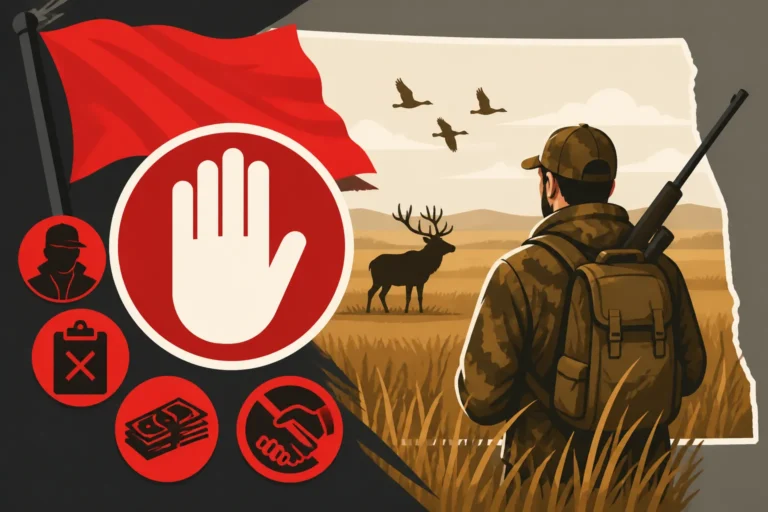
During these first few weeks, nonresident deer bowhunters are generally restricted from hunting deer on public lands. This means no venturing onto PLOTS (Private Land Open To Sportsmen) areas, no State School Lands, no Waterfowl Production Areas (WPAs), and no federal grasslands like the Little Missouri National Grassland, specifically for deer. This isn't just a minor inconvenience; it's a significant limitation that requires careful planning and often means securing private land permission or focusing solely on private land opportunities if you want to hunt during this window. It's a rule designed, in part, to give resident hunters a priority window on certain public resources, especially for a highly sought-after species like deer. Knowing How Many Days Nonresidents Wait for Public Land Bow Access helps paint a clearer picture of this specific challenge.
So, if you arrive in North Dakota with your bow and a dream before mid-September, your options for deer are largely confined to private land where you've secured explicit permission. This can be a tough pill to swallow for hunters accustomed to readily available public land access in other states. It means extra legwork, knocking on doors, or relying on pre-arranged agreements with landowners. For many, this initial restriction makes planning an early archery trip feel almost impossible unless you have those private land connections nailed down well in advance. However, this is precisely why September 15th becomes such a pivotal date on the calendar.
The September 15th Shift: Expanded Public Land Access
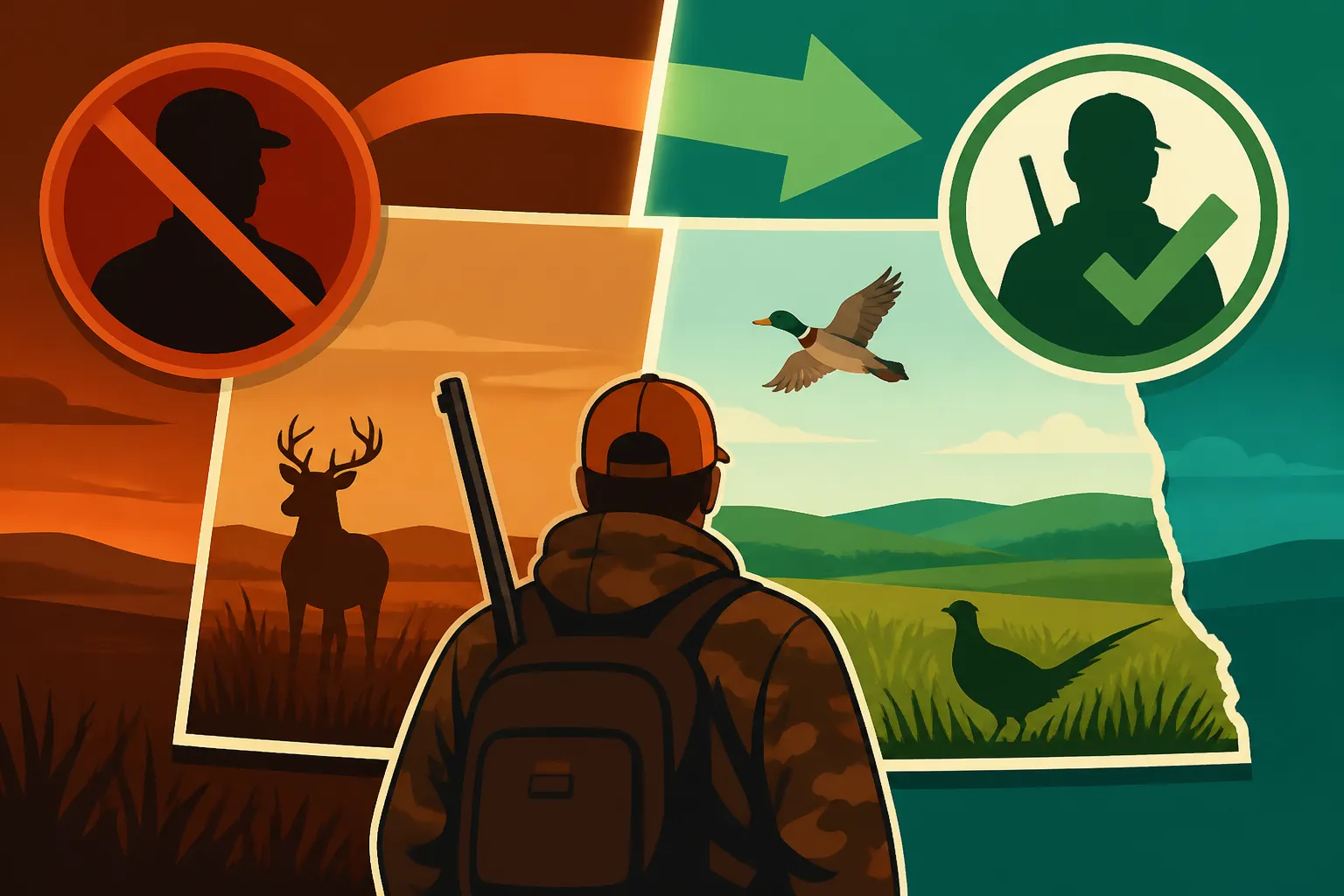
The calendar turning to September 15th marks a significant and welcome change for nonresident bowhunters in North Dakota. It's like a gate finally opening, vastly expanding your opportunities and making many more acres of prime deer habitat accessible. On and after September 15th, the special restrictions that limit nonresident bowhunting for deer on public lands are lifted. This is the moment many nonresident archers eagerly await because it transforms their hunting prospects.
From September 15th onward, nonresident bowhunters can legally pursue deer on a wide array of public lands, including the popular PLOTS tracts, State School Lands, Waterfowl Production Areas, and the vast expanses of National Grasslands. This means that once-off-limits areas for deer hunting suddenly become viable options, opening up hundreds of thousands of acres for exploration. This shift is crucial for anyone planning a self-guided nonresident archery hunt in North Dakota. It allows you to freely explore different habitats, from the timbered river bottoms along the Missouri to the rugged coulees of the Badlands, or the shelterbelts and slough edges of the prairie pothole region. Knowing North Dakota Archery Season Dates becomes even more important as you plan your trip around this pivotal date.
This expanded access doesn't just mean more ground; it means more diverse hunting experiences. You can now scout and set up on a promising PLOTS tract, knowing you won't be breaking any rules when hunting for deer. You can utilize federal lands that offer unique challenges and opportunities, whether you're chasing whitetails in the eastern parts of the state or focusing on Mule Deer in North Dakota's Badlands out west. For hunters using resources like GoHunt or BookYourHunt to research units or potential outfitters, understanding this date is paramount, as it directly impacts the huntable acreage available to you. Without this knowledge, you might prematurely rule out excellent public land spots or misunderstand the terms of a guided hunt.
Strategic Planning for Your Post-September 14th Hunt
With the full scope of North Dakota's public lands opening up to nonresident bowhunters for deer after September 14th, careful planning becomes even more critical. This isn't just about showing up; it's about smart strategy to maximize your success in a state known for its challenging yet rewarding hunting.
Utilizing Public Land Programs Effectively
The PLOTS program is a cornerstone of public access in North Dakota, and understanding how to use it after September 14th is key. These privately-owned lands enrolled in a public access program are often agricultural fields, shelterbelts, or wetlands, offering diverse habitat. Before you arrive, study the PLOTS Program Explained and use the interactive maps available through the North Dakota Game and Fish Department (NDGFD). You can even find tips on Scouting PLOTS Land Before Season which can be done digitally before you ever set foot on the ground. Look for areas with a mix of cover, food sources, and water, as these will concentrate deer. Consider areas that might be overlooked by other hunters to reduce Hunting Pressure on North Dakota Public Land.
Remember, while PLOTS land is publicly accessible, it's still private property. Respect landowners and follow all posted rules. Vehicle access might be restricted, so be prepared to walk. This date also opens up National Grasslands like the Little Missouri. These vast areas offer a true wilderness experience, particularly for mule deer. Learning to navigate and read the terrain is crucial. Reading Aerial Photos for Badlands Deer can help identify coulees, draws, and pinch points where deer travel and bed, giving you a significant advantage in these expansive landscapes.
Timing and Tactics for Mid-September to Late Fall
The period immediately following September 14th, particularly from mid-September through October, can be fantastic for archery hunting. Deer are generally in their early-season patterns, often predictable as they move between bedding areas and food sources. As October progresses, rubs and scrapes will start appearing, and the pre-rut activity will pick up, offering exciting opportunities to intercept bucks.
| Date Range | Nonresident Deer Bowhunting Public Land Access | Typical Deer Behavior | Recommended Tactics |
|---|---|---|---|
| Season Opener – Sep 14 | Restricted (Private Land Only) | Summer feeding patterns, highly focused on food | Stand/blind near private food sources/funnels |
| Sep 15 – Early Oct | Expanded Access | Transitioning from summer food, establishing patterns | Ambush points near known food-to-bedding corridors |
| Mid Oct – Early Nov | Expanded Access | Pre-rut activity, increased rubbing/scraping | Scrape lines, subtle calling, still-hunting |
| Mid Nov Onward | Expanded Access | Peak rut activity, bucks actively seeking does | Rattling, decoying, hunting high-traffic areas |
After September 14th, you’ll find that Hunting North Dakota's Long Archery Season truly begins for nonresidents. Focus on scouting for fresh sign – tracks, droppings, and early rubs. Glassing from a distance, especially in the Badlands, can reveal patterns before you move in. As the rut approaches in late October and early November, tactics like rattling and decoying can become incredibly effective. If you're considering a guided experience, it's important to clarify Booking a Nonresident Bow Hunt Around the Access Restriction to ensure your guide is operating within the legal framework for nonresidents.
Beyond Deer: Other Species and Considerations
While the September 14th date specifically addresses nonresident bowhunting for deer on public land, it's worth remembering that North Dakota offers a diverse range of hunting opportunities, and many other seasons are either open concurrently or open shortly thereafter. Understanding the full picture can help you plan a multi-species hunt or simply be aware of other hunters in the field.
Concurrent Seasons and Multi-Species Opportunities
Once mid-September arrives, several other hunting seasons are typically open in North Dakota, allowing for a fantastic combination hunt if you've obtained the appropriate licenses. Upland bird seasons, for instance, are usually well underway. You could be bowhunting for deer in the morning and then Walking North Dakota PLOTS Land for Pheasant or Sharptail Grouse Hunting Mixed Grass Prairie in the afternoon. Having your North Dakota Nonresident License Options sorted out beforehand is crucial for taking advantage of these opportunities.
Waterfowl hunting also kicks into high gear around this time, especially as local birds become more active and migrants begin to push south. If you're thinking about a duck or goose hunt alongside your deer efforts, be mindful of the state's specific waterfowl regulations, including potential zone-restricted licenses for nonresidents and resident-priority days. While the September 14th rule isn't directly related to waterfowl, understanding the busy fall hunting landscape is part of a complete plan. This can also affect where you choose to hunt, as some public areas like Waterfowl Production Areas are prime for both deer and birds.
Essential Gear and Ethical Hunting Practices
When planning your hunt after September 14th, ensure you have the right gear to handle North Dakota's variable fall weather. Mornings can be crisp, while afternoons can still be quite warm. Layering is key. Durable boots for walking extensive public lands, quality optics for spotting game, and a reliable bow setup are all non-negotiable. Always carry a compass or GPS, especially when exploring vast areas like the Badlands, where it's easy to get turned around. Resources like GoHunt often have detailed gear lists and recommendations that are specific to the conditions you might encounter.
Perhaps most importantly, always adhere to ethical hunting practices and respect the land and its wildlife. This includes proper field dressing and recovery techniques, particularly when hunting in more remote areas. Knowing how to Field Dressing a Deer in Cold Weather or Recovering a Deer From a Coulee can save you a lot of grief. Even though more public land is open, responsible hunting ensures these opportunities remain available for future generations. Check the specific regulations for the units you plan to hunt, as rules like North Dakota Badlands Unit Antler Point Minimum can influence your target selection. Utilizing companies like BookYourHunt for guided trips often includes an outfitter who will ensure you are compliant with all regulations.
Disclaimer
This article is for general informational purposes only and does not constitute professional advice. Laws, prices and regulations vary by location and change over time. Consult a qualified professional for guidance on your specific situation.