Why Badlands Hunts Cost More Than Prairie Hunts
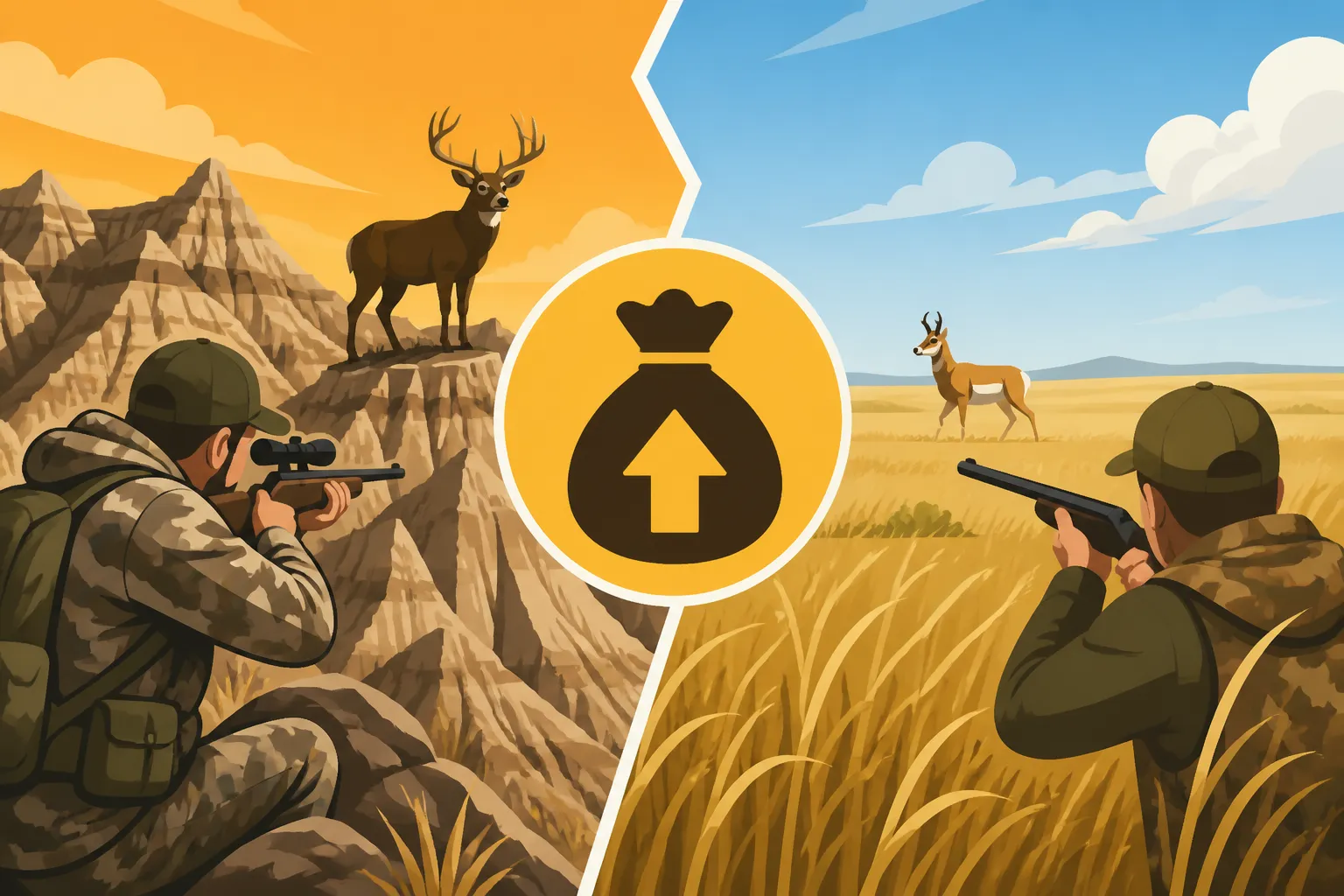
If you've ever started looking into guided hunting trips in North Dakota, you've probably noticed a pretty significant price tag difference between a Badlands hunt and a prairie hunt. It's a common point of confusion and sometimes frustration, especially for folks who are new to hunting our beautiful state. This guide is here to unravel why that disparity exists, diving into the unique factors that make a Badlands adventure a more significant investment compared to a typical prairie excursion.
The Rugged Reality: Terrain and Habitat Differences
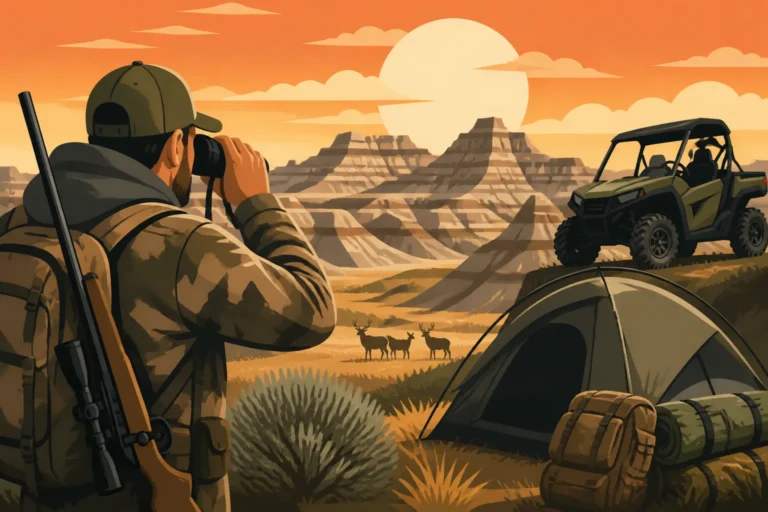
The very landscape of the Badlands sets it apart from the rolling prairies, and this geographical distinction directly translates into higher operational costs and, consequently, higher hunt prices. Think about it: the Badlands are defined by their steep, eroded buttes, deep coulees, and thick juniper draws. It’s breathtakingly beautiful, but it's also incredibly challenging terrain to navigate, both for hunters and for the animals that call it home.
Navigating the Badlands Labyrinth
On the open prairie, a UTV or a sturdy pickup can often get you close to where you want to go. You might be walking CRP fields or scouting miles of section lines, but generally, the ground is forgiving. In the Badlands, however, that’s just not the case. Getting deep into prime hunting areas often requires specialized equipment. We’re talking about high-clearance 4×4 vehicles, often with winches, to even get to the edge of good country. From there, it's often all on foot, or, more commonly for outfitters, on horseback. Horses require care, feed, trailers, and skilled wranglers – all significant investments that add to the cost of a guided hunt. Imagine trying to haul out a mature mule deer buck from the bottom of a deep Badlands draw without a good pack horse; it’s a monumental task. The sheer physical effort required to scout, hunt, and retrieve game in this environment means guides need to be exceptionally fit and experienced, and they demand a higher rate for their specialized skills and the wear and tear on their bodies and equipment. This challenging terrain is precisely why many hunters seek out professional assistance, which you can often research on platforms like BookYourHunt to find outfits specializing in such conditions.
Diverse and Elusive Species
The Badlands also boast a different mix of game species than the prairie, and some of these animals are inherently more difficult and thus more expensive to hunt. While the prairie is renowned for its abundant White-Tailed Deer Across North Dakota, pheasants, and waterfowl, the Badlands are home to iconic Mule Deer in North Dakota's Badlands, Elk in North Dakota's Little Missouri Badlands, and even the elusive Moose and Bighorn Sheep in North Dakota. These "trophy" species often live in lower densities, cover vast territories, and are incredibly wary. Hunting mule deer in those broken badlands requires a lot of glassing, patience, and often long stalks. Elk are even more demanding, often found in remote pockets of timber and requiring extensive scouting and tracking. The expertise needed to consistently find and put clients on these animals is far greater than, say, setting up a decoy spread for ducks in a prairie pothole.
Species-Specific Challenges and Demand
The type of animal you're pursuing fundamentally impacts the price of a hunt. The Badlands offer a unique roster of big game, many of which are considered once-in-a-lifetime opportunities, driving up demand and, consequently, the associated costs.
The Allure of Elk and Bighorn Sheep
North Dakota's elk and bighorn sheep are perhaps the quintessential examples of high-demand, high-cost hunts. These are North Dakota's Once-in-a-Lifetime Big Game Licenses, meaning if you draw one, it's a tag you'll only get to use once. The odds of drawing these tags are incredibly low, making them incredibly precious. When a hunter finally does draw a coveted elk or bighorn tag, they often spare no expense to maximize their chances of success. They've waited years, maybe decades, accumulating preference points, and they want the best possible experience. This creates an environment where outfitters can, and do, command premium prices for their specialized knowledge of North Dakota Elk Herd Population Estimate and How Many Bighorn Sheep Live in North Dakota and their movements within the rugged Badlands terrain. Compare this to a general deer license on the prairie, which is far more accessible and therefore typically carries a lower guided price point. You can imagine an eight-day Badlands elk hunt requiring specialized gear, horses, multiple guides, and extensive pre-season scouting – that's a whole different ballgame than a three-day pheasant hunt.
Mule Deer and the Scouting Investment
Even for species like mule deer, which are more common than elk or bighorns but still hold a special place for many hunters, the Badlands present unique challenges. North Dakota's Mule Deer Range is predominantly found in that western, broken country. While a prairie whitetail hunt might involve knowing agricultural patterns and timber edges, a Badlands mule deer hunt requires an intimate understanding of massive, complex landscapes. Guides spend countless hours year-round glassing, scouting, and tracking these animals. This isn't just a few drives down a gravel road; it's often extensive hiking, using powerful optics, and knowing the nuances of Wind and Thermals in Badlands Terrain. This intense pre-season investment in scouting time and resources by the outfitter is built into the hunt price. The sheer size of the Badlands, compared to more contained prairie habitats, means more ground to cover and more time invested by experienced guides, often found through resources like GoHunt.
Here's a quick comparison of factors influencing hunt costs:
| Factor | Prairie Hunts (e.g., Pheasant, Whitetail) | Badlands Hunts (e.g., Elk, Mule Deer) |
|---|---|---|
| Terrain | Relatively flat, open, accessible by vehicle, less physically demanding. | Rugged, steep, broken, often requires walking/horses, physically demanding. |
| Species | Abundant pheasant, waterfowl, whitetail deer. More predictable patterns. | Lower density mule deer, elk, bighorn sheep. More elusive and wary. |
| Tag Type | More readily available licenses (e.g., over-the-counter small game, deer lottery). | Highly coveted, often once-in-a-lifetime lottery tags for big game. |
| Scouting | Focus on crop fields, shelterbelts, water sources. Less year-round intensity. | Extensive, year-round glassing, hiking vast areas, understanding complex animal movements. |
| Logistics | Easier access, fewer specialized vehicles or animal transport needed. | Specialized 4×4, horses, extensive packing for remote camps. |
| Guide Skill | Knowledge of local hotspots, dog handling, bird movements. | Expert trackers, glassers, terrain navigators, knowledge of low-density species. |
Logistics, Equipment, and Guide Expertise
Beyond the terrain and the species themselves, the nuts and bolts of running a guided operation in the Badlands are simply more expensive and demanding than on the prairie. This logistical complexity directly inflates the final price tag for hunters.
Specialized Gear and High Operational Costs
Imagine outfitting for a multi-day backcountry elk hunt in the Badlands. You're not just bringing a shotgun and some decoys. You might need pack horses, specialized tents for remote camps, high-end optics, advanced GPS and communication devices for areas with no cell service, and durable vehicles capable of handling extreme off-road conditions. Guides might even employ drone technology for pre-scouting, though strictly adhering to all regulations. All this equipment is expensive to buy, maintain, and transport. Fuel costs for those long drives out to remote trailheads, feed for the horses, and maintenance on those heavy-duty trucks and ATVs add up quickly. A prairie pheasant outfitter might have a couple of kennels full of dogs, a few UTVs, and some reliable trucks, which is still an investment, but it pales in comparison to the capital required for a full-service Badlands operation. Many hunters will consult resources like GoHunt to understand what an outfitter provides in terms of gear and logistics, helping them compare value.
The Value of Experienced Badlands Guides
An experienced Badlands guide is not just someone who knows where the animals might be; they are true experts in their craft. They understand Hunting North Dakota's Badlands Mule Deer Country and how North Dakota Elk Bugling Activity Timing influences success. They possess an intimate knowledge of the land, gleaned from years of hiking, glassing, and living in that environment. They know the subtle nuances of thermals in a deep coulee, where a big mule deer buck will bed to escape the wind, or how to follow faint tracks through rocky terrain. This level of expertise is honed over many seasons, and it's invaluable. These guides are often responsible for not just finding game, but for ensuring client safety in a potentially dangerous environment, orchestrating complex animal retrievals, and managing all camp logistics. That depth of skill and responsibility commands a higher fee, much like a specialist surgeon commands more than a general practitioner. For a hunt like Packing for an Eight-Day North Dakota Elk Hunt, their knowledge is paramount.
Limited Access and Tag Availability
Finally, the scarcity of tags for many Badlands big game species plays a huge role in the cost structure of guided hunts. It's a classic supply and demand scenario.
Lottery Systems and Precious Tags
Unlike many small game opportunities on the prairie, which often have generous bag limits and over-the-counter licenses for residents and non-residents alike, many of the most sought-after Badlands species operate on a lottery system. This is especially true for elk, moose, and bighorn sheep. Even for mule deer, certain units might be harder to draw or have special restrictions. For non-residents, drawing a quality deer tag that allows access to prime Badlands units can be challenging enough. When someone draws a truly rare tag, like one for North Dakota elk, the value of that tag skyrockets. Suddenly, a hunter holds a golden ticket, and they want to do everything possible to punch it successfully. This means they are often willing to pay a premium for a guide who can significantly increase their odds. Outfit services cater to this demand, offering full-service packages that aim to make that once-in-a-lifetime opportunity truly memorable. North Dakota's Lottery-Based Deer Gun Season is a good example of how tag availability impacts hunting strategy statewide.
The Role of Private Land and Exclusivity
While there's a good amount of Public Hunting Land in North Dakota available, especially within the North Dakota's Little Missouri National Grassland, much of the prime big game habitat in the Badlands can be a patchwork of public and private land. Outfitters often have established relationships with private landowners, securing exclusive access to large tracts of land that hold significant numbers of mule deer or provide critical elk wintering areas. Gaining and maintaining this private land access is a substantial annual expense for outfitters, whether through lease agreements, gratuities, or other forms of compensation to landowners. This exclusive access to unpressured animals on private ground is a major selling point and a significant factor in the higher prices charged for Badlands hunts, particularly for those seeking a more secluded and potentially higher-success experience. While you can find fantastic opportunities on public land, a private land option often minimizes Hunting Pressure on North Dakota Public Land.
Disclaimer
This article is for general informational purposes only and does not constitute professional advice. Laws, prices and regulations vary by location and change over time. Consult a qualified professional for guidance on your specific situation.