Sharptail Grouse Hunting Mixed Grass Prairie
There’s a unique magic to chasing sharptail grouse across North Dakota’s vast mixed-grass prairie, but it’s a challenge unlike any other upland hunt. These birds are wily, the terrain can be deceptively tough, and finding them often feels like searching for a needle in a haystack. This guide is here to walk you through the nuances of successful sharptail hunting, from understanding their habitat to the gear you’ll need and the tactics that actually put birds in your vest.
Understanding Mixed Grass Prairie for Sharptails
Sharptail grouse are truly a bird of the prairie, thriving in environments that offer a blend of cover and food. If you've spent time on the flatlands, you know that "mixed-grass prairie" isn't just one thing – it's a dynamic ecosystem, and knowing how to read it is your first step to finding birds.
Identifying Prime Sharptail Habitat
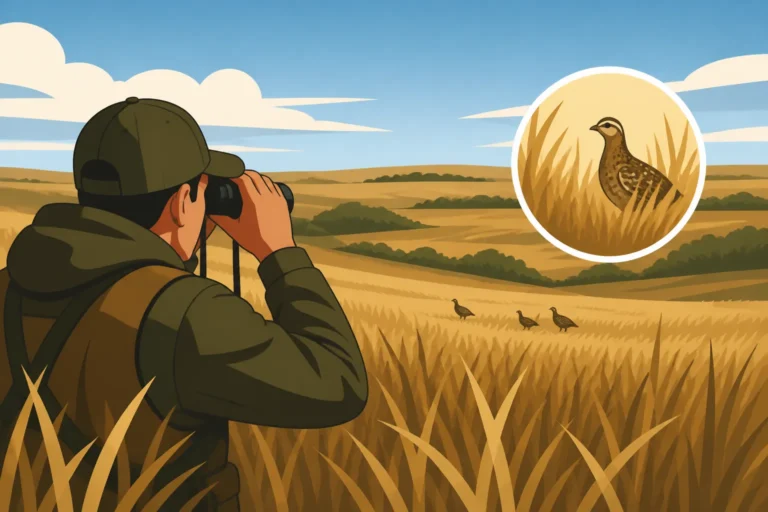
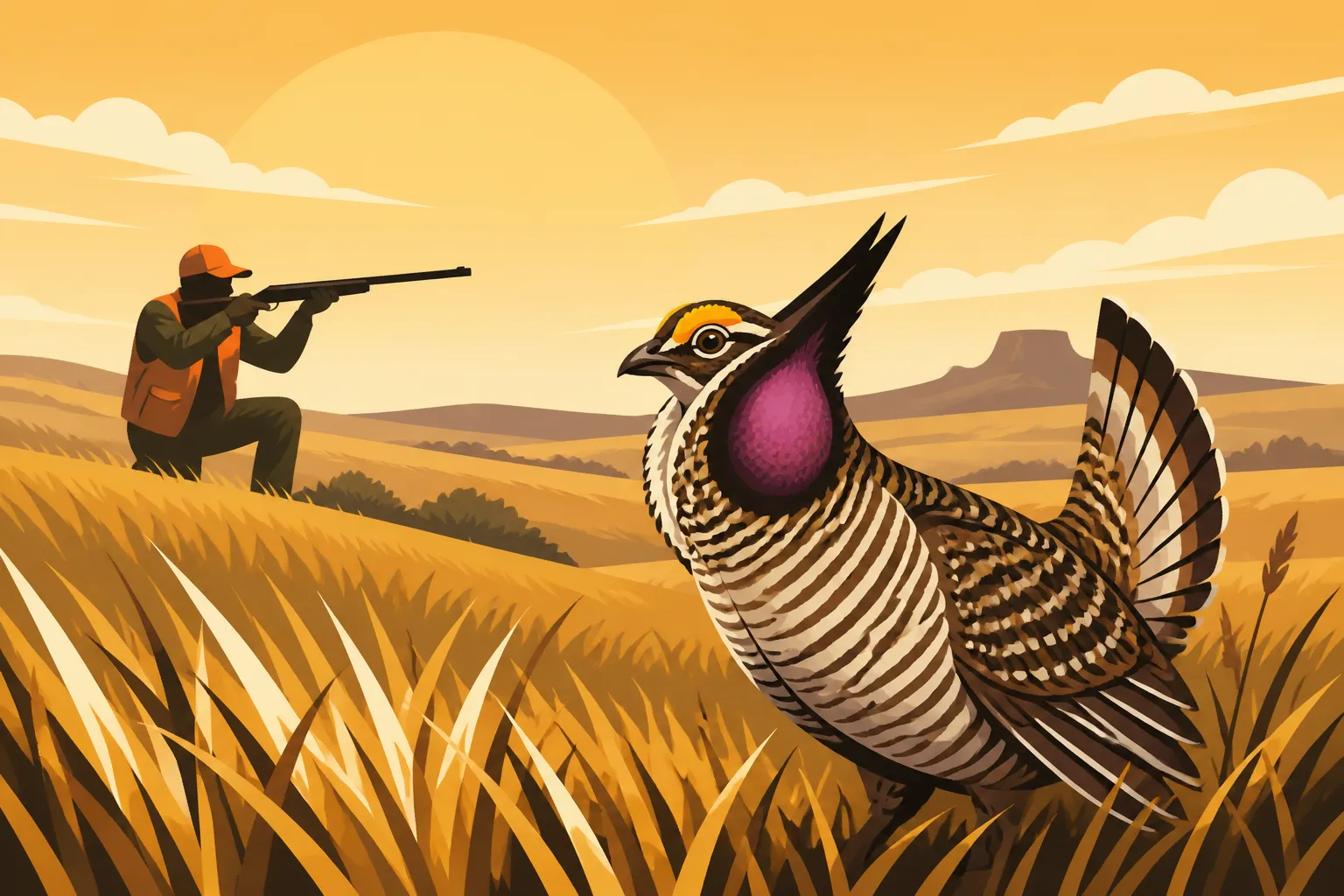
When you're out on the prairie, it can all start to look the same after a while, can't it? Miles of waving grass and rolling hills, and you might wonder where on earth a bird could hide, let alone an entire covey. But sharptails are particular. They aren't just in any grass; they prefer areas with a good mix of native grasses like bluestem, switchgrass, and Indian grass, interspersed with patches of forbs and shrubs. Think about slightly higher ground, south-facing slopes, or the edges of coulees and draws that offer some protection from the elements and predators. These spots often hold denser pockets of cover, crucial for nesting, loafing during the day, and escaping the watchful eyes of hawks and eagles. The ideal habitat will also have some shorter, sparser areas for dusting and strutting, which often gets overlooked. It's about finding that mosaic – the perfect blend of tall and short, thick and sparse.
Seasonal Movement and Food Sources
Sharptail behavior shifts dramatically throughout the season, largely dictated by food availability and weather. Early in the season, when the insects are plentiful and berries like serviceberry or buffaloberry are ripe, you'll often find birds dispersed, sometimes closer to brushy draws or even abandoned farmsteads with old fruit trees. As the season progresses into fall, their diet shifts to grains, weed seeds, and buds, especially those of aspen, willow, or birch if you're hunting near river bottoms or the Turtle Mountains. Knowing what they're eating is like having an insider tip. For instance, if there's been an early frost, those native berries might be gone, and the birds will have already moved on to seeds in standing stubble or even sunflower fields. This is where scouting with tools like GoHunt can really pay off, helping you identify different vegetation types and potential food sources on a map before you even set foot on the ground. Understanding these subtle changes in their diet is key to predicting where they’ll be hunkering down.
Reading the Landscape for Bird Sign
You don't just walk out into the prairie and stumble upon sharptails (well, sometimes you do, but that's pure luck!). Successful hunters learn to read the landscape. Look for obvious signs like tracks in dusty areas or around water sources, although these can be scarce. More often, you'll be looking for less direct clues: areas of disturbed grass where birds might have been feeding or dusting, or even the distinct droppings left on prominent rocks or fence posts where they might have perched. Pay close attention to subtle changes in elevation, or where the habitat transitions from one type of grass to another. Often, a covey will flush from an unexpected depression or a small rise that offered just enough concealment. It’s a bit like Reading North Dakota Mud for Fresh Deer Movement – you’re looking for those tell-tale indicators that give away recent activity, not just where they could be, but where they have been. The more time you spend observing, the more these subtle clues will jump out at you, giving you an edge over less observant hunters.
Gear and Essentials for Prairie Grouse Hunting
Hunting sharptails on the mixed-grass prairie isn't a casual stroll. You're covering serious ground, often miles, in conditions that can change from blazing sun to biting wind in a matter of hours. Having the right gear isn't just about comfort; it's about safety and effectiveness.
Footwear and Clothing for Long Walks
Let's be real, your feet are going to take a beating out here. A typical day of chasing sharptails can easily involve covering five, ten, or even fifteen miles. Forget those flimsy sneakers or casual hunting boots. You need sturdy, broken-in boots with good ankle support and waterproof membranes, like those from Irish Setter or Danner. Invest in quality merino wool socks – they'll wick away moisture, prevent blisters, and regulate temperature far better than cotton ever could. As for clothing, layers are your best friend. Start with a moisture-wicking base layer, add a mid-layer for insulation, and top it with a durable, briar-resistant outer layer. You’ll be walking in and out of thick cover, and you don’t want your clothes shredded after the first hour. Blaze orange is a non-negotiable for safety, so make sure your vest or jacket meets North Dakota's visibility requirements. Don't forget a wide-brimmed hat for sun protection and a good pair of polarized sunglasses to cut the glare off the vast prairie.
Shotgun and Ammunition Selection
For sharptails, you're generally looking at fast-flying birds, often flushing at a distance. A 12-gauge or 20-gauge shotgun is the popular choice, with many hunters preferring an over/under or semi-automatic for quick follow-up shots. Open chokes like improved cylinder or modified are ideal, as you'll often be shooting at birds flushing wildly. As for ammunition, 6-shot is a common choice, offering a good balance of pattern density and knockdown power. Some hunters might drop to 7.5 shot in early season for closer flushes, or step up to 5 shot later in the year if birds are flushing wilder. Carrying a decent supply of shells is wise, as you might run into more shooting opportunities than you anticipate, especially if you get into a large covey. Personally, I like to carry a mix – some lighter loads for close flushes and some heavier loads for those longer shots that inevitably come with prairie hunting.
Navigation and Communication on Open Land
Getting turned around on the prairie is easier than you think. Everything looks similar, especially when you're focused on your dog or a bird flush. A reliable GPS unit or a smartphone with a robust hunting app like GoHunt (which offers excellent satellite imagery and public land overlays) is absolutely essential. Don't rely solely on your phone; a portable charger is a must, and a traditional compass and map as a backup is always smart. Knowing where you are relative to section lines, roads, and PLOTS boundaries is critical, not just for safety but for staying legal. Remember, much of North Dakota's public hunting access, especially PLOTS land, is in smaller, often disconnected tracts. You need to know when you're crossing onto private land or if you're approaching an area where hunting might be restricted. Two-way radios are invaluable if you're hunting with a partner or a group, allowing you to communicate strategy and bird locations without yelling and spooking game.
Tactics for Successfully Hunting Sharptails
Sharptails are not like pheasants that often hold tight in dense cover. They're more inclined to run, fly long, and frustrate even experienced hunters. You need a different playbook for these birds.
Walking Patterns and Group Dynamics
When you’re staring at miles of mixed-grass prairie, just wandering aimlessly isn’t going to cut it. Sharptails often utilize subtle terrain features, so a smart walking pattern is crucial. I like to walk in a zig-zag or S-pattern, making sure to cover both sides of any draws, coulees, or slight rises. These birds love to sit on the sun-drenched side of a hill in the morning and evening, moving to the shaded side during the heat of the day. If you’re hunting with a group, spacing yourselves out, perhaps 30-50 yards apart, allows you to cover more ground and prevent birds from sneaking out the sides. Communication here is key. Having a designated "flanker" on the far ends can often pick up birds that try to run wide. Don’t rush; a steady, methodical pace is far more effective than trying to sprint through the prairie, which will only exhaust you and your dogs. Remember, these birds aren't always where you expect them, so constantly adjusting your pattern to the terrain is essential.
Leveraging Topography and Wind
The wind is a constant companion on the North Dakota prairie, and it can be your best friend or worst enemy. When hunting into the wind, your scent cone is carried behind you, making it harder for birds to detect your approach. More importantly, it helps your dog scent birds more effectively. Always try to work into the wind as much as possible, especially when entering prime habitat. Topography also plays a massive role. Sharptails will often flush uphill or downwind, using the elevation and wind to gain speed and distance quickly. If you’re pushing a draw, try to have hunters positioned strategically to cut off escape routes. If you’re walking a ridgeline, be prepared for birds to flush off the back side, out of sight. Pay attention to how the land lays and anticipate where birds will want to go when flushed. This requires a keen eye and often some prior scouting, perhaps using satellite imagery on GoHunt to study the contours of the land. Remember, these birds are masters of their environment, and you need to be thinking a step ahead of them.
Approaching Flushed Birds and Follow-Up Shots
One of the biggest frustrations with sharptails is their tendency to flush wild and fly a long, long way. Unlike some pheasants that might re-covey nearby, sharptails can often put a half-mile or more between you and their original location. When a covey flushes, try to mark the general direction and distance they flew. Often, they’ll settle down on the next rise, or in a similar piece of cover further out. Don’t give up on these birds! Follow them patiently. If they land on a distant ridge, make a wide loop to approach them from a different angle, ideally into the wind again. When you do get a flush, be ready for quick, decisive shots. These birds can reach impressive speeds very quickly. If you connect, focus on the second bird. Many hunters make the mistake of watching their first bird fall, missing opportunities for doubles. It takes discipline, but a quick follow-up shot on a second bird from the covey is a hallmark of an experienced sharptail hunter.
Working Dogs in the Prairie Environment
A good bird dog is an invaluable asset when hunting sharptail grouse on the expansive prairie. Their ability to cover ground, find scent, and retrieve downed birds makes all the difference, but it also comes with unique challenges in this environment.
Breeds Best Suited for Sharptail Hunting
Not all bird dogs are created equal, especially when it comes to the vastness of the prairie. For sharptails, you generally want a wide-ranging dog with a strong nose and plenty of endurance. Pointers like German Shorthaired Pointers, English Pointers, or Brittany Spaniels are often favored for their ability to cover large expanses of ground and lock up on scent at a distance. Their natural inclination to range far and wide is a huge advantage when birds are spread out or running. Retrievers like Labrador Retrievers can certainly be effective, especially if trained to work a wider pattern, but they might not have the same natural range as a pointer. Ultimately, the best dog is one that is well-conditioned, listens to commands at a distance, and has an insatiable desire to find birds. Training is far more important than breed alone, but certain breeds certainly give you a head start for this type of hunting.
Training for Wide-Ranging Birds
Training a dog for sharptails is different from training for pheasants in a small woodlot. These birds will lead your dog on a merry chase, often running ahead of the flush. Your dog needs to be conditioned to range far but also to check back frequently. Electronic collars are nearly mandatory here, allowing you to communicate with your dog at a distance and ensure they stay within an effective hunting radius. Teach your dog to honor other dogs' points, a skill that's crucial if you're hunting with multiple dogs in a group. Most importantly, instill a rock-solid retrieve. Sharptails often fall in thick grass or distant locations, and a dog that can reliably find and bring back a downed bird saves you immense frustration and prevents lost game. Think about what's involved in Running a Pointer Through CRP Grass – it's about conditioning, long-distance communication, and the dog's ability to maintain focus over vast, seemingly empty terrain.
Managing Dog Fatigue and Hydration
The prairie can be brutal on hunting dogs. Heat, long distances, and sharp grasses can quickly lead to fatigue and injury. Hydration is absolutely critical. Always carry plenty of water for your dog, much more than you think you’ll need, and offer it frequently. Consider dog booties to protect their paws from thorns, burrs, and abrasive ground, especially later in the season when vegetation is tougher. Watch for signs of overheating: excessive panting, lethargy, or stumbling. If you notice these, give your dog a break in the shade. It’s better to cut a hunt short than to push your dog to exhaustion or serious injury. A well-conditioned dog can handle the miles, but even the toughest dogs need careful management. Many experienced hunters will rotate dogs throughout the day, giving one a rest in the truck while the other works. Remember, your dog is your partner, and their well-being is paramount.
Weather, Seasons, and Regulatory Considerations
Hunting sharptails in North Dakota means being prepared for whatever Mother Nature throws at you, and also understanding the specific rules that govern the season. Ignoring either can lead to a miserable or even illegal hunt.
Early Season Versus Late Season Challenges
The sharptail season typically kicks off in early September in North Dakota, and those early hunts present a different set of challenges compared to late fall. In early season, the weather can still be quite warm, meaning you'll need to prioritize hydration for both yourself and your dogs. The grass is often taller and thicker, making birds harder to see on the ground and retrieves more difficult. However, birds tend to hold tighter in early season, offering closer flushes. As the season progresses into October and November, the weather turns colder, the grass lays down, and birds often begin to covey up into larger groups. They also become much warier, flushing at greater distances and flying even further. This is when patience and a wide-ranging dog truly shine. You might also encounter snow, which can make tracking easier but also make birds even more reluctant to hold. Each period has its pros and cons, and understanding them helps you adapt your tactics.
Impact of Weather on Bird Behavior
Weather profoundly impacts sharptail behavior. On hot, sunny days, birds will often seek shade in the bottoms of coulees or under brush. Mornings and evenings will be your best bet for activity. Overcast, cooler days can be excellent, as birds might be more active throughout the day. Wind is another major factor. High winds can make birds extremely jumpy and hard to pin down. They might also seek refuge in more sheltered areas. On calm days, scenting conditions are better for dogs, but birds might hold tighter or run more. Snow can be a double-edged sword: fresh snow can make tracks visible and force birds to concentrate around available food sources, but deep snow can make walking incredibly difficult and limit access. Always check the forecast and be prepared for rapid changes. A sunny 60-degree morning can quickly turn into a windy, 30-degree afternoon with sleet.
North Dakota Sharptail Grouse Season Dates and Limits
Before you even step foot on the prairie, you need to be intimately familiar with North Dakota’s hunting regulations for sharptail grouse. The North Dakota Game and Fish Department sets specific dates for the season, which typically runs from early September through early January. Daily bag limits and possession limits are also strictly enforced. For example, North Dakota Sharptail Grouse Season Dates often open around September 1 and run until early January, with a daily bag limit of three birds and a possession limit of six. These numbers are subject to change annually based on population surveys, so always check the most current regulations. You'll also need the proper licenses, which typically include a general game and habitat license and a small game license. Non-residents, in particular, need to be aware of rules regarding North Dakota Nonresident Small Game License Cost and any specific access restrictions, though for upland birds, these are generally less stringent than for waterfowl. Always carry your license and identification, and know your unit boundaries if they apply. Ignorance of the law is never an excuse.
Post-Hunt Care and Enjoyment
The hunt doesn’t end when the shot breaks the silence. Proper care of your harvested sharptails ensures that you can fully appreciate the fruits of your labor, both at the dinner table and in reflecting on the experience.
Field Dressing and Transporting Birds
Once you've retrieved a sharptail, getting it field dressed quickly is crucial, especially on warmer days. This means removing the entrails to allow the carcass to cool down as fast as possible, which prevents spoilage and improves the meat quality. Some hunters prefer to breast out their birds in the field, leaving the rest of the carcass behind. This significantly reduces weight and bulk, making transport easier. If you plan to keep the birds whole for presentation or specific recipes, simply gutting them and placing them in a game bag or cooler (away from direct sunlight) will suffice. Avoid piling birds in a warm vehicle. Bringing a small cooler with ice packs, even on cooler days, is always a good idea. Proper field dressing is a sign of respect for the game and ensures you get the best possible table fare from your hard-earned bird.
Recipes for Delicious Sharptail
Sharptail grouse are truly a culinary delight, with tender, mild-flavored meat that is incredibly versatile. Don't be intimidated by cooking wild game; these birds are delicious! A simple approach is often the best. Many hunters love them pan-fried with a light breading, or wrapped in bacon and grilled. For something a little more gourmet, consider a quick sear in a hot pan with butter and herbs, then finished in the oven. They also make excellent pot pies or stews, especially the legs and thighs which can be tougher if not slow-cooked. Because they are lean, avoid overcooking them; aim for medium-rare to medium for the breasts to keep them from drying out. You'll find countless recipes online specifically for grouse that can elevate your post-hunt meal into a truly memorable experience. Sharing a meal of freshly harvested sharptail with friends and family is often the best part of the entire hunting experience.
Conservation Ethic and Future Hunts
Being a hunter means being a conservationist. Every time we head out onto the prairie, we’re not just seeking a bird; we’re participating in a tradition that relies on healthy populations and habitats. Respecting the land, adhering to bag limits, and ethical shooting practices are paramount. Consider supporting organizations that work to preserve and enhance mixed-grass prairie habitat, like Pheasants Forever or the North Dakota Game and Fish Department. Proper land stewardship, whether it’s on public ground like PLOTS lands or private ranches, ensures that future generations will have the same opportunities to experience the thrill of Sharptail Grouse Hunting Mixed Grass Prairie. This includes being mindful of your impact, picking up spent shell casings, and leaving no trace. It’s about more than just the birds you harvest; it’s about the health of the entire ecosystem and the legacy we leave behind.
| Aspect | Early Season (Sept – Mid-Oct) | Late Season (Mid-Oct – Jan) |
|---|---|---|
| Weather | Warm to mild, potential for hot days. | Cold to freezing, potential for snow, high winds. |
| Vegetation | Tall, thick, green to curing grass. | Laid down, sparser, snow-covered. |
| Bird Behavior | Dispersed, hold tighter, closer flushes. | Covey up, wary, flush wild and fly long. |
| Dog Work | Harder scenting in thick cover, hydration crucial. | Easier scenting in sparser cover, endurance and paw protection vital. |
| Tactics | Slower, methodical pushes, focus on water/food sources. | Aggressive pursuit of coveys, anticipate long flushes, use topography for advantage. |
| Food Sources | Insects, berries, early weed seeds. | Grains, weed seeds, buds, sheltered areas. |
| Hunter Challenge | Heat, dense cover, scattered birds. | Cold, long walks, wary birds, marking distant flushes. |
Disclaimer
Hunting is an inherently risky activity. Always prioritize safety, adhere to all local, state, and federal regulations, and obtain proper licensing. The information provided in this guide is for informational purposes only and should not be considered legal advice. Always consult the North Dakota Game and Fish Department's current regulations before heading afield.