Running a Pointer Through CRP Grass
Finding pheasants in North Dakota's dense Conservation Reserve Program (CRP) grass can feel like searching for a needle in a haystack, especially when you're trying to orchestrate a perfect hunt with a pointing dog. The sheer volume and thickness of this cover present unique challenges, from keeping track of your dog to ensuring birds hold long enough for a shot. This guide will walk you through the nuances of successfully running a pointer through CRP, giving you the strategies, insights, and practical advice you need to turn those thick fields into productive hunting grounds.
Understanding CRP: A Pheasant Haven and Hunter's Challenge
Conservation Reserve Program (CRP) land is a cornerstone of upland bird hunting in North Dakota, offering critical nesting, brooding, and winter cover for pheasants, sharptails, and other wildlife. For hunters, it represents both incredible opportunity and significant frustration due to its dense, often towering vegetation. Getting a handle on what CRP truly means for pheasants and how it influences your hunting strategy with a pointer is the first step to success.
Why CRP Holds So Many Birds
CRP fields are typically comprised of native grasses, legumes, and forbs that grow incredibly thick and tall, often reaching chest height or more. This robust vegetation provides multiple layers of protection and resources for pheasants. In the spring and summer, it's prime nesting habitat, shielding vulnerable eggs and chicks from predators and harsh weather. As fall progresses and hunting season opens, these fields become crucial thermal cover, insulating birds from chilling winds and snow. They also offer ample food sources in the form of seeds and insects. When birds are pressured, or when weather turns nasty, CRP is often their preferred sanctuary. This means that if you're out Pheasant Hunting North Dakota's Prairie, CRP will almost certainly be a key habitat you'll encounter. It’s not just a place for them to hide; it's an entire ecosystem designed to support their lifecycle, which is why when you find birds in CRP, you often find lots of them.
The Obstacles CRP Presents to Hunters and Dogs
While a haven for pheasants, CRP can be a nightmare for hunters and their pointing dogs. The dense cover makes it incredibly difficult to see your dog work, let alone spot a bird flushing. This visual obstruction is compounded by the fact that the tall grass can significantly muffle sound, making it hard to hear your dog's bell or a bird's cackle. For dogs, navigating this thick vegetation is physically demanding; they expend far more energy pushing through it than they would in sparser cover. Moreover, the lack of open ground means less air movement, which can hinder scenting conditions, especially on calm days. Birds also have a distinct advantage, often running through the tangles ahead of the dog, flushing wild, or simply disappearing into the vastness without ever being seen. You might find yourself wondering if your pointer is even in the same zip code as the birds sometimes, feeling like you're just stomping around hoping for a miracle.
Training Your Pointer for Optimal CRP Performance
Successfully hunting CRP with a pointer isn't just about showing up; it's about having a dog that's specifically trained and conditioned for the unique demands of this environment. Your dog needs to understand specific commands and exhibit behaviors that maximize its effectiveness while minimizing wasted effort and lost birds. This isn't your grandfather's open field hunting; this is specialized work.
Essential Commands and Handling Techniques
In CRP, your pointer's range needs to be managed much more tightly than in open fields. A wide-ranging dog will quickly get out of sight and potentially out of control, leading to lost points and unretrieved birds. Commands like "whoa," "heel," "come," and a reliable "stay" are absolutely critical. You want a dog that will check in frequently, quarter effectively within reasonable shotgun range, and respond instantly to directional cues or a whistle. Working your dog on a check cord in lighter cover before graduating to CRP can help reinforce these behaviors. Teach your dog to hunt for you, not just for birds. This means training them to hold steady through the flush and shot, and to retrieve to hand. Using a good GPS collar, like those offered by Garmin, is practically non-negotiable for safety and tracking, allowing you to monitor your dog's movement even when you can't see them. GoHunt offers valuable resources for understanding dog training fundamentals that can be adapted for dense cover.
Conditioning and Safety for Your Canine Partner
The physical demands of pushing through miles of dense CRP are significant. Your pointer needs to be in top physical condition. Begin a conditioning program well before hunting season, gradually increasing their endurance and strength. Overweight or underexercised dogs will quickly tire and become ineffective, or worse, risk injury or heat exhaustion. Hydration is key; carry plenty of water for both yourself and your dog, offering breaks frequently, especially on warmer days. Investing in a good quality protective vest for your dog can also be a game-changer, shielding them from sharp stubble, burrs, and potential encounters with barbed wire or other hazards hidden in the tall grass. Furthermore, be acutely aware of potential encounters with rattlesnakes, especially in western North Dakota, and consider snake aversion training for your dog. For those hunting in specific units or on public lands like North Dakota Wildlife Management Areas, checking for any local regulations regarding dog handling or restricted areas is always a good idea.
Strategic Approaches to Hunting CRP with a Pointer
Now that you and your dog are ready, let's talk strategy. Hunting CRP effectively with a pointer is a blend of reading the cover, understanding bird behavior, and working collaboratively with your dog. It's less about covering ground quickly and more about methodically dissecting the habitat.
Working the Wind and Reading Scent Conditions
The wind is your best friend when hunting CRP. Always try to hunt into the wind, or at least crosswind. This allows your dog to pick up scent more effectively and gives you the best chance for birds to hold their ground on point. When the wind is swirling or too light, scenting conditions become incredibly difficult, and birds are much more likely to run or flush wild. Pay attention to how your dog is working; if they're constantly breaking point or acting birdy without a solid lock-up, it might be due to challenging scent conditions or running birds. On such days, you might need to slow down even further, allowing your dog more time to work out the scent trail. Think about the field's contours; even subtle changes in elevation can create microclimates and affect wind currents. When using mapping tools like GoHunt, pay attention to terrain features that might influence wind direction and scent dispersal.
Effective Field-Walking and Dog-Handler Teamwork
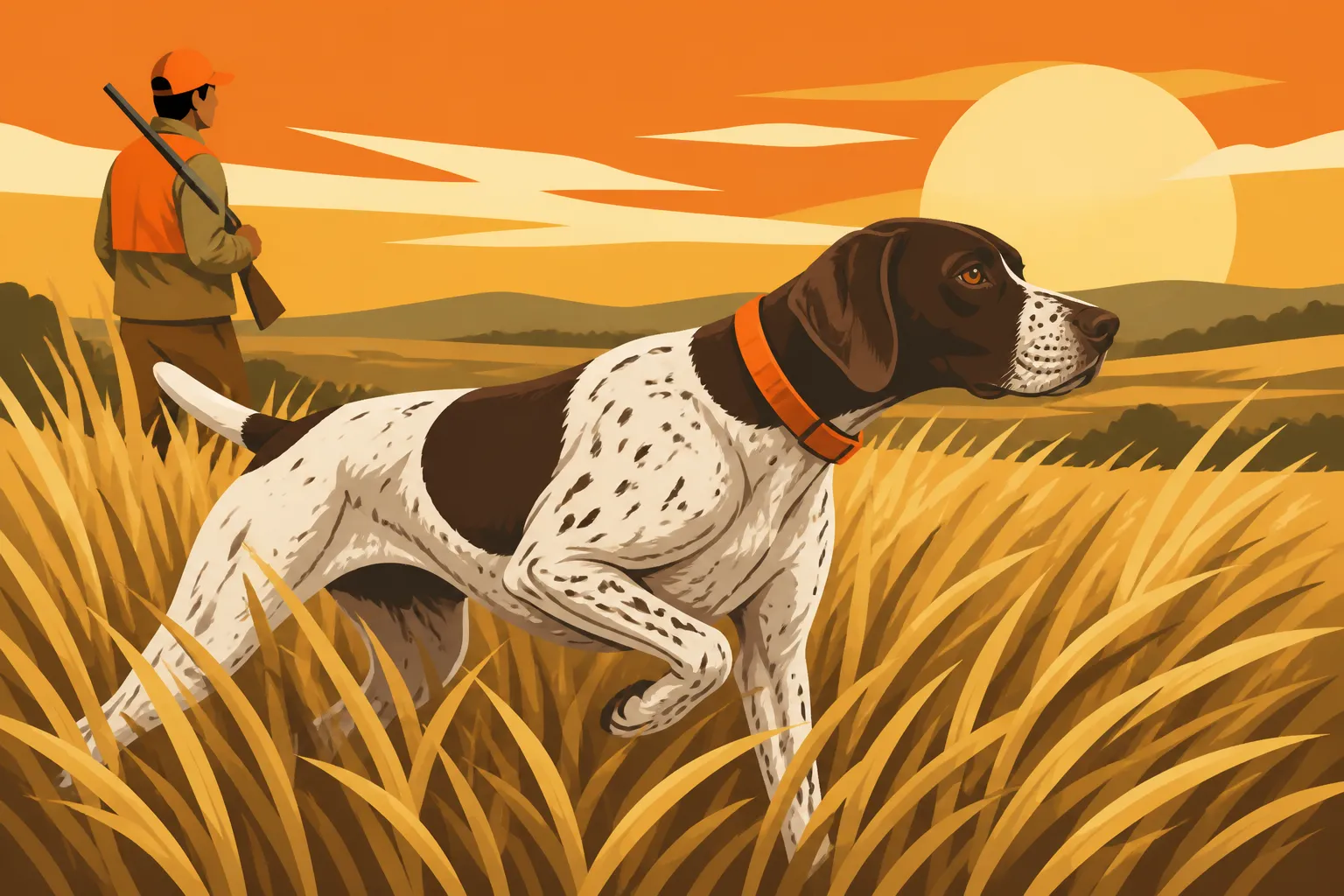
The key to CRP success is a slow, methodical pace. Forget about blazing across the field. Instead, imagine you're combing through the cover, leaving no stone unturned. Walk in a zigzag pattern or parallel lines, ensuring full coverage. If you're hunting with a partner, spread out in a line, maintaining visual contact if possible, or at least staying within earshot. This helps cover more ground efficiently and prevents birds from slipping out the sides. Your pointer should be working slightly ahead, quartering back and forth, always staying within shooting range. When your dog goes on point, approach cautiously and be ready. Birds can be anywhere from directly under the dog's nose to 20 yards ahead, having run through the grass. Often, the bird will flush away from the dog, giving you a chance if you're positioned correctly. Sometimes, you'll need to physically push through the thick stuff right up to your dog to bump the bird. Remember, the goal is to get the bird to flush within range, not just to find it. This teamwork is critical, especially when targeting areas known for high bird density, like those discussed in Where North Dakota Pheasants Are Densest.
Utilizing Field Edges and Transitions
Pheasants rarely spend all their time in the middle of a vast CRP field. They often relate to edges and transition zones. This includes the interface between CRP and crop fields (corn, beans, wheat stubble), shelterbelts, draws, or even ditches. These edges offer easy access to food, grit, and alternative escape routes. When you're Walking a Pheasant Field at Midday, pay close attention to where the CRP meets other cover types. Often, birds will stage near these transitions before moving into open fields to feed or retreating into heavy cover for security. For example, a CRP field bordered by a standing cornfield is a prime location. Your dog should be encouraged to work these edges thoroughly, as birds frequently hold tighter in these slightly different cover types. Similarly, focusing on the windward side of a field, especially if it's adjacent to a known roosting or feeding area, can significantly increase your chances. The strategies for Working a Shelterbelt for Roosters can often be adapted to these CRP edge scenarios. Many public access points under programs like The PLOTS Program Explained feature these varied habitat types.
Essential Gear and Safety for CRP Hunts
Hunting CRP is a rugged endeavor, and being properly equipped is paramount for both your success and safety, as well as that of your dog. It's not just about what gun you carry; it's about preparation for the elements and the terrain.
Hunter's Gear: Comfort and Functionality
Forget about your fair-weather hunting attire; CRP demands durable, brush-busting gear. Heavy-duty briar pants or chaps are a must to protect your legs from thorns, burrs, and sharp stubble. A good quality, comfortable upland vest with plenty of shell loops and a large game bag is essential for carrying birds, extra shells, water, and dog treats. Footwear should be waterproof, supportive, and comfortable, as you'll be doing a lot of walking through uneven, often damp, terrain. Don't forget eye protection, as branches and grass stalks can easily whip back into your face. For safety, adhere to North Dakota Hunter Education Requirements which often emphasize blaze orange. A sturdy blaze orange hat and vest are non-negotiable for visibility, especially if you're hunting with a group. And consider a portable GPS device or using an app like GoHunt on your phone to keep track of your location and mark where birds were flushed – it's easy to get disoriented in tall grass.
Dog Gear and Field First Aid
Beyond the GPS collar, your dog will benefit from specific gear. As mentioned, a protective vest can save them from countless cuts and scrapes. A reliable lead and collar for when you're not hunting are obvious, but also useful for breaks or moving between fields. Don't forget dog boots if your dog's paws are sensitive or if the terrain is particularly harsh; sharp stubble can be brutal. For field first aid, a basic kit is critical. This should include antiseptic wipes, gauze, vet wrap, scissors, tweezers (for removing burrs or ticks), and any necessary medications your dog might need. Consider a small bottle of super glue for minor cuts, and a styptic pencil for nail quicks. A small collapsible water bowl and ample water are non-negotiable. It's smart to also carry a small amount of high-energy dog food or treats to reward your dog and keep their energy up during a long day. Being prepared for minor injuries can prevent a small issue from becoming a hunt-ending emergency. Remember, CRP hunting can be very physically taxing on dogs, so regular checks for exhaustion, cuts, and burrs are part of being a responsible dog owner. If you're Scouting PLOTS Land With the ND Hunt App before your hunt, you can get a better idea of the specific cover challenges and prepare accordingly.
CRP Hunting Strategy Table
Here's a quick reference table summarizing key strategies for hunting CRP with your pointer:
| Strategy Aspect | Best Practice for CRP | Why It Works | Common Pitfalls to Avoid |
|---|---|---|---|
| Pace | Slow and methodical, comb through cover. | Allows dog to process scent, gives birds time to hold. | Rushing leads to missed birds, worn-out dogs. |
| Wind Direction | Hunt into the wind, or crosswind. | Maximizes dog's scenting ability, keeps scent cone ahead of bird. | Downwind hunting results in wild flushes, poor points. |
| Dog Range | Tight, within shotgun range (20-40 yards). | Ensures you're close enough for a shot when bird flushes. | Wide-ranging dogs get lost, flush birds out of range. |
| Visibility | Utilize GPS collar with tracking, bell on dog. | Crucial for monitoring dog when visual contact is lost. | Losing track of your dog, not knowing when they're on point. |
| Field Coverage | Zigzag or parallel lines with partners. | Ensures systematic coverage, less likely to miss pockets of birds. | Random wandering leaves unhunted areas, causes confusion. |
| Focus Areas | Edges, draws, transition zones (CRP to crops). | Birds often stage or retreat to these areas for food/cover access. | Only hunting the middle of huge fields. |
| Dog Conditioning | Prioritize physical fitness, hydration, protection. | Prevents exhaustion, injury, keeps dog effective all day. | Overworking an unprepared dog, leading to heat stroke or injury. |
| Hunter Gear | Briar pants, waterproof boots, blaze orange, GPS. | Protection from elements/vegetation, visibility, navigation. | Lack of protection, getting lost, not being visible. |
Final Thoughts on Running Your Pointer in CRP Grass
Hunting North Dakota's CRP with a well-trained pointer is one of the most rewarding upland experiences you can have. It challenges both hunter and dog, pushing your skills and teamwork to their limits. While the thick cover and wary pheasants might test your patience, the feeling of a solid point and a rooster flushing from the dense grass, knowing your dog put in the hard work, is truly unforgettable. By understanding the habitat, preparing your dog, employing smart strategies, and gearing up correctly, you’ll unlock the full potential of these pheasant-rich fields. These robust grasslands are truly what make North Dakota's Expanding CWD Hunting Units and other regions such prime pheasant country, so learning to hunt them effectively is a skill that will serve you for many seasons to come.
Disclaimer
Hunting is an inherently dangerous activity. Always prioritize safety, follow all local and state regulations, and obtain proper licensing. The information provided in this guide is for informational purposes only and should not replace professional training or expert advice. Be aware of your surroundings, understand your equipment, and respect wildlife and the environment.