North Dakota Preference Point System Explained
It can feel like navigating a maze when you’re trying to understand the ins and outs of hunting license applications, especially when terms like "preference points" get thrown around. For many of us, the dream of drawing a coveted tag in North Dakota, whether it's for a big whitetail buck or a Badlands mule deer, can quickly turn into a headache of strategy and jargon. This guide is here to clear up the confusion, explaining exactly how North Dakota's preference point system works so you can make informed decisions for your next hunt.
Understanding the North Dakota Preference Point System
The North Dakota Game and Fish Department (NDGFD) uses a preference point system for certain lottery drawings, and it’s critical to understand that this isn’t the same as a bonus point system that some other states employ. It’s a subtle but significant difference that can greatly impact your drawing odds and long-term hunting strategy. When you're trying to figure out how to best approach the application process for the season, knowing the mechanics behind these points is your first step.
What Exactly is a Preference Point?
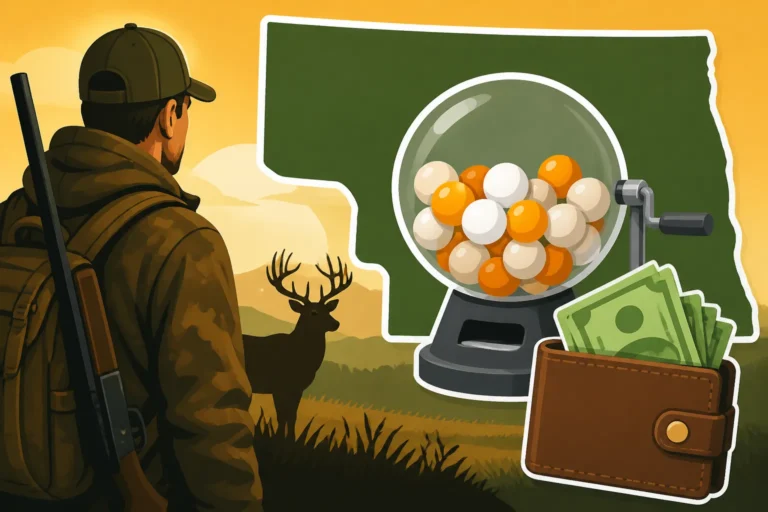
At its heart, a preference point in North Dakota acts as a tie-breaker. Imagine two applicants applying for the exact same deer unit. Both have applied for the same license, and both are equally eligible. If there's only one tag left, and one of those applicants has a preference point, that person will get the tag. It's not about increasing your name's chances of being drawn from the hat repeatedly (like a bonus point system where your applications might be squared or cubed with each point), but rather about getting priority when the random draw results in a tie.
You accumulate a preference point when you apply for a lottery license and are unsuccessful in drawing your first choice. The system automatically awards you one point for that species in that specific lottery. So, if you apply for a gun deer license and don't draw, you'll receive a preference point for the next gun deer drawing. These points are specific to the type of hunt. For instance, a point earned in the deer lottery doesn't transfer to a fall turkey lottery. It’s a system designed to give loyal, persistent applicants a slight edge over time. It's often helpful to utilize tools like those offered by GoHunt to keep track of your points and see how many you've accumulated.
Which North Dakota Hunts Use Preference Points?
This is a crucial distinction, as not all lottery hunts in North Dakota utilize a preference point system. The primary lottery where preference points are critical is the deer gun season. This is where most hunters will encounter and strategically use their accumulated points. If you're hoping for a specific unit with high demand, building up points over a few years can drastically improve your chances. Understanding the nuances of North Dakota's Lottery-Based Deer Gun Season is essential here.
Additionally, preference points come into play for fall turkey licenses. While spring turkey tags are often more readily available, some fall turkey units, particularly those with limited quotas, can be harder to draw. Having a point can give you that extra push to secure a tag in a desirable area.
However, it's vital to remember that North Dakota's truly coveted big game tags – like moose, elk, and bighorn sheep – operate on a pure lottery system without preference or bonus points. These are considered once-in-a-lifetime opportunities, and every applicant, regardless of past applications or unsuccessful draws, has an equal chance each year. This means whether you're a first-time applicant or someone who's been applying for decades, your odds for these specific species are exactly the same in any given year. This ensures fairness for these highly sought-after, limited tags.
How to Accrue and Use Your Preference Points
Navigating the application process for preference points can sometimes feel like a game of chess, requiring foresight and strategy. It's not just about submitting an application; it's about understanding when to apply for a point, when to "burn" your points, and how to maximize your long-term success. The state's system encourages consistent participation, and if you plan on hunting North Dakota regularly, understanding this accumulation is key.
Applying for a Point Only Versus a Tag
When applying for licenses that utilize the preference point system, you typically have two main options:
- Apply for your first choice license: You select your desired unit and license type. If you're successful in drawing, great! You get your tag, and your preference points for that species reset to zero. If you're unsuccessful, you are automatically awarded one preference point for the next year's drawing (and your existing points roll over, adding one to the total). This is the most common path for most hunters.
- Apply for a "point only" (or "point saver") option: For some lotteries, the NDGFD offers an explicit option to simply purchase a preference point without applying for a license. This is a strategic move for hunters who know they can't hunt this year, or perhaps they're targeting a highly difficult unit and want to build up points over several seasons before cashing them in. By selecting this option, you ensure you accrue a point without risking drawing a tag you can't use or burning points on a less desirable unit. It's a low-cost way to stay in the game and improve future drawing odds. This approach can be particularly useful for non-residents who might have other travel commitments or who are focusing their efforts on specific, high-demand areas.
The decision between applying for a tag or a point-only option often hinges on your personal hunting goals, the unit you're targeting, and your current point total. For example, if you have zero points and are hoping for a tag in a highly competitive unit that typically requires 3+ points to draw, applying for a point only might be a wiser long-term strategy than applying for the tag and being disappointed.
Maximizing Your Chances with Preference Points
To truly maximize your chances, you need to think strategically about when to apply for a point and when to go for the kill. Here’s how many seasoned hunters approach it:
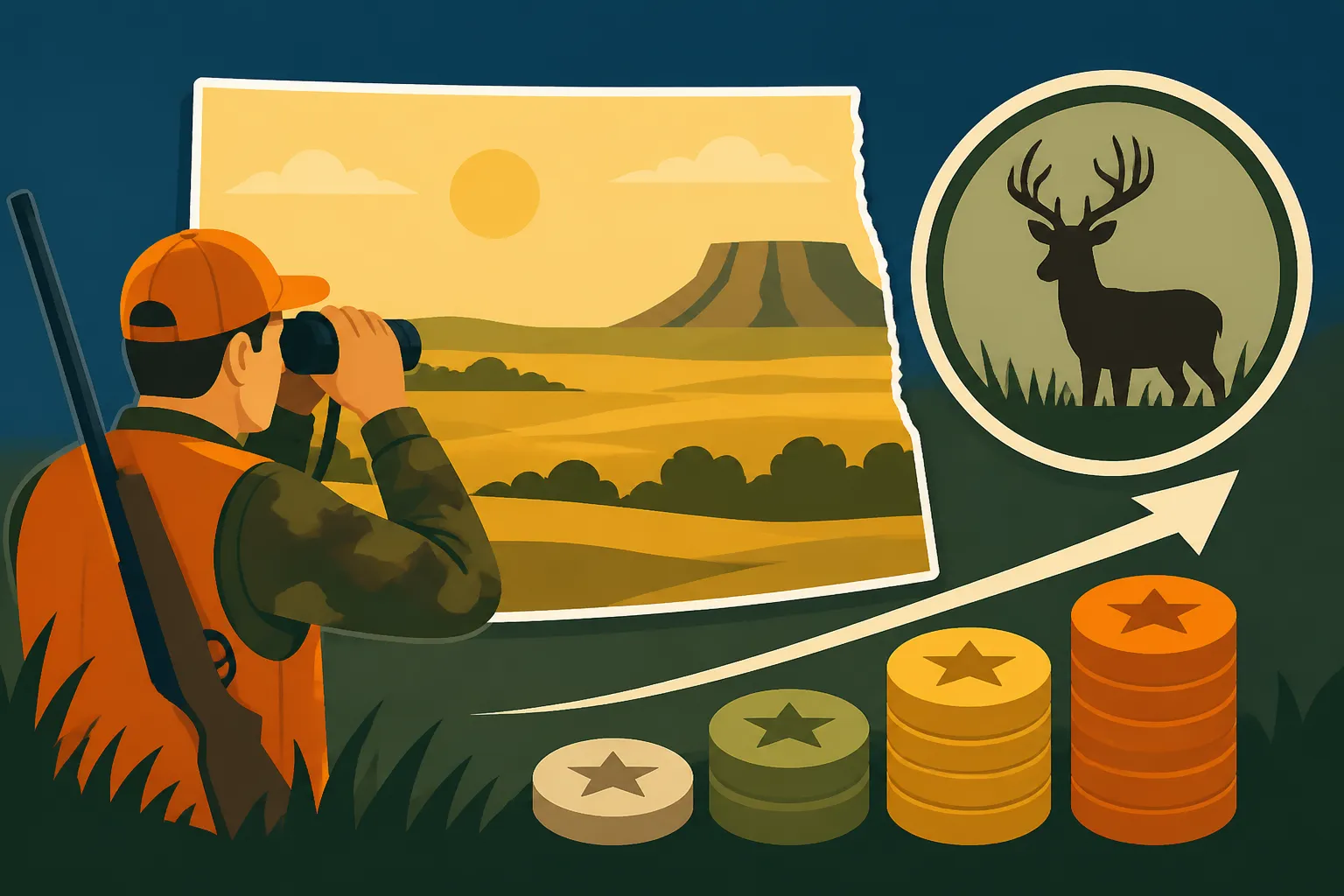
- Building Points for Tough Units: If your dream is to hunt a specific, high-demand unit known for producing large bucks, like those in the Badlands for mule deer, you'll likely need to accumulate several preference points. These units often see hundreds, if not thousands, of applicants for a limited number of tags. By consistently applying for "point only" or accepting an unsuccessful draw for a few years, you build a valuable bank of points. This strategy becomes critical when you're looking to hunt North Dakota's Badlands Mule Deer Country, where patience often pays off.
- Knowing When to Cash In: Once you have a significant number of points (check historical drawing odds for your target unit on resources like GoHunt, which compiles this data), you might decide it's time to apply for the actual tag. This is where you leverage your accumulated points to improve your chances in the draw. However, remember that once you successfully draw a tag, your preference points for that species will reset to zero. This makes the decision to "cash in" a big one.
- Understanding "Point Creep": It's also important to understand "point creep." This refers to the phenomenon where the number of points required to draw a coveted tag gradually increases over time. As more hunters apply and accrue points, the baseline for drawing that desirable unit goes up. What took 2 points five years ago might now require 3 or 4. Staying informed about current draw trends and average points drawn for your chosen unit is crucial for an effective strategy.
Many hunters use the June 3 Deer Lottery Application Deadline as a benchmark for making their point strategy decisions. Researching past draw odds for specific units can really help you decide if it's a "point-building" year or a "cash-in" year.
Common Pitfalls and Misconceptions About Preference Points
Even experienced hunters can sometimes misunderstand aspects of the preference point system, leading to frustration or missed opportunities. It's not uncommon to hear tales of lost points or confusion over how the system truly works. Let's clear up some of these common misunderstandings to ensure you’re not caught off guard.
Losing Your Hard-Earned Points
One of the most disheartening experiences for a hunter is to realize their carefully accumulated preference points have disappeared. This can happen under a few specific circumstances:
- Drawing a License: As mentioned, if you successfully draw your first choice license in a lottery that uses preference points, your points for that species will reset to zero. This is by design, as the system aims to give everyone a chance to draw over time. So, if you draw a gun deer tag, your deer preference points are gone.
- Not Applying for a Specific Period: While points generally roll over year after year, there can be clauses in state regulations about inactivity. Historically, if you fail to apply for a preference point or a license in a preference point drawing for a certain number of consecutive years (e.g., two or three years), your accumulated points might be purged from the system. It’s absolutely critical to check the current North Dakota Game and Fish Department regulations each year, as these rules can change. Don't assume your points will always be there if you take a multi-year break.
- Applying for a Second or Third Choice: Be mindful when filling out your application. If you list multiple choices and draw your second or third choice, your preference points might still reset. The system is designed around getting your first choice. Always confirm how drawing a secondary choice impacts your points in the current regulations.
To avoid losing points, make it a habit to either apply for a license or specifically apply for a "point only" option every year for the species you're building points for. Staying active in the system, even if you’re just maintaining your point bank, is the safest bet.
Preference Points Versus Bonus Points The Big Difference
This is perhaps the biggest and most persistent misconception, causing a lot of frustration for hunters familiar with other state systems. Many states, particularly those with highly sought-after species like bighorn sheep or mountain goats, use a bonus point system. In a bonus point system, each bonus point you accumulate essentially gives you an additional "chance" in the draw. If you have one bonus point, your name might be entered twice; if you have two, it's entered four times (2 squared); if you have three, it's entered eight times (2 cubed), and so on. This dramatically increases your mathematical odds of drawing a tag over time.
North Dakota, however, uses a preference point system. Remember, this is a tie-breaker. Your preference points do not multiply your application entries. When the drawing software runs, if two applicants have generated the same random number for a tag, the applicant with more preference points is awarded the tag. If both have the same number of preference points (or zero points), it goes to another random draw.
Let's illustrate:
| Scenario | Bonus Point System | Preference Point System (North Dakota) |
|---|---|---|
| Applicant A (0 points) | 1 entry in the draw | No special consideration |
| Applicant B (1 point) | 2 entries in the draw | Gets tag if tied with Applicant A or C |
| Applicant C (2 points) | 4 entries in the draw | Gets tag if tied with A, B or D; gets tie-break over B |
| Applicant D (3 points) | 8 entries in the draw | Gets tag if tied with A, B, C; gets tie-break over C |
| Impact on Odds | Significantly increases mathematical chances over time. | Provides a tie-breaking advantage only. |
This distinction is why you might feel like your preference points aren't helping you as much as you'd expect if you're coming from a bonus point state. While they are valuable, they don't exponentially increase your odds in the same way. Understanding this fundamental difference prevents misplaced expectations and helps you strategize more realistically.
Strategic Application for North Dakota Deer and Turkey
Now that we've covered the basics and cleared up some common misunderstandings, let's talk strategy. How can you effectively use this knowledge to better your chances of tagging a North Dakota deer or turkey? It’s all about informed choices, patience, and sometimes, a little bit of luck. Whether you're a resident or a non-resident, careful planning can make a significant difference.
Planning Your Deer Hunt with Points in Mind
Deer hunting in North Dakota, particularly for rifle season, is highly competitive, especially for prime units. Your preference points are your most valuable asset here.
- Targeting Specific Units: For coveted tags like Badlands mule deer or prime river bottom whitetail units, applying with zero points is often a long shot unless you get incredibly lucky. These units, especially in western North Dakota, often require several points to draw. If you're a non-resident, your path to a tag often involves patiently building points for these high-demand units. You might want to consider Hunting North Dakota's Badlands Mule Deer Country, which is a significant draw.
- The "All or Nothing" Approach for Trophy Areas: Some hunters choose to apply for a "point only" for several years, building up a significant point bank. Then, when they feel their points give them a strong chance, they apply for their dream unit. If they draw, great! If not, they get another point and try again next year. This is a long-term strategy that requires patience but often pays off for trophy-class animals in limited units.
- Balancing Desirability with Draw Odds: While everyone dreams of a trophy buck, sometimes it's wise to be realistic. If you have 1-2 points and desperately want to hunt this year, consider applying for a unit that typically draws with fewer points, even if it’s not your absolute top choice. This ensures you get to hunt while continuing to build points for the future if you don't draw your first choice. Always review the annual draw statistics provided by the NDGFD or compiled by hunting apps like GoHunt to guide your decisions. This way, you can estimate your odds for different units based on your current points. The North Dakota Deer Gun Lottery Application Process outlines these applications in detail.
- Non-Resident Considerations: For non-residents, understanding the How Many Days Nonresidents Wait for Public Land Bow Access rule and other specific regulations is critical, as public land access for non-residents can be restricted during early archery season. Preference points are a way to make your investment in a non-resident license worthwhile, even if it takes a few years to draw a prime deer gun tag.
Navigating Fall Turkey Preference Points
While less intense than deer, the fall turkey lottery also utilizes preference points for certain units with limited tags. North Dakota's Fall Turkey Season Rules highlight the specifics.
- Regional Differences: Turkey populations can vary significantly across North Dakota. Some units, particularly those with excellent habitat, may have limited tags and thus require preference points to draw consistently. Other units might have more abundant tags, making them easier to draw even with zero points.
- Building Points for Specific Areas: If you have a favorite fall turkey hunting spot or want to pursue a particular subspecies in a limited unit, building a point or two can greatly enhance your chances. Many hunters find that Calling a Fall Gobbler Flock is an exciting challenge, and having access to a prime unit improves that experience.
- The "Bonus" Hunt: For many, fall turkey is a "bonus" hunt after deer season. If you're primarily focused on deer, you might simply apply for a fall turkey tag each year to gain a point, with the mindset that if you draw, it's a pleasant surprise. If not, you've added another point to your tally.
- Youth Hunting Opportunities: Remember to consider youth hunting weekends and mentored youth hunting rules, as these can offer different avenues for getting younger hunters into the field, sometimes without impacting adult preference point strategies directly.
By understanding the system, being patient, and making informed decisions based on historical data and your personal hunting goals, North Dakota's preference point system can work to your advantage, opening up opportunities for memorable hunts across the state.
North Dakota Preference Point Summary
Here’s a quick overview of North Dakota’s preference point system for easy reference:
| Feature | Description | Applies to Which Hunts? | How Points are Acquired | How Points are Lost |
|---|---|---|---|---|
| System Type | Preference Point (Tie-breaker system) | Deer Gun, Fall Turkey | Unsuccessful drawing of 1st choice or applying for "point only" | Successfully drawing 1st choice, failing to apply for several years |
| Function | Gives priority in drawing if multiple applicants have the same random draw number for a limited tag. | Not Moose, Elk, Bighorn Sheep | One point per year of unsuccessful application | Points reset to zero upon successful draw |
| Benefit | Improves long-term odds for high-demand units by breaking ties. | |||
| Common Mistake | Confusing it with a bonus point system where odds are mathematically multiplied with each point. |
Disclaimer
Please remember that hunting regulations, license requirements, and preference point systems can change. Always consult the most current North Dakota Game and Fish Department (NDGFD) official regulations and publications before planning your hunt or submitting applications. This guide is for informational purposes only and does not supersede official state regulations.