North Dakota Gun Season Opening Day
That chill in the air, the crisp crunch of frost underfoot, and the eager anticipation that builds as autumn fades into winter – for many, this feeling culminates in one crucial date: North Dakota's deer gun season opening day. It’s a moment steeped in tradition, excitement, and a little bit of anxiety, knowing that months of planning and dreaming come down to those first few hours. This guide is dedicated to helping you navigate the ins and outs of this much-awaited day, ensuring you're as prepared as possible for a successful hunt.
The Anticipation and Reality of North Dakota's Gun Season Opening Day
There's nothing quite like the collective buzz that precedes the North Dakota gun season opener. It’s a date circled on calendars years in advance, marking not just the start of hunting, but often a gathering of friends and family, a pilgrimage back to familiar hunting grounds. Yet, behind the excitement lies the critical need for understanding and preparation.
Why Opening Day Isn't Just Another Date
For many hunters, the gun season opening day is more than just an opportunity to harvest a deer; it’s a deeply ingrained tradition. Think about it: the shared stories from previous years, the familiar rituals of camp setup, the pre-dawn coffee, and the walk into the woods or prairie. It's about camaraderie, about reconnecting with nature, and the primal pursuit that has sustained families for generations. This isn't just a season; it's a cultural touchstone here in North Dakota. The statewide gun deer season is typically short, often just nine days, making opening day incredibly high-stakes. Everyone wants to tag out early, which means increased hunter density and often, deer that are more alert and on the move due to the sudden influx of human activity.
The initial hours of opening day also present unique deer movement patterns. Whitetails, in particular, might be caught off guard by the sudden presence of hunters. This can lead to some incredible opportunities as deer are pushed from their usual bedding areas. However, as the morning progresses and pressure mounts, they quickly adapt, seeking out thicker cover or heading for private land sanctuaries. Understanding this initial burst of movement and its subsequent shift is crucial for your opening day strategy. It’s not just about being out there; it’s about being in the right place at the right time and reacting to how deer respond to the sudden increase in activity.
Understanding the Official Dates and Unit Specifics
While many hunters anticipate the first Friday in November as the traditional opening day, typically around November 6th, it is absolutely paramount to confirm the exact dates for the current year. The North Dakota Game and Fish Department (NDGFD) releases an official proclamation each year detailing all season dates, rules, and regulations. Don't rely on memory or what your buddy said last year. A quick visit to the NDGFD website or picking up a physical copy of the proclamation is your first and most vital step. The statewide firearms season in North Dakota runs for a specific, often concise, period, typically nine and a half days. Knowing the precise start and end is non-negotiable.
Beyond the statewide dates, you also need to be aware of any unit-specific regulations or special hunt dates that might apply to your particular hunting unit. North Dakota is divided into numerous hunting units, and while many share the same general gun season opening, some units might have slightly different rules, antler point restrictions, or specific antlerless quotas. It’s common to see variations, especially in units near urban areas or those with particular deer management objectives. For example, some units might have an "any-deer" tag, while others are strictly "antlerless-only" or "antlered-only." Your tag is valid only for the unit and deer type specified on it, so checking your unit’s specific regulations in the annual proclamation is essential. You can usually find the most up-to-date information on the official North Dakota Gun Season Dates through the state's Game and Fish Department portal.
Navigating Licenses, Regulations, and Necessary Gear for Opening Day
Getting your license squared away and understanding the rules isn't the most glamorous part of hunting, but it's arguably the most important. Without proper licensure and adherence to regulations, your hunt is over before it even begins.
Securing Your Deer Gun License
Unlike some states where you can just walk into a sporting goods store and buy an over-the-counter deer tag, North Dakota primarily operates on a lottery system for its deer gun licenses. This means you can't just decide last minute to hunt; you need to apply well in advance, typically with a deadline in June. The suspense of waiting for the draw results is a rite of passage for many North Dakota hunters. Make absolutely certain you've gone through the entire North Dakota Deer Gun Lottery Application Process and have your tag in hand before opening day. Losing out on a tag because you missed the deadline is a gut punch no one wants to experience.
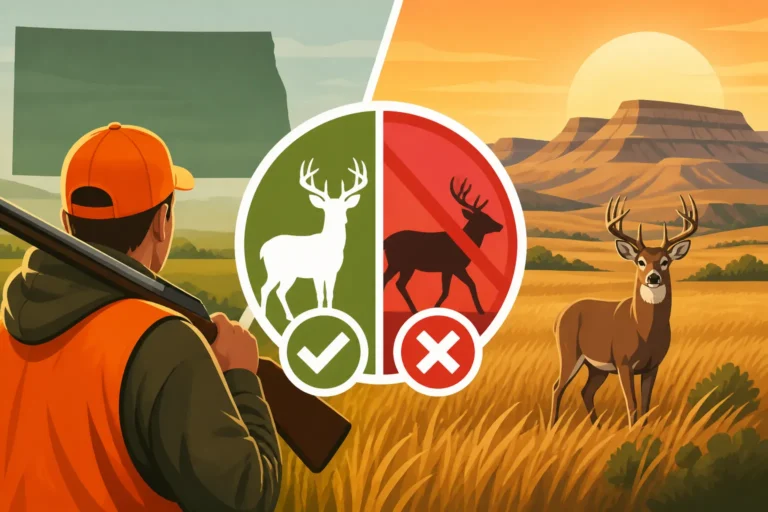
Once you’ve successfully drawn a license, pay close attention to the details on your tag. It will specify your hunting unit number and the type of deer you are authorized to harvest—be it an "any-deer" license, an "antlered white-tailed deer" license, an "antlerless white-tailed deer" license, or perhaps a "mule deer buck" tag for specific Badlands units. Knowing exactly what your tag allows you to harvest, and in which unit, is critical. Accidentally harvesting the wrong species or sex of deer, or doing so outside your designated unit, can lead to serious penalties. It’s a sad reality that some hunters make this mistake in the excitement of opening day, so double-check your tag and verify your location before you ever pull the trigger. Understanding the full scope of North Dakota's Lottery-Based Deer Gun Season is vital for successful participation.
Essential Gear and Regulatory Adherence
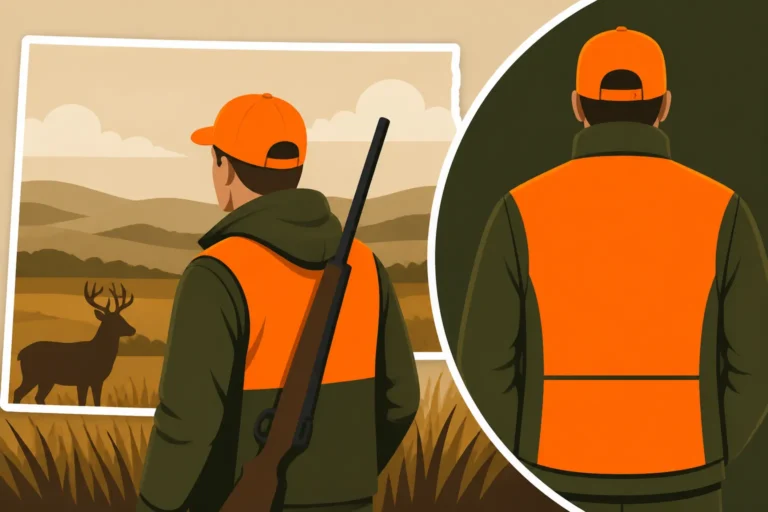
North Dakota has clear requirements for hunter visibility, particularly during the gun season. All big game hunters must wear a minimum amount of blaze orange (or blaze pink, which is also legal) above the waist. This usually includes a hat and an outer garment, but it's vital to check the current year's proclamation for exact square inch requirements. This isn't just a rule; it's a critical safety measure designed to protect you and other hunters in the field. Don’t skimp on your blaze orange; make sure it’s visible from all directions. For more specifics, check out the comprehensive guide on North Dakota Blaze Orange Requirements.
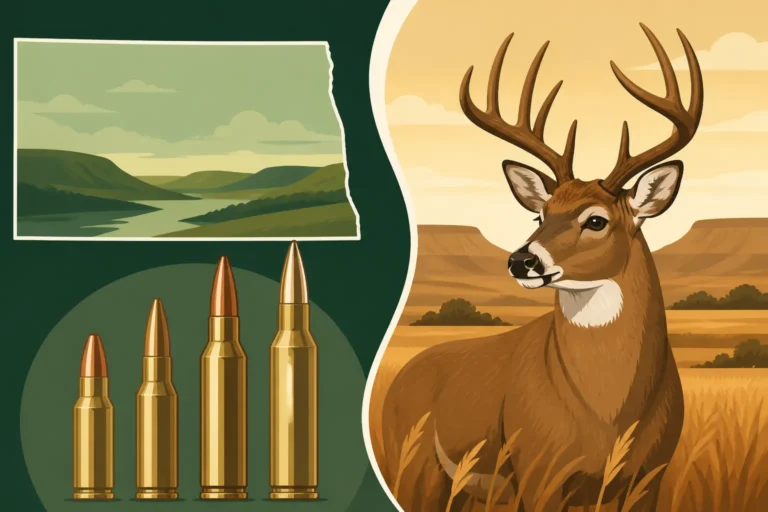
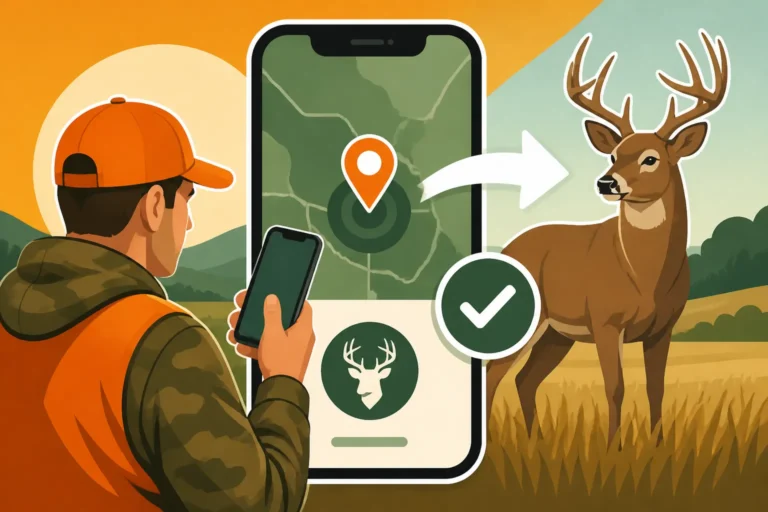
When it comes to your firearm, North Dakota also has specific legal requirements. While many common rifle calibers are allowed, there are minimum bullet diameter restrictions for deer hunting. You can't just use any firearm you own; it must meet the legal criteria. Ensure your rifle is sighted in and that you're using appropriate ammunition for big game. This isn't the time to experiment with new loads or to assume your old setup is still accurate. A trip to the shooting range well before opening day is a must. Knowing the Legal Weapons During North Dakota Gun Season is a fundamental responsibility for every hunter. Many hunters find using resources like GoHunt incredibly helpful for reviewing regulations, scouting public lands, and even checking weather conditions on the fly. Their mapping tools can be invaluable for identifying property lines and ensuring you're hunting within legal boundaries.
Strategic Preparation for a Successful Opening Day Hunt
The old adage "luck favors the prepared" rings especially true for North Dakota's gun season opener. Success isn't usually accidental; it's the culmination of thoughtful planning and adaptation.
Pre-Season Scouting and Intel Gathering
The best time to scout for deer isn't the week before the season; it's weeks, or even months, prior. Before the woods and prairies are crawling with hunters, you have the opportunity to observe deer in their natural patterns. Identify key food sources (crop fields, natural browse), bedding areas (thick cover, brushy draws, shelterbelts), and the travel corridors (game trails, fence lines, creek bottoms) that connect them. Look for fresh sign: rubs, scrapes, tracks, and droppings. Knowing where deer are feeding and bedding before they're pressured is your biggest advantage. Utilize modern tools like the GoHunt app or other digital mapping platforms to analyze aerial photos, identify pinch points, and mark potential stand locations. These tools are fantastic for Scouting PLOTS Land Before Season or even getting a lay of the land if you're Reading Aerial Photos for Badlands Deer.
On opening day, deer behavior shifts dramatically due to the sudden influx of hunters. What was a prime bedding area a week ago might become a frantic escape route. Plan for this. Think about how deer will react to pressure. Where will they go? Can you intercept them along those escape routes? Consider access points on public land and how you can get to your spot before others, or find areas that others overlook. Often, the deer pushed by other hunters can present unique opportunities for those who anticipate their movements. It's not always about finding unpressured deer; sometimes it's about predicting where the pressured deer will go.
Adapting to Opening Day Pressure and Weather
The reality of opening day is that popular public lands will see significant hunter pressure. You'll likely encounter other vehicles, hear distant shots, and maybe even see other hunters walking. This can be frustrating, but it's part of the experience. Instead of letting it derail your hunt, anticipate it. Consider walking further than most, targeting areas that are harder to access, or focusing on small, overlooked pockets of cover. Sometimes, finding PLOTS ground others walk past means just adding a half-mile to your hike. Patience is key; often, the deer are pushed and will eventually settle into new cover. This is where understanding Hunting Pressure on North Dakota Public Land becomes invaluable.
North Dakota weather in early November can be highly unpredictable. One year it might be a mild, pleasant fall day, the next could bring biting winds, freezing rain, or even early snow. You need to be prepared for anything. Dress in layers, paying close attention to waterproof and windproof outer shells. Cold hands and feet will end a hunt quickly. Beyond your comfort, weather significantly impacts deer behavior. A sudden cold snap might put deer on their feet earlier, seeking food. Heavy snow can limit movement but also makes tracking easier. Pay attention to the forecast leading up to opening day and adjust your clothing and strategy accordingly. A guide on Cold-Weather Sitting Strategy on the Prairie can provide invaluable tips for staying comfortable and effective when the temperatures drop.
| Opening Day Preparation Checklist | Importance | Notes |
|---|---|---|
| Verify License & Tag | Crucial | Double-check unit, species, sex; must be in possession. |
| Review Proclamation | Crucial | Confirm season dates, legal weapons, blaze orange requirements. |
| Sight In Rifle | Crucial | Confirm accuracy with hunting ammunition. |
| Blaze Orange Gear | Essential | Hat & outer garment; meet minimum coverage (check proclamation). |
| Weather-Appropriate Clothing | Essential | Layers for cold, wind, potential snow. Rain gear if needed. |
| Digital/Physical Maps | Essential | GoHunt app for property lines, PLOTS, topography. Backup paper map. |
| First Aid Kit | Essential | Basic supplies for cuts, scrapes, minor injuries. |
| Knife & Field Dressing Supplies | Essential | Sharp knife, gloves, game bags. |
| Communication Device | Essential | Fully charged phone (with portable charger), two-way radio if group. |
| Headlamp/Flashlight | Essential | For pre-dawn walk-in and post-dusk recovery. |
| Food & Water | Essential | Snacks for energy, ample water to stay hydrated. |
| Binoculars | Important | Spot deer, observe other hunters, confirm targets safely. |
| Scent Control | Important | Wash clothing, store in scent-free containers. |
| Emergency Contact Info | Important | Share hunt plan with someone, carry emergency contacts. |
Post-Harvest Protocols and Ethical Considerations
Successfully harvesting a deer on opening day is an incredible feeling, but the hunt isn't truly over until the animal is properly cared for and all regulatory requirements are met.
Field Dressing and Game Recovery
Once you’ve successfully harvested a deer, the immediate priorities are ethical and practical: ensure the animal is expired, then begin the field dressing process. In North Dakota’s often cold November weather, cooling the meat quickly is beneficial. Prompt field dressing helps to preserve the quality of the venison by allowing the carcass to cool down rapidly. This is especially important if you’re hunting on a warmer day or if you have a long retrieve ahead of you. Carrying a sharp knife, a good pair of game dressing gloves, and perhaps some game bags are critical components of your field kit. Detailed instructions on Field Dressing a Deer in Cold Weather can be a lifesaver, ensuring your venison is handled correctly.
Retrieving your deer can be one of the most physically demanding parts of the hunt, particularly if you’re deep in a coulee or far from a road. Have a plan for extraction. Do you have a deer cart? Are you hunting with a partner to help drag? Will you need to quarter the animal to get it out? If you lose the blood trail, especially as dusk settles, knowing how to approach Blood Trailing After Dark in North Dakota can be invaluable. This is another area where modern mapping apps, like GoHunt, can assist by marking the last known blood, helping you navigate back to the area, or coordinating with partners. Always prioritize a clean, quick recovery to prevent spoilage and show respect for the animal.
Mandatory Reporting and CWD Awareness
One of the most critical steps after harvesting your deer is reporting it to the North Dakota Game and Fish Department. This isn't optional; it's a mandatory requirement. You can typically do this online through the NDGFD website or via their mobile app. Reporting helps the department gather crucial data on harvest numbers, success rates, and population trends, which directly impacts future season structures and tag allocations. Don't procrastinate on this; make sure you complete your North Dakota Deer Reporting Requirements by the specified deadline. It's a simple step that contributes significantly to wildlife management.
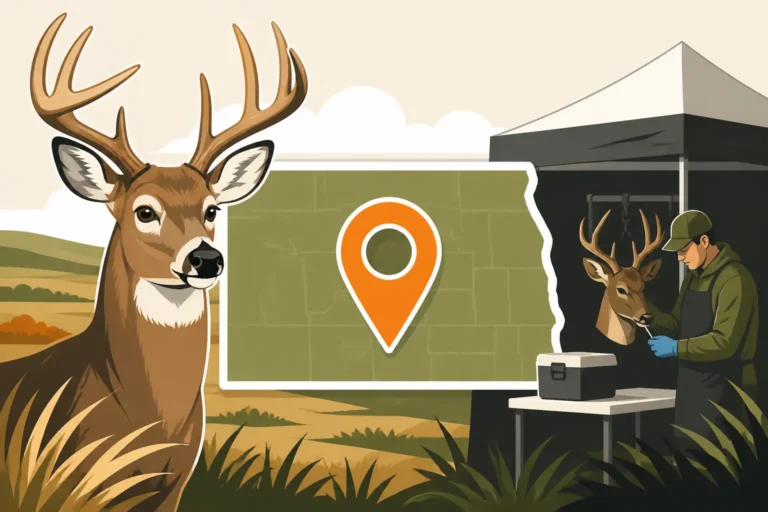
Furthermore, North Dakota has several Chronic Wasting Disease (CWD) hunting units, primarily concentrated in the western and central parts of the state. If you harvest a deer in one of these designated units, there may be mandatory CWD testing requirements. This typically involves submitting the head of your deer at a designated sampling station. Understanding which units have CWD, where these stations are located, and what the specific testing protocols are, is vital for compliance. This is a critical effort to monitor and manage the spread of this serious deer disease. Always check the annual proclamation for the most current list of CWD units and testing mandates. For detailed information on where and how to test, consult guides like CWD Testing for North Dakota Hunters. As hunters, we have a responsibility to act ethically, not just in the field but also in our adherence to all game laws and disease management efforts.
Disclaimer
The information provided in this guide is for general informational purposes only and is not intended as legal advice. Hunting regulations, season dates, and licensing requirements in North Dakota can change frequently. Always consult the official North Dakota Game and Fish Department website and the current year's hunting proclamation for the most accurate and up-to-date information before planning any hunting trip.