North Dakota Mentored Youth Hunting Rules
It can be incredibly challenging to introduce younger generations to the joys and responsibilities of hunting, especially when navigating the myriad of rules and regulations. If you're looking to share your passion for the outdoors with a mentored youth hunter in North Dakota, understanding the specific guidelines is paramount to ensuring a safe, legal, and ultimately rewarding experience for everyone involved. This comprehensive guide will walk you through North Dakota's mentored youth hunting rules, helping you confidently embark on unforgettable adventures together.
The Foundation of Mentored Youth Hunting in North Dakota
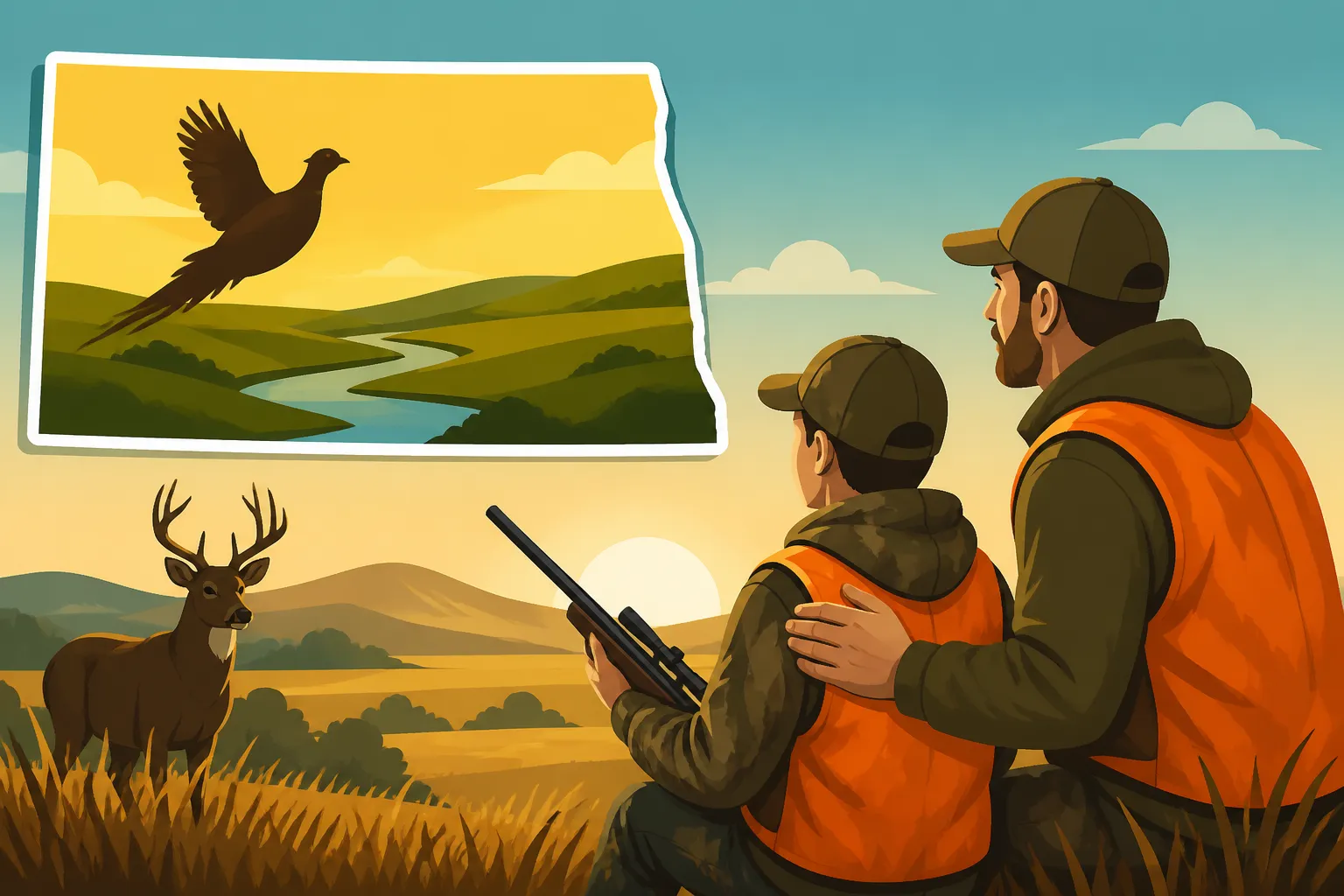
North Dakota recognizes the vital role experienced hunters play in shaping the next generation of conservationists and ethical sportsmen. The state has specific provisions to allow young, aspiring hunters to gain practical, hands-on experience under direct supervision, even before completing full hunter education. This system is designed to provide a gentle entry into the hunting world, fostering skills and safety awareness from an early age.
Who Qualifies as a Mentored Youth Hunter?
For a young person to participate as a mentored youth hunter in North Dakota, they generally need to be under the age where full hunter education is required for unsupervised hunting. Typically, this means individuals aged 12 to 15 can participate in the mentored youth hunting program for various species without having to complete a hunter education course beforehand. However, it's worth noting that if they want to hunt independently, they will eventually need to complete the official North Dakota Hunter Education Requirements. The whole idea behind the mentored program is to provide a supervised learning environment, allowing them to try hunting before committing fully to the education course, which can be a big step for some families.
It’s important to clarify that this isn't just a loophole; it's a deliberate program aimed at encouraging participation while maintaining safety. The focus is on the learning process, allowing youth to be immersed in the hunting experience alongside an experienced adult. This supervised initiation can be the spark that ignites a lifelong passion for ethical hunting and wildlife management.
Who Can Be a Mentor? Requirements and Restrictions
The mentor's role is absolutely critical in this program, and as such, North Dakota has specific requirements for who can serve as one. Generally, a mentor must be at least 18 years of age and hold a valid hunting license for the current season. More importantly, they must be "mentally and physically capable of performing the duties of a mentor." This isn't just about carrying a license; it's about being responsible, knowledgeable, and present. The mentor must maintain direct, uninterrupted, and immediate supervision of the youth hunter at all times while afield.
This direct supervision often means the mentor needs to be within "normal voice contact and not out of sight." We'll dive deeper into what How Close a North Dakota Mentor Must Stay entails, but the spirit of the rule is that the mentor can immediately intervene, provide instruction, or ensure safety if needed. They are not merely chaperones; they are active teachers responsible for every aspect of the youth's hunting activity, from identifying game to safe firearm handling and ethical shot placement.
The Apprentice Hunter License: A Stepping Stone
For those who are new to hunting, or perhaps haven't completed hunter education yet, North Dakota offers what's known as an Apprentice Hunter license. This license is primarily for individuals who are not yet hunter education certified but want to experience hunting under the direct supervision of a licensed adult mentor. For youth, this often goes hand-in-hand with the mentored youth hunting rules.
The Apprentice Hunter license allows a new hunter, regardless of age (though there are still age restrictions for weapon use), to purchase a license and hunt certain species while being mentored. It's truly a "try before you buy" approach to hunter education, giving newcomers the chance to experience hunting firsthand. While youth aged 12 and up can typically hunt under a mentor without an Apprentice Hunter license if they meet other criteria, this option is there for those who might benefit from it, or for older individuals who are new to hunting. This provides flexibility and accessibility, ensuring that age or lack of immediate certification isn't an insurmountable barrier to getting started.
Understanding the Mentor's Crucial Role and Responsibilities
Being a mentor is far more than just walking alongside a young hunter; it's a profound responsibility and an incredible opportunity to shape their understanding of hunting, wildlife, and conservation. The rules reflect this, putting a significant emphasis on the mentor's active involvement and knowledge.
Direct Supervision: What "Close Proximity" Really Means
When North Dakota regulations talk about "direct, uninterrupted, and immediate supervision," they aren't kidding around. This isn't the kind of supervision where you can be on your phone or scouting a different ridge while your youth hunter is in a treestand fifty yards away. The mentor and youth hunter must be close enough to communicate instantly and for the mentor to take control of the situation at any moment. This typically means being within sight and normal voice contact, no matter the terrain or cover.
Imagine you're Hunting a Badlands Draw for Mule Deer. The terrain is broken, full of ravines and sparse cover. "Close proximity" in this scenario means you need to be literally right next to your youth hunter, perhaps even sharing the same glassing spot or moving together through a coulee. It ensures that if a deer pops up, you can guide their aiming, ensure the shot is safe, or quickly address any weapon handling issues. This constant presence not only ensures safety but also allows for real-time teaching, pointing out sign, explaining animal behavior, and reinforcing ethical practices.
Sharing Knowledge: From Ethics to Field Dressing
A mentor's job extends far beyond just ensuring legal compliance and physical safety. It encompasses imparting the wisdom and traditions of hunting. This means teaching crucial skills like identifying game, understanding shot placement, and the humane recovery of animals. It also involves explaining the importance of wildlife management, habitat, and the role hunters play in conservation.
Consider the process of field dressing a deer. This can be intimidating for a new hunter, but with a mentor, it becomes a hands-on learning experience. You'd explain why it's done quickly, how to do it efficiently, and the importance of meat care. Similarly, teaching about Late-Season Food Sources for North Dakota Whitetails or how to properly use calls and decoys, like for Decoying Divers on North Dakota's Lake Sakakawea, are invaluable lessons that build a comprehensive understanding of the hunt. These are the moments where real learning happens, solidifying the youth's respect for the animal and the hunting process.
Equipment Considerations and Safe Handling
Another critical aspect of the mentor's role is guiding the youth hunter in proper equipment selection and safe handling. This includes everything from choosing the right firearm or bow for the youth's size and strength to teaching proper carrying techniques, muzzle control, and safe shooting practices. The mentor is responsible for ensuring the youth understands and follows all firearm safety rules, including knowing the target and what is beyond it, and treating every firearm as if it were loaded.
For example, if you're out Walking a Pheasant Field at Midday, you'll be teaching your youth hunter how to safely carry their shotgun in varied terrain, how to mount it correctly, and how to identify safe shooting lanes. The mentor might carry the firearm until a shooting opportunity arises, or only load it when actively hunting. They are also responsible for ensuring the youth is using legal weapons and ammunition for the species being pursued, such as understanding Which Rifle Calibers North Dakota Allows for Deer during the special youth deer season. This hands-on guidance with equipment is essential for building confidence and safe habits.
Eligible Species and Seasons for North Dakota's Youth Hunters
North Dakota offers a wide range of opportunities for youth hunters, covering most major game species. This broad access helps introduce young hunters to different types of hunting and fosters a diverse skillset. However, specific seasons and tag requirements still apply.
General Game and Habitat License Opportunities
For many species, a youth hunter participating in the mentored program will need to hold the appropriate license, which usually starts with a General Game and Habitat License. This base license is essential for most hunting activities in North Dakota, even for those under mentor supervision. Once they have this, they can then add specific species licenses, such as those for small game or general archery.
This foundational license allows them to pursue various small game and upland birds, such as pheasants, grouse, and Hungarian partridge, during their respective open seasons. It's a great way to start, as small game hunting provides plenty of action and opportunities for learning without the intense pressure often associated with big game. You can check the North Dakota Resident License Options for specific costs and age requirements for these various base and add-on licenses. This multi-species approach allows for flexibility and more days afield, which is key for developing skills and building a love for hunting.
Special Youth Deer Seasons and Tags
One of the most popular and celebrated opportunities for mentored youth hunters in North Dakota is the special youth deer season. This season typically occurs before the regular statewide gun season, offering a unique chance for young hunters to pursue deer with less pressure and often in prime conditions. To participate, youth hunters generally need to apply for and draw a special youth deer tag for a specific unit, or obtain an antlerless-only license in units where they are available.
The rules for the North Dakota Youth Deer Season Rules are designed to make it an accessible and exciting experience. Often, these tags are for antlerless deer, focusing on harvest opportunities and meat acquisition, which aligns well with the ethical principles of hunting. It's a fantastic way to teach about deer behavior, tracking, and the satisfaction of providing natural, healthy food for the family table. The season dates are usually carefully set to provide a good chance of success while still allowing for a focus on learning.
Upland Game and Waterfowl for the Younger Generation
Beyond deer, youth hunters have extensive opportunities in upland game and waterfowl hunting. These pursuits are often ideal for mentored experiences because they frequently involve more action, dog work (if applicable), and dynamic scenarios. For upland birds, a youth can accompany a licensed adult during the regular North Dakota Pheasant and Upland Season Rules, learning how to walk cover, flush birds, and safely handle a shotgun.
Waterfowl hunting, too, offers a thrilling experience. While specific federal requirements like the North Dakota Federal Duck Stamp Requirement still apply to youth over a certain age (typically 16), mentored youth can certainly join in on hunts, learning about decoy spreads, calling, and blind etiquette. The North Dakota Duck and Goose Bag Limits will apply, and it's another prime opportunity for a mentor to teach not just shooting skills, but also species identification and responsible harvesting. Imagine a youth hunter’s excitement seeing a flock of mallards commit to the spread in a prairie pothole!
Navigating Specific Rules for Popular Youth Hunts
While the general principles of mentored youth hunting apply across species, there are specific nuances for different types of hunts. Understanding these details will help ensure a smooth and enjoyable experience for you and your youth hunter.
Deer Hunting: Antlerless Focus and Unit Availability
For many youth deer hunters, particularly during special youth seasons, the focus is often on antlerless deer. This is a deliberate strategy by the North Dakota Game and Fish Department to manage deer populations and provide high-success opportunities for new hunters. Antlerless tags are generally easier to draw and contribute directly to herd management. It teaches young hunters the value of every animal and the importance of the harvest, rather than solely focusing on trophy size.
When looking at Hunting North Dakota's Nine-and-a-Half-Day Bow Restriction or the broader firearm season, youth hunters with their specific youth deer tags are often restricted to the unit specified on their tag. This means careful planning is needed to ensure you're hunting in the correct area. Some units might have higher antlerless deer populations, making them excellent choices for a youth's first deer hunt. It’s also a great way to teach them about the importance of scouting specific areas, like Finding Sign Along a Shelterbelt or understanding Reading a Missouri River Bottom for Deer, before the season even starts.
Pheasant and Grouse: Walking the Fields with a Mentor
Upland bird hunting is a fantastic entry point for youth, offering plenty of walking, dog interaction (if you have one), and diverse cover. When pursuing pheasants or grouse, the mentor's role in safety is paramount, especially when navigating dense cover or hunting with multiple people. The mentor must ensure the youth understands safe zones of fire and how to react when a bird flushes.
Walking PLOTS Land Before Season for sharptail grouse or working a dense shelterbelt for pheasants provides countless teaching moments. You can discuss how birds use different types of cover, how to read a dog's body language, and the importance of a clean shot. The youth can carry their shotgun, but the mentor should be constantly aware of the muzzle direction and ensure it’s only loaded when actively hunting and safe to do so. These experiences are less about sitting and waiting and more about active participation and learning to read the landscape.
Waterfowl Hunting: Decoys, Blinds, and Bag Limits
Waterfowl hunting with a mentored youth can be incredibly exciting, filled with the sights and sounds of migrating ducks and geese. While the youth might not always be the primary shooter, they can learn immensely from the experience. They'll participate in setting up Decoy Spreads for Prairie Pothole Mallards, brushing in a blind, and learning the nuances of calling. The mentor ensures the youth understands federal and state regulations, including the specific North Dakota Duck and Goose Bag Limits.
Safety in a blind or on a slough edge is critical, especially with multiple hunters and loaded firearms. The mentor must clearly define shooting zones and ensure the youth understands the importance of remaining still until instructed. Additionally, all migratory bird hunters, including mentored youth over a certain age, must possess North Dakota HIP Certification for Bird Hunters in addition to their state licenses. This provides another layer of education about conservation programs. These hunts are truly immersive experiences that teach patience, camouflage, and the thrill of a successful retrieve.
| Activity | Eligible for Mentored Youth | License Required for Youth | Mentor Requirements | Key Focus for Youth |
|---|---|---|---|---|
| Youth Deer Season | Yes | Youth Deer Tag (drawn) | 18+, licensed, direct supervision | Antlerless harvest, ethical shooting |
| Small Game (Pheasant, Grouse) | Yes | General Game/Habitat + Small Game | 18+, licensed, direct supervision | Walking cover, dog interaction, safety |
| Waterfowl (Ducks, Geese) | Yes | General Game/Habitat + Waterfowl + Federal Stamp (if 16+) | 18+, licensed, direct supervision | Blind etiquette, decoy placement, ID |
| General Archery (Deer) | Yes | Archery Deer Tag | 18+, licensed, direct supervision | Patience, stealth, shot placement |
| Predator Hunting (Coyote) | Yes | General Game/Habitat | 18+, licensed, direct supervision | Calling techniques, target ID |
Prioritizing Safety and Ethical Hunting Practices
Safety is not just a rule; it's the absolute cornerstone of hunting, especially when introducing youth to the sport. A mentor's primary responsibility is to instill a deep-seated commitment to safety and ethical behavior that will last a lifetime.
Essential Safety Training and Hunter Education for All
While the mentored youth program allows younger hunters to participate before completing formal hunter education, it's crucial that the mentor acts as the primary safety instructor. This means constantly reinforcing the basic rules of firearm safety: treat every gun as loaded, always point the muzzle in a safe direction, be sure of your target and what's beyond it, and keep your finger off the trigger until ready to shoot. These tenets should be repeated until they become second nature.
Many mentors also opt to have their youth attend a formal North Dakota Hunter Education Requirements course as soon as they are old enough, even if not strictly required for their current hunting activities. This provides a structured learning environment and certification that will eventually allow them to hunt unsupervised once they reach the Minimum Age for Unsupervised North Dakota Hunting. Furthermore, understanding topics like the proper amount of How Much Blaze Orange North Dakota Requires isn't just a legal necessity but a critical safety measure that the mentor must teach and enforce.
Field Ethics and Respect for the Land and Wildlife
Beyond physical safety, mentors are responsible for teaching profound field ethics. This includes respect for wildlife, ensuring quick and humane harvests, and understanding game recovery. It means teaching about fair chase, the importance of only taking ethical shots, and the commitment to tracking and recovering every animal, even if it means Blood Trailing After Dark in North Dakota.
It also involves respect for the land itself and other hunters. This means teaching the youth about proper waste disposal, leaving no trace, and being courteous to others encountered in the field. Understanding concepts like Hunting Pressure on North Dakota Public Land and how to minimize disturbance to other hunters are vital lessons in responsible outdoor behavior. These ethical considerations shape a hunter's character and ensure the integrity of the sport for future generations.
Emergency Preparedness and Communication
No matter how experienced the mentor or how well-behaved the youth hunter, unforeseen circumstances can arise. Therefore, emergency preparedness and clear communication are non-negotiable. This means carrying a well-stocked first-aid kit, knowing how to use it, and having a plan for more serious emergencies. It also involves ensuring reliable communication, whether it's a fully charged cell phone (though service can be spotty in remote areas like the Badlands) or a satellite communication device.
Before every hunt, the mentor should review the day's plan, potential hazards, and what to do in case of separation or injury. Teaching a youth basic survival skills, like how to stay warm or signal for help, can be empowering. For example, if you're Packing for an Eight-Day North Dakota Elk Hunt in the rugged Badlands, having a clear emergency plan is even more critical. This proactive approach ensures that everyone knows their role and what steps to take if something goes wrong, transforming a potentially dangerous situation into a manageable one.
Maximizing the Mentored Youth Hunting Experience
The goal of mentored youth hunting isn't just about harvesting an animal; it's about fostering a deep appreciation for the outdoors, building character, and creating lasting memories. The best mentors go above and beyond, making every outing a rich learning opportunity.
Scouting and Preparation: Before the Hunt Begins
A successful mentored hunt often starts long before opening day, with thorough scouting and preparation. Involving the youth in this process is invaluable. This could mean Scouting PLOTS Land With the ND Hunt App to identify potential hunting areas, learning to read aerial maps, or simply driving country roads to spot deer or bird activity. It teaches them about habitat, animal behavior, and the effort required for a successful hunt.
Preparation also extends to gear. Letting the youth help pack their own backpack, check their ammunition, or prepare snacks for the day instills a sense of ownership and responsibility. Discussing the weather forecast and appropriate clothing helps them understand the practicalities of being comfortable and safe in the elements. This pre-hunt involvement makes them active participants, not just passengers, in the hunting adventure.
Utilizing Technology and Resources
In today's world, technology can be a powerful tool for enhancing the mentored hunting experience. Various apps and online resources can help with everything from mapping to game identification and weather tracking. Platforms like GoHunt offer incredible resources for e-scouting, understanding public land boundaries, and even analyzing draw odds for future opportunities. Teaching a youth how to use these tools responsibly can significantly improve their hunting knowledge and success.
For example, using a mapping app to mark a game trail while Reading North Dakota Mud for Fresh Deer Movement or pinpointing a roosting area for fall turkeys can be an exciting lesson. Reviewing online harvest reports together can teach them about game populations and management strategies. The key is to integrate these tools as learning aids, not as substitutes for traditional woodsmanship, ensuring the youth still develops essential outdoor skills. GoHunt's detailed land ownership layers, in particular, can be extremely helpful for navigating complex boundaries, ensuring you always know where you are and if you have legal access.
Building Lasting Memories Beyond the Harvest
Ultimately, the most important aspect of mentored youth hunting is the bond it creates and the memories it builds. Not every hunt will result in a harvest, and that's perfectly okay. The real trophies are the shared experiences: the quiet moments watching a sunrise, the laughter over a missed shot, the teamwork involved in setting up decoys, or simply enjoying a campfire meal.
These are the moments that truly matter, forging a connection to nature and to each other. Whether it’s their first pheasant, a big buck from the North Dakota's November Gun Deer Season, or simply a day spent Coyote Calling North Dakota Farm Country, the value lies in the shared journey. Encourage questions, celebrate small victories, and always emphasize the privilege and responsibility of being a hunter. These experiences lay the groundwork for a lifetime of ethical enjoyment of the outdoors.
Disclaimer
The information provided in this guide is intended for educational and informational purposes only and is not a substitute for the official hunting regulations published by the North Dakota Game and Fish Department. Hunting laws and regulations can change frequently. Always consult the most current North Dakota hunting proclamation and relevant federal regulations before heading into the field. Ensure you are fully compliant with all licensing, tag, and safety requirements.