How North Dakota’s Public Dove Fields Work
Finding good dove hunting spots, especially on public land, can feel like chasing a ghost. You drive endless country roads, hoping to spot that magical field edge or a flock pitching into a feed. North Dakota’s vast landscape offers incredible hunting, but pinpointing where those fast-flying birds will be can be a challenge. That’s where understanding how North Dakota’s public dove fields work can make all the difference, transforming frustration into successful hunts. This guide will walk you through the specifics of these managed areas, how to find them, and the best ways to hunt them.
Understanding North Dakota's Public Dove Fields
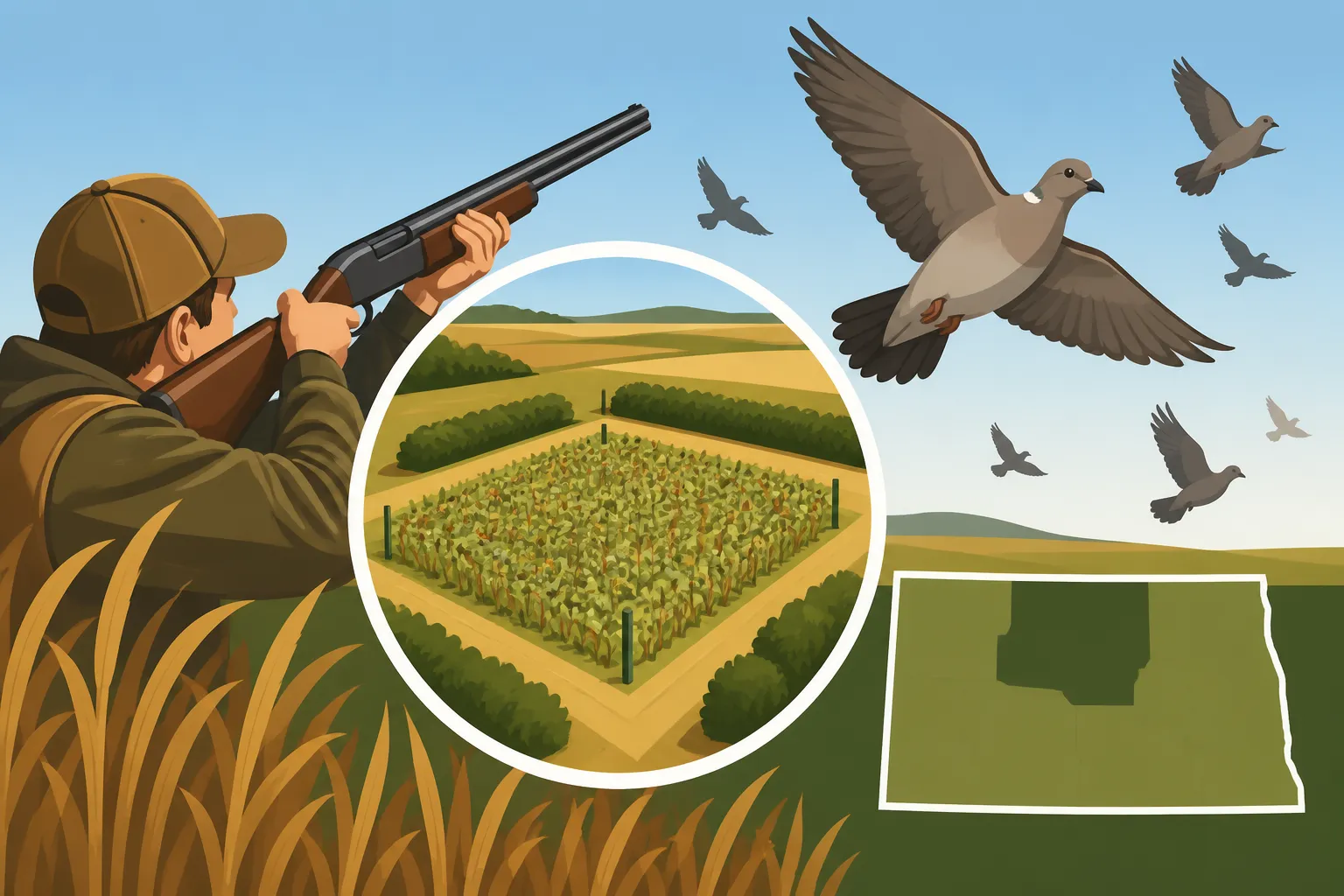
North Dakota's public dove fields are dedicated areas, often managed by the North Dakota Game and Fish Department (NDG&F), specifically designed to attract and hold mourning doves for hunters. These aren't just random patches of land; they are intentionally cultivated plots that provide the food, water, and grit doves need, making them magnets for these elusive birds.
What Makes a Good Dove Field?
Doves are creatures of habit and preference, much like any other game bird. They gravitate towards specific types of forage and habitat features. A truly productive dove field isn't just a cleared area; it's a carefully crafted ecosystem. Sunflowers are probably the most iconic dove attractant. When those black oil sunflower heads dry and start dropping their seeds, doves descend in droves. But it’s not just sunflowers; fields of millet, wheat stubble, and even some varieties of sorghum can be highly effective. They need readily available small seeds that are easy to access on the ground.
Beyond just food, doves also require water and grit for digestion. That's why you'll often find the best public dove fields located near a water source, whether it's a small pond, a slough, or even a dug-out cattle tank. The presence of bare ground, gravel roads, or sandy areas nearby provides the grit they need. Think about it: a field with all the food but no water or grit nearby won't hold birds as consistently as one that offers the full package. It’s about creating a complete habitat, not just a feeding station.
The North Dakota Game and Fish Department's Role
The NDG&F plays a crucial role in establishing and maintaining these public dove fields. They aren't just opening up existing farmland; they're actively managing plots to enhance dove habitat and hunting opportunities. This often involves planting specific crops, managing weed growth, and sometimes even strip-tilling or disking sections of fields to ensure seeds are accessible on the ground. It's a significant effort, often driven by staff dedicated to maximizing public hunting access and success. They want you to have a good experience, so they invest time and resources into these areas.
Sometimes, these efforts are part of broader habitat initiatives, like enhancing areas for other upland birds or deer, but with doves specifically in mind. Their goal is to distribute these fields across various regions, making them accessible to as many hunters as possible, both residents and nonresidents. You'll find these fields primarily in the eastern and central parts of the state where agriculture is prominent and dove populations are strong. The department closely monitors dove populations and hunter success to continually refine their management strategies, ensuring these fields remain productive year after year.
Types of Managed Fields You'll Encounter
When you're out looking for public dove hunting, you'll primarily be focused on lands managed under the Private Land Open To Sportsmen (PLOTS) program, or Wildlife Management Areas (WMAs). The PLOTS program is a fantastic initiative where the NDG&F leases private land from landowners and opens it to public hunting. Many of these PLOTS tracts include fields specifically planted or managed for doves. You’ll recognize them by the distinctive yellow triangular signs with the PLOTS logo. It's important to always Read a PLOTS Sign Correctly to understand any specific restrictions.
Wildlife Management Areas, or WMAs, are state-owned lands managed by the NDG&F for wildlife habitat and public recreation. Many WMAs, particularly those in agricultural regions, will have designated dove fields. These are often larger-scale operations where the department can implement more intensive management practices, like larger plantings or specific water feature developments. Beyond these, you might also find smaller, unadvertised fields on other state or federal lands, such as Waterfowl Production Areas (WPAs), though these are less likely to be specifically managed for doves and may require more scouting on your part. The key is to look for fields that show clear signs of active management and, of course, the presence of birds.
Navigating Access and Locating Prime Spots
Knowing that public dove fields exist is one thing; actually finding and effectively using them is another. North Dakota is a big state, and while the NDG&F does an excellent job, you still need to put in some legwork (or finger work on your phone!) to pinpoint the best locations.
Using NDG&F Resources and Mapping Tools
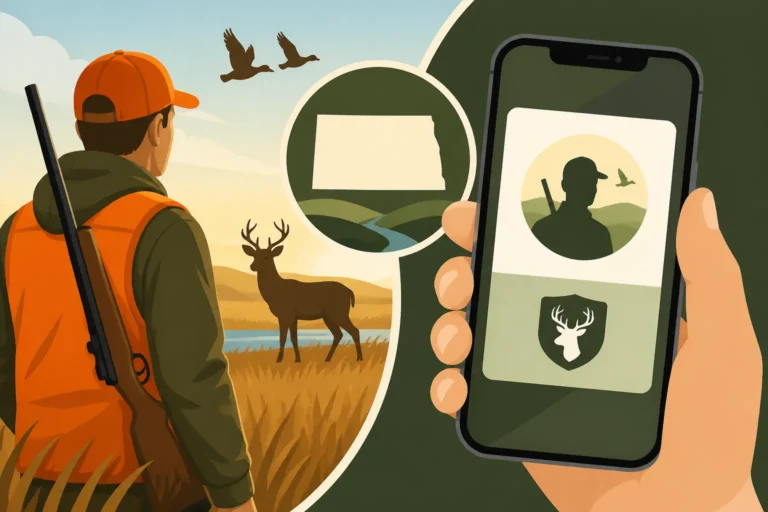
The primary tool for any hunter in North Dakota is the NDG&F website and their mobile app. The department publishes an annual PLOTS guide and maintains an interactive map online that's invaluable. This map, and the associated app, will show you all the PLOTS tracts, WMAs, and other public lands available for hunting. Many of these will be specifically marked as having dove fields or suitable dove habitat. Don't underestimate the power of these digital resources; they save countless hours of driving around aimlessly.
When using these tools, look for symbols or notes indicating "dove habitat," "sunflower plots," or "millet fields." These are your direct indicators. Another excellent resource is the GoHunt platform or similar apps like onX Hunt. These mapping applications provide detailed property lines, public land boundaries, and often integrate NDG&F data, allowing you to quickly visualize access points, field layouts, and proximity to water or roosting cover. I can't stress enough how much a good mapping app helps in a state like North Dakota. It's truly a game-changer for scouting and navigating unfamiliar territory, letting you layer aerial photos with public land designations.
The Importance of Scouting
Even with the best maps, scouting is non-negotiable for successful dove hunting. Doves are migratory, and their patterns can change rapidly based on food sources, weather, and hunting pressure. A field that was hot last week might be barren today. Start your scouting pre-season, if possible. Look for fields with standing or recently harvested sunflowers, millet, or wheat. Drive around in the early mornings or late evenings, observing flight paths. Are doves flying into a particular field? Are they leaving a specific roost and heading towards a feed? Are they watering at a nearby pond?
Pay attention to subtle signs. White wash on fence lines or power lines indicates frequent perching. The more doves you see, the better. Scouting also helps you identify good ambush points. Where are the birds entering the field? Is there a sheltered corner, a fencerow, or a small patch of weeds that would offer natural concealment? Don't just scout from your truck; get out and walk the perimeter, noting topography and cover. Remember, Scouting PLOTS Land With the ND Hunt App can help you determine property boundaries and access points, but it won't tell you where the birds are actually flying that day.
Understanding Public Land Designations
As mentioned, most of North Dakota's managed dove fields will fall under PLOTS or WMA designations. However, it's also worth understanding other public land types. Waterfowl Production Areas (WPAs), managed by the U.S. Fish and Wildlife Service, are often small parcels of grassland and wetlands. While not typically planted for doves, if a WPA is adjacent to a private sunflower field, it might offer a good spot for pass-shooting or for birds using the WPA's wetland for water. State School Lands, often identified by signs, are also open to public hunting unless posted otherwise, and some may contain suitable dove habitat if they are agricultural.
National Grasslands, like the Little Missouri National Grassland in western North Dakota, are vast and primarily native prairie. While not known for planted dove fields, if you find areas with a concentration of native sunflowers or wild millet, and especially if there are stock ponds nearby, you might find some localized dove activity. However, the prime public dove hunting will almost always be on the managed fields. Always verify the specific rules for each land type. While much public land operates under similar guidelines, some areas might have unique restrictions, so a quick check of the NDG&F regulations is always prudent.
Effective Strategies for Hunting Public Doves
Dove hunting can be incredibly exciting, but it often requires a blend of patience, quick reflexes, and the right strategy. Successfully hunting public dove fields means adapting to the birds and the specific environment you're in.
Optimal Timing and Weather Considerations
Doves are creatures of routine, especially during their feeding and watering cycles. The best times to hunt are typically the first two hours after sunrise and the last two hours before sunset. These are peak feeding and watering times, when birds are most active and predictable. Midday hunting can be slower, but if you find a large roosting area or a particularly attractive water source, it can still be productive, especially on cooler days.
Weather plays a huge role. A strong cold front can push doves south quickly, so try to hit the fields before or during the initial days of a significant weather change. Hot, dry weather often concentrates doves around water sources, making ponds and sloughs excellent spots. Overcast days can sometimes keep birds flying lower and longer throughout the day. Pay attention to the wind, too. Doves tend to fly into the wind, so positioning yourself with the wind at your back can offer better shot opportunities as birds approach. Understanding North Dakota Public Land Hunting Hours is crucial, but knowing when to be there within those hours is the real trick.
Decoys, Blinds, and Calling
Just like duck or goose hunting, decoys can dramatically increase your success rate for doves. A spread of dove decoys, especially spinning-wing decoys like those from Mojo Outdoors, can draw birds in from a distance. Set up your decoys on fence lines, dead trees, or small stakes within the field, mimicking doves feeding or resting. Place them in open areas where they are highly visible.
Natural cover is your best blind. Find a fencerow, a stand of tall weeds, or even a small depression in the field. If natural cover is sparse, a simple camo ground blind can be invaluable. Doves have excellent eyesight, and they will flare if they see you silhouetted against the sky. Sitting still and minimizing movement is key. You don't always need a formal blind; even a camo chair and a dark background can be enough. A well-brushed in blind is always better than standing in the open. Sometimes, if hunting on a PLOTS field with limited cover, knowing how to utilize Using a Ground Blind on PLOTS Land effectively can make all the difference, but check regulations first as not all public land allows permanent blinds.
While not as common as duck or goose calling, dove calls can be effective, especially for birds that are flying high or seem hesitant to commit. A simple coo call can sometimes reassure wary birds and draw them closer. It's often most effective when used sparingly and realistically, mimicking a contented dove on the ground.
Shotgun and Ammunition Choices
For doves, a lightweight shotgun that swings easily is ideal, as you'll be doing a lot of shooting at fast-moving targets. 12-gauge and 20-gauge shotguns are the most popular, with 28-gauge and .410 also having their proponents, especially for experienced shooters. The open chokes – Improved Cylinder or Modified – are generally preferred for the close-to-medium ranges you'll encounter.
Ammunition-wise, smaller shot sizes are the standard. #7.5, #8, or even #9 lead shot are excellent choices for doves, as they provide a dense pattern with enough pellets to bring down these small birds. Non-toxic shot is not required for dove hunting on most public lands in North Dakota, unlike waterfowl, but always double-check the specific regulations for the area you are hunting, especially if it's a WPA or other federally managed land. You'll likely go through a good amount of shells, so bringing a few boxes is always a good idea. Consider the environment; Hunting a Standing Corn Field for Deer or Hunting a Green Field Planted for Deer might mean shooting in close quarters with limited visibility, requiring quick shots and potentially different choke selections.
Key Regulations for North Dakota Dove Hunters
Before you head out, make sure you're squared away on all the necessary licenses and regulations. North Dakota's game and fish laws are designed to manage wildlife populations and ensure ethical hunting for everyone.
North Dakota Dove Season Dates and Bag Limits
North Dakota's dove season typically opens around September 1st and runs for a significant portion of the fall. However, these dates can change annually, so it's absolutely critical to check the current year's proclamation from the NDG&F. You can find this detailed information on their website or in their annual hunting guide.
The daily bag limit for mourning doves is generous, usually around 15 birds per hunter. The possession limit, which is the maximum number of birds you can have in your possession at any given time (including those stored at home), is typically three times the daily bag limit, so 45 doves. This means you can have several successful hunts before needing to process and freeze birds to stay within limits. Always count your birds carefully and stop hunting once you've reached your daily limit. These limits are in place to ensure sustainable populations for future hunting seasons. This specific information will be detailed in the annual hunting proclamation, but expect the North Dakota dove daily bag limit to be fairly consistent year to year.
Hunter Education and Licensing
To hunt doves in North Dakota, you'll need the proper licenses. Residents generally need a hunting license. Nonresidents will need a nonresident small game license. Additionally, because doves are migratory birds, all dove hunters 16 years of age and older must possess a valid Federal Migratory Bird Hunting and Conservation Stamp (often called a "Federal Duck Stamp"). Even though you're not hunting ducks, it's a federal requirement for all migratory bird hunting. You also need to be HIP (Harvest Information Program) certified. This free certification helps the U.S. Fish and Wildlife Service gather harvest data for migratory birds. Ensure you have your North Dakota Migratory Bird Certification before heading afield.
If you were born after December 31, 1961, you'll also need to have successfully completed a hunter education course. This is a vital safety requirement that ensures all hunters have a basic understanding of firearm safety, wildlife management, and ethical hunting practices. You can find more information about North Dakota Hunter Education Requirements on the NDG&F website. Always carry your licenses, federal duck stamp, and proof of HIP certification with you while hunting. Digital copies on your phone are often accepted, but having a physical copy as a backup is always a good idea.
Safety and Ethical Hunting Practices
Safety is paramount, especially when hunting fast-moving birds with other hunters potentially in the vicinity. Always wear some blaze orange or blaze pink, even though it's not strictly required for dove hunting, especially if you're hunting on a public field that might see other hunters or be near other activities. It's just smart practice. Communicate with other hunters in the field about your positions and shooting lanes. Always know your target and what's beyond it. Never shoot at low-flying birds or birds flying directly over another hunter.
Ethical hunting also means retrieving every bird you shoot. Doves are small and can be hard to find in dense cover, so having a good retriever (canine or human!) can be a huge asset. Don't leave wounded birds in the field. Respect private property boundaries, even when hunting adjacent to public land. The phrase "ask first" applies to retrieving downed birds that fall on private land where you don't have permission. Always close gates, pick up your spent shell casings, and leave the field cleaner than you found it. This helps maintain good relationships with landowners and the NDG&F, ensuring these valuable public dove fields remain available for everyone. Also, be mindful of Hunting Pressure on North Dakota Public Land; if a field is too crowded, consider moving to another spot for a safer and more enjoyable experience.
| Aspect | Description | What to Look For |
|---|---|---|
| Food Sources | Small grains and seeds: sunflowers, millet, wheat, barley, corn, sorghum. | Recently harvested fields, standing sunflowers, strips planted with millet. |
| Water Sources | Ponds, sloughs, dugouts, small creeks. Doves need water daily. | Fields within a mile of a visible water source. |
| Grit Sources | Gravel roads, sandy spots, bare dirt patches. Necessary for digestion. | Proximity to gravel roads, exposed soil. |
| Roosting Cover | Trees (especially dead trees), power lines, shelterbelts, tall shrubs. | Fields with nearby tree lines, power poles, or brushy areas. |
| Field Management | NDG&F often plants specific crops, disks fields, or strip-tills for accessibility. | Look for signs of active management, distinct crop plantings, mowed strips. |
| Public Access Type | PLOTS (Private Land Open To Sportsmen) or WMAs (Wildlife Management Areas) are primary options. | Yellow PLOTS signs, WMA signage, official NDG&F maps. |
Disclaimer
The information provided in this guide is for general informational purposes only and is subject to change. Hunting regulations, season dates, and public land access rules can vary annually and by specific location. Always consult the most current North Dakota Game and Fish Department (NDG&F) official proclamations and regulations before planning or undertaking any hunting activity. Failure to comply with all applicable laws and regulations may result in penalties. It is the hunter's responsibility to know and abide by all current rules.