North Dakota Deer Tag Transfer Rules
It's a common, heart-wrenching scenario: you finally draw that coveted North Dakota deer tag, only for life to throw a curveball – a last-minute work trip, a family emergency, or an injury. Suddenly, you're faced with the agonizing thought of that tag going to waste, and the natural instinct is to wonder if you can just give it to a buddy or a family member. This guide is here to clear up the rules surrounding North Dakota deer tag transfers, addressing those frustrating questions and helping you understand exactly what the law allows, and more importantly, what it absolutely doesn't.
The Unyielding Truth: North Dakota Deer Tags are Generally Non-Transferable
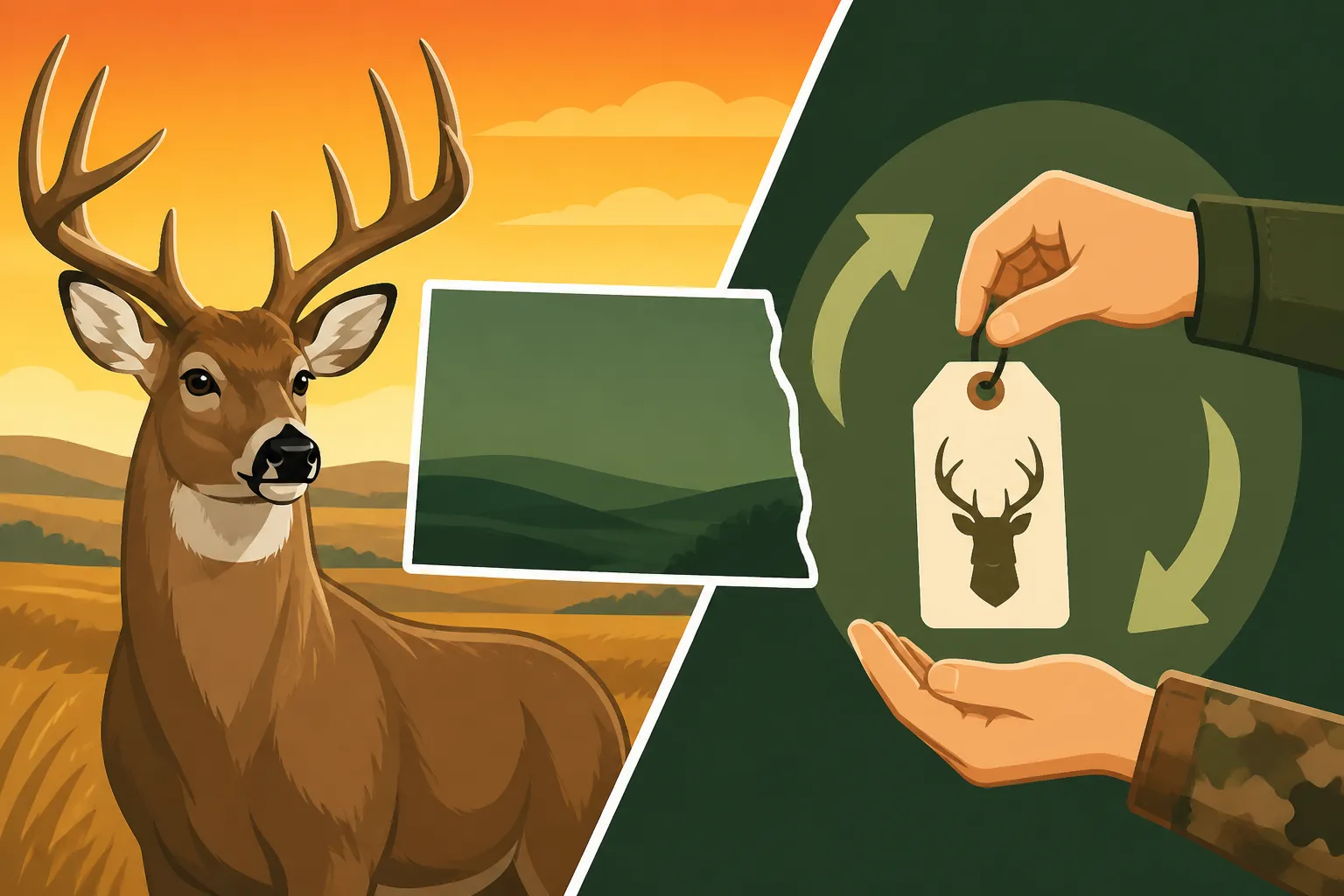
Let's cut right to the chase because this is where many hunters face a tough reality check: generally speaking, a North Dakota deer tag is issued to a specific individual and is not transferable to another person. This isn't just a suggestion; it's a fundamental tenet of wildlife management and licensing in the state. The North Dakota Game and Fish Department (NDGFD) issues licenses and tags based on a lottery system, specific applications, and individual eligibility, all tied to one hunter's name and unique identification.
Imagine the chaos and unfairness if tags could just be swapped around like trading cards. The integrity of the lottery system, which aims to provide fair opportunities to all applicants, would be completely undermined. If a hunter who drew a prime tag could simply hand it off to someone else who didn't draw, it would defeat the purpose of the draw itself. This strict policy is in place to ensure equity among hunters and to maintain accurate harvest data crucial for managing the state's deer population. Every tag represents an opportunity allocated to one person, and that allocation is final for that season.
Why Individual Accountability Matters
The core reason behind non-transferability boils down to individual accountability. When you apply for and receive a North Dakota hunting license and deer tag, you are acknowledging responsibility for adhering to all hunting regulations. This includes everything from legal weapon requirements to bag limits and reporting your harvest. If tags were transferable, tracking who was responsible for a particular harvest or violation would become nearly impossible. Law enforcement relies on the license and tag being explicitly linked to the hunter in possession of the animal.
Furthermore, the state uses harvest data, often tied to individual tags, to estimate population health and inform future hunting season structures. If multiple people could hunt under one tag, or if tags were constantly changing hands, the data would become unreliable, making it difficult for biologists to make sound management decisions. This might seem like a small detail when you're just trying to get a friend out hunting, but it's part of a much larger system designed to protect the resource for everyone.
Understanding the Tagging Requirements
When you successfully harvest a deer in North Dakota, the law requires you to immediately attach your specific deer tag to the animal. This tag, bearing your name and license information, must remain with the carcass until it reaches its final destination for processing or storage. The physical act of tagging confirms that you, the license holder, are the one who harvested that animal. This is a crucial step that reinforces the non-transferable nature of the tag. It's not just about having a tag; it's about having your tag, issued specifically to you for that hunting opportunity. Without your tag properly affixed, you could face severe penalties, even if you technically have a valid license at home.
The Strict Reality: When You Cannot Transfer Your Deer Tag
It’s important to be crystal clear about the scenarios where attempting to transfer a deer tag is illegal. These situations, while often born out of good intentions, can lead to serious legal repercussions for both the original tag holder and the person attempting to use the transferred tag. North Dakota Game and Fish wardens are vigilant about these violations, and ignorance of the law is not an acceptable defense.
Let's break down some common, yet strictly forbidden, "transfer" scenarios:
Giving Your Tag to a Friend or Family Member Who Didn't Draw
This is perhaps the most common temptation. A friend didn't draw a tag, or maybe they just decided they wanted to hunt last minute, and you have a tag but can't make it. You think, "Why let it go to waste?" You print off your tag or physically hand it over, telling them to just put it on a deer. This is absolutely illegal. The tag belongs to you, and only you are authorized to use it. If your friend harvests a deer and places your tag on it, they are hunting without a valid license, and you are aiding in that violation. This is a direct affront to the lottery system and fairness among hunters.
For nonresidents, the rules can be even more restrictive, especially concerning public land access during certain periods. If you're a nonresident who secured a tag, you still have to abide by rules such as the "How Many Days Nonresidents Wait for Public Land Bow Access" restriction, further emphasizing that the license and tag are individual. Trying to skirt these rules by transferring a tag is a surefire way to get into trouble.
Selling or Bartering Your Tag
While less common, some individuals might consider trying to sell their tag if they can't use it, especially if it's for a desirable unit. This is unequivocally illegal and carries even more severe penalties than simply giving it away. Selling or bartering a state-issued hunting license or tag is considered trafficking and is taken very seriously by law enforcement. These tags are not commodities to be bought and sold on the open market. They represent a privilege granted by the state, not a personal asset.
Using a Tag for a Deer Harvested by Another Person
Imagine you're hunting with a group, and someone else shoots a deer. They don't have a tag, or maybe they've already filled theirs. You, with an unfilled tag, offer yours to tag their animal. This is also illegal. The person who physically harvests the deer is the one whose tag must be affixed to it. Using your tag for an animal taken by someone else is essentially poaching, as it misrepresents the actual hunter and circumvents the bag limits and licensing requirements. This situation is particularly common during "Deer Drives With Three or Four Hunters" where communication needs to be precise about whose tag goes on which animal.
| Scenario for Tag Use | Legality in North Dakota | Potential Consequences |
|---|---|---|
| Hunter A draws tag, gives to Hunter B. | ILLEGAL | Misdemeanor, fines, license revocation for both. |
| Hunter A sells their drawn tag to Hunter B. | ILLEGAL (Trafficking) | Felony charges, significant fines, extensive license revocation. |
| Hunter A shoots a deer, Hunter B tags it. | ILLEGAL | Misdemeanor, fines, license revocation for both. |
| Hunter A uses their own tag on their own harvested deer. | LEGAL | Compliant with state law. |
| Hunter A draws an antlerless tag, then wants to upgrade to an "any-deer" tag. | ILLEGAL (Tag type cannot be changed) | Must hunt within the specific tag type drawn. |
What Happens If You Violate North Dakota's Tag Transfer Rules
The consequences for violating North Dakota's deer tag transfer rules are not minor. They are designed to deter illegal activity and maintain the integrity of the state's hunting system. It's not just a slap on the wrist; these violations can significantly impact your ability to hunt in North Dakota, and potentially other states, for years to come.
Legal Penalties: Fines and Imprisonment
Attempting to transfer a deer tag, or hunting with a tag that isn't yours, can result in substantial fines. These fines vary depending on the severity of the offense and whether it's a first-time or repeat violation. In some cases, particularly for more egregious acts like selling a tag or repeat offenses, it can even lead to misdemeanor or felony charges, potentially resulting in jail time. The financial burden alone can be significant, far outweighing the perceived benefit of "not wasting" a tag or helping a friend out.
Beyond the initial fines, there are often additional court costs and administrative fees that can pile up, turning a simple mistake into a very expensive lesson. The exact "North Dakota Wildlife Violation Penalties" are outlined by state statute and are applied rigorously by the courts.
Loss of Hunting Privileges
Perhaps the most devastating consequence for any avid hunter is the loss of hunting privileges. The North Dakota Game and Fish Department has the authority to revoke your hunting license and prohibit you from purchasing future licenses for a specified period, often several years. This revocation can extend to all hunting, fishing, and trapping privileges. Moreover, North Dakota is part of the Interstate Wildlife Violator Compact, meaning that a license revocation in North Dakota can, and often will, be recognized and enforced by other member states. This means a violation in North Dakota could prevent you from hunting in your home state or any other state that is part of the compact.
This loss isn't just for a single season; it can span multiple years, making you miss out on many hunting opportunities and potentially even future lottery draws for coveted species like elk or moose. The thought of losing the ability to participate in North Dakota's Lottery-Based Deer Gun Season for years is enough to make most hunters think twice about bending the rules.
Reputation and Trust
While not a legal penalty, the damage to your reputation among the hunting community can be significant. Hunters value ethical behavior and adherence to the law. Being caught violating tag transfer rules can lead to a loss of trust from fellow hunters, landowners, and the broader conservation community. It can also make it difficult to gain permission to hunt on private land in the future, as landowners are increasingly wary of individuals who show a disregard for regulations. Platforms and communities dedicated to ethical hunting, like those discussing "North Dakota Deer Camp Traditions", strongly frown upon such practices.
Navigating the System: What to Do If You Can't Use Your Tag
So, if you can't transfer your tag, what are your options when life gets in the way? While they might not be as satisfying as seeing your tag used by someone else, there are legitimate avenues to explore.
Understand Refund Policies
In certain, very specific circumstances, the North Dakota Game and Fish Department might offer a refund for a deer tag. However, these situations are typically very limited and often require extenuating circumstances, such as the death of the license holder or certain medical emergencies that prevent hunting. It's crucial to understand the "North Dakota Deer License Refund Policy" by checking the official NDGFD website or contacting them directly. Don't assume a refund is automatic or guaranteed. Generally, if you simply change your mind or a minor inconvenience arises, a refund is unlikely.
Focus on Other Opportunities
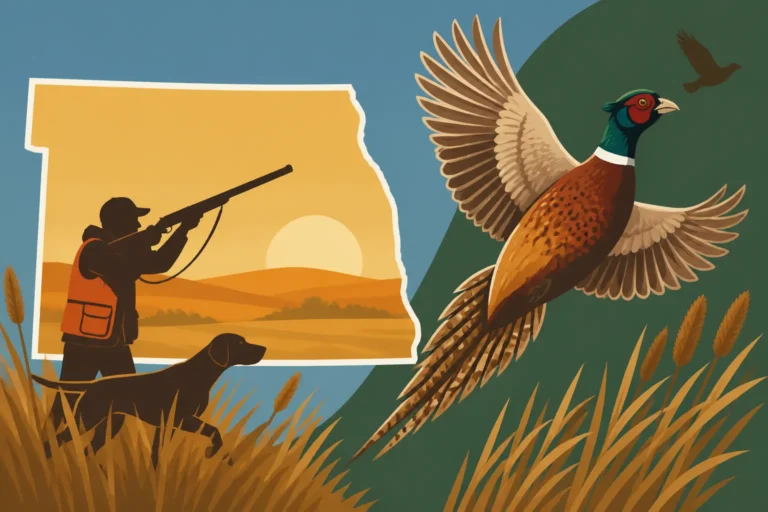
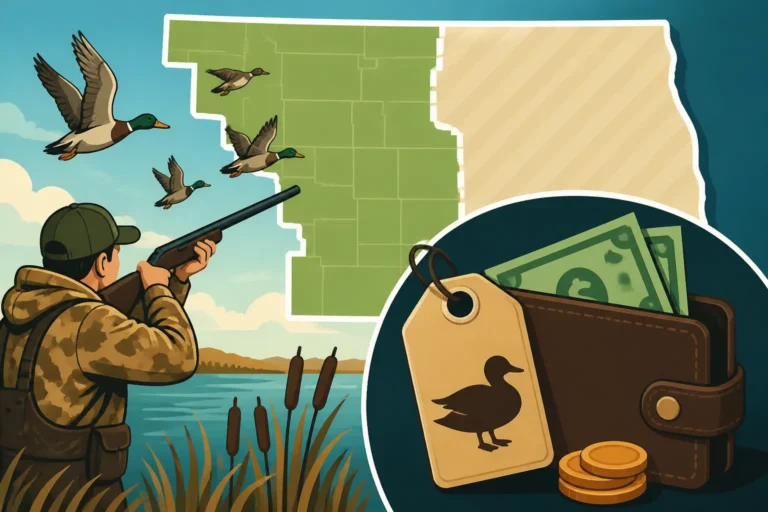
If your specific deer tag goes unused, it's certainly a bummer, but it doesn't mean your hunting season is a complete washout. North Dakota offers a plethora of other hunting opportunities. You might consider "Pheasant Hunting North Dakota's Prairie" or "Duck and Goose Hunting North Dakota's Potholes," which often have more readily available licenses or over-the-counter options. Sometimes, the best way to cope with a lost deer opportunity is to pivot to another exciting pursuit. Using tools like GoHunt to explore alternative hunting opportunities or species in the state can be incredibly helpful. Their maps and scouting layers can show you where other game animals might be more accessible.
Ethical Considerations and Future Planning
An unused tag, while disappointing, is sometimes just a part of hunting. It happens to the best of us. Instead of trying to circumvent the rules, take it as a learning experience. For future seasons, consider how you might better plan your hunting trips. Are there ways to mitigate risks, like scheduling vacation time more carefully or having a contingency plan?
Remember that every tag drawn represents a finite resource allocation. If you can't use your tag, the deer population in that unit essentially has one less harvest pressure for the season, which contributes to overall management goals. While it might feel like a personal loss, it's also part of the larger conservation picture. If you're passionate about staying informed, resources like GoHunt can keep you up-to-date on draw odds, unit changes, and regulations, helping you plan better for successful and ethical hunts in the future. Their platform provides invaluable data for hunters looking to maximize their chances legally and effectively. This detailed planning, perhaps including "Scouting PLOTS Land Before Season" with the GoHunt app, helps reduce the chances of drawing a tag you ultimately can't use.
The Importance of Reporting Unused Tags
While not always mandatory for deer tags specifically, some states do have provisions for reporting unused tags. Always check the current year's North Dakota hunting proclamation. Even if not required, knowing that your tag went unused is data that can be helpful for the NDGFD in understanding hunter participation and effort. They also have "North Dakota Deer Reporting Requirements" for harvested animals, which is mandatory. This data helps them fine-tune quotas and manage the herd more effectively.
Disclaimer
Please remember that hunting regulations can change. While this guide provides comprehensive information based on current understanding, it is always your responsibility to consult the most recent North Dakota Game and Fish Department official proclamations and regulations before participating in any hunting activity. This content is for informational purposes only and does not constitute legal advice.