Cost of the Zone-Restricted Waterfowl License
Navigating the complexities of hunting licenses and their associated costs can feel like deciphering a secret code, especially when you’re looking at something as specific as North Dakota’s zone-restricted waterfowl license. It’s not just about the sticker price; it’s about understanding what that price covers, what other licenses you might need, and how all these pieces fit together to ensure you’re hunting legally and responsibly on the sprawling prairies. This guide aims to clear up that confusion, offering a realistic look at the financial commitment and legal requirements for chasing ducks and geese in the Peace Garden State.
Understanding the Zone-Restricted Waterfowl License Costs
For non-resident waterfowl hunters eyeing North Dakota's famed flyway, the zone-restricted waterfowl license is a crucial, and often misunderstood, component of your hunting budget. It's not just a standalone fee; it’s part of a larger licensing framework that ensures proper management of the state's incredible migratory bird resources. The primary purpose of this specific license is to manage non-resident hunting pressure, particularly during the early days of the season when local birds and early migrants are most abundant.
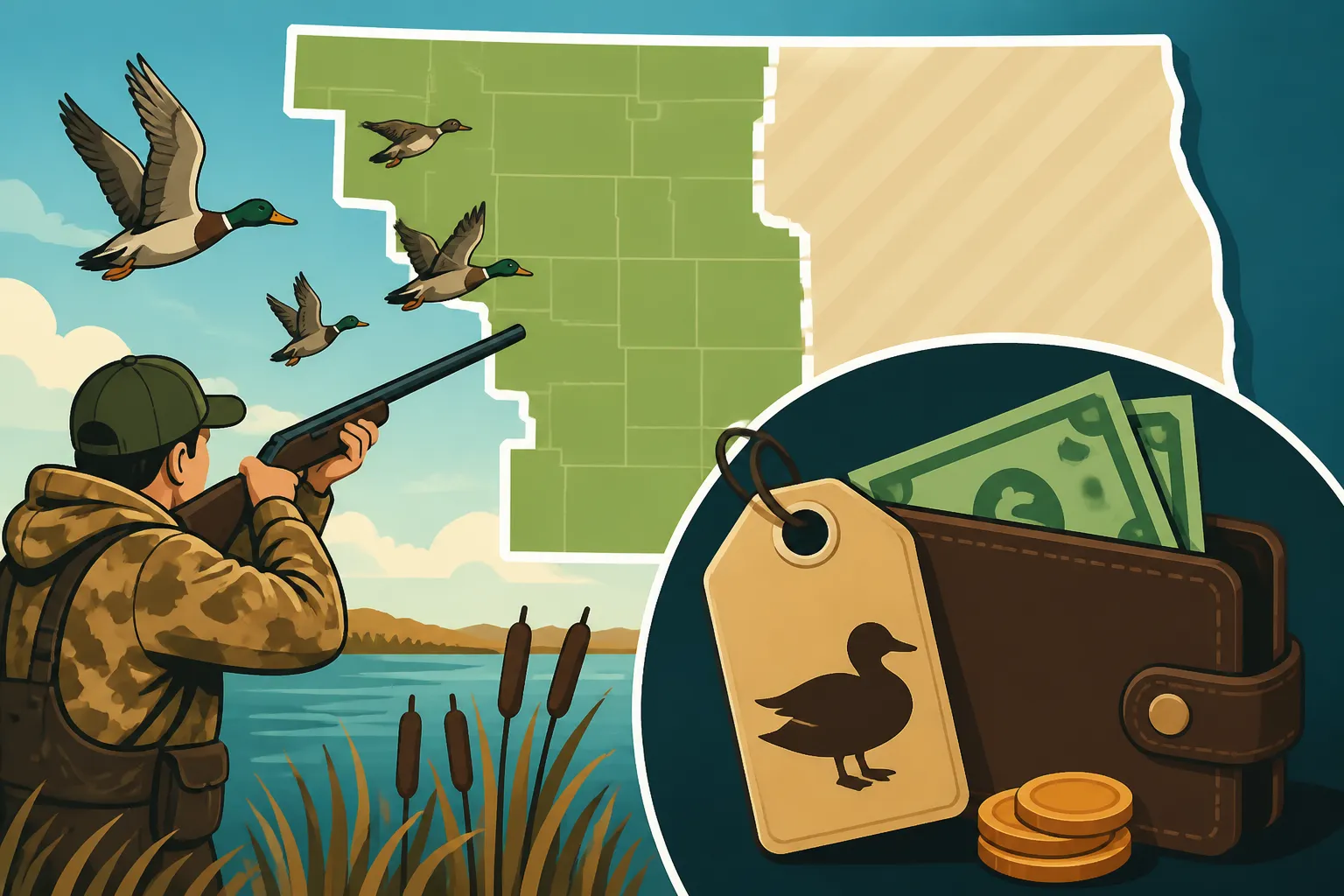
The cost of the North Dakota nonresident zone-restricted waterfowl license itself is currently $175. This fee grants you the privilege to hunt waterfowl in specific zones during certain periods, primarily after the initial resident-priority days. It's a significant investment, but it reflects the quality of hunting opportunities available in North Dakota. This license is designed to balance the interests of residents and the economic benefits non-residents bring, while also sustaining healthy waterfowl populations. It’s important to note that this $175 is one piece of your total licensing cost. Many hunters planning a trip will use resources like GoHunt to break down these costs and understand all the requirements before they even pack their bags.
Breaking Down the Base Cost and Additional Requirements
Beyond the specific $175 for the zone-restricted waterfowl license, non-residents will need to purchase several other licenses and stamps to legally hunt waterfowl in North Dakota. It's a layered system, and missing even one component can turn a successful hunt into a legal headache.
First, every hunter in North Dakota, resident or nonresident, must purchase a General Game and Habitat License. For non-residents, this license costs $30. It’s the foundational license that allows you to purchase other specific hunting privileges. Think of it as your entry ticket to the North Dakota hunting landscape. Without this, you can’t buy any of the other tags or stamps needed for waterfowl. It’s a common point of confusion, with many hunters assuming they can just buy the waterfowl specific license, but the General Game and Habitat License is a mandatory prerequisite.
Next up is the North Dakota Migratory Bird Stamp, which costs $10. This state-specific stamp contributes directly to waterfowl habitat conservation efforts within North Dakota, helping to ensure that the rich prairie potholes remain viable breeding and staging grounds for generations of ducks and geese. It's a small fee, but it plays a big role in supporting the very resources you're coming to enjoy.
Finally, you’ll need a Federal Duck Stamp. This stamp, mandated by the U.S. Fish and Wildlife Service, costs $25 and is required for all waterfowl hunters aged 16 or older across the entire country. Like the state migratory bird stamp, funds from the Federal Duck Stamp go directly to conserving wetlands and waterfowl habitat. You can purchase this at most post offices, sporting goods stores, or even online. It's a universal requirement for waterfowl hunting, so if you've hunted ducks or geese anywhere else in the U.S., you're likely already familiar with it.
The Nuances of the Zone-Restriction Period
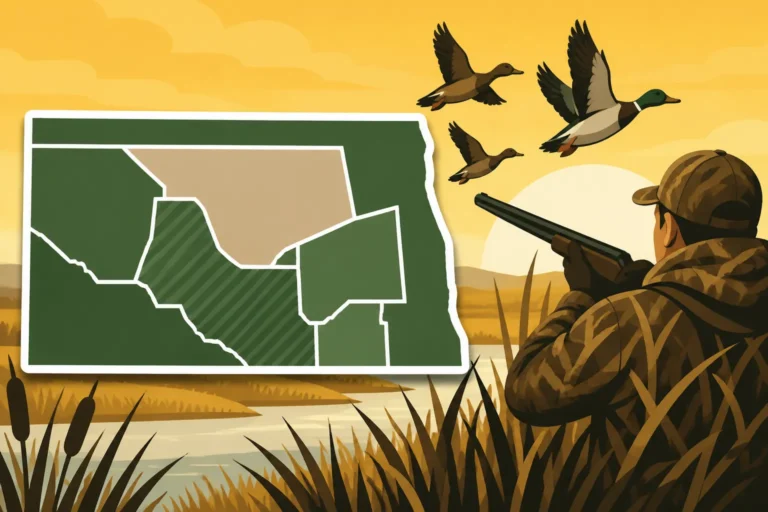
The "zone-restricted" aspect of this license often causes the most questions, particularly for those planning their first North Dakota waterfowl adventure. The key takeaway is that this license manages when and where non-residents can hunt during the initial part of the season. Historically, there have been periods of time, typically the first 9-10 days of the waterfowl season, where non-residents have been restricted to specific zones or even entirely from hunting on public land.
This restriction is in place to provide resident hunters with priority access to North Dakota's abundant waterfowl during the early season, when hunting pressure can be particularly high. While the exact rules can shift slightly from year to year, the general principle remains. After these initial resident-priority days, the zone restrictions for non-residents usually ease, allowing access to a wider range of hunting opportunities, including many of the state's public lands. It’s crucial to understand these dates, which you can typically find in the North Dakota Game and Fish Department’s official waterfowl guide each year. This is where researching details like North Dakota's New Nonresident Waterfowl Rule becomes vital. Knowing these dates helps you plan your trip to align with when your zone-restricted license will be most effective, allowing you to legally pursue birds in areas like the famous Prairie Pothole Region.
Calculating Your Total Waterfowl Licensing Expenses
When you add up all the necessary components, the total cost for a non-resident to legally hunt waterfowl in North Dakota can be more than just the $175 for the zone-restricted permit. It's essential to factor in every item to avoid any surprises or legal issues once you're in the field.
Let's break it down in a clear, easy-to-understand table:
| License/Stamp | Cost (Non-resident) | Purpose |
|---|---|---|
| General Game and Habitat License | $30 | Foundational license required for all other hunting privileges in North Dakota. |
| Zone-Restricted Waterfowl License | $175 | Allows non-residents to hunt waterfowl, often after an initial resident-priority period and sometimes within specific zones. |
| North Dakota Migratory Bird Stamp | $10 | State stamp for waterfowl habitat conservation within North Dakota. |
| Federal Duck Stamp | $25 | National stamp required for all waterfowl hunters 16+; funds national wetland conservation. |
| Total Minimum Cost | $240 | The minimum total cost for a non-resident waterfowl hunter to be fully licensed in North Dakota. |
This table represents the minimum cost. Other factors, such as applying for specific tags or permits, or purchasing additional small game licenses if you plan to combine your waterfowl hunt with upland bird hunting, could add to this total. It’s always a good practice to consult the official North Dakota Game and Fish Department website or use reliable hunting planning tools like those found on GoHunt, which can help you verify current regulations and costs, ensuring you’re fully compliant before you travel.
Understanding the Nonresident Waterfowl License Options
It's also worth noting that the "zone-restricted" license is just one of the North Dakota Nonresident License Options available. The structure of nonresident waterfowl licenses has seen changes over the years, often influenced by population trends, hunter numbers, and conservation goals. While the zone-restricted license is the most common for non-residents targeting ducks and geese, it’s wise to confirm if any other specific nonresident waterfowl options exist for your particular hunting dates or preferred areas.
The North Dakota Game and Fish Department periodically evaluates its licensing structure to ensure sustainable hunting opportunities. This often means that rules regarding nonresident access, specific zones, and hunting days can be adjusted. For example, some years might see variations in the exact length of the resident-priority period, or slight modifications to designated hunting zones for non-residents. This is why staying up-to-date with the official regulations annually is so crucial. A quick check of the latest regulations will also inform you about critical requirements like North Dakota Migratory Bird Certification, which is necessary for all migratory bird hunters.
Beyond the License: Other Essential Considerations
While understanding the cost and necessity of your zone-restricted waterfowl license is paramount, a successful North Dakota waterfowl hunt involves much more than just a valid tag. Preparing for the unique challenges and opportunities of hunting the prairie potholes requires forethought and planning, covering everything from gear to ethics.
One often-overlooked but crucial requirement is Hunter Education. If you were born after December 31, 1961, you’ll need to complete a hunter education course to hunt in North Dakota, unless you are hunting under the Mentored Youth Hunting rules. This isn't just a formality; it's about safety and responsible hunting practices, especially when you consider the sheer number of hunters who might be out during peak season. You can often take these courses online, making it convenient to get certified before your trip.
Planning for Your Waterfowl Hunt
Beyond the paperwork, logistical planning is key. North Dakota offers diverse waterfowl hunting experiences, from setting out elaborate Decoy Spreads for Prairie Pothole Mallards to using Layout Blind Hunting in a Cut Wheat Field for geese. Each scenario requires different gear, strategies, and often, specific permission or access. For example, understanding how to utilize areas like North Dakota Waterfowl Production Areas for public land hunting can make or break a trip.
Remember that North Dakota Duck and Goose Bag Limits are strictly enforced, so knowing these before you hunt is non-negotiable. Exceeding your daily bag or possession limit can result in hefty fines and license revocation. Always carry a copy of the current regulations with you, whether it’s a physical booklet or the official ND Game and Fish app on your phone. Many hunters also rely on mapping tools from services like GoHunt to scout potential areas, locate public access, and understand land ownership boundaries, which is invaluable for a successful and legal hunt.
Respecting the Resource and Other Hunters
Finally, it’s imperative to remember that North Dakota’s waterfowl resources are a shared privilege. Ethical hunting practices are not just rules to follow, but a way of demonstrating respect for the wildlife, the land, and your fellow hunters. This includes everything from proper bird identification to avoid shooting protected species, to retrieving every downed bird, and being mindful of other hunting parties. The resident-priority days, often referred to as Hunting North Dakota's Nine Resident-Only Waterfowl Days, are a stark reminder of the importance of managing pressure and fostering good relationships between all hunters. By understanding and respecting the regulations, including the cost and intent of the zone-restricted waterfowl license, you contribute to a positive and sustainable hunting future for North Dakota's incredible flyway.
Disclaimer
Please note that hunting regulations, license costs, and season dates are subject to change. While every effort has been made to provide accurate and up-to-date information, it is the hunter's responsibility to verify all regulations with the North Dakota Game and Fish Department directly before engaging in any hunting activities. This guide is for informational purposes only and should not be considered legal advice.