North Dakota Deer Damage Permits for Farmers
It's an unfortunate reality for many North Dakota farmers: the deer population, while a cherished natural resource for hunters, can become a significant nuisance – and a costly one – when they decide your crops, hay bales, or winter feed are their personal buffet. The damage can be devastating, impacting livelihoods and causing immense frustration. This guide will walk you through everything you need to know about North Dakota's Deer Damage Permit program, a crucial tool designed to help agricultural producers mitigate these losses.
Understanding North Dakota Deer Damage Permits
Deer damage permits are a specific management tool employed by the North Dakota Game and Fish Department (NDGFD) to assist agricultural producers who are experiencing significant economic losses due to deer activity. It’s not simply about getting rid of a few deer; it’s about addressing persistent and substantial damage that impacts a farm's bottom line. These permits acknowledge that while wildlife is important, the welfare of North Dakota's agricultural industry, which is the backbone of our state, also needs protection.
The Problem of Agricultural Deer Damage
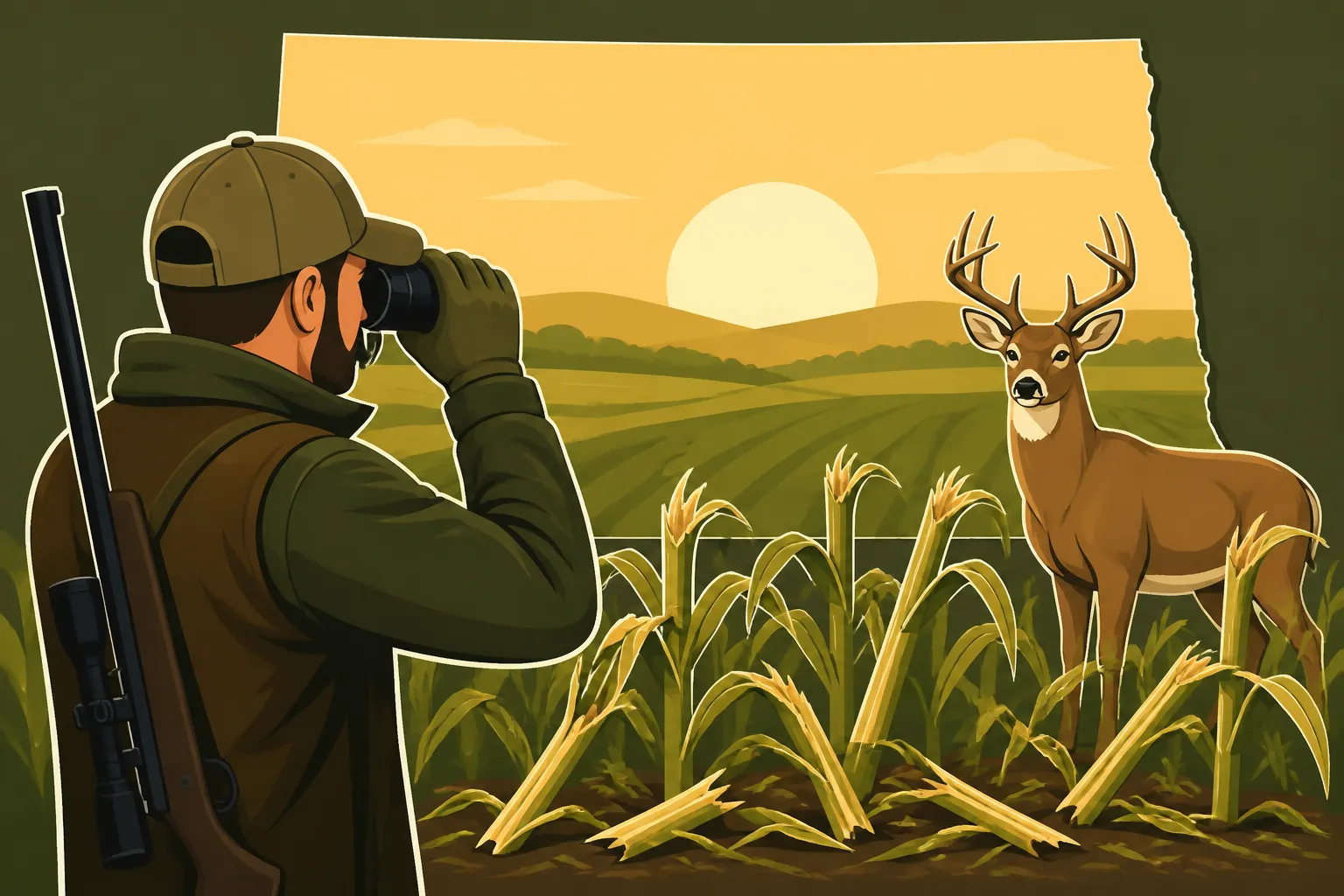
Imagine spending months cultivating your fields, pouring in resources, time, and hard work, only to watch a herd of deer systematically destroy sections of your corn, soybean, or sunflower crops. This isn't just a hypothetical scenario; it's a harsh reality for countless farmers across North Dakota. Deer are opportunists, and when natural forage becomes scarce, or when crops offer a more readily available, nutrient-rich option, they will gravitate towards agricultural fields. The damage isn't limited to consumption. Deer can trample crops, contaminate silage, tear up fences, and even cause significant stress to livestock by competing for food sources, particularly in winter. The financial impact can be staggering, leading to reduced yields, increased repair costs, and a constant battle against wildlife that feels unending. This ongoing struggle is precisely why programs like the Deer Damage Permit exist, offering a direct response to a very real and persistent economic threat. Without mechanisms to control localized populations causing damage, the conflict between wildlife and agriculture would be far more severe and detrimental to both parties.
How the Permit System Helps Farmers
The Deer Damage Permit system provides a direct, legal avenue for farmers to take action against deer causing severe damage outside of the regular hunting seasons or when conventional hunting efforts aren't sufficient. Essentially, it allows an eligible landowner or operator to remove a limited number of deer that are actively causing depredation on their property. This isn't a free-for-all; it's a carefully regulated program designed to target problem animals while adhering to sound wildlife management principles. The goal is to reduce the immediate damage and disperse the offending deer, thereby protecting agricultural assets. By allowing for the targeted removal of deer, the NDGFD aims to alleviate immediate pressure on crops and feed, helping to prevent further financial hardship for producers. It’s a recognition that some localized deer populations can exceed the land’s carrying capacity in relation to human interests, particularly in intensely farmed areas where natural habitat might be fragmented or limited. The permits serve as a critical safety valve, preventing agricultural losses from becoming catastrophic.
Eligibility and Application Process for Damage Permits
Getting a deer damage permit isn't as simple as calling up Game and Fish and asking for one; there’s a structured process to ensure the permits are issued to those genuinely experiencing significant damage. This helps maintain the integrity of the program and ensures it's used as intended – as a last resort or an effective supplementary tool when other methods fall short.
Who Qualifies for a Damage Permit
Eligibility for a North Dakota Deer Damage Permit primarily revolves around demonstrating significant economic damage caused by deer to agricultural crops, hay, feed, or other farm property. Generally, you need to be a landowner or a tenant farmer actively engaged in agricultural production. The key is significant damage; minor browsing on a few plants won't typically qualify. The NDGFD will assess the situation, often through on-site visits by a wildlife biologist or game warden, to verify the extent and nature of the depredation. They look for clear evidence of sustained damage that is impacting your livelihood. For instance, if you have a significant portion of your standing corn crop being consistently flattened and consumed, or if deer are routinely destroying stored hay bales, these are strong indicators of qualifying damage. Furthermore, the property must often be closed to public deer hunting during the regular season, or at least have had limited hunting pressure, demonstrating that traditional hunting methods haven't been sufficient to alleviate the problem. This ensures that the permits aren't simply a workaround for issues that could be resolved through conventional hunting access. It's about addressing a genuine, measurable problem.
Steps to Apply for a Deer Damage Permit
The application process for a North Dakota Deer Damage Permit requires a bit of communication and coordination with the North Dakota Game and Fish Department. Here’s a breakdown of the typical steps:
- Contact Your Local Game and Fish Office: The very first step is to reach out to the appropriate district Game and Fish office. You'll explain the nature of the damage you're experiencing, where it's occurring, and the estimated extent of the losses. They will then initiate the process. You can find contact information for district offices on the NDGFD website.
- On-Site Investigation: A Game and Fish representative, usually a district game warden or wildlife biologist, will schedule a visit to your property. During this visit, they will personally assess the damage, confirm that deer are indeed the culprits, and determine if the damage meets the department's criteria for issuing a permit. This assessment is critical. They might also inquire about previous hunting pressure on your land during the regular seasons, as part of understanding the local deer population dynamics.
- Permit Issuance: If your situation qualifies, the NDGFD will issue a Deer Damage Permit. This permit will specify the number of deer allowed to be taken, the species (usually whitetails, but mule deer in certain areas), the sex of the animals (often antlerless to target population control), the timeframe the permit is valid, and any specific conditions or restrictions on its use. It's vital to read and understand every detail on this permit.
- Selecting Authorized Shooters: Often, the landowner or operator can designate individuals to harvest the deer under the permit. These individuals must typically possess a valid North Dakota hunting license, even though they are operating under a damage permit. Ensure anyone you designate understands all the rules and limitations.
- Reporting Harvests: Once deer are taken under the permit, prompt and accurate reporting to the NDGFD is mandatory. This includes details like the date of harvest, sex of the animal, and sometimes biological samples depending on the unit, particularly if it falls within North Dakota's Fourteen-Unit CWD Zone. Failure to report harvests can lead to future permit denials or other penalties. This data is crucial for the department to monitor the effectiveness of the program and manage deer populations.
The process is designed to be thorough, ensuring that these permits are issued responsibly and effectively address the issue of deer depredation.
Using Your North Dakota Deer Damage Permit Effectively
Once you have a deer damage permit in hand, understanding its proper use is paramount. These aren't blanket licenses to hunt year-round; they come with specific rules and responsibilities that must be strictly followed. Misusing a permit can lead to serious consequences, including fines and revocation.
Permit Usage Guidelines and Restrictions
Deer damage permits are issued with precise guidelines to ensure they are used appropriately and don't undermine broader wildlife management efforts. First and foremost, the permit will specify the number of deer that can be harvested. This isn't an open-ended quota; it's a targeted number based on the assessed damage. For instance, a permit might allow for the removal of three antlerless whitetails. The species and sex will also be clearly defined – usually antlerless deer to directly impact population growth.
The timeframe for the permit's validity is also critical. These aren't year-long passes; they're often valid for a specific period, perhaps during critical crop development or after the regular hunting season has closed. You can't just take deer any time you please.
Furthermore, the permit will stipulate the location where deer can be taken, usually limited to the specific fields or areas where damage is occurring. You can't take deer off your neighbor's property or in areas not experiencing damage. The method of take might also be restricted, though typically standard firearms are allowed. Be aware of any rules regarding baiting or shooting hours, which may or may not align with regular hunting season rules.
It's also important to remember that these permits are for damage control, not recreational hunting. The intent is to remove animals causing harm, not to provide additional hunting opportunities. The meat from deer taken under damage permits must typically be either consumed by the permit holder, donated, or properly disposed of. Selling venison taken under a damage permit is generally not allowed. Finally, anyone shooting under the permit must possess a valid North Dakota hunting license and often be approved by the NDGFD. Always keep the permit on your person while exercising its privileges.
Reporting Requirements and Data Collection
Accurate and timely reporting is a non-negotiable aspect of using a North Dakota Deer Damage Permit. Every deer harvested under the permit must be reported to the North Dakota Game and Fish Department as specified in the permit's conditions. This typically involves contacting your local game warden or district office within a very short timeframe, often within 24 or 48 hours of the kill. You'll need to provide details such as the date and time of harvest, the sex of the animal, and possibly other information like location or approximate age.
Why is this so crucial? First, it ensures accountability. The NDGFD needs to track how many deer are being removed under these permits to prevent misuse and to monitor localized deer populations. Second, the data collected from these reports is invaluable for broader wildlife management strategies. For example, understanding the number of deer removed through damage permits in a specific Game Management Unit (GMU) can influence future decisions regarding the allocation of general deer gun season licenses, particularly antlerless tags. This data complements the information gathered from hunters during the regular North Dakota's Lottery-Based Deer Gun Season and the overall North Dakota Deer Harvest Records.
The NDGFD uses all available data, including damage permit reports, to create a comprehensive picture of deer populations and their impact across the state. This helps them make informed decisions about herd health, population trends, and how to best manage these animals to minimize conflict with human interests while sustaining a healthy wildlife resource. Failing to report a harvest could not only result in penalties but also skew the data, potentially leading to less effective management decisions down the road. Treat reporting as seriously as you do the harvest itself.
Integrating Damage Permits with Broader Deer Management Strategies
Deer damage permits aren't a standalone solution; they are one piece of a much larger puzzle in managing North Dakota's deer populations. They work in conjunction with regular hunting seasons, habitat management, and proactive measures to achieve a balanced approach. Understanding this broader context helps farmers appreciate how these permits fit into the overall picture.
Balancing Damage Control with Public Hunting
The North Dakota Game and Fish Department faces the ongoing challenge of managing deer populations to provide ample hunting opportunities while minimizing conflicts with agricultural interests. Deer damage permits are a crucial tool in this balancing act. For example, if a particular area or Game Management Unit (GMU) is experiencing significant agricultural depredation, the NDGFD might increase the number of antlerless tags available during the regular hunting season for that specific unit. This aims to encourage hunters to harvest more female deer, which directly impacts the reproductive potential and overall population growth, potentially reducing future damage. The permits themselves are typically considered after regular hunting efforts have been exhausted or proven insufficient. In some cases, a farmer might have closed their land to general public hunting to protect their property during the season. If damage still occurs, a permit provides a necessary outlet.
The goal is to maintain a healthy and huntable deer population, which also means ensuring that the public has sufficient access and opportunity, whether through general licenses or programs like North Dakota Landowner Preference Rules. Information gathered from damage permit use helps biologists understand localized population densities, especially when combined with data from aerial surveys and general harvest reports, like the North Dakota Deer Population Estimate. This integrated approach ensures that decisions about deer management are holistic, considering both the needs of the wildlife and the needs of the state's residents, including its vital agricultural community. GoHunt, with its detailed mapping and harvest data analytics, can even help hunters and landowners understand deer densities in specific areas, potentially informing where hunting pressure might be most effective in mitigating damage.
Proactive Measures to Minimize Deer Damage
While damage permits are an essential reactive tool, many farmers also employ proactive strategies to reduce deer depredation before it becomes severe enough to warrant a permit. These measures can often prevent the problem from escalating and reduce the overall need for permits.
One common strategy is habitat modification. This can involve planting alternative food sources away from cash crops or maintaining natural cover that keeps deer closer to forested areas or river bottoms rather than out in open fields. Understanding Late-Season Food Sources for North Dakota Whitetails can help guide these efforts, as deer will seek out palatable options.
Fencing is another effective, albeit often costly, method. Electric fences, particularly those with multiple strands, can deter deer from entering fields. Physical fences, while more expensive to install, offer a long-term solution. Farmers might also use scare tactics, such as propane cannons, flashing lights, or even guard dogs, though deer often habituate to these over time.
Strategic planting choices and timing can also play a role. Some farmers might plant less palatable crops on field edges or delay planting certain crops to avoid peak deer activity periods. Regularly monitoring fields, perhaps using scouting techniques similar to those employed by hunters (though on a larger scale), can also help identify early signs of damage and allow for quicker intervention. Utilizing mapping tools, perhaps similar to how hunters Scouting PLOTS Land With the ND Hunt App or those using detailed subscription services like GoHunt, can help farmers identify patterns of deer movement and pinpoint vulnerable areas. For instance, knowing where deer commonly cross a section line or where they prefer to feed in a Hunting a Standing Corn Field for Deer scenario can inform where to focus deterrent efforts. It's about thinking like a deer and anticipating their movements to protect your investment.
North Dakota Deer Damage Permit Overview
Here's a quick summary of the key aspects of North Dakota Deer Damage Permits:
| Aspect | Description |
|---|---|
| Purpose | To mitigate significant agricultural damage (crops, hay, feed, property) caused by deer. |
| Eligibility | Landowners/operators demonstrating verifiable, significant economic loss due to deer, often where regular hunting has been insufficient or restricted. |
| Application Process | Contact NDGFD, on-site damage assessment, permit issuance, designated shooters, mandatory reporting of harvests. |
| Permit Details | Specifies number of deer, species (e.g., antlerless whitetail), sex, valid dates, and location (specific fields). |
| Shooter Requirements | Designated shooters must typically hold a valid North Dakota hunting license. |
| Reporting | Mandatory, timely reporting of all harvested deer to NDGFD for accountability and data collection. |
| Meat Disposal | Typically for personal consumption, donation, or proper disposal; generally not for sale. |
| Role in Management | Integrates with regular hunting seasons, population estimates, and proactive measures to achieve balanced deer management. |
Disclaimer
Please remember that hunting regulations and wildlife management policies are subject to change. Always consult the most current North Dakota Game and Fish Department proclamations and regulations before engaging in any hunting or wildlife management activities. This guide is for informational purposes only and should not be considered legal advice.