North Dakota Turkey Checking Requirements
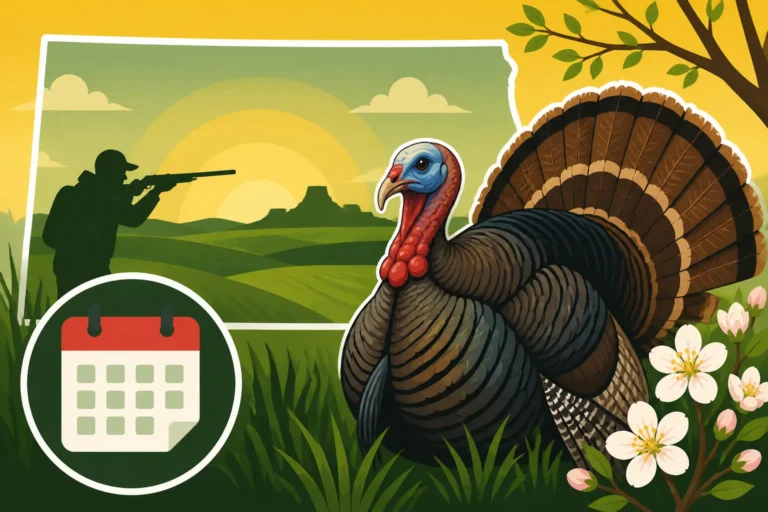
Harvesting a wild turkey in North Dakota is an exhilarating experience, but the excitement often gives way to a bit of confusion when it comes to the mandatory checking requirements. It’s easy to get lost in the regulations, wondering exactly how and when you need to report your hard-earned bird. This guide will walk you through every detail of North Dakota's turkey checking process, ensuring you stay compliant and understand the 'why' behind each step.
Why Reporting Your North Dakota Turkey is Crucial
You might think checking your turkey is just another bureaucratic hoop to jump through, but it's actually a vital part of wildlife management. Every single hunter's report contributes to a larger dataset that the North Dakota Game and Fish Department (NDGFD) uses to make informed decisions about future seasons, tag allocations, and conservation efforts. Without accurate data, it's impossible to properly manage a healthy wild turkey population across the state.
Ensuring Accurate Population Management
Imagine trying to manage a bank account without knowing how much money is coming in or going out. That's essentially what wildlife management would be like without harvest data. By collecting information on every turkey harvested – like where it was taken, its sex, and age – the NDGFD can track population trends, understand success rates, and identify areas where turkey numbers might be struggling or thriving. This isn't just about counting birds; it's about understanding the health of the entire ecosystem. For instance, if harvest numbers suddenly dip in a particular unit, it might signal an issue that needs further investigation, perhaps a tough winter or habitat loss. Your simple act of reporting provides a piece of that puzzle.
Maintaining Season Integrity and Compliance
Beyond data collection, mandatory checking ensures compliance with hunting regulations. It's a system designed to prevent overharvesting and maintain fair chase principles. When everyone reports their turkey, it reinforces the integrity of the season. If checking wasn't mandatory, it would be difficult to enforce bag limits or ensure hunters are operating within their allocated tags. The NDGFD takes these requirements seriously, and failure to comply can lead to fines or even the loss of hunting privileges. Think of it as your contribution to preserving the rich hunting tradition in North Dakota for generations to come.
Step-by-Step Guide to Checking Your North Dakota Turkey
The process for checking your turkey in North Dakota is designed to be as straightforward as possible, utilizing modern technology to make it convenient. Gone are the days of driving miles out of your way to a physical check station. Now, it's all about online or phone reporting, which means you can usually get it done right from your hunting camp or home.
Online Reporting Through the NDG&F Website
The most common and often easiest way to check your turkey is through the North Dakota Game and Fish Department's official website. You'll need access to the internet, of course, and a few pieces of information ready. Once you navigate to the harvest reporting section, you'll typically be asked for your nine-digit license number, the unit where you harvested the bird, the date of harvest, and details about the turkey itself, such as its sex and whether it had a beard (for hens, too!). It's a user-friendly interface that guides you through each step. Many hunters find it helpful to use resources like GoHunt to double-check unit boundaries or other regulations before they even head out, ensuring they have all the correct information at their fingertips when it's time to report. This pre-hunt preparation can save you a headache later.
Reporting via the NDG&F Mobile App
For those who are always on the go, or just prefer the convenience of their smartphone, the NDG&F offers a mobile app that allows you to report your turkey directly from your device. This is particularly handy if you're out in the field and have cell service. The app syncs directly with the department's system, providing the same prompts and requiring the same information as the website. It’s a great tool for staying connected and compliant, making sure your harvest is recorded promptly. Make sure your app is updated before season to avoid any technical glitches when you're ready to report. The app also has other useful features, such as showing you where to find public hunting land in North Dakota, which can be invaluable during your hunt.
Phone Reporting Options
While online and app reporting are the preferred methods, the NDG&F understands that not everyone has consistent internet access or prefers using technology. In such cases, you can still report your turkey via phone. They typically provide a dedicated toll-free number for harvest reporting. This method ensures that all hunters, regardless of their tech access, can fulfill their legal obligation. Be prepared to provide all the same details you would for online reporting, so have your license and harvest information handy. Remember, accuracy is key, no matter which method you choose.
Required Information for Checking Your Turkey
When you're ready to check your turkey, whether online, through the app, or by phone, you’ll need to have specific details at hand. This usually includes:
- Hunter's nine-digit license number: This identifies you as the license holder.
- Harvest date: The exact date you took the bird.
- Hunting unit (GMU) number: The specific unit where the turkey was harvested. This is incredibly important for regional population data.
- Turkey details:
- Sex (tom, jake, hen)
- Presence of a beard (and approximate length if possible)
- Weight (an estimate is often acceptable if you don't have a scale)
- Spur length (if applicable, for toms)
- Confirmation number: After successful submission, you’ll receive a confirmation number. Keep this number safe! It is your proof of compliance. You may be asked to provide this number if questions arise later.
Having these details written down or readily available before you start the reporting process will make it much quicker and less stressful.
Here’s a quick summary of the required information:
| Information Category | Specific Details Needed |
|---|---|
| Hunter Identification | 9-digit hunting license number |
| Harvest Details | Date of harvest (MM/DD/YYYY) |
| Location | Game Management Unit (GMU) number where the turkey was harvested |
| Turkey Attributes | Sex of the bird (Tom/Jake/Hen), Presence of beard (Yes/No), Approximate beard length |
| Approximate weight (lbs), Approximate spur length (inches, if applicable) | |
| Proof of Reporting | Confirmation number (provided upon successful submission) |
Key Deadlines and What Happens If You Miss Them
Just like any other hunting regulation, there are strict deadlines for checking your North Dakota turkey. Missing these can lead to complications, from minor frustrations to significant penalties. It’s essential to mark these dates on your calendar and prioritize reporting your harvest.
Standard Reporting Deadlines
For both spring and fall turkey seasons, North Dakota has specific deadlines for reporting your harvest. Typically, you are required to report your turkey within 72 hours of the harvest date. This isn’t a suggestion; it's a firm deadline. The NDG&F portal or app will log the submission time, so there’s no getting around it. For instance, if you bag a tom on a Saturday morning, you need to have it reported by Tuesday morning. This tight window is in place to ensure data is collected quickly and accurately, preventing delays that could skew population estimates. It's always a good practice to plan your reporting as soon as you can after the shot, especially if you're in an area with spotty cell service or plan to be away from civilization for a few days. Don't wait until the last minute!
Consequences of Late or Non-Reporting
Ignoring the checking requirements can lead to more than just a stern look. Failure to report a legally harvested turkey within the 72-hour window is considered a violation of North Dakota hunting regulations. The most common consequence is a citation and a fine. While the exact amount can vary, it's definitely not a pleasant surprise. More severe or repeated offenses could potentially impact your ability to draw future licenses or even lead to suspension of hunting privileges. The NDG&F website and app, along with resources like GoHunt, often provide reminders about these critical deadlines, but ultimately, the responsibility falls on the hunter. Don't let a moment of forgetfulness turn into a costly mistake.
Special Considerations for Specific Tags and Units
North Dakota's turkey hunting landscape can sometimes have unique rules depending on where and when you're hunting. It's vital to be aware of these special considerations, as they might affect your checking requirements or overall hunting strategy.
Standing Rock Nation Turkey Tags
Hunters participating in turkey seasons on the Standing Rock Nation's tribal lands will find that while the spirit of reporting is similar, the specific procedures might differ. The Standing Rock Nation has its own separate turkey tags and management authority, meaning their reporting requirements are distinct from the state's. Typically, you'll need to follow the reporting guidelines set forth by the Standing Rock Game and Fish Department directly. This usually involves physically checking your bird at a designated tribal office or reporting through a tribal-specific system. If you're heading out for a hunt with Hunting the Standing Rock Fall Turkey Option, make sure you thoroughly research their current regulations well in advance. Do not assume state regulations apply.
Youth and Mentored Hunts
Youth hunters and those participating in mentored hunts still have the same checking requirements as adult hunters. The goal is to instill responsible hunting practices from a young age. While an adult mentor might assist with the online or phone process, the turkey still needs to be reported under the youth's license number, and all relevant harvest details must be provided. This ensures that the harvest is correctly attributed to the youth hunter and contributes to accurate data for youth hunting participation and success rates. It's a great opportunity for mentors to teach the importance of ethical and legal hunting practices, including the often-overlooked but crucial step of harvest reporting. You can find more details about North Dakota Mentored Youth Hunting Rules on the NDG&F website.
Landowner Permits
Landowners who receive special permits for hunting turkeys on their own property are also subject to the same harvest reporting rules. Whether it's a spring gobbler tag or a fall antlerless turkey permit to manage local populations, the requirement to report the bird within 72 hours remains. There are no exemptions based on land ownership when it comes to harvest data collection. This ensures that all turkeys harvested, regardless of the permit type, contribute to the comprehensive data used for management decisions across the state, even in localized areas. Make sure you understand the specifics of North Dakota Landowner Deer Permit Rules as some principles often carry over to other species like turkey.
General Tips for Smooth Reporting
To make your turkey checking experience as hassle-free as possible, a little preparation goes a long way. These simple tips can help ensure you’re always compliant and ready.
Documenting Your Harvest Immediately
The moment you bag your turkey, take a few minutes to document the essential information. Jot down the date, time, and the exact Game Management Unit (GMU) number. Take a quick photo of the bird (for memories and to double-check details like beard or spur length later). If you have a scale, weigh the bird. Even if you're excited and eager to celebrate, these few minutes spent on documentation will save you from scrambling later when the 72-hour clock is ticking. You can verify your GMU using the NDG&F app or a reliable hunting app like GoHunt on your phone.
Verifying License and Tag Numbers
Before you even head into the field, make sure your North Dakota hunting licenses and tags are correct and easily accessible. Double-check that your turkey tag matches the correct season (spring or fall) and that all your personal information is accurate. Having your nine-digit license number written down on a waterproof card or saved in your phone notes can be a lifesaver if you're in an area with no cell service and need to reference it when you finally get a signal to report. Remember to consider how many North Dakota Fall Turkey License Numbers are available and plan accordingly.
Planning for Connectivity
Many prime turkey hunting spots in North Dakota are, by nature, off the beaten path. This often means limited or no cell service. If you know you'll be hunting in a remote area, plan accordingly. Identify nearby towns or areas where you can reliably get cell service or Wi-Fi. You might need to drive out of the hunting area specifically to find a signal to report your bird. Don't assume you'll have service; always have a backup plan for how and when you'll report your turkey within the mandatory timeframe. This might mean having a satellite messenger that allows for basic text communication, or simply knowing the nearest library or coffee shop with Wi-Fi.
Staying Informed and Proactive
The regulations can change from year to year, so relying on outdated information is a recipe for trouble. Being proactive about understanding the current rules is the best way to ensure a smooth and legal hunting experience.
Reviewing Annual Proclamations
Every year, the North Dakota Game and Fish Department releases its official hunting proclamations, which detail all the rules, regulations, and seasons for the upcoming year. These documents are the definitive source of information, including any changes to turkey checking requirements. Before each season, make it a habit to download and review the latest proclamation. It's available on the NDG&F website and through the mobile app. Don't just skim it; pay close attention to the sections on turkey harvest reporting. This is where you'll find the most up-to-date deadlines and methods.
Utilizing Official NDG&F Resources
The NDG&F website and their mobile app are your best friends when it comes to staying informed. They offer a wealth of information, from digital versions of the proclamations to FAQs about harvest reporting. If you have a specific question that isn't clearly answered, don't hesitate to contact the department directly. Their wildlife biologists and enforcement officers are there to help hunters understand and comply with the regulations. Remember, it's always better to ask a question beforehand than to face a penalty later. These official resources are specifically designed to help hunters, so make the most of them.
Participating in Hunter Education
Even if you're a seasoned hunter, staying current with hunter education is beneficial. Many hunter education courses, or refresher courses, will cover essential topics like ethical harvest reporting and regulatory compliance. It's not just for new hunters; it’s an ongoing process of learning and adapting to changes in wildlife management. Knowing who needs North Dakota Hunter Education is a great first step, but continuing your education is truly what makes a responsible hunter.
Disclaimer
Please remember that hunting regulations can change. While this guide provides comprehensive information based on current knowledge, always consult the official North Dakota Game and Fish Department's website and annual proclamations for the most up-to-date and legally binding regulations before you head out into the field.