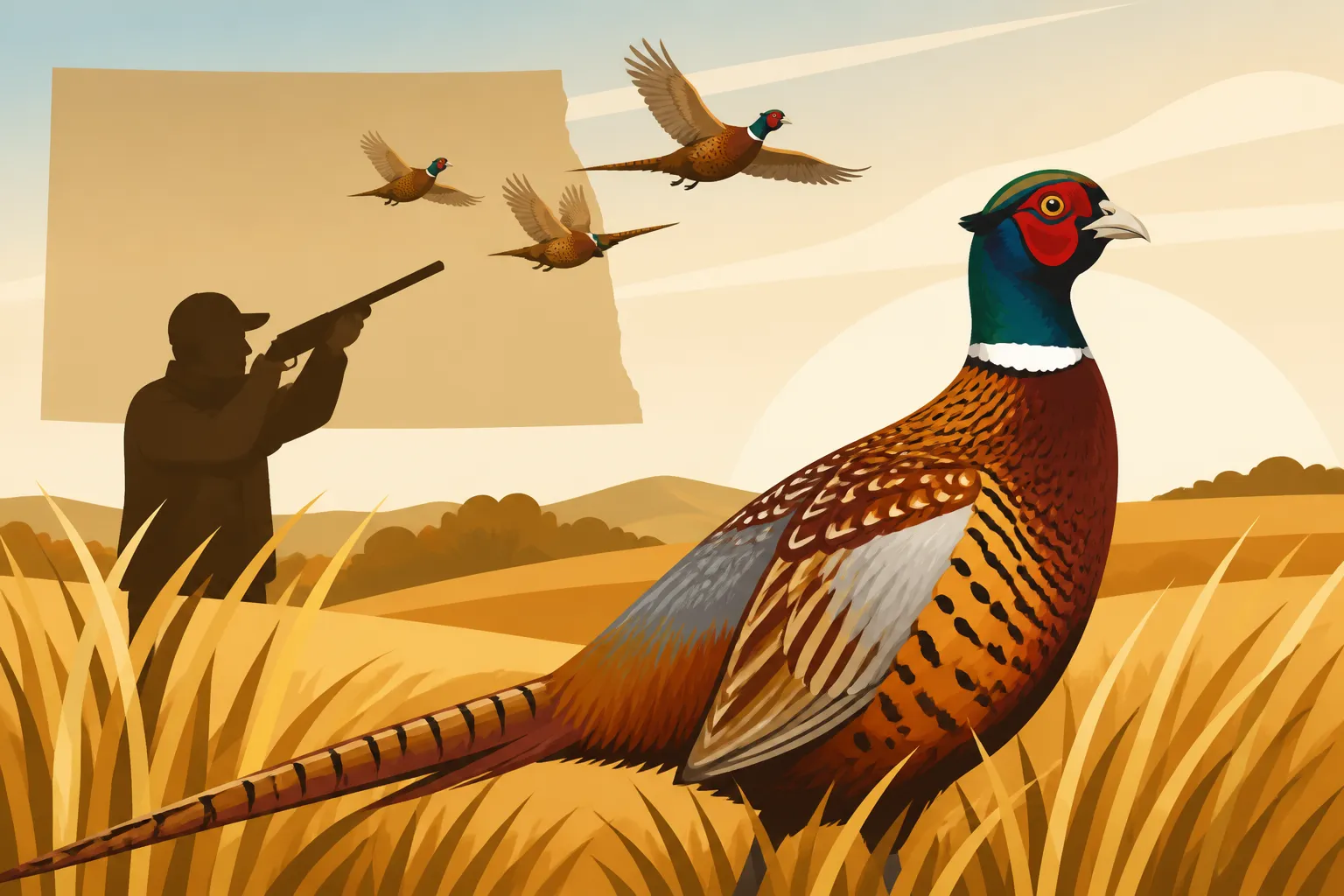
North Dakota Pheasant Population Estimate
As hunters, we often find ourselves anxiously awaiting the latest pheasant population estimates, hoping for a banner year but steeling ourselves for the possibility of lower numbers. It's a natural reaction, especially after a tough winter or a particularly wet spring, to wonder if there will be birds to chase when opening day arrives. This guide is here to pull back the curtain on how those elusive pheasant numbers are calculated, what they really mean for your hunting plans, and how you can still find success even when the overall outlook seems a bit grim.
Understanding How North Dakota Estimates Pheasant Numbers
It's easy to just look at a headline number and feel either elated or defeated, but the truth is, a lot of hard work goes into trying to get an accurate picture of North Dakota's pheasant population. It's not just a guess; it's a scientific effort involving dedicated wildlife biologists and a network of keen observers. They're trying to gauge not just how many birds are out there, but also how well they're reproducing and surviving, which gives us clues about future seasons.
The Role of Spring Crowing Counts
One of the foundational methods for estimating pheasant populations happens in the quiet hours of early morning each spring: the crowing count. Biologists drive established routes, stopping at designated points to listen for the distinctive "caw-cawk!" of roosters calling out to hens. These routes are driven at the same time, under similar weather conditions, year after year to ensure consistency.
The theory behind this is fairly simple: the number of crowing roosters heard correlates with the overall male pheasant population in that area. While it doesn't give an exact bird-for-bird count, it provides a crucial index. When crowing counts are up, it suggests a healthy breeding population survived the winter. If they're down, it can signal a dip in the rooster numbers, which might be due to poor winter survival or reduced habitat. It's like taking a pulse of the pheasant world after the long, cold winter has finally broken. This is the first real indicator of what the hunting season might hold months down the road.
Brood Surveys: Counting the Young Birds
While crowing counts tell us about the breeding adults, brood surveys are where we get our first real glimpse into the success of the reproduction phase. Starting in mid-to-late summer, after most pheasants have hatched and the chicks are mobile, biologists again drive specific routes, but this time they're looking for hens with broods of chicks. They record the number of hens seen, the number of chicks per hen, and the average size of those broods.
This data is incredibly important because it reveals the success of the nesting season. Did the hens successfully hatch large broods? Did those chicks survive the crucial early weeks when they're most vulnerable to predators and weather? A strong brood count with a good average chick-per-hen ratio is a huge positive sign for the upcoming fall season. Conversely, poor brood counts suggest a challenging spring, perhaps due to cold, wet weather during hatching, or a scarcity of good nesting cover. This information helps paint a more complete picture, moving beyond just the adult population to include the crucial recruitment of new birds.
Winter Survival and Its Impact
The North Dakota winter is no joke, and it plays a massive role in pheasant survival, directly affecting the numbers that show up in the spring crowing counts. Deep, prolonged snow, coupled with bitter cold, can be brutal on pheasants. They need reliable thermal cover to escape the elements and accessible food sources to maintain their energy. When food is buried under feet of snow or temperatures drop to extreme lows for extended periods, pheasants simply can't survive.
Conversely, a mild winter with less snow and warmer temperatures often leads to excellent overwinter survival rates, leaving more birds to breed in the spring. Understanding the severity of the previous winter is a critical piece of the puzzle when interpreting any pheasant population estimate. If you want to learn more about the specifics, check out our piece on Winter Survival and North Dakota Pheasant Numbers. Habitat, too, plays an enormous role here, as areas with good cattail sloughs, dense shelterbelts, and undisturbed grassland provide vital refuge when the blizzards roll in.
What Impacts Pheasant Populations Year-to-Year
Pheasant populations are notoriously cyclical, rising and falling based on a complex interplay of factors that often leave hunters scratching their heads. It’s never just one thing; it's a combination of habitat, weather, and predation that dictates whether we'll see flush numbers or a leaner season.
The Crucial Role of Habitat
When we talk about pheasant numbers, habitat is always at the top of the list. Pheasants need a diverse landscape to thrive: nesting cover for hens in spring, brood-rearing cover with insects for chicks in summer, escape cover from predators, and most critically in North Dakota, winter cover. Areas rich in undisturbed native grasslands, dense CRP fields, cattail sloughs, and effective shelterbelts tend to hold more birds, even during down years.
Unfortunately, habitat isn't static. Agricultural practices change, fields are converted, and even programs like CRP (Conservation Reserve Program) see fluctuations in enrollment. A reduction in quality habitat means fewer places for pheasants to nest, fewer bugs for chicks, and less shelter during the harsh winter. You can learn more about how important these areas are in North Dakota CRP Acres and Pheasant Numbers. Hunters often find that even if statewide numbers are down, finding pockets of prime, well-managed habitat can still yield fantastic hunting opportunities.
Weather's Influence: From Snow to Rain
North Dakota's weather extremes can be a pheasant's best friend or worst enemy. A mild winter, as mentioned, sets the stage for high overwinter survival and a robust breeding population. But then comes spring and summer, and new challenges arise. A cold, wet spring during the peak hatching period can be devastating to young chicks, which are highly susceptible to hypothermia. Even heavy, cold rains can drown nests or young birds.
Conversely, a warm, dry spring allows chicks to hatch and grow quickly, boosting brood survival. Drought conditions, however, can also have a negative impact by reducing insect populations (a vital food source for young chicks) and stunting vegetation, which compromises cover. It's a delicate balance, and just one extreme weather event at the wrong time can significantly impact the overall population estimate.
Predation and Disease
While not always as dramatic as a blizzard, constant pressure from predators like foxes, coyotes, raccoons, and raptors can take a toll on pheasant populations, especially during nesting season or when cover is sparse. High predator numbers can lead to increased nest predation and adult bird losses.
Disease outbreaks can also occur, though they are less commonly cited as a widespread, annual impact on pheasant populations compared to habitat loss or severe weather. However, localized disease events can certainly impact a specific area's bird numbers. It's another variable in the complex equation that biologists consider when assessing the overall health and size of the pheasant population.
Interpreting the Population Estimate for Your Hunt
So, the numbers are out. What does that mean for you, the hunter? It's easy to get caught up in the statewide average, but truly understanding the estimate involves digging a little deeper and thinking about how it applies to your specific hunting plans.
Beyond the Statewide Average
A common mistake hunters make is to take the statewide pheasant population estimate at face value. While useful for a broad overview, it can be misleading for someone planning a hunt in a specific region or even a particular county. North Dakota is a big state with diverse landscapes, and pheasant numbers can vary wildly from one area to another. One county might have experienced a mild winter and excellent nesting conditions, while a neighboring county was hit hard by a late spring snowstorm.
Always look for regional or county-specific data if it's available. The statewide average might be down, but certain hotspots could still be holding plenty of birds. This is where local knowledge and pre-season scouting become invaluable. Don't let a "down" statewide number deter you from investigating areas known for good habitat. Tools like GoHunt can be incredibly useful here, allowing you to layer population data with detailed habitat maps and public land access points, helping you pinpoint those promising areas.
What a "Good" or "Bad" Estimate Means for Hunters
When the estimate comes out, whether it's up or down, it gives you a framework for planning. If numbers are strong, it suggests more birds overall, potentially meaning more widespread opportunities and less pressure on individual coveys. You might find success in areas that are typically marginal, or experience higher flush rates in prime spots.
If the estimate is lower, it doesn't mean you should pack it in. Instead, it signals that you'll need to adjust your strategy. It usually means birds will be more concentrated in the best, most resilient habitat. Your focus should shift to identifying these core areas – the densest cover, the most reliable food sources, and the strongest wintering grounds. You might need to walk a bit farther, work harder, and be more persistent. A tool like GoHunt can certainly help you identify potential strongholds where birds might be concentrated. For those hunting public land, understanding where other hunters might converge becomes even more critical. Learning how to identify Finding PLOTS Ground Others Walk Past can make a big difference in these years.
Adjusting Your Hunting Strategy
Armed with the population estimate and an understanding of its nuances, you can tailor your approach. In years with higher numbers, exploring new areas or working larger fields might be fruitful. You might even consider hunting later in the season, as a robust population can withstand more hunting pressure. If you're looking for prime areas, understanding Where North Dakota Pheasants Are Densest is a great starting point.
When numbers are tighter, focus becomes paramount. Concentrate your efforts on proven pockets of superior habitat. Consider Working a Shelterbelt for Roosters or focusing on dense cattail sloughs and unharvested cover. Be prepared to hunt smarter, perhaps employing different tactics like walking more slowly, using blocking tactics with a group, or even focusing on midday hunts when birds might be more active. You might also find success by revisiting areas throughout the season, as hunting pressure can redistribute birds. Remember that pheasants are resilient, and good habitat can hold surprising numbers even in years when the overall forecast seems a bit bleak.
Regional Differences and Hotspots
North Dakota is a vast state, and a pheasant forecast that sounds good for one region might not ring true for another. Understanding these geographical nuances is crucial for any hunter planning their trip. You simply can't treat the entire state as one homogenous pheasant factory.
The Prairie Pothole Region
The eastern and central parts of North Dakota are largely dominated by the Prairie Pothole Region, a landscape dotted with countless wetlands and often characterized by extensive agriculture interspersed with grasslands and CRP fields. This region can be a pheasant paradise when conditions are right. The wetlands provide crucial winter cover and escape routes, while the surrounding croplands offer abundant food.
However, these areas are also heavily influenced by farming practices and seasonal weather. A wet spring that floods nesting cover or a dry spell that reduces bug populations can hit this region hard. Conversely, a mild winter and ideal nesting conditions can lead to incredible pheasant numbers. Hunters in these areas often find birds concentrated along field edges, within large blocks of CRP, and around the edges of sloughs. For hunters looking to combine their trips, this region is also prime for Duck and Goose Hunting North Dakota's Potholes.
Western North Dakota and the Badlands Fringes
As you head west towards the Badlands, the landscape changes dramatically. While the true Badlands terrain isn't prime pheasant country, the fringes, particularly along river bottoms and areas where agriculture meets rolling grasslands, can hold good numbers of birds. These areas often have more rugged topography, providing different types of cover like woody draws and brushy coulees, in addition to agricultural fields.
The western part of the state can sometimes offer a different experience, with birds potentially using thicker cover and being a bit more spread out. Hunters here might need to adjust their tactics to account for the varied terrain. Winter severity can still be a factor, but the unique topographical features can sometimes offer different pockets of thermal cover compared to the flatter prairie.
Identifying Localized Hotspots
Even within a single county, you can find significant variations in pheasant numbers. This is where localized hotspots come into play. These are typically areas that, for one reason or another, consistently offer better habitat and better bird numbers than the surrounding landscape. It might be a large, well-managed private land parcel, an expansive WMA with excellent cover, or a specific block of PLOTS (Private Land Open To Sportsmen) land that has just the right mix of food and shelter.
Identifying these hotspots requires research and scouting. Aerial maps can reveal prime cover, and talking to locals can offer invaluable insights. Remember, while statewide numbers give a general feel, finding success often comes down to locating these micro-climates of pheasant abundance. Services like GoHunt are fantastic for overlaying public land maps with habitat types, helping you to visually identify these potential honey holes. Even if the overall numbers are down, these specific spots can still hold enough birds for a memorable hunt. Sometimes, these small, private tracts can be surprisingly productive if you gain permission, as covered in Hunting Small Private Tracts in North Dakota.
| Factor Influencing Pheasant Populations | Typical Impact on Numbers (Assuming Average Conditions) | Key Considerations for Hunters |
|---|---|---|
| Mild Winter | Positive: Higher overwinter survival, more breeding birds. | Look for more widespread bird distribution, potentially good hunting in marginal habitat. |
| Severe Winter | Negative: Lower overwinter survival, fewer breeding birds. | Concentrate on dense, resilient winter cover; birds will be concentrated in prime habitat. |
| Warm, Dry Spring | Positive: High chick survival, good brood production. | Expect strong numbers of young birds; good opportunity for consistent flushes. |
| Cold, Wet Spring | Negative: Poor chick survival, reduced brood production. | Fewer young birds, older birds may be wary; focus on areas with best brood-rearing cover. |
| Abundant Grassland/CRP | Positive: Excellent nesting and brood-rearing habitat. | Target these areas, especially large blocks; they're magnets for pheasants. |
| Limited Habitat/Intensive Ag | Negative: Reduced cover, fewer places for birds to thrive. | Hunting may be challenging; focus on remaining secure cover and edge habitats. |
| Low Predator Numbers | Positive: Better nest success, higher chick survival. | More birds make it to hunting season; might encounter more naive young birds. |
| High Predator Numbers | Negative: Increased nest and chick losses. | Birds may be more wary; prime cover becomes even more critical for security. |
Disclaimer
This article is for general informational purposes only and does not constitute professional advice. Laws, prices and regulations vary by location and change over time. Consult a qualified professional for guidance on your specific situation.