Getting Private Land Permission in North Dakota
It’s a scenario many North Dakota hunters know all too well: you’re glassing a promising piece of public land, only to see a monster buck or a dozen pheasants disappear over a fence line onto private property. The frustration is real, and the vast majority of North Dakota is privately owned. But gaining access to these lands isn't an impossible dream; it requires strategy, respect, and persistence. This guide will walk you through everything you need to know about getting private land permission in North Dakota, turning those frustrating moments into potential hunting opportunities.
Understanding North Dakota's Private Land Landscape
North Dakota is a state with an incredible amount of agricultural and privately-held land. While there are fantastic public opportunities, especially through programs like PLOTS, truly expanding your hunting horizons often means venturing beyond those well-trodden paths. Navigating this landscape successfully starts with understanding its unique characteristics and the legal framework that governs it.
The Reality of Land Ownership in North Dakota
When you drive through North Dakota, particularly in the prime agricultural regions or along the rolling prairie, it quickly becomes clear that private ownership dominates the landscape. Farms stretch for miles, and ranchers manage vast tracts of grassland. This reality means that much of the prime habitat for deer, pheasants, and waterfowl exists on land that isn't open to the public without explicit permission. It's frustrating to know that some of the best hunting spots, often less pressured than public lands, are just out of reach. We've all been there, watching a flock of geese settle into a private field or a mule deer disappear into a private coulee, feeling that pang of "if only."
This checkerboard pattern of ownership, where small public tracts might be surrounded by large private holdings, adds another layer of complexity. Sometimes, a promising slough or shelterbelt on public land is only accessible if you can cross a narrow strip of private property. Understanding that this is the norm, rather than the exception, helps set realistic expectations and informs your strategy for seeking permission. It's not about finding the needle in the haystack of public land; it's about respectfully opening doors to private opportunities.
Many landowners have deep ties to their property, often passed down through generations. This connection can mean a greater sense of stewardship but also a natural protectiveness. They might hunt it themselves, have family or friends who hunt it, or simply prefer to keep it undisturbed. Recognizing this inherent value and sentiment is key to approaching landowners with the right mindset. It’s not just land to them; it’s a legacy, a livelihood, and often their home.
North Dakota's Posted Land Laws
Before you even think about stepping foot on private land, you absolutely must understand North Dakota's posted land laws. The state takes trespass very seriously, and ignorance is rarely an excuse that holds up. In North Dakota, land is considered posted if it's marked with signs, visible paint, or is entirely fenced. The law clearly states that you cannot hunt, fish, or trap on private land that is legally posted without first obtaining permission from the landowner or tenant. This is a fundamental principle that every hunter operating in the state must internalize. North Dakota Posted Land Rules
What constitutes "legally posted"? Typically, signs must be visible, placed at reasonable intervals along the property boundary, and clearly state that hunting is prohibited or that permission is required. Often, these signs will say "No Hunting Without Permission" or simply "Posted." You might also see specific colors of paint, like fluorescent orange or yellow, marking corners or gates, which serve the same legal purpose. If a property is fenced, whether it's a barbed wire pasture or a four-strand field fence, it is generally considered posted, even without additional signs, if it's clearly enclosing the property.
The implications of hunting posted land without permission are severe. You could face fines, loss of hunting privileges, and even confiscation of equipment. Beyond the legal ramifications, trespassing can permanently damage your reputation and the reputation of all hunters in the area, making it even harder for others to gain access. It reinforces negative stereotypes about hunters and makes landowners even more hesitant to grant future requests. Always err on the side of caution; if you're unsure if a property is posted, assume it is and seek permission.
The "Unwritten Rules" of Asking for Permission
While legal statutes govern what you can't do, there are also many "unwritten rules" that dictate the etiquette of seeking permission – and following them vastly increases your chances of success. Landowners are often bombarded with requests, especially during peak hunting seasons, and differentiating yourself as a respectful, responsible individual is paramount. This isn't just about avoiding a ticket; it's about building trust.
One of the biggest unwritten rules is to approach with genuine respect for the landowner's time and property. Don't show up in your camo, rifle in hand, expecting immediate access. Instead, present yourself as a courteous individual seeking a favor, not demanding a right. Many landowners are wary of hunters who seem entitled or pushy, and a polite, humble approach can go a long way. This also means being prepared for a "no" and accepting it graciously, without argument or complaint.
Another crucial unwritten rule is understanding the landowner's perspective. They are often juggling farm work, family life, and their own hunting interests. They might have had bad experiences with disrespectful hunters in the past, or they might simply prefer privacy. Acknowledging these potential concerns and demonstrating that you are a hunter who will alleviate, rather than add to, their worries can make a huge difference. Think about what they stand to gain (or lose) by granting you access, and frame your request in a way that aligns with their values.
Essential Tools for Identifying Private Land and Owners
You can't ask for permission if you don't know who owns the land. Thankfully, modern technology and traditional resources make this process much easier than it used to be. Knowing which tools to use and how to leverage them is a critical first step in your private land access journey.
Digital Mapping Applications: Your Best Friend
In today's hunting world, digital mapping applications like onX Hunt have become indispensable. They are, without a doubt, your best friend when it comes to identifying property lines and landowner information. These apps overlay property ownership data onto detailed topographical and aerial maps, allowing you to instantly see who owns a particular parcel of land, including their name and often their mailing address. This is a game-changer compared to the old days of poring over plat books in a county office.
Imagine you're driving down a rural road and spot a promising coulee or a shelterbelt that looks like prime deer habitat. With a mapping app on your phone, you can immediately pinpoint that exact parcel, see its boundaries, and identify the owner. This allows you to go directly to the source, rather than guessing or knocking on random doors. onX Layers for North Dakota Land Status You can scout from your truck, plan potential entry routes, and identify nearby public land for context, all before making a single contact. This efficiency not only saves you time but also helps you appear more prepared and serious when you do approach a landowner.
Beyond just ownership, these apps also provide valuable information about land features. You can see water sources, elevation changes, timber blocks, and crop fields. This allows you to do your homework and come to the landowner with an informed request, demonstrating that you've already put thought into how and where you'd hunt. It signals responsibility and preparation, which are qualities landowners appreciate. The ability to mark waypoints, measure distances, and track your movements also ensures you stay within the agreed-upon boundaries, preventing accidental trespass. Scouting PLOTS Land With the ND Hunt App
County Assessor Offices and Plat Books
While digital mapping apps are incredibly convenient, there are times when traditional resources like county assessor offices and physical plat books are still valuable. Maybe you prefer a physical map, or perhaps you're in an area with spotty cell service where a digital map might not load reliably. Visiting the county assessor's office can provide you with official records, including detailed property descriptions, owner names, and mailing addresses. These offices are public resources, and the staff can often help you navigate the records.
Plat books, often available for purchase at county offices or local retailers, compile property ownership maps for an entire county. They offer a comprehensive overview of land holdings, showing each parcel with the landowner's name. While they might not be as up-to-date as digital apps, they are excellent for gaining a broad understanding of land ownership patterns in a particular area. They can also serve as a reliable backup when technology fails or when you need a historical reference for land ownership changes.
Using these methods often requires a bit more legwork and planning. You might need to call ahead to the county office to confirm hours or available resources. However, the information gathered from these sources is official and undeniable, which can sometimes carry more weight than a screenshot from an app when you're discussing boundaries with a landowner. It also demonstrates a level of dedication that can impress a landowner, showing you've done your homework the old-fashioned way.
Aerial Photos and Satellite Imagery
Before you even consider approaching a landowner, leveraging aerial photos and satellite imagery is crucial for intelligent scouting. Tools like Google Earth, or the satellite view within your mapping app, allow you to literally "fly over" potential hunting areas from the comfort of your home. This helps you identify key features on private land that might attract game, such as shelterbelts, secluded pockets of timber, creek bottoms, unharvested food plots, or specific field edges. Reading Aerial Photos for Badlands Deer
By studying these images, you can gain a significant advantage. You can pick out bedding areas, potential travel corridors, water sources, and feeding locations, all without setting foot on the property. This pre-scouting allows you to formulate a more specific and appealing request when you talk to the landowner. Instead of saying, "Can I hunt your land for deer?" you can say, "I noticed a nice shelterbelt on the north side of your property, near the creek. I'd be interested in bowhunting that area for deer." This level of detail shows you're serious and have done your homework, which landowners appreciate.
Combining aerial imagery with ownership information is particularly powerful. Once you've identified a promising piece of private ground, you can then use your mapping app or plat book to find the owner's name and contact information. This targeted approach is far more effective than simply knocking on random doors. It allows you to prioritize which landowners to contact based on the quality of the habitat and the potential for a successful hunt. It also helps you visualize potential access points, parking areas, and how your presence might affect the landowner's operations.
Crafting Your Approach: The Art of Asking Permission
You've done your homework, identified the land, and found the owner. Now comes the most crucial part: asking for permission. This isn't just a simple request; it's an art form that requires careful consideration of timing, presentation, and communication.
Timing Your Visit or Call
Timing is everything when it comes to asking for private land access. Approaching a landowner at the wrong moment can instantly kill your chances, no matter how polite or prepared you are. Generally, the off-season or just before the season starts, well in advance of opening day, is the best window. Landowners are often less stressed with harvest or planting, and their own hunting plans might not be fully solidified. Weekdays are often better than weekends, as weekends are typically reserved for family time or personal errands.
Avoid showing up during meal times (early morning, noon, or late afternoon) or when they are actively working in the fields, especially during planting or harvest. Imagine being interrupted during a critical operation; it’s not going to put them in a receptive mood. A good rule of thumb is to try mid-morning or mid-afternoon on a weekday. If you're making a phone call, again, consider their working hours and avoid calling too early or too late.
If you plan to hunt deer, asking in late summer or early fall (August-September) can be ideal, long before the gun season frenzy begins. For pheasants, try mid-September, before the October opener. This allows them time to consider your request without feeling pressured and gives you a chance to build a rapport. Showing up on opening day to ask for permission is almost always a guaranteed "no." Asking a North Dakota Farmer for Permission It suggests a lack of foresight and preparation, which is precisely what landowners want to avoid in a hunter.
What to Say and How to Present Yourself
When you approach a landowner, your presentation and what you say are critical. First impressions matter immensely. Dress neatly and respectfully – no muddy boots, no full camo. A clean shirt and jeans are usually appropriate. Look them in the eye, offer a firm handshake, and introduce yourself clearly. State your purpose upfront: "Hello, my name is [Your Name], and I'm a hunter. I was wondering if you might consider allowing me to hunt deer on your property this fall."
Be clear, concise, and polite. Don't ramble or beat around the bush. Explain what you're interested in hunting and where specifically you'd like to hunt, referencing the scouting you've already done with your mapping app. Emphasize your respect for their property, their livestock, and their family. Offer assurances: "I promise to park in a designated area, close all gates, stay away from your homestead, and leave no trash." You might even offer to keep an eye on things while you're there, like reporting a downed fence or anything out of the ordinary.
Listen more than you talk. Give them a chance to voice any concerns they might have, whether it's about liability, their own hunting plans, or past negative experiences. Address their concerns directly and honestly. If they say no, accept it gracefully and thank them for their time. Even if you don't get permission this time, leaving a positive impression can open doors in the future, either with them or through a referral to another landowner. You never want to burn a bridge in a tight-knit rural community.
The Power of a Handshake (and Written Agreement)
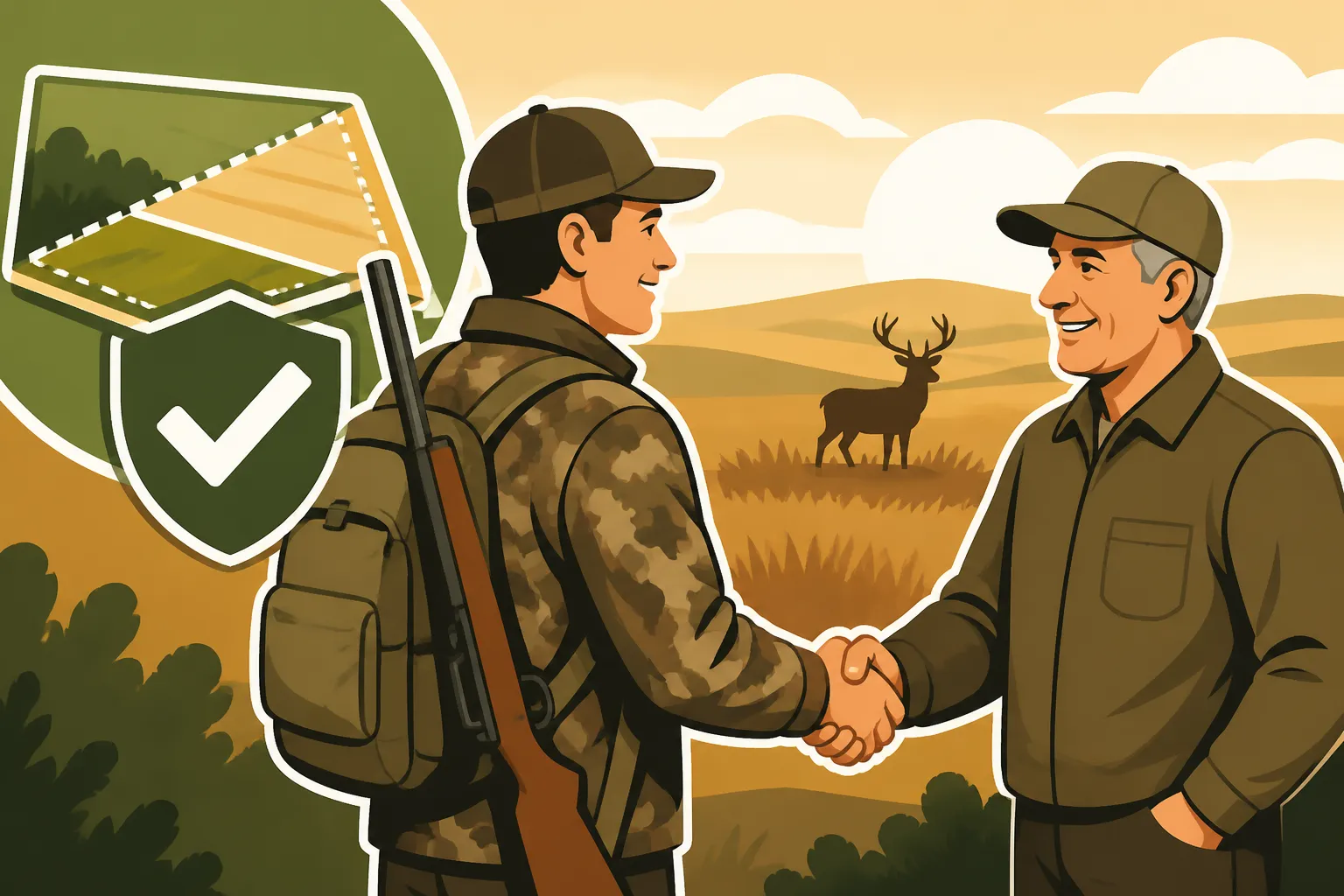
In North Dakota, a verbal agreement for hunting permission is often enough. A handshake and a conversation can seal the deal, especially in rural communities where trust and word of mouth still hold significant weight. However, as a responsible hunter, it's always in your best interest to follow up any verbal permission with a written agreement, or at least have a clear understanding of the parameters in writing. This protects both you and the landowner by leaving no room for misunderstanding. Do You Need Written Permission in North Dakota?
A written agreement doesn't need to be a formal legal document, though it certainly can be. Even a simple printed form or an email confirming the details can suffice. It should clearly outline:
- Who has permission (your name, and names of any hunting partners).
- What you are allowed to hunt (e.g., deer, pheasants, waterfowl).
- When you are allowed to hunt (specific dates or duration of the season).
- Where you are allowed to hunt (specific fields, sections, or areas, perhaps even marked on a map).
- Any specific conditions (e.g., where to park, which gates to close, no vehicle access past a certain point, no hunting near livestock or buildings, no cutting fences).
- Contact information for both parties.
Having these details in writing provides clarity and prevents awkward situations or accusations of trespass down the road. It also shows the landowner that you are serious and professional. Many landowners might actually appreciate you taking the initiative to put things in writing, as it helps them manage who is on their property and when. It’s a sign of respect and responsibility.
Building Relationships and Maintaining Access
Getting permission for one season is great, but the real goal is to build a lasting relationship that grants you access for years to come. This requires consistent effort, respectful behavior, and open communication.
Being a Respectful Hunter on Their Land
Once you've secured permission, your actions on the property are the most critical factor in determining whether you'll be welcomed back. Every time you step onto their land, you are representing not just yourself, but all hunters. Honor every promise you made during your initial conversation. If you said you'd close gates, close every single gate. If you promised to stay away from a particular field, don't even think about skirting the edge.
Leave no trace of your presence. Pack out all trash, including spent shell casings, empty water bottles, and any other debris. Avoid driving off established trails or causing damage to fields, fences, or natural habitat. Treat their land with more care than you would your own. If you encounter livestock, give them a wide berth and report any concerns you might have to the landowner. This shows you're not just there to hunt, but you're also a responsible steward.
Consider going above and beyond. If you notice a broken fence, respectfully inform the landowner. If you see something out of place or suspicious, let them know. These small gestures demonstrate that you are invested in the well-being of their property. Many hunters also choose to share their harvest, offering the landowner a cut of venison or some pheasants. This isn't a requirement, but it's a generous gesture that can solidify goodwill and show your appreciation.
The Importance of Post-Hunt Follow-Up
The hunt doesn't end when you tag out or the season closes. A crucial, yet often overlooked, step is the post-hunt follow-up. This small act of courtesy can make all the difference in securing future access. Before the season ends, or shortly after, make it a point to contact the landowner again. A simple phone call, a thank-you note, or even a brief visit can go a long way.
During this follow-up, express your gratitude for the opportunity they provided. Let them know how your hunt went, sharing any positive experiences (even if you didn't bag anything). Reassure them that you respected their property, and if there were any minor issues or things you noticed, you can briefly mention them in a constructive way. This conversation is your chance to reinforce all the good behavior you exhibited throughout the season.
The post-hunt follow-up serves several purposes. It shows genuine appreciation, demonstrates respect for their time and property, and keeps the lines of communication open. This helps to solidify the relationship and often leads to an invitation to hunt again next year. A landowner who knows you are respectful and appreciative is far more likely to grant permission than someone they never hear from again after the hunt.
Troubleshooting Common Landowner Concerns
Landowners often have legitimate concerns when granting access to strangers. Understanding these concerns and being prepared to address them can significantly improve your chances. One of the most common worries is liability. North Dakota has laws that generally protect landowners from liability if someone is injured on their property while hunting recreationally without a fee. However, some landowners may still worry about lawsuits. Politely explaining your understanding of these protections or offering to sign a waiver can sometimes ease their minds.
Another concern is property damage or nuisance. They worry about gates being left open, fences being cut, trash being left behind, or hunters disrupting their livestock or daily operations. Your initial promises and your subsequent actions on their land are key to mitigating these fears. Be explicit in your commitment to prevent such issues. You might offer to show them your North Dakota Hunter Education Requirements card as proof of your safety training and responsible mindset.
Finally, many landowners hunt their own land or have family and friends who do. They might worry about overcrowding or interference with their own hunting plans. Be respectful of their priorities. Ask if there are specific times or days when they prefer you not hunt, or areas they want to reserve for themselves. Flexibility on your part can be a powerful negotiating tool. Showing that you're willing to work around their schedule and needs demonstrates your dedication to a positive relationship.
Alternatives and Complementary Strategies
Even with the best approach, private land access can be challenging to secure everywhere. Fortunately, North Dakota offers several alternative and complementary strategies that can still put you on great hunting ground, sometimes even on private land with specific programs.
North Dakota's PLOTS Program: Your Public/Private Bridge
The Private Land Open To Sportsmen (PLOTS) program is a fantastic initiative in North Dakota that effectively acts as a bridge between public and private land hunting. Through PLOTS, landowners receive incentives to allow public hunting access on their private property. These areas are clearly marked with distinctive yellow signs, making them easy to identify. The PLOTS Program Explained For hunters, PLOTS offers a wealth of additional hunting opportunities on private ground without the need to individually seek permission.
PLOTS tracts vary widely in size and habitat, from native prairie grasslands and CRP (Conservation Reserve Program) fields that are prime for pheasants and grouse, to wetland areas that hold ducks and geese, and shelterbelts or creek bottoms that attract deer. While these lands are technically private, they are managed for public access, making them an excellent resource for hunters who might struggle to gain permission elsewhere. You can find detailed information on PLOTS tracts through the North Dakota Game and Fish Department's website, mobile app, and printed guides.
Hunting PLOTS land can also indirectly help you meet landowners. If you consistently hunt PLOTS in a particular area, you might eventually interact with neighboring landowners who see your respectful conduct. This can sometimes lead to informal conversations and, eventually, permission on their adjoining non-PLOTS land. Treat PLOTS land with the same respect you would any private property where you've gained direct permission, as your actions can have a ripple effect in the local community. Hunting Pressure on North Dakota Public Land is often higher on PLOTS, but smart scouting can still yield success.
Hunting Small Private Tracts: Don't Overlook Them
When most hunters think of private land, they often envision large farms or sprawling ranches. However, don't overlook the power of small private tracts. These might be a few acres of wooded creek bottom behind someone's house, a small neglected field on the edge of town, or a shelterbelt that seems too small to bother with. Many hunters drive right past these diminutive parcels, but they can be goldmines for respectful hunters willing to put in the effort. Hunting Small Private Tracts in North Dakota
Small tracts often get less hunting pressure, even if they are known to hold game. Landowners of these smaller parcels might be more approachable because they don't have extensive hunting interests themselves, or they simply haven't been asked. They might welcome the idea of a responsible hunter helping to manage deer populations that are eating their landscaping, or reducing nuisance animals. The key is to identify these overlooked gems using your mapping apps and aerial imagery, and then craft a specific, low-impact request.
For example, a landowner with a five-acre woodlot next to their property might be amenable to a bowhunter during deer season, especially if you promise to hunt only that specific area and use a quiet approach. These small opportunities can be easier to secure than large parcels and can offer excellent, close-to-home hunting. Plus, successfully hunting a small tract can demonstrate your responsibility, potentially leading to larger opportunities through referrals.
Leasing Land in North Dakota
For some hunters, particularly those looking for consistent, long-term access to quality ground, leasing private land in North Dakota can be an attractive option. A hunting lease involves a formal agreement, usually annual, where you pay a landowner for exclusive hunting rights to a specific portion of their property. This provides certainty and often means you won't have to compete with other hunters for access. North Dakota Hunting Lease Costs
Leasing typically involves a significant financial commitment, with prices varying widely based on location, acreage, and game density. It's a business transaction, and landowners are looking for reliable income and assurance that their property will be respected. Before considering a lease, be sure you understand the terms, including the duration, cost, species covered, number of hunters allowed, and any specific rules or restrictions. Often, a lease agreement will include stipulations about vehicle access, stand placement, and even potential habitat improvements.
While leasing removes the uncertainty of seeking permission year after year, it requires a different kind of relationship management. You are now a paying client, and the landowner expects you to uphold your end of the bargain. This means diligent communication, adherence to all terms, and continuing to demonstrate respect for their property. For many, the consistent access and reduced competition make the investment worthwhile, especially if you have a group of hunters willing to share the cost.
Overcoming Rejection and Staying Persistent
Let's be realistic: you will face rejection. Not every landowner will say yes, and that's perfectly okay. The ability to handle a "no" gracefully and learn from each interaction is as important as knowing how to ask.
It's Not Always "No," Sometimes It's "Not Right Now"
When a landowner declines your request, it's easy to feel discouraged. However, it's important to understand that a "no" isn't always a definitive, personal rejection. Sometimes, it's "no, not right now." They might already have family or friends hunting the property, have liability concerns, or perhaps they're simply too busy with farming operations to entertain the idea. They might even have a negative experience from the past that makes them hesitant to open their land to new hunters.
Respect their decision completely. Thank them for their time and move on. Do not argue, plead, or try to change their mind. Pushing too hard will only solidify their negative stance and potentially harm your reputation in the community. Sometimes, a polite "I understand, thank you for considering" is all that's needed. This leaves a positive impression, and it's not unheard of for a landowner to remember that respectful interaction and reconsider in a future season or even refer you to a neighbor.
Take a moment to reflect on the interaction. Was your timing off? Was there something in your approach that could be improved? Did you clearly articulate your request? Use each rejection as a learning opportunity to refine your strategy for the next landowner. Not every piece of ground is right for you, and not every landowner is willing to open their gates. It’s part of the process, and persistence, combined with a thick skin, will eventually pay off.
Learning from Each Interaction
Every conversation with a landowner, whether it results in permission or not, is a valuable learning experience. After each interaction, take a mental note (or even a physical one) of what went well and what could have been better. Did you feel rushed? Was the landowner receptive to specific details about your hunting plan? Were there particular concerns they raised that you hadn't anticipated?
Perhaps you learned that in a certain area, landowners prefer phone calls over in-person visits, or vice-versa. Maybe you discovered that emphasizing your experience with specific game animals (e.g., "I'm a seasoned pheasant hunter, and I focus on safety around livestock") resonates more with them. This continuous refinement of your approach will make you more effective over time. Think of it as scouting for permission – gathering intel to improve your success rate.
Documenting your interactions can also be helpful. Keep a simple log of who you contacted, when, what the outcome was, and any pertinent notes. This prevents you from inadvertently asking the same landowner multiple times in a season or forgetting key details about their property or preferences. This systematic approach showcases your professionalism and commitment to securing ethical access.
The Long Game: Cultivating a Reputation
Successfully gaining private land access in North Dakota is a long game built on reputation. Your actions on one property can, and often will, affect your ability to gain access on others in the surrounding area. Rural communities are tight-knit, and word travels fast – both good and bad. Being known as a respectful, responsible hunter who leaves no trace and always honors their word is the best asset you can cultivate.
Conversely, a single act of disrespect or trespass can quickly close doors not only for you but potentially for other hunters in the future. Landowners talk to each other, sharing experiences and recommendations. If one landowner has a positive experience with you, they might recommend you to a neighbor or friend who also owns land. This organic networking is incredibly powerful and often leads to the best, most consistent hunting opportunities.
Cultivating this reputation takes time and consistent effort. It means being a good ambassador for hunting every single time you're in the field, whether on public or private land. It's about demonstrating ethical conduct, prioritizing safety, and always showing gratitude. The more you invest in being a stand-up individual, the more opportunities will open up for you in the North Dakota hunting landscape.
Landowner Permission Methods Comparison
Here's a quick look at the pros and cons of different methods for connecting with North Dakota landowners for hunting permission:
| Method | Pros | Cons | Best For |
|---|---|---|---|
| In-Person Visit | Personal connection, shows initiative, direct conversation | Can be inconvenient for landowner, requires good timing, can be awkward | Building strong rapport, making a memorable first impression |
| Phone Call | Less intrusive than showing up, can cover more ground quickly | Lacks face-to-face connection, easy to get voicemail, hard to gauge reaction | Initial contact after finding owner info, respectful first query |
| Written Letter/Email | Allows detailed explanation, can include references, less intrusive | Impersonal, easy to ignore, slow response time, might not be read | Formal requests, landowners who prefer written communication, initial broad outreach |
| Referral from Mutual Acquaintance | Highest success rate, built-in trust factor, pre-vetted | Requires existing network, not always available | Best way to gain access, shows trustworthiness |
Disclaimer
This article is for general informational purposes only and does not constitute professional advice. Laws, prices and regulations vary by location and change over time. Consult a qualified professional for guidance on your specific situation.