Bottineau County Public Hunting Access
Hunting in North Dakota can often feel like an endless quest for access, especially when so much land is privately owned and actively farmed. It's easy to get discouraged when you see "No Hunting" signs everywhere you turn, but don't give up hope! Bottineau County, tucked away in the north-central part of the state, offers a surprisingly diverse array of public hunting opportunities that can genuinely satisfy a hunter looking for something beyond the typical prairie experience. This guide will walk you through what to expect and how to find success on public lands in this unique corner of North Dakota.
Understanding Bottineau County's Unique Hunting Landscape
When most people picture North Dakota, they envision vast, flat prairies stretching to the horizon, dotted with sloughs and endless fields of wheat. And while that image holds true for much of the state, Bottineau County offers a delightful, almost unexpected, departure from that norm. Its landscape is shaped by a distinct geographical feature that completely changes the hunting game.
The Turtle Mountains: A Different North Dakota
The Turtle Mountains region, which Bottineau County encompasses a significant portion of, truly sets it apart. Imagine rolling hills, dense deciduous and coniferous timber stands, numerous small lakes, and winding creeks. This isn't your typical prairie pothole country; it feels more like northern Minnesota or Canada. For hunters used to scanning distant horizons for deer, the dense cover of the Turtle Mountains presents a whole new challenge – and a whole new reward.
Hunting here means embracing a different style. Whitetail deer often hold tight in the timber, making still-hunting or methodical drives effective. You’re not glassing across miles; you're picking apart every shadow, listening for the crunch of leaves, and relying on your woodsmanship. The thick timber can be frustrating, for sure, especially when a mature buck slips away unseen, but the satisfaction of tagging an animal in this dense environment is incredibly fulfilling. You might even stumble upon some unexpected big game like moose in these northern woods, though those tags are hard-earned and once-in-a-lifetime. If you're looking for a change of pace from traditional prairie hunting, the Turtle Mountains offer an incredible experience. Hunting Turtle Mountain Timber Pockets can be an entirely different ballgame than anywhere else in the state.
Beyond the Timber: Prairie Edges and Agricultural Influence
While the Turtle Mountains dominate the northern reaches of Bottineau County, the landscape gradually transitions as you move south. Here, the dense woods give way to more open mixed-grass prairie, interspersed with agricultural fields. This transitional zone creates a fantastic edge habitat that is often incredibly productive for deer, upland birds, and even waterfowl. You'll find shelterbelts, brushy coulees, and sloughs bordering vast expanses of cropland.
This blend of habitat means hunters need to be versatile. Deer will often use the timber for bedding and security cover, then move out into adjacent fields or brushy draws to feed, especially at dawn and dusk. For upland birds, you might find pheasants holding tight in cattail sloughs or thick grass CRP (Conservation Reserve Program) fields that butt up against harvested corn. Sharptail grouse and Hungarian partridge, while preferring more open prairie, will often utilize these same transitional areas for food and cover. Understanding how game uses these edges between timber and agriculture is key to finding success, and it requires a keen eye for reading the landscape.
Navigating Public Access Options in Bottineau County
Finding public land in North Dakota can sometimes feel like solving a riddle, but Bottineau County offers some excellent, well-managed opportunities. It's not just about stumbling upon a parcel; it's about knowing where to look and understanding the rules that govern each type of public access.
Wildlife Management Areas and Their Role
North Dakota's Wildlife Management Areas (WMAs) are invaluable resources for public land hunters. These lands are managed by the North Dakota Game and Fish Department with wildlife habitat and public recreation as primary goals. In Bottineau County, you'll find WMAs that protect significant tracts of timber, wetlands, and grasslands, providing crucial habitat for a variety of species. These areas are usually well-marked and offer consistent access.
WMAs are often some of the most reliable places to hunt, but they can also see more pressure, especially during opening weekends. It's important to remember that WMAs have specific rules regarding vehicle access, camping, and even stand placement. Always check the current regulations before heading out. For example, some WMAs might have designated parking areas, and you'll need to walk in from there. Others might restrict the use of ATVs or UTVs. Learning these specific rules for each WMA you plan to hunt is crucial for a smooth and legal experience. They are designed to preserve the habitat and ensure fair chase for all.
The PLOTS Program: Your Key to Private Land Access
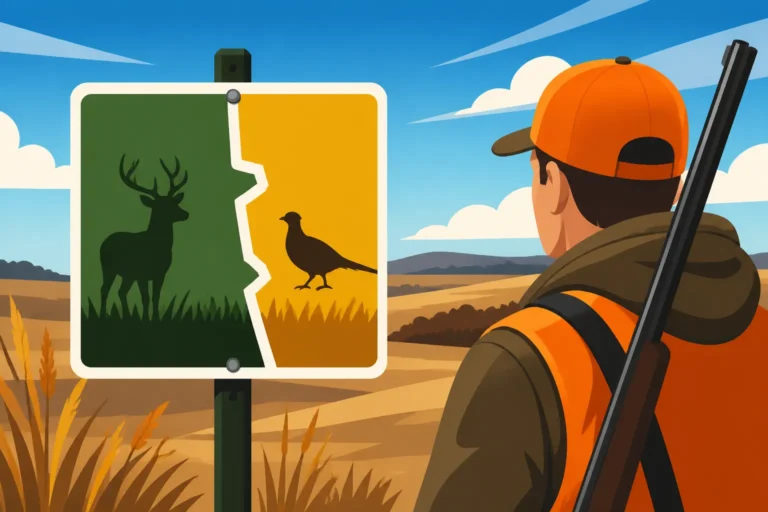
The Private Land Open To Sportsmen (PLOTS) program is a cornerstone of North Dakota hunting, and it's particularly vital in counties like Bottineau where private land dominates. PLOTS sites are privately owned lands that landowners voluntarily open to public hunting in exchange for an incentive payment from the state. These areas are typically marked with distinctive yellow PLOTS signs, making them easy to identify.
PLOTS land can range from expansive grasslands and dense cattail sloughs to standing cornfields and brushy creek bottoms. The beauty of the program is its diversity, and it often provides access to prime habitat that would otherwise be off-limits. However, PLOTS agreements can change annually, so what was open last year might be closed this year, and vice-versa. This means staying updated is key. Many hunters rely on the North Dakota Game and Fish Department's PLOTS guide, either the physical booklet or, more commonly these days, the digital map on their website or apps. The PLOTS Program Explained goes into greater detail about how this program benefits both hunters and landowners. It's a fantastic initiative, and knowing how to use it effectively will dramatically expand your hunting grounds. Regularly checking for updated maps and knowing Scouting PLOTS Land With the ND Hunt App are fundamental skills for any North Dakota hunter.
State School Lands and Other Public Tracts
Beyond WMAs and PLOTS, North Dakota also has State School Lands, which are generally open for public hunting. These lands, managed by the Department of Trust Lands, are often found in one-square-mile sections (640 acres) and can sometimes be overlooked by hunters focusing solely on PLOTS or WMAs. While some school sections might be unproductive grassland, others can hold excellent cover or be adjacent to prime agricultural fields.
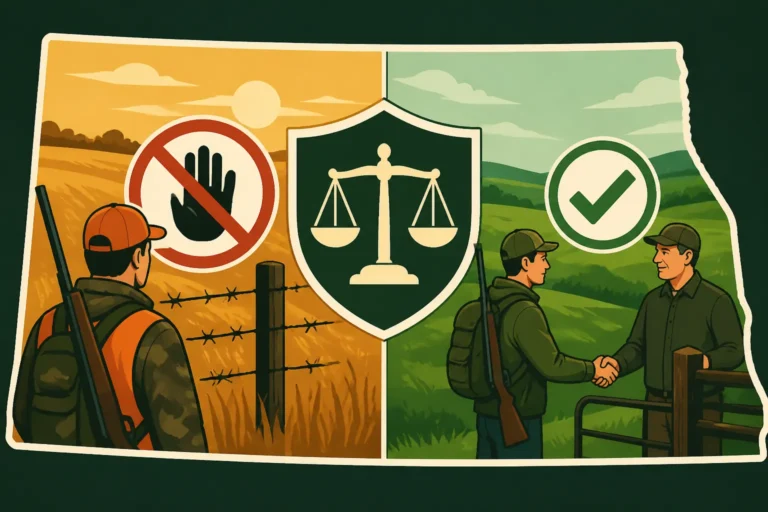
The primary rule for hunting State School Lands is that they must be legally accessible without trespassing on private property. This often means accessing them via section-line roads or through other public access points. It's important to differentiate these from private lands that might simply appear unposted. Always double-check your maps to ensure you're on a legitimate school section or other legally accessible public tract. This requires a bit more homework, but it can lead to finding less-pressured hunting spots that others might miss. Always respect property boundaries and ensure you're not inadvertently trespassing.
Strategies for Successful Public Land Hunting in Bottineau County
Success on public land in Bottineau County, especially within the challenging terrain of the Turtle Mountains or the patchy prairie edges, often comes down to preparation, smart use of tools, and a healthy dose of adaptability. It’s not just about showing up; it’s about having a plan and being ready to change it.
Leveraging Technology: Mapping Your Success
In today's hunting world, digital mapping applications are not just convenient; they are essential, especially when navigating complex public/private land boundaries in a place like Bottineau County. Products like onX Hunt and GoHunt have revolutionized how hunters approach public land. These apps allow you to see precisely where you are in relation to public and private property lines, visualize topography, identify habitat features from aerial imagery, and mark waypoints for stands or game sign.
For hunting in the dense Turtle Mountain timber, these apps are invaluable. You can mark trails, dense bedding areas, or travel corridors, and crucially, prevent yourself from wandering onto private land inadvertently. On the prairie edges, onX Hunt can help you pick out that subtle cattail slough on a PLOTS parcel or identify a brushy draw that provides cover between two crop fields. GoHunt or similar tools can provide valuable insights into potential game concentrations based on habitat types. Knowing exactly where that property line is when you're tracking a deer or setting up on a field edge provides immense peace of mind and keeps you legal. Don't leave home without one of these tools on your phone, and make sure to download offline maps because cell service can be spotty in many rural areas of North Dakota.
Scouting and Adaptability
Scouting is paramount for public land success, and in Bottineau County’s varied terrain, it takes on even more importance. Pre-season scouting allows you to identify game trails, bedding areas, food sources, and pinch points. In the timber, look for rubs, scrapes, and tracks. Along the prairie edges, identify good pheasant cover or waterfowl opportunities. Pay attention to water sources and how game animals are using the landscape. Even driving backroads and glassing distant fields can reveal patterns of movement.
But scouting doesn't end when the season opens. Hunters must be adaptable. A cold front could push deer into denser cover, or a heavy snow might make birds concentrate in specific thermal refuges. Being willing to adjust your strategy on the fly, moving to a different WMA, a fresh PLOTS parcel, or changing your approach based on real-time observations, is often the difference between success and going home empty-handed. Conditions change quickly in North Dakota, and a flexible mindset is a hunter's best friend. Reading Aerial Photos for Badlands Deer might focus on different terrain, but the principles of identifying key features apply here.
Respecting the Resource and Other Hunters
Public land in North Dakota, especially in popular areas like parts of Bottineau County, is a shared resource. Ethical hunting practices and respect for other users are not just good manners; they're essential for preserving access and ensuring everyone has a positive experience. This means leaving no trace, packing out everything you pack in, and being mindful of your noise and presence.
If you encounter another hunter in your chosen spot, a friendly wave or a polite conversation goes a long way. Maybe they are set up for deer and you're after upland birds, or vice-versa. Communication can often resolve potential conflicts before they arise. Avoiding Hunting Pressure on North Dakota Public Land by simply going deeper, getting off the beaten path, or exploring less obvious access points can also lead to more solitary and rewarding experiences. Remember, we're all out there for the same reasons – to enjoy nature and the pursuit of game.
Common Game Species and Seasons in Bottineau County Public Land
Bottineau County's diverse habitat means a diverse array of hunting opportunities. From big game to small game and birds, there's a season and a species for nearly every type of hunter who ventures here.
Deer Hunting: Whitetails in the Woods and Prairie Bucks
Deer are a primary draw for many hunters in Bottineau County. The Turtle Mountains are known for their whitetail deer, which can grow to impressive sizes, offering a unique challenge with their preference for dense timber. Hunting these forest deer often involves slow, deliberate still-hunting through the woods or setting up stands along known travel corridors or pinch points. The North Dakota Deer Population Estimate for these northern units often varies, but good opportunities exist for those willing to put in the work.
As you move south out of the mountains, you’ll find whitetails that utilize shelterbelts, brushy draws, and river bottom cover, often feeding in adjacent agricultural fields. These "prairie bucks" can offer different challenges, often requiring more glassing and strategic approaches to cover. North Dakota's deer gun season typically falls in November, offering prime opportunities, but Bowhunting North Dakota's Long Archery Season can provide even more flexibility and less pressure in the early fall. Remember to always check current season dates and bag limits, as these can change year to year based on deer populations and license allocations.
Upland Birds: Pheasants, Sharptails, and Huns
Bottineau County is a fantastic destination for upland bird hunters. While it might not have the sheer pheasant densities of some southern counties, it offers a great mix. You'll find pheasants in cattail sloughs, thick grass, and shelterbelts along field edges. Often, hunting pheasants here involves working the edge of the Turtle Mountain timber where it meets the agriculture, or focusing on PLOTS parcels with good cover.
Sharptail grouse, North Dakota's native prairie chicken, prefer more open, rolling grasslands. You'll find them on the prairie sections of WMAs or larger PLOTS tracts. Hungarian partridge, often called Huns, are typically found in coveys along roadsides, field edges, and brushy fence lines, often surprising hunters who are focused on other species. A good bird dog can be an invaluable asset for all three species, helping to locate birds holding tight in cover. North Dakota Pheasant and Upland Season Rules will outline what you need to know for these exciting hunts.
Waterfowl and Other Small Game
For waterfowl hunters, Bottineau County offers a mix of opportunities, particularly early in the season before colder weather pushes birds further south. Numerous small lakes and prairie potholes in the region attract migrating ducks and geese. While it's not the primary focus for all hunters, jump-shooting a slough or setting up a small decoy spread on a publicly accessible body of water can yield good results. Checking federal and state regulations, including North Dakota Federal Duck Stamp Requirement and North Dakota HIP Certification for Bird Hunters, is always necessary before heading out.
Beyond birds and deer, Bottineau County also offers opportunities for small game and predator hunting. Rabbits are common in brushy areas, and coyotes are plentiful across the landscape, offering year-round hunting or calling opportunities. These pursuits can be a great way to extend your time afield, particularly outside of the main big game seasons.
| Public Land Type | Primary Hunting Opportunities | Key Considerations |
|---|---|---|
| Wildlife Management Areas | Deer (Whitetail), Pheasant, Sharptail, Waterfowl, Turkey | Managed habitat, often good cover, can see more pressure. Check specific WMA rules. |
| PLOTS (Private Land Open To Sportsmen) | Deer (Whitetail), Pheasant, Sharptail, Hungarian Partridge, Waterfowl | Diverse habitat, landowner cooperation, maps change annually. Check latest maps. |
| State School Lands | Deer (Whitetail), Sharptail, Coyote | Often open prairie or marginal habitat, must have legal access without trespass. |
| National Grasslands (Limited) | Deer (Whitetail), Mule Deer (very limited), Pronghorn (very limited) | Very limited presence in Bottineau, mostly west of region. Generally open access where present. |
Disclaimer
This article is for general informational purposes only and does not constitute professional advice. Laws, prices and regulations vary by location and change over time. Consult a qualified professional for guidance on your specific situation.