North Dakota Trespass and Permission Law
Hunting in North Dakota offers incredible opportunities, but nothing can throw a wrench into a well-planned trip faster than uncertainty about land ownership or the legality of your presence. Many hunters experience that knot in their stomach: Is this posted? Do I have permission? Am I about to accidentally trespass? It's a valid concern, as state laws around private land access can be confusing and often misunderstood. This guide will meticulously break down North Dakota's trespass and permission laws, helping you navigate private and public lands with confidence, respect, and a clear understanding of your responsibilities.
Understanding North Dakota's Posted Land Law
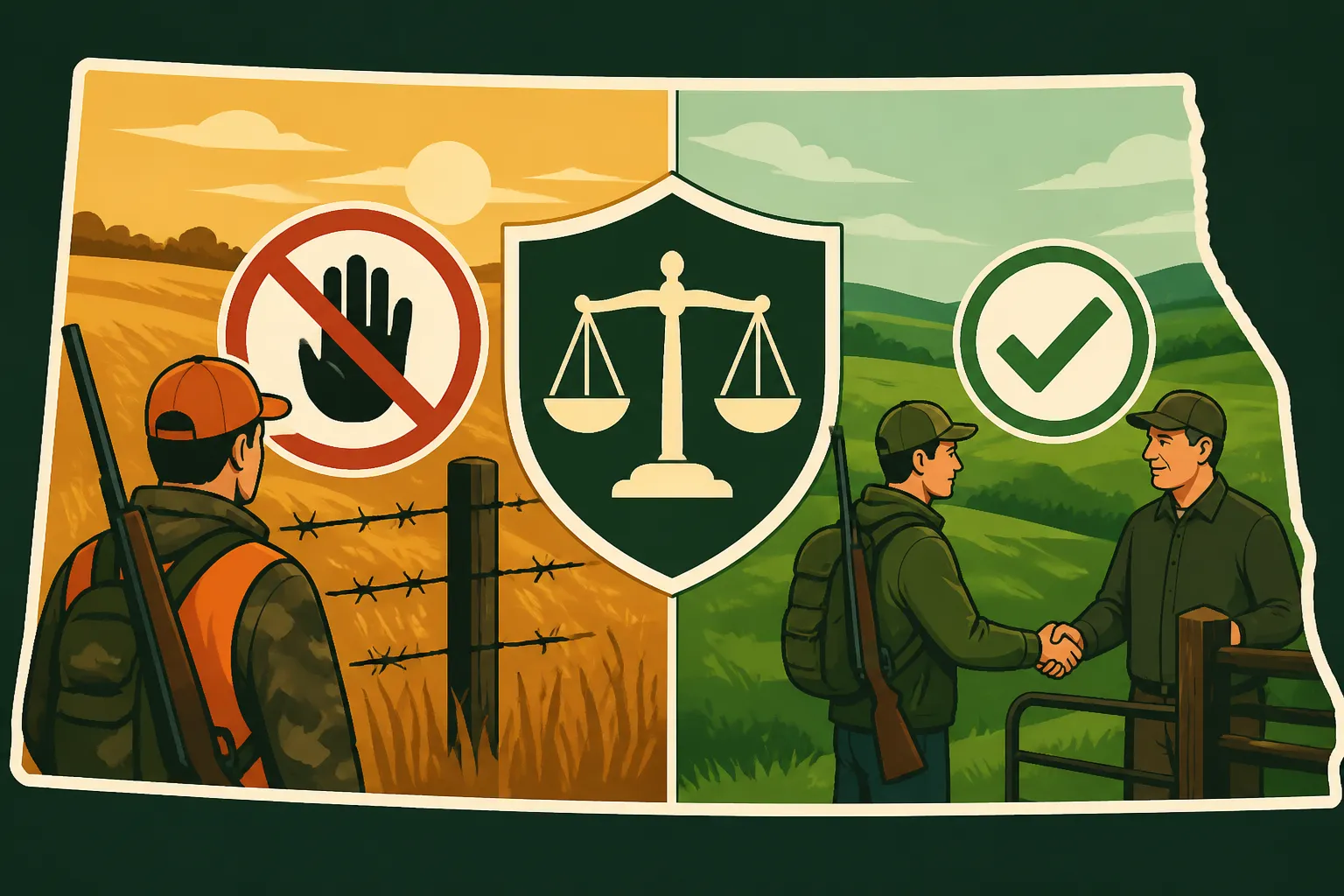
The concept of "posted" land is fundamental to hunting in North Dakota. Unlike some states where landowners might be required to specifically prohibit hunting to make it illegal, in North Dakota, if land is legally posted, you must have permission to be on it for hunting or fishing, plain and simple. This can be a significant point of confusion for out-of-state hunters or even residents who haven't brushed up on the regulations in a while.
What "Posted" Really Means in North Dakota
In North Dakota, "posted" land isn't just a casual sign someone nailed to a fence post. The law has specific requirements for what constitutes legally posted land. For land to be considered legally "posted" against hunting, fishing, or trapping, the signs must meet certain criteria. They typically need to be conspicuous, placed at reasonable intervals, and bear the name of the owner, tenant, or manager. It’s not enough for a sign to simply say "No Hunting." It needs to clearly indicate it’s private property and that entry is restricted. The intent is to give clear, unmistakable notice to anyone approaching the property. The responsibility rests with the landowner to post their property correctly, but as a hunter, it's your responsibility to look for and respect these signs.
Beyond the Sign: Other Ways Land Can Be Posted
While physical signs are the most common form of posting, it’s crucial to understand that they aren't the only way land can be legally posted. A landowner can also explicitly tell you, verbally or in writing, that you do not have permission to be on their property. Once you've received such a direct communication, whether it's from the landowner themselves, a family member, or an authorized agent, that land is considered "posted" to you, regardless of whether there are physical signs. This can happen if you approach a farmhouse to ask for permission and are denied, or if you're encountered in the field and asked to leave. It's also important to remember that certain federal or state properties might have specific regulations that restrict access, even if they don't look like typical "posted" private land. Always consult official maps or apps like onX Hunt to verify boundaries and restrictions.
The Critical Difference: Public vs. Private Land Boundaries
Understanding where public land ends and private land begins is paramount in North Dakota. The landscape here is a patchwork, with various types of public access interspersed with vast expanses of private property. Public lands include areas like Wildlife Management Areas (WMAs), Waterfowl Production Areas (WPAs), and federal lands such as the Little Missouri National Grassland or Sheyenne National Grassland. Then there are also unique programs like the Private Land Open To Sportsmen (PLOTS) program, which provides public access to private land where the landowner has signed an agreement with the state.
The challenge comes in identifying these boundaries, especially in remote areas or where fences might be old or nonexistent. This is where tools become invaluable. Many hunters rely on digital mapping applications like onX Hunt, which clearly delineate property lines, public land boundaries, and even show you which PLOTS tracts are available. Without these tools, especially when you’re Finding North Dakota Property Lines in unfamiliar territory, you run a much higher risk of inadvertently stepping onto private land without permission. Always verify your location, especially when working a fenceline or moving through mixed habitat.
The Unspoken Rule: Always Ask for Private Land Permission
Even when land isn't explicitly posted with signs, hunting on private property in North Dakota generally requires permission. This is a crucial distinction and a point of frequent misunderstanding. While the law focuses on posted land, the ethical and practical reality is that responsible hunting means always asking.
Why a Knock on the Door Builds Bridges
Imagine you’re a landowner, and you see someone hunting on your property without having spoken to you. Even if they mean no harm, it can feel like an invasion. A simple knock on the door or a phone call to request permission goes a long, long way. It shows respect, acknowledges their ownership, and often opens doors to opportunities you wouldn’t have otherwise. Many North Dakota landowners are incredibly generous people, proud of their land, and are often willing to grant access to polite, respectful hunters. This isn't just about avoiding a ticket; it's about fostering goodwill between hunters and landowners, which is vital for the future of hunting in the state. Don't underestimate the power of a friendly conversation.
Beyond Legality: The Ethics of Access
Beyond the legal requirements, there’s a strong ethical component to seeking permission. Landowners invest time, money, and effort into their property. They manage it for crops, livestock, and often for wildlife. By asking, you're respecting that investment and their privacy. It also helps prevent negative stereotypes about hunters. When hunters consistently demonstrate respect for private property, it reinforces a positive image of the hunting community. Conversely, ignoring this step can lead to animosity, increased "No Hunting" signs, and stricter regulations for everyone. It's a small effort that yields significant, long-term benefits for the sport.
Cultivating Relationships with Landowners
The best hunting spots often come from long-standing relationships with landowners. A one-time request for permission might get you on the land for a day, but building a relationship can secure access for years. This means doing more than just showing up with a gun. Offer to help with chores, pick up trash, or even just check on their property from time to time. Leave the land better than you found it. If you promise to call before coming, always follow through. If you harvest an animal, offer a small portion of the meat as a thank you. Even simply sending a thank you card after your hunt can make a huge difference. These gestures of appreciation and responsibility can turn a one-off hunt into a treasured annual tradition, perhaps even opening up opportunities to hunt different species like Fall Turkey Hunting in North Dakota or deer in prime areas.
Navigating the Types of Permission: Verbal, Written, and Implied
The form permission takes can be as varied as the land itself, and understanding the nuances of verbal versus written permission is crucial for ensuring you're always on the right side of the law and landowner expectations. While a friendly chat might feel sufficient, the legal reality often prefers something more concrete.
When a Handshake is Enough (and When It Isn't)
North Dakota law generally recognizes both verbal and written permission for hunting on private land that is not legally posted. If the land is not posted, and you simply ask a landowner, and they say "yes, go ahead," that verbal agreement is legally sufficient. However, this relies entirely on memory and trust. What if the landowner forgets? What if a neighbor or family member sees you and misunderstands, thinking you're trespassing? Or, what if the landowner's interpretation of "permission" differs from yours?
For posted land, the rules become more stringent. To hunt on posted land, the permission must be specific. While North Dakota law does not always require written permission for all hunting on posted land, having it is always the safest bet. The ambiguity of verbal permission can lead to uncomfortable situations or even legal trouble, especially if there's a dispute.
The Gold Standard: Why Written Permission Protects Everyone
For maximum clarity and protection, written permission is the gold standard. A simple written note, signed by the landowner, clearly stating the dates, the specific property, and the activity (e.g., deer hunting) for which permission is granted, removes all doubt. It protects you from accusations of trespassing and protects the landowner by setting clear boundaries and expectations. This is especially true for nonresident hunters or those traveling long distances, as it prevents miscommunication if you encounter another party claiming to represent the landowner. When you’re planning a trip around a specific species, like perhaps for White-Tailed Deer Across North Dakota, having everything in writing provides immense peace of mind.
Here's a simple comparison of verbal vs. written permission:
| Feature | Verbal Permission | Written Permission |
|---|---|---|
| Clarity | Can be ambiguous; open to interpretation. | Clear, explicit, reduces misunderstanding. |
| Proof | Relies on memory; difficult to prove in a dispute. | Tangible document; easy to present as evidence. |
| Scope | Often general; can lead to assumptions about boundaries. | Can specify exact areas, dates, and species allowed. |
| Protection | Limited protection for both parties. | Strong protection for both hunter and landowner. |
| Duration | Often implied for a single instance or short period. | Can specify exact season, year, or ongoing arrangement. |
| Best For | Unposted land, quick requests, short-term access. | Posted land, long-term access, nonresident hunters. |
Specific Scenarios and Permission Needs
Certain hunting activities or locations might have even more specific requirements for permission. For instance, when hunting with a firearm during North Dakota's general gun deer season, if you're on posted land, you absolutely need permission. Similarly, if you're engaging in activities that might disturb livestock or property, clear communication and permission are critical. Be aware of additional regulations, such as North Dakota Blaze Orange Requirements, which are universally applied for safety, but permission laws are specific to land access. When planning your hunt, consider the specific nature of your activity and the landowner's concerns. Are you driving a vehicle off-trail? Are you bringing dogs? Will you be setting up a deer stand? These details should ideally be discussed and clarified when obtaining permission.
Common Pitfalls and the Realities of Trespass Penalties
Despite best intentions, mistakes can happen. However, in the eyes of the law, "I didn't know" or "I didn't see a sign" often doesn't cut it. Understanding common pitfalls and the serious consequences of trespassing is essential for every hunter.
Debunking "Accidental" Trespass Excuses
The most common excuse for trespassing is that it was accidental. Hunters might claim they didn't see signs, thought they were on public land, or didn't realize a boundary line existed. While these situations might be genuine, they typically don't negate the act of trespassing in North Dakota. The onus is on the hunter to know where they are. This is why tools like onX Hunt are so incredibly valuable; they leave very little room for ambiguity about property lines. Without such tools, navigating areas with complex ownership patterns, especially where Hunting North Dakota's Badlands Mule Deer Country meets ranch land, can be a minefield. Saying you didn't know isn't a defense against a citation; it merely explains your lack of due diligence.
The Steep Price of Disregard
Trespassing, even if accidental, carries significant penalties in North Dakota. It can range from a simple fine to more severe consequences, especially if combined with other violations (e.g., hunting out of season, hunting without a license, or damaging property). The financial penalties can quickly add up, and a conviction can lead to the loss of hunting privileges for a period, not just in North Dakota but potentially in other states as well through interstate compacts. Beyond the legal ramifications, there's the damage to your reputation as a responsible hunter and the trust between landowners and the hunting community. For example, if you trespass while pursuing big game during North Dakota's November Gun Deer Season, you could face a substantial fine, and your deer tag could be revoked.
What to Do If You Find Yourself in a Sticky Situation
If you realize you've inadvertently trespassed, or if a landowner or law enforcement officer confronts you, the best course of action is always to be respectful, cooperative, and honest.
- Stop immediately: Do not try to run or hide.
- Remain calm and polite: Even if you feel you're in the right, arguing or becoming aggressive will only escalate the situation and make things worse.
- Identify yourself and explain your presence: State clearly that you believed you were on legal ground or that you made a mistake.
- Comply with requests: If asked to leave, do so immediately and without complaint. If asked for your license or ID, provide it.
- Do not admit guilt, but don't lie: You can state facts without making legal admissions. For example, "I thought this was public land according to my map, and I apologize if I was mistaken" is better than "I know I messed up."
- Contact legal counsel if necessary: If you receive a citation or believe you're being unfairly targeted, seek legal advice.
Remember, honesty and respect can often de-escalate a situation, even if it doesn't prevent a citation.
Leveraging Modern Tools for Responsible Land Access
In today's world, there's no longer an excuse for not knowing whose land you're on. Technology has revolutionized how hunters access and navigate hunting areas, making it easier than ever to be a responsible and informed sportsman.
Mapping Apps as Your Digital Compass
The days of cumbersome paper plat maps are largely behind us, although carrying a physical map as a backup is always a good idea. Modern mapping applications, such as onX Hunt, have become indispensable tools for hunters. These apps provide detailed satellite imagery overlaid with property ownership boundaries, public land designations, and even PLOTS program areas. They use your phone's GPS to pinpoint your exact location on these maps, allowing you to see in real-time whether you're standing on public land, a PLOTS tract, or private property. This precision is critical, especially when Hunting a Shelterbelt Edge for Deer where property lines can be less defined. They also often include information on topography, vegetation types, and access roads, helping you plan your approach and avoid accidental trespass.
Identifying Landowners and Making Contact
Many mapping apps, including onX Hunt and GoHunt, not only show property lines but also list the landowner's name for private parcels. This information is a game-changer for obtaining permission. Instead of driving around hoping to spot a mailbox, you can identify the owner directly from the app. From there, you can often find contact information through local county websites or a simple online search. This allows you to make a polite, informed request for permission, rather than an unexpected knock on the door, which can sometimes be startling for landowners. Having done your homework beforehand shows preparedness and respect, increasing your chances of getting a "yes."
Precise Boundary Management in the Field
Even with the best maps, boundaries can sometimes be confusing on the ground. A fenceline might be down, or a survey marker might be obscured. Mapping apps allow you to mark waypoints, measure distances, and track your movements. You can drop a pin right on a property corner you've identified, creating a clear visual reference in the field. This precise boundary management helps you stay on track and ensures you don't inadvertently cross into prohibited areas. For instance, when you're meticulously Scouting PLOTS Land Before Season, marking boundaries and potential entry points on your app can save you a lot of headache during the actual hunt. It’s about being proactive and using all available resources to be the most responsible hunter you can be.
The Delicate Dance: Retrieving Game from Neighboring Private Land
One of the most stressful situations a hunter can face is when a lawfully shot animal crosses onto private land where they don't have permission. This is a common occurrence, particularly in areas with mixed ownership, and North Dakota law has specific provisions for it.
Legal Rights and Responsibilities When a Shot Animal Crosses
In North Dakota, if you lawfully shoot an animal, and it travels onto private property where you do not have permission to hunt, the law allows you to retrieve that animal without prior permission, under specific conditions. However, this is a very narrow right and comes with strict responsibilities. You cannot carry a firearm or bow when retrieving the animal on someone else's property without permission. Your only intent must be the retrieval of the game. This means no "incidental hunting" or looking for other animals. You are essentially exercising a right to retrieve your property, not a right to trespass for hunting. This particular aspect of the law is one of the most frequently misunderstood, and misunderstanding it can lead to severe penalties. For a detailed breakdown, you can review specific state guidelines on Retrieving Game From Private Land in North Dakota.
Best Practices for a Respectful Retrieval Request
While the law grants a limited right of retrieval without permission (no firearm/bow), the best practice is still to make every reasonable effort to contact the landowner and request permission before going onto their land, even for retrieval.
Here’s why and how:
- Goodwill: It maintains good relations with landowners. Showing respect goes a long way.
- Safety: The landowner might be actively working in that area, or have livestock. Contacting them prevents potential accidents.
- Clarity: They might offer assistance or guidance on the easiest access point.
- Documentation: If you can’t reach them and must retrieve the animal without permission, document your efforts to contact them (e.g., time of calls, texts, knocking on door).
- Leave your weapon behind: This is paramount. Do not carry any hunting implement onto the property.
Imagine a situation where you've just shot a trophy buck that ran onto a neighboring farmer's field. You identify the property with your GoHunt app and find the landowner's number. A quick, polite call explaining the situation can prevent misunderstandings and potentially earn you future hunting access. If they allow you to retrieve it with your weapon, great, but otherwise, you still must follow the law.
Planning Ahead to Minimize Cross-Boundary Tracking
The best way to handle this situation is to avoid it altogether, or at least minimize the chances. This involves strategic planning and understanding the land you're hunting:
- Know your boundaries: Use your mapping apps to understand property lines, especially near where you anticipate taking a shot.
- Position yourself carefully: If possible, try to position yourself so that a shot animal is more likely to expire on land you have permission to hunt, or on public land.
- Hunt near edges with caution: When hunting near a fenceline or boundary, be extra vigilant about shot placement and understanding the animal's likely travel path after a hit.
- Track aggressively: Once you make a shot, track the animal quickly and efficiently to prevent it from traveling further than necessary. This is especially important when you’re Blood Trailing After Dark in North Dakota. The quicker you find it, the less chance it has to cross property lines.
- Carry a drag rope: Be prepared to retrieve the animal quickly and efficiently, minimizing your time on potentially restricted land.
By being proactive and understanding both your rights and responsibilities, you can ensure a safer, more ethical, and ultimately more enjoyable hunting experience in North Dakota.
Disclaimer
This article is for general informational purposes only and does not constitute professional advice. Laws, prices and regulations vary by location and change over time. Consult a qualified professional for guidance on your specific situation.