North Dakota Muzzleloader Unit Availability
Hunting deer in North Dakota during the muzzleloader season is a dream for many, but the reality of securing a tag and knowing where you can even hunt with that primitive weapon can feel like navigating a maze blindfolded. Many hunters, especially those new to the state or new to muzzleloading, get frustrated trying to decipher the unit availability and application process. This guide is here to untangle that knot, walking you through everything you need to know about North Dakota's muzzleloader unit availability, from applying for a tag to understanding the nuances of hunting these special seasons.
The Unique Appeal of North Dakota Muzzleloader Hunting
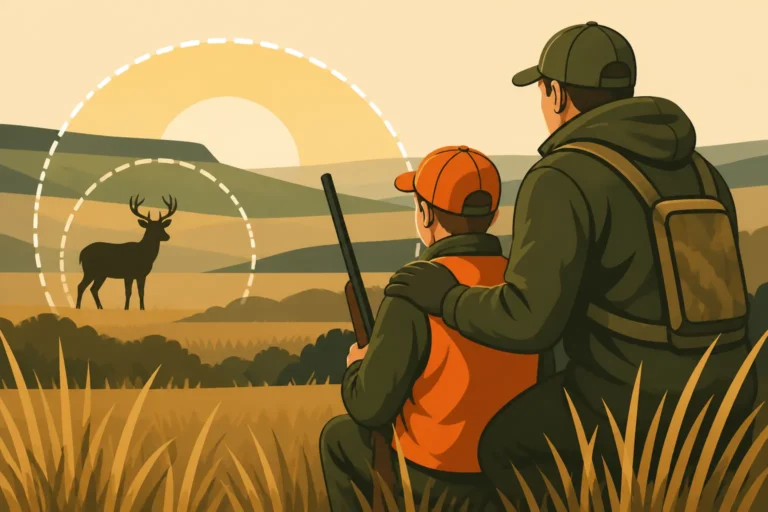
There's something truly special about hunting with a muzzleloader. It’s a return to tradition, a slower pace, and often, an opportunity to be in the field during a unique window when other seasons might be closed. In North Dakota, the muzzleloader season offers a distinct experience, setting it apart from the general gun or archery seasons.
Why Choose Muzzleloader Season?
For many, the allure of the muzzleloader season is multi-faceted. First, it often falls after the chaos of the general gun season, leading to a quieter woods or prairie. The deer have settled back into more predictable patterns, and while they might be a bit more wary, the sheer volume of human presence has usually diminished significantly. This means you might find less competition on public lands, or even on private lands where access is granted. It’s a chance to immerse yourself in the late-fall landscape, often with the added beauty of fresh snow, without the constant sound of rifle shots echoing across the fields.
Beyond the quiet, there's the challenge. Muzzleloaders demand a different kind of hunting. You're typically limited to one shot, making shot placement and ethical harvesting paramount. The effective range is generally shorter than modern rifles, pushing hunters to hone their stalking and woodsmanship skills. It’s a rewarding pursuit that tests patience, precision, and a deeper connection to the hunt itself. If you've ever felt the gun season was too fast-paced or crowded, the muzzleloader season often provides a much-needed antidote, offering a more serene and contemplative hunting experience.
Understanding the Muzzleloader Advantage
While it presents challenges, the muzzleloader can also offer distinct advantages. One significant factor is the timing. The North Dakota muzzleloader season typically opens after the primary rifle season, often extending into the first few weeks of December. This period can coincide with some excellent late-season deer activity, particularly as deer are focused on prime food sources before the harsh grip of winter truly sets in. Bucks, having survived the rut and the gun season, are often focused on rebuilding their energy reserves. This can make them more predictable in their movements between bedding and feeding areas.
Furthermore, because fewer tags are often issued, and the weapon restriction adds a layer of difficulty, the hunting pressure can be considerably lower. This reduction in pressure can translate to more natural deer behavior. Instead of deer being constantly spooked, they might move more openly, providing unique opportunities for careful hunters. For those who prioritize solitude and a more primitive hunting style, the muzzleloader season feels like a true advantage, providing a special window into the deer woods that few others experience.
Historical Context of North Dakota Muzzleloader Season
The history of muzzleloader hunting in North Dakota is rooted in providing additional hunting opportunities and preserving a traditional hunting method. Initially, it was a way to extend the deer season and manage deer populations effectively across various units, particularly after the general gun season had already run its course. It also appeals to a specific demographic of hunters who cherish the heritage and unique demands of black powder firearms.
Over the years, the regulations have evolved, reflecting changes in deer populations, hunting pressure, and management goals. What started as a niche opportunity has become a highly anticipated season for many residents. The North Dakota Game and Fish Department (NDG&F) carefully monitors herd health and tag allocations, ensuring that these special seasons contribute to overall wildlife management without over-pressuring specific units. Understanding this historical context helps appreciate why the season is structured the way it is, providing a thoughtful balance between opportunity and conservation.
Decoding North Dakota's Muzzleloader Unit System
Navigating the landscape of North Dakota's muzzleloader units can be complex, as availability varies annually and is tightly linked to the statewide deer lottery. It’s not a simple case of showing up with a muzzleloader; you need a specific tag for specific units.
Overview of Available Units
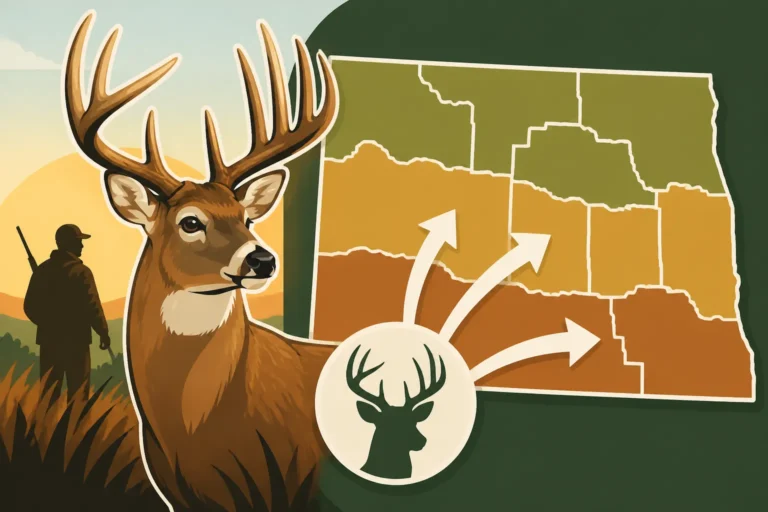
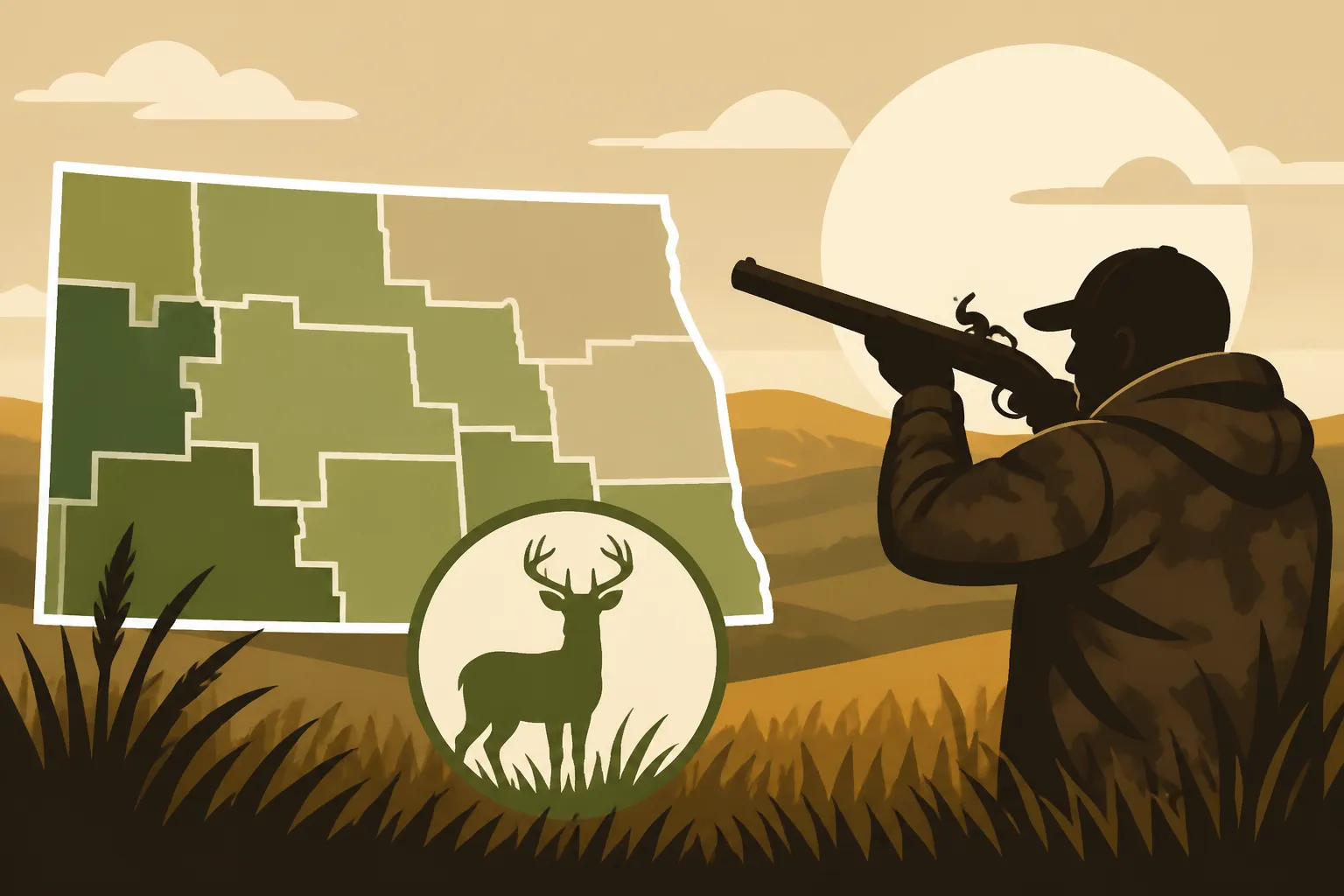
Unlike a general statewide archery tag, muzzleloader tags in North Dakota are typically unit-specific. This means when you apply for your deer license, you're not just applying for a muzzleloader tag, but for a muzzleloader tag within a designated hunting unit. These units are generally the same Deer Management Units (DMUs) used for the rifle season. The NDG&F determines which of these units will have muzzleloader tags available each year, and how many of those tags will be "any-deer" (allowing a buck or doe) or "antlerless-only." This annual allocation is based on population surveys, winter severity, and previous harvest data.
It’s crucial to understand that not every unit will have muzzleloader tags available every year, and the number of "any-deer" tags is almost always significantly lower than "antlerless-only" tags, especially in units where buck populations need to recover. Hunters will need to consult the current year's hunting proclamation from the NDG&F to see the precise units open for muzzleloader hunting and the types of tags offered. Ignoring this step can lead to a lot of frustration, or worse, an illegal hunt.
Identifying High-Demand vs. Lesser-Known Units
Just like in the gun season, certain units for muzzleloader hunting will invariably be in higher demand. These are often units known for producing larger deer, having excellent habitat, or possessing a higher proportion of public land. Units in the Badlands, for instance, known for their mule deer and whitetail populations, tend to see a higher volume of applications for any-deer tags. Similarly, river bottom units along the Missouri or James River, with their thick cover and prime food sources, are often sought after.
Conversely, there are often lesser-known units or those with a higher percentage of antlerless-only tags that might have better draw odds. These units might offer fantastic hunting, especially if your goal is simply to fill the freezer or if you're willing to put in the effort to find deer where others might overlook them. Areas with significant agricultural land, interspersed with smaller woodlots or CRP fields, can hold good numbers of deer, particularly for antlerless tags. Using resources like the North Dakota Deer Harvest Records can provide insights into which units historically yield good results, helping you make an informed decision when applying. Sometimes, finding success means looking past the "trophy unit" mentality and focusing on areas that offer a solid hunting experience with better odds.
Resident vs. Non-Resident Unit Access
This is where things get a bit tricky, and it's a point of significant frustration for many hunters from outside the state. North Dakota's muzzleloader deer licenses are almost exclusively reserved for residents. Non-residents cannot typically apply directly for a standalone muzzleloader deer tag through the lottery. The only pathway for a non-resident to hunt deer with a muzzleloader in North Dakota is if they first draw a non-resident archery deer license, and then purchase a separate muzzleloader endorsement.
This means that for non-residents, the choice of "muzzleloader units" is generally restricted to whatever unit they drew their archery tag for. Furthermore, even with an archery tag and muzzleloader endorsement, non-residents face additional restrictions on public land access during specific early portions of the archery season, though these usually lift by the time muzzleloader season rolls around. This policy is primarily in place to prioritize hunting opportunities for North Dakota residents, especially for species with limited tags or high demand. It’s a system designed to manage nonresident pressure and ensure local hunters have ample access. If you're a non-resident considering a muzzleloader hunt, your first step must always be to understand the North Dakota Nonresident License Options and how they relate to the archery season.
Strategies for a Successful Muzzleloader Application
Applying for a muzzleloader tag in North Dakota is part of the general deer lottery, meaning you need a well-thought-out strategy to maximize your chances, especially for those coveted any-deer tags.
The Application Process and Deadlines
The application process for North Dakota deer tags, including muzzleloader, is integrated into the larger lottery system managed by the NDG&F. Typically, the application period opens in May and closes in early June. This is a crucial window that cannot be missed. You'll apply online through the NDG&F portal, selecting your first and second choice units, and indicating whether you're applying for an "any-deer" or "antlerless-only" license. For muzzleloader, you'll specifically select the "muzzleloader" weapon type. It's essential to double-check all your selections before submitting, as errors can easily lead to a missed opportunity.
The draw results are usually announced in July, giving successful applicants ample time to plan their hunts. If you're unsuccessful in the first draw, there might be a second lottery for remaining tags, or you might be able to purchase bonus antlerless tags later in the season. However, muzzleloader tags are often fully allocated in the initial draw, especially for any-deer permits. Staying on top of the North Dakota Deer Gun Lottery Application Process timelines and understanding the options is paramount.
Researching Units with GoHunt and Other Resources
Making an informed decision about which unit to apply for is critical. This is where diligent research comes into play. The NDG&F website is your primary source for annual hunting proclamations, which detail the available units, tag types, and season dates. However, third-party platforms like GoHunt can be incredibly valuable tools for deeper analysis. GoHunt, for example, often aggregates historical draw odds, harvest data, and unit-specific information, presenting it in an easily digestible format. You can often see trends in application numbers, success rates, and even population estimates per unit.
Beyond these platforms, scouting maps and satellite imagery (like those found on onX Hunt or Google Earth) are invaluable. They allow you to virtually scout potential public land tracts, identify bedding areas, travel corridors, and late-season food sources. Pay attention to how units are impacted by the North Dakota's Expanding CWD Hunting Units as this might affect specific regulations or testing requirements if you draw a tag in one of those areas. Combining official state data with advanced mapping tools and detailed analysis from sites like GoHunt gives you a significant edge in selecting the best unit for your hunting style and desired outcome.
Considering Preference Points and Draw Odds
North Dakota uses a preference point system for its deer lottery, which can significantly influence your chances of drawing a tag, especially for high-demand muzzleloader units or any-deer permits. For every year you apply for a deer license and are unsuccessful, you accrue a preference point. These points are then applied in subsequent years, increasing your odds in future draws. It's a system designed to reward persistence.
Understanding how preference points affect North Dakota Preference Point System Explained and the specific draw odds for muzzleloader tags in your desired units is vital. For instance, an "any-deer" muzzleloader tag in a prime Badlands unit might require several preference points to draw, while an "antlerless-only" tag in a lesser-pressured agricultural unit might be drawn with zero or very few points. Analyze the previous year's draw statistics available on the NDG&F website or through tools like GoHunt. If you're starting with zero points, consider applying for units with higher available tags or lower demand to build points while still having a reasonable chance of drawing a tag. This strategic approach can turn years of frustration into a consistent path to a tag.
| Muzzleloader Tag Type | Typical Availability | Draw Odds (Low Points) | Typical Habitat | Primary Goal |
|---|---|---|---|---|
| Any-Deer Muzzleloader | Limited (Specific DMUs) | Low (Often 3+ points needed) | Badlands, River Bottoms | Trophy Buck, Meat |
| Antlerless-Only Muzzleloader | Moderate (Wider DMU range) | Moderate to High (0-2 points) | Farm Country, CRP, Smaller Woodlots | Meat |
Gear, Regulations, and Field Preparations for Muzzleloader Hunting
Once you've successfully drawn a North Dakota muzzleloader tag, the real work of preparation begins. This involves understanding the specific gear requirements, adhering to the regulations, and putting in the legwork to prepare your hunting area.
Essential Muzzleloader Equipment
Hunting with a muzzleloader requires a specific kit that differs from modern rifle hunting. First and foremost, you'll need a reliable muzzleloader. This could be a traditional flintlock or percussion rifle, or a modern in-line model. Ensure your chosen firearm is legal for the North Dakota muzzleloader season. Generally, this means a .45 caliber or larger, shooting a single projectile. You'll also need black powder or an approved black powder substitute (like Triple Seven or Pyrodex), appropriate primers or percussion caps, and suitable projectiles (lead conical bullets or sabot rounds). Don't forget a powder measure, a ramrod, cleaning supplies specific to black powder, and a bullet starter.
Beyond the firearm itself, consider the challenging weather conditions often encountered during the late North Dakota season. Warm, layered clothing is crucial. Good quality waterproof boots are non-negotiable, especially if you're navigating snow or frozen ground. A reliable rangefinder is a must, given the shorter effective range of muzzleloaders. Binoculars will aid in spotting deer and confirming your target. A sturdy backpack to carry your essentials, including extra powder charges and projectiles, is also important. Remember, you'll be Hunting a Muzzleloader Unit After Gun Season Closes, so be prepared for colder conditions and potentially more cautious deer.
Specific Muzzleloader Season Regulations
North Dakota has clear regulations governing muzzleloader season, and it's your responsibility to know them. The NDG&F hunting proclamation will detail the precise North Dakota Muzzleloader Season Dates for the current year. Pay close attention to legal shooting hours, which are typically one-half hour before sunrise to one-half hour after sunset. Understand the blaze orange requirements; even with a muzzleloader, you'll likely need to display a minimum amount of blaze orange, similar to the general gun season, for safety.
One critical aspect is weapon legality. Ensure your muzzleloader meets the minimum caliber requirements (generally .45 caliber or larger) and only fires a single projectile. The use of scopes is usually allowed, but check for any specific restrictions on magnification or electronic enhancements, though these are rare for muzzleloaders. Also, be aware of any baiting restrictions, especially if hunting on National Grasslands or in CWD zones. These regulations are in place for safety, fair chase, and wildlife management, so adhering to them is not just about compliance, but about being a responsible hunter.
Scouting and Preparing Your Chosen Unit
Once you've drawn your tag, the real planning for your hunt begins. Scouting your chosen unit, even virtually, is paramount. Since muzzleloader season often coincides with late November and early December, focus on identifying Late-Season Food Sources for North Dakota Whitetails. This could include standing corn, soybean fields, winter wheat, or even pockets of natural browse that remain palatable. Deer will be heavily concentrated around these energy-rich areas.
Look for transition areas between bedding cover and these food sources. River bottom timber, thick cattail sloughs, or dense shelterbelts provide crucial thermal and security cover, especially as temperatures drop. If possible, put boots on the ground to confirm travel routes, locate fresh sign, and identify potential ambush points. While you won't be Rattling and Decoying Prairie Pothole Bucks during muzzleloader season, understanding their movements and bedding habits in these colder conditions is key. Pay attention to wind direction and thermals, which become even more critical when trying to get within the closer range required for a muzzleloader shot. The more prepared you are before stepping foot in the field, the higher your chances of success.
Tactics for Hunting Muzzleloader Deer in North Dakota
Hunting deer with a muzzleloader in North Dakota, particularly in the late season, requires a different set of tactics than earlier hunts. The deer are wiser, the weather is colder, and your weapon demands a disciplined approach.
Hunting the Late-November Muzzleloader Units
The late-November period, right after the general gun season has concluded, presents a unique challenge and opportunity. Deer have just been through a gauntlet of pressure, making them exceptionally wary. They'll often shift to more nocturnal patterns or stick to the densest cover during daylight hours. Your tactics here need to prioritize stealth, patience, and a deep understanding of deer behavior under pressure. Focus on low-impact hunting, minimizing your presence. This might mean long sits overlooking prime feeding areas at dawn and dusk, or slow, methodical still-hunting through thick cover during midday when deer are most likely bedded.
Consider areas that received less pressure during the gun season, or those with significant amounts of secure cover. Hunting the Late-November Muzzleloader Units often means dealing with deer that have learned to avoid open areas. Look for bottlenecks, pinch points, and natural funnels that deer use to move discreetly between bedding and feeding. A good strategy here might involve using a ground blind brushed into natural cover or carefully selecting a natural hide in a dense thicket. Remember, a muzzleloader demands a close shot, so getting into position undetected is paramount.
Adapting to Post-Gun Season Pressure
Deer that survive North Dakota's general gun season are exceptionally adept at avoiding hunters. They've heard the shots, smelled the human scent, and witnessed the disruption. This means their core bedding areas become even more sacred, and their travel routes become more discreet. Forget the wide-open movements you might see in early archery season. Now, deer are hugging cover, using every ditch, shelterbelt, and treeline to their advantage. You need to think like a pressured deer.
This adaptation means you, as the hunter, must also adapt. Aggressive tactics like deer drives, while sometimes effective, can push deer completely out of an area. Instead, consider quiet, solitary methods. Still-Hunting North Dakota's Missouri River Bottomland or slowly working a heavy shelterbelt can be incredibly effective. Focus on observing from a distance, using optics to pick apart cover before moving. Look for subtle signs of fresh activity, understanding that deer might move only during low light. The less you disturb the area, the more likely deer are to resume somewhat normal patterns, increasing your chances of an ethical muzzleloader shot.
Dealing with North Dakota's December Cold Snaps
Hunting in December in North Dakota often means battling extreme cold, snow, and biting winds. These conditions dictate both how you hunt and how deer behave. During a significant Hunting Into a December Cold Snap, deer will prioritize warmth and energy conservation. They'll seek thermal cover – dense evergreens, thick willows in river bottoms, or deep draws out of the wind. Their activity might increase during warmer parts of the day, but their overall movement could be reduced to minimize energy expenditure.
Your strategy must account for this. Layering your clothing is absolutely essential, with quality base layers, insulating mid-layers, and a windproof, waterproof outer shell. Hand and foot warmers can make long sits bearable. Focus on hunting midday, when the sun offers some warmth and deer might be up stretching or feeding. Food sources that provide quick energy, like standing corn or beans, become even more attractive. Consider implementing a Cold-Weather Sitting Strategy on the Prairie, which might involve shorter sits or strategically placing blinds out of the wind. A warm thermos of coffee or soup can be a morale booster and help maintain core body temperature. Being prepared for the cold isn't just about comfort; it's about safety and ensuring you can stay in the field long enough to be successful.
After the Shot: Processing and Reporting Your Muzzleloader Deer
Successfully harvesting a deer with a muzzleloader in North Dakota is a moment of triumph, but the hunt isn't truly over until the animal is properly processed, reported, and handled according to regulations.
Field Dressing and Transport Challenges
The moment of truth arrives, and you've harvested your muzzleloader deer. Now, the practical challenges begin. Given the late season, temperatures are often cold, which is a blessing for meat preservation but can make field dressing a chilling task. Be sure to have a sharp knife, game bags, and gloves (preferably waterproof) ready. Field Dressing a Deer in Cold Weather should be done efficiently to cool the carcass. If you're deep in a unit, dragging a deer out of a coulee or across frozen fields can be exhausting. Consider bringing a deer cart or sled, especially if there's snow, to ease the burden.
Transporting the carcass correctly is also vital. The tag must be immediately affixed to the deer as specified by NDG&F regulations. Ensure the deer is visible and legally transported to your processing location. If you plan to take your deer to a commercial processor, call ahead to confirm their operating hours, especially during late season. Keep the meat cool and clean to ensure the best possible table fare.
North Dakota Deer Reporting Requirements
North Dakota requires all deer harvested, including those taken during the muzzleloader season, to be reported. This is not just a formality; it's a critical component of wildlife management, providing the NDG&F with valuable data on harvest rates and population trends. Reporting is typically done online through the NDG&F website or their mobile app. You'll need your license number, the date of harvest, the unit where the deer was taken, and the sex of the deer.
It's imperative to report your deer promptly, usually within 24-48 hours of harvest, though specific deadlines are outlined in the annual proclamation. Failure to report your harvest can result in penalties. The data collected from these reports directly influences future tag allocations and season structures, so your participation is crucial for the health of North Dakota's deer herds. Make sure you understand the North Dakota Deer Reporting Requirements to avoid any issues.
Handling Venison from CWD Units
With the increasing presence of Chronic Wasting Disease (CWD) in North Dakota, particularly in the state's North Dakota's Fourteen-Unit CWD Zone, there are specific protocols to follow if you harvest a deer in one of these designated units. The NDG&F may mandate CWD testing for deer harvested in certain units, especially for bucks. This often involves submitting the deer's head to a designated CWD sampling station. You'll want to check the current year's proclamation for mandatory testing requirements in your specific unit.
If mandatory testing is required, ensure you understand how to properly collect and submit the sample. You may also be subject to specific carcass transportation restrictions when moving deer from a CWD-positive unit, generally meaning the brain and spinal cord must be left in the unit of harvest. These measures are designed to monitor the spread of CWD and protect the deer herd. While it adds an extra step to your post-hunt routine, it's a small price to pay for the long-term health of the resource. Understanding CWD Testing for North Dakota Hunters is increasingly important for all deer hunters in the state.
Disclaimer
The information provided in this guide is for general informational purposes only and is not intended as legal advice. Hunting regulations and license availability in North Dakota can change frequently. Always consult the most current North Dakota Game and Fish Department (NDG&F) hunting proclamation and official resources before planning and executing any hunt. It is the hunter's responsibility to know and follow all applicable laws and regulations.