Which Nine Days Are Resident-Only for Waterfowl
Planning a waterfowl hunt in North Dakota can feel a bit like solving a puzzle, especially when you encounter rules that differentiate between residents and non-residents. Many hunters, particularly those from out of state, get tripped up by specific resident-only days for waterfowl hunting, which can definitely throw a wrench into even the best-laid plans. This guide is here to clarify exactly when these restrictions apply, what they mean for your hunt, and how you can still have an incredible waterfowl experience in the Peace Garden State.
Understanding North Dakota's Waterfowl Hunting Landscape
North Dakota is, without a doubt, a mecca for waterfowl hunters. The state sits squarely in the heart of the Prairie Pothole Region, often called the "duck factory" of North America. Millions of ducks and geese migrate through, or even nest here, making it an incredibly productive area. However, with such abundant resources, it's natural for states to implement regulations that aim to manage game populations and, sometimes, prioritize opportunities for their own residents.
These regulations aren't meant to be roadblocks, but rather a way to ensure sustainable hunting for everyone in the long run. For non-residents, though, they can certainly feel like a bit of a maze. You spend countless hours researching, packing, and making travel plans, only to discover a specific window where your target species is off-limits. It's a common frustration, but with a little understanding, it's easily navigated. Knowing the rules, especially those tied to the calendar, is paramount to a successful and legal hunt.
The Rationale Behind Resident-Only Seasons
You might wonder why a state would implement such a restriction. The primary reason, as with many states, is to give resident hunters a preferential period to enjoy their state's natural resources. North Dakota residents contribute to conservation efforts through their license fees, taxes, and direct involvement year-round. Providing them with an exclusive opening period for waterfowl allows them to experience less crowded conditions and have the first crack at local birds before migration truly ramps up and more hunters descend upon the prairies.
It's also a way to manage hunting pressure on local bird populations during the early season. While the vast numbers of birds in North Dakota's Prairie Pothole Flyway seem endless, concentrated early season pressure could impact local nesting populations or initial migration patterns. These rules are part of a broader strategy for sustainable game management.
Navigating North Dakota's Waterfowl License Requirements
Before you even think about the resident-only days, it's vital to have your licenses in order. Nonresidents generally need a few key items to hunt waterfowl in North Dakota. This includes a North Dakota General Game and Habitat License, a Nonresident Small Game license, and a special North Dakota's Zone-Restricted Waterfowl License. This zone-restricted license is crucial for non-residents targeting waterfowl. It's a newer regulation designed to manage nonresident hunting pressure, particularly in the prime waterfowl areas.
Don't forget your federal duck stamp and your North Dakota Migratory Bird Certification (HIP), which are essential for hunting any migratory birds in the U.S. and North Dakota, respectively. Without these, your waterfowl hunt won't even get off the ground, regardless of the resident-only dates. You can usually purchase these licenses and certifications online through the North Dakota Game and Fish Department (NDGFD) portal. It's always a good idea to secure these well in advance of your trip to avoid any last-minute stress.
Pinpointing the Nine Resident-Only Waterfowl Days
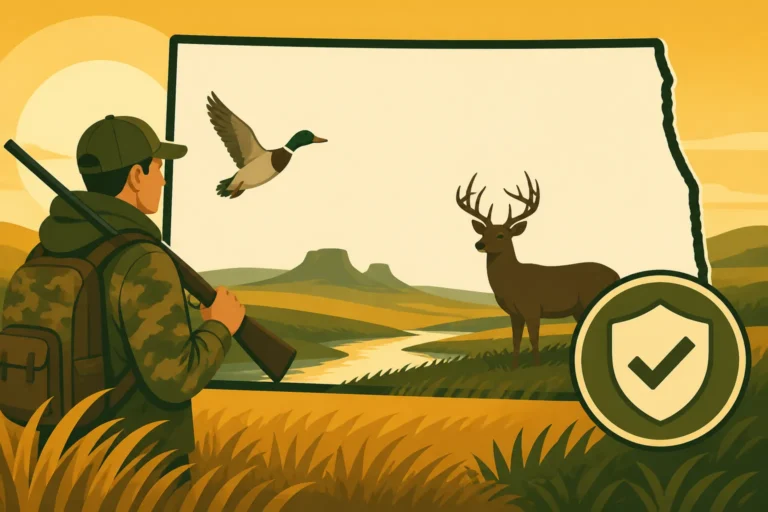
This is the core of the matter, and where many non-residents need precise information. North Dakota has specific regulations that designate the first nine days of the statewide waterfowl season opener exclusively for residents. This means that if you're a nonresident hunter, you are legally prohibited from hunting ducks, geese, coots, or mergansers during this particular window.
Historically, and as per current regulations, these nine resident-only waterfowl days typically begin on the first Saturday of the statewide duck and goose season. This period then extends for nine consecutive days, encompassing two full weekends. For example, if the season opens on a Saturday, these resident-only days would run from that Saturday through the following Sunday. It’s important to note that while the exact calendar dates shift slightly year to year based on the opening day, the pattern of nine consecutive days from the opener remains consistent.
Let's look at a hypothetical example to illustrate this clearly:
| Year (Hypothetical) | Statewide Waterfowl Opener | Resident-Only Waterfowl Days | Notes for Nonresidents |
|---|---|---|---|
| 202X | Saturday, September 28th | September 28th – October 6th | No duck, goose, coot, or merganser hunting on these dates. |
| 202Y | Saturday, October 5th | October 5th – October 13th | Plan your waterfowl hunt to begin after these dates. |
This table makes it abundantly clear: if you are a nonresident, you must hold off on your waterfowl pursuits until after this nine-day window has closed. It's a non-negotiable part of the state's hunting regulations, and ignorance of the law is no excuse for violations.
Public Land Versus Private Land During the Restriction
A common question that arises is whether these resident-only restrictions apply equally to public and private land. The answer is yes, the restriction applies to all land within North Dakota during the designated nine days, regardless of ownership status. This means you cannot hunt waterfowl on a Private Land Open To Sportsmen (PLOTS) tract, a Wildlife Management Area (WMA), a Waterfowl Production Area (WPA), or even private land for which you have secured permission, if you are a nonresident during these specific nine days.
This is a critical distinction, as some states have different rules for public versus private land. In North Dakota, for this specific regulation, the "resident-only" status is statewide for waterfowl. So, don't think that having private land access will bypass this particular rule. Your best bet for a waterfowl-focused trip as a nonresident is to schedule your arrival to coincide with the conclusion of this resident-exclusive period.
Other Species That Can Be Hunted During This Period
Now, just because you can't hunt waterfowl during these nine days doesn't mean your entire trip is a bust if you arrive early. Nonresident hunters can still pursue other legal game species during this period, provided they have the correct licenses. For example, if you're also interested in upland birds, you could still be Pheasant Hunting North Dakota's Prairie, Sharptail Grouse Hunting Mixed Grass Prairie, or Hungarian Partridge Hunting North Dakota Farmland.
Similarly, archery deer season is typically open during this timeframe, so if you hold a valid North Dakota Deer Bow License Options for an archery tag, you could be focused on chasing whitetails or mule deer in the Badlands. This flexibility allows for a "combo hunt" strategy, where you might spend the first nine days pursuing upland birds or deer, then pivot to waterfowl once the nonresident restriction lifts. It's a great way to maximize your time in this diverse hunting state.
What These Restrictions Mean for Nonresident Waterfowl Hunters
For nonresident waterfowl hunters, this nine-day restriction is the single most important factor when planning your trip dates. It means you absolutely cannot participate in the initial flush of the waterfowl season. I know, it can feel like a real bummer, especially when you've heard all the stories about early season birds. But embracing this rule and planning around it is key to a successful and stress-free hunt.
This isn't just about avoiding a ticket; it's about respecting the state's regulations and ensuring a positive hunting experience for everyone. Many nonresident hunters arrive on the 10th day of the season, eagerly awaiting the opportunity to hit the fields and potholes.
Impact on Trip Planning and Logistics
The primary impact is, of course, on your travel dates. If waterfowl is your main target, you'll need to plan your arrival for after the nine resident-only days conclude. This means you'll likely be hunting later in the early season, or even into the mid-season, depending on when the opener falls. While this might seem like a disadvantage, it also comes with its own set of benefits.
Hunting after the initial opening weekend often means less hunting pressure. Many resident hunters will have had their fill or moved on to other pursuits, leaving more elbow room for you. Additionally, as the season progresses, more northern birds begin to push down into North Dakota, increasing the overall waterfowl numbers. So, while you might miss the very first few days, you could be setting yourself up for an equally, if not more, productive hunt. It's all about perspective and strategy.
Navigating Early Season Opportunities
If you do find yourself in North Dakota during these nine days because of travel logistics or a combo hunt plan, focus on those other legal species. Many hunters combine a pheasant hunt with a later waterfowl hunt. You could spend those early days Walking North Dakota PLOTS Land for Pheasant, covering miles in search of roosters, or trying your hand at Sharptail Grouse Hunting Mixed Grass Prairie.
Another option is to use those first nine days for extensive scouting. You can drive around, glass fields, locate bird concentrations, identify potential roosting areas, and note preferred feeding fields. This reconnaissance can be invaluable for the moment the restriction lifts. Tools like the GoHunt app or the ND Hunt App can be incredibly useful for pinpointing public lands and understanding land boundaries, even if you can't hunt waterfowl on them yet. Utilizing this time effectively can give you a significant advantage once you are legally allowed to pursue ducks and geese.
Planning Your Hunt Around the Resident-Only Periods
So, you've identified the resident-only days, and you're a nonresident. Now what? The key is smart planning. Don't let these restrictions deter you from experiencing North Dakota's incredible waterfowl hunting. Instead, view them as a clear guideline for when you need to be in the field and when you need to focus on other activities.
Many nonresidents book their trips to start on the 10th day of the season, effectively bypassing the restriction entirely. This allows them to dive straight into the waterfowl action without any legal concerns or wasted days.
Strategic Timing for Nonresidents
The ideal time for a nonresident waterfowl hunt in North Dakota often begins on the 10th day of the statewide season and can extend well into October and even November. During this period, the local birds are still abundant, and new migrations begin to arrive with the cooler weather from the north. This creates a fantastic window of opportunity for varied hunting experiences. You might be jump-shooting sloughs, setting up Decoy Spreads for Prairie Pothole Mallards in a harvested field, or trying Layout Blind Hunting Devils Lake Fields for divers.
Consider watching the weather patterns. A significant cold front pushing south can bring in a new wave of birds, often leading to some of the most memorable hunting days. By planning your trip for late September or early October, right after the resident-only days, you can often hit this sweet spot of resident and early migrant birds.
Utilizing Resources for Effective Scouting
Effective scouting is a game-changer for any waterfowl hunt, but especially when you're a nonresident trying to maximize your time. The GoHunt platform offers excellent tools, including mapping overlays that show public land boundaries, crop types, and topographical features. This information can help you identify potential hot spots before you even set foot in the field. Couple that with the NDGFD's PLOTS guide and maps, and you have a powerful scouting arsenal.
Driving around the county roads after the restriction lifts, or even during the resident-only period if you're not hunting waterfowl, allows you to observe bird movements directly. Look for fields with high goose traffic, sloughs holding large numbers of ducks, and observe flight patterns. Remember, observing is legal; actively hunting waterfowl as a nonresident during those nine days is not. This initial groundwork pays dividends when it's your turn to hunt. Don't underestimate the power of simply covering miles and seeing what the birds are doing.
Consider a Guided Hunt
If the logistics of timing, scouting, and finding birds seem overwhelming, especially with the added complexity of nonresident restrictions, consider booking a guided hunt. North Dakota has numerous reputable waterfowl outfitters who are intimately familiar with the regulations, the land, and the bird movements. They will handle all the complex planning, finding the birds, and setting up the spreads, allowing you to simply show up and hunt.
When Booking a North Dakota Waterfowl Guide, make sure they are aware of your nonresident status and plan your trip dates accordingly. A good guide will already have this factored into their booking calendar and will advise you on the best times to come. It’s an investment, but for many non-residents, it’s a stress-free way to experience the legendary hunting North Dakota has to offer, even with the specific regulations in place.
Maximizing Your North Dakota Waterfowl Experience
Even with the resident-only days, North Dakota remains an unparalleled destination for waterfowl hunting. The sheer volume of birds, the vastness of the landscape, and the distinct hunting culture make it a bucket-list trip for many. By understanding and planning around the nine-day restriction, you ensure a legal, enjoyable, and ultimately more successful hunting adventure.
Embracing the Later Season Opportunities
While the opening nine days are reserved, the rest of the waterfowl season offers incredible hunting. As autumn deepens, temperatures drop, and snow begins to fly, more and more birds migrate through North Dakota. This means opportunities for late-season hunts can be fantastic. Whether it's hunting a standing corn field for late-season geese or targeting diverse duck species still utilizing the abundant wetlands, the opportunities are vast.
Later in the season, ducks and geese often become more predictable, keying in on specific food sources or open water as ice begins to form. This can make scouting more efficient and setup locations more consistent. Don't discount the magic of a brisk, late-October or November morning hunt under crisp prairie skies.
Combining Waterfowl with Upland Birds
As we touched on earlier, one of the best ways for nonresidents to fully enjoy North Dakota, even with the waterfowl restriction, is to combine species. Since pheasant and grouse seasons are typically open during the resident-only waterfowl period, you can dedicate those first nine days to upland bird hunting. Imagine spending the first part of your trip pursuing hard-flying roosters in prime pheasant habitat, then transitioning seamlessly to duck and goose hunting once the resident-only window closes.
This strategy not only maximizes your time afield but also provides a diverse hunting experience. You get to witness different landscapes, employ different hunting techniques, and truly immerse yourself in the varied ecosystems of North Dakota. It's an excellent way to turn a potential restriction into an expanded adventure.
Staying Informed and Respecting Regulations
The most important takeaway for any hunter, especially a nonresident, is to stay informed about the latest regulations. Game and fish laws can change year to year, so always check the current North Dakota Game and Fish Department (NDGFD) hunting guide before planning any trip. Websites like GoHunt also offer up-to-date summaries and tools that can help you navigate these rules.
Respecting these regulations isn't just about avoiding penalties; it's about being a responsible conservationist and an ethical hunter. These rules are in place for a reason, designed to maintain healthy wildlife populations and ensure fair chase opportunities for all. By understanding and adhering to the resident-only waterfowl days, you contribute to the ongoing legacy of hunting in North Dakota.
Disclaimer
Please note that hunting regulations, license requirements, and season dates are subject to change. Always consult the official North Dakota Game and Fish Department (NDGFD) website or their current hunting guide for the most up-to-date and accurate information before planning your hunt. This guide is for informational purposes only and does not constitute legal advice.