Donating Venison in North Dakota
It's a common, yet wonderful, problem to have: you've filled your deer tag, perhaps even multiple tags, and you're staring at a freezer full of venison, wondering if you'll ever get through it all. Or maybe you simply want to give back to your community. This guide is here to walk you through the ins and outs of donating venison in North Dakota, making sure your generous harvest helps those in need.
Why Donate Your Hard-Earned Venison?
Donating venison is truly a win-win situation, but many hunters don't even realize it's an option or how simple it can be. There's a profound satisfaction that comes from knowing your successful hunt can provide nutritious, high-quality protein to families who might otherwise struggle to put food on the table. It’s more than just a meal; it’s sustenance, a connection to the land, and a powerful act of community.
Feeding Families in Need
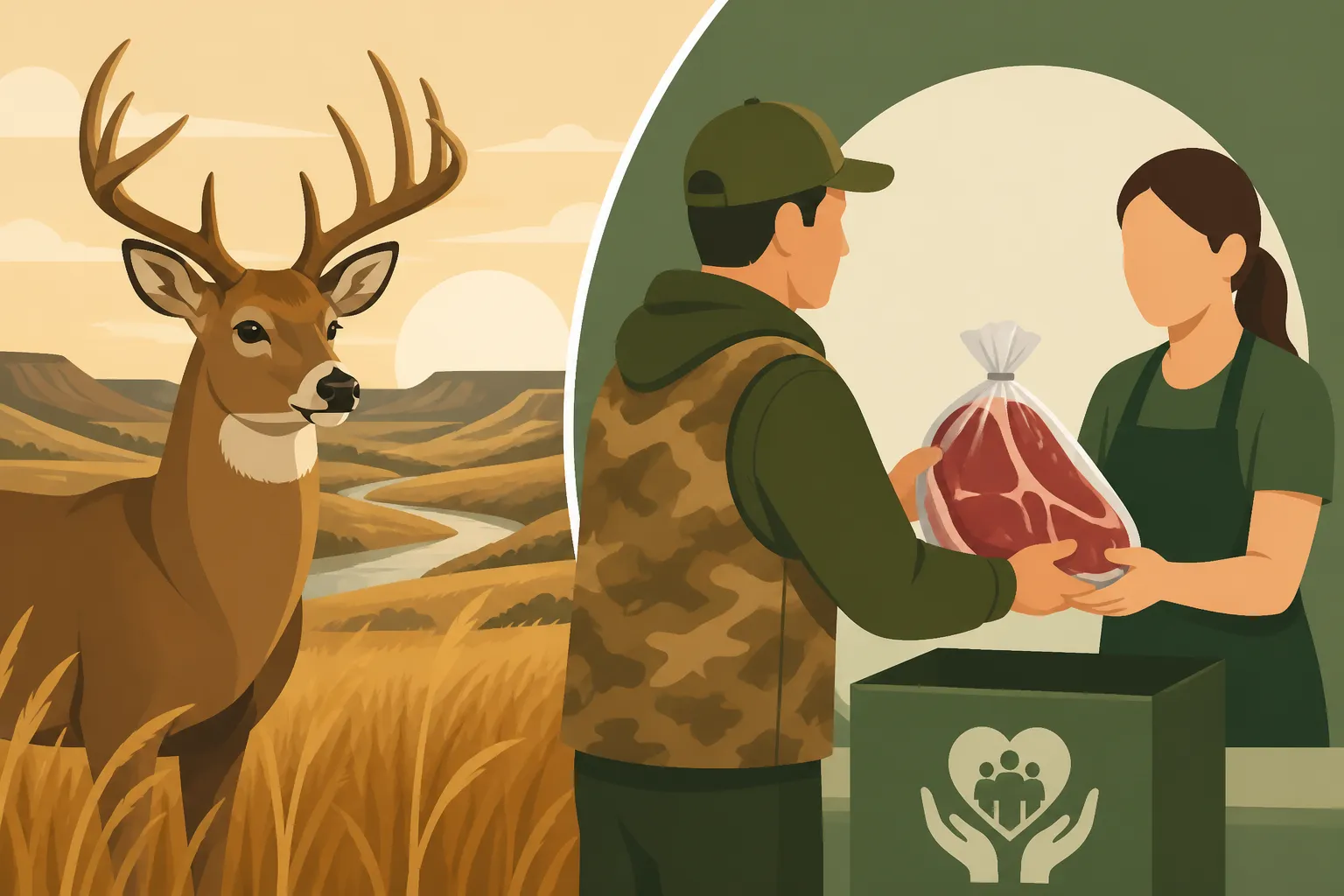
Imagine a family facing food insecurity, relying on food banks or assistance programs. While these services do incredible work, fresh, lean protein can often be scarce. Your venison fills that critical gap. It's not just another commodity; it’s a healthy, wild-harvested protein source that offers something truly special and often unaffordable for many. Programs exist specifically to bridge this gap, taking your deer and distributing it directly to those who need it most, alleviating hunger one meal at a time. It’s a direct way to see your hunting efforts create tangible good in your local community.
Supporting Local Processors
When you donate venison, you're not just giving food; you're also often supporting local businesses. Many venison donation programs partner with local meat processors. These small businesses are the backbone of rural communities, and by utilizing their services for donated deer, you help keep their doors open and their skilled butchers employed. It creates a ripple effect: your donation helps the hungry, and the process of that donation helps local economies thrive. Sometimes, these programs even cover the processing costs, making it even easier for hunters to participate without an extra financial burden. It’s a network of good deeds, all stemming from your hunting success.
Finding a Venison Donation Program in North Dakota
North Dakota makes it relatively easy to find ways to donate your venison, but knowing where to start is key. You're not just dropping off a whole deer carcass at a soup kitchen; there's a system in place to ensure food safety and efficient distribution.
The "Hunters Against Hunger" Program
The primary avenue for venison donation in North Dakota is often through programs like "Hunters Against Hunger" or similar initiatives sponsored by state agencies or non-profit organizations. These programs act as a crucial intermediary, connecting hunters with approved processors and then with food banks or charities. They handle the logistics, ensuring that the venison is processed safely and distributed appropriately. It’s worth checking the North Dakota Game and Fish Department’s website or reaching out to local food banks directly, as they often have the most up-to-date information on participating processors and donation guidelines. They can usually point you to the nearest drop-off point, whether it's a specific locker plant or a designated collection site.
Utilizing Online Resources and Local Contacts
Beyond formal state programs, sometimes local churches, community centers, or smaller food pantries will accept venison, especially if they have arrangements with a local butcher. Using resources like GoHunt or local hunting forums can be incredibly helpful for finding these less formal, but equally impactful, donation opportunities. Many hunters share information about which local processors participate in donation programs or accept venison for charity year after year. Don't be afraid to make a few phone calls to your local meat locker; they're often the first point of contact for these initiatives and can tell you exactly what they need and what their capacity is. Remember, a quick search on a platform like GoHunt or a call to a local processor can save you a lot of guesswork.
Here's a quick overview of how some programs generally operate:
| Step | Description |
|---|---|
| 1. Harvest & Field Dress | Successfully harvest your deer and perform a thorough field dress. Rapid cooling is essential, especially in warmer weather, to preserve the meat quality for donation. This is the first critical step to ensure the venison is fit for consumption. Remember, the better care you take in the field, the more likely your donation will be accepted and appreciated. |
| 2. Locate an Approved Processor | Research and find a local meat processor that participates in a venison donation program. The North Dakota Game and Fish Department website or local food banks are excellent resources. Make sure they are currently accepting donations and understand their specific drop-off hours and requirements. Some processors have specific windows when they accept donated deer, especially during peak hunting season. |
| 3. Drop Off Your Deer | Transport your field-dressed deer to the approved processor. You'll typically need to provide your hunting license and tag information. There might be a short form to fill out, acknowledging your donation. Ensure the carcass is clean and free of excessive dirt or hair. A clean presentation makes the processor's job easier and increases the likelihood of a successful donation. |
| 4. Processing & Distribution | The processor will cut, package, and sometimes freeze the venison into ground meat, roasts, or other usable cuts. Once processed, the venison is then collected by food banks or charitable organizations for distribution to families in need. You usually won't interact directly with the recipients, but rest assured, your donation is making a real difference. The goal is to get that high-quality protein to plates as efficiently and safely as possible. |
| 5. Financial Contribution (Optional) | While many programs cover processing fees, some hunters choose to make a small financial contribution to help offset the costs associated with processing and distributing the meat. This isn't usually required, but it certainly helps these programs continue their vital work. Every little bit helps ensure the program remains sustainable and can assist even more hunters in donating their harvest. |
Preparing Your Venison for Donation
The success of your venison donation largely hinges on how well you prepare the animal from the moment it's harvested. Food safety and quality are paramount, especially when the meat is destined for public consumption. You wouldn't want to receive questionable meat, and neither would those relying on donations.
Field Dressing and Initial Care
The most critical step begins immediately after you've made a successful shot: proper field dressing. Get the guts out quickly and efficiently to allow the carcass to cool down as fast as possible. This is especially vital during warmer early season hunts. Remove all internal organs, wipe out the cavity as best you can, and prop it open to facilitate airflow. If you’re hunting in a warmer month, consider packing the cavity with ice in game bags for the trip to the processor. A deer that isn't properly cooled can spoil quickly, rendering it unusable for donation. Think about it: a deer harvested during a crisp October morning might not need as much immediate care as one taken on a milder September evening. For more detailed tips on this, check out Field Dressing a Deer in Cold Weather.
Transporting Your Harvest to the Processor
Once field-dressed, transport your deer to an approved processor as soon as possible. Keep the carcass clean. Avoid dragging it through excessive mud or dirt, which can contaminate the meat. If you have a truck, laying a tarp down first can help keep both your truck bed clean and the deer protected. The key is to minimize contamination and maintain a cool temperature during transit. If you're on a multi-day hunt or far from a processor, consider skinning and quartering the animal if you have the facilities and knowledge to do so properly, keeping the meat on ice. This extends the window for quality donation. Always remember to keep your tag affixed to the animal as required by North Dakota law, as the processor will need this information. The faster and cleaner you get it to the processor, the better the quality of the donated meat will be.
Common Challenges and Considerations for Donating Venison
While donating venison is a fantastic act, there are a few hurdles and important considerations to be aware of. Understanding these can help you avoid disappointment and ensure your donation is successfully accepted.
CWD Concerns and Testing Requirements
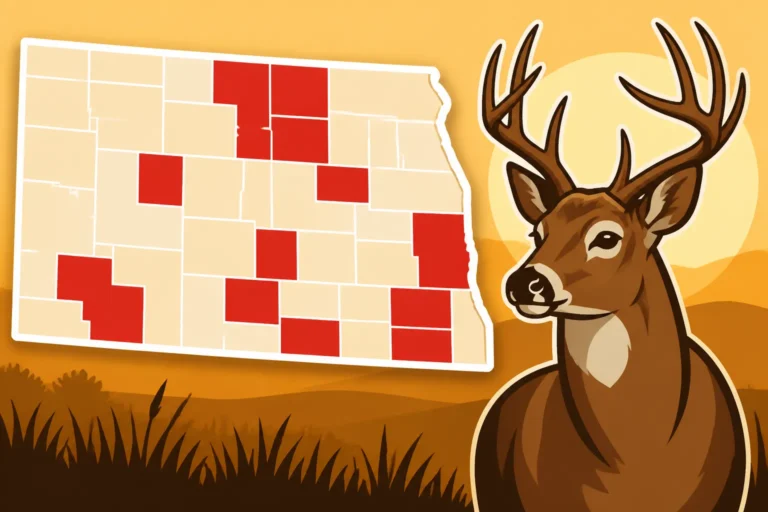
Chronic Wasting Disease (CWD) is a very real concern in North Dakota, and it directly impacts venison donation programs. Most, if not all, donation programs will require a CWD test for any deer harvested in an area where CWD has been detected. Even if a test isn't strictly mandated by the donation program itself, it's a critical safety measure to protect public health. If you harvest a deer in one of North Dakota's CWD hunting units, you absolutely must have it tested before donating. Processors participating in donation programs will often facilitate this testing or point you to a CWD sampling station. Be aware that if a deer tests positive for CWD, the meat cannot be donated and should not be consumed. This is a non-negotiable food safety rule. If you're wondering about the affected areas, you can find more information in resources like North Dakota's Expanding CWD Hunting Units.
Processor Participation and Capacity
Not every meat processor in North Dakota participates in venison donation programs, and those that do might have limitations. During peak hunting season, processors can become overwhelmed with the sheer volume of deer, both from paying customers and donations. It's always a good idea to call ahead to your chosen processor before you even head out to hunt, if possible, or immediately after you harvest your deer. Ask if they are accepting donated venison, what their current capacity is, and if there are any specific drop-off days or times for donated animals. Some processors might have a cap on how many donated deer they can take in a day or week. Being proactive ensures your generous offer isn't turned away due to capacity issues. Websites like GoHunt might also list processors, but a direct call is always the best bet for current information.
Financial Commitments and Expectations
While the act of donating venison is certainly generous, it's important to understand the potential financial aspects. Some donation programs are fully funded, meaning the processing costs for your donated deer are covered by the program itself. This is often the case with larger, well-established initiatives. However, some smaller, local programs might ask the hunter to cover a portion or all of the processing fees. This can sometimes be a deterrent, but remember that the cost of processing a deer is often a small price to pay for the good you're doing. Always clarify these financial expectations with the processor or program coordinator upfront. Don't assume the processing is free. If a fee is required, consider it a small investment in a significant charitable act. It's often a nominal fee compared to the value of the protein you're providing.
Maximizing Your Impact: Beyond Just Dropping Off a Deer
Donating venison can be more than just a one-time transaction. There are ways to deepen your involvement and make an even greater impact on those who benefit from your generosity.
Encouraging Other Hunters to Participate
One of the most powerful things you can do is to spread the word among your hunting buddies, family, and online communities. Many hunters simply aren't aware that venison donation is an option, or they don't know how easy it can be. Share your positive experiences, provide information on local programs, and answer questions. The more hunters who participate, the more families in North Dakota can benefit from this healthy, wild-harvested protein. Posting about your experience on hunting forums, or even just sharing a conversation over a cup of coffee, can inspire others. Think of the collective impact if even a small percentage of North Dakota's deer hunters decided to donate a portion of their harvest; it would make a monumental difference.
Financial Contributions to Offset Processing Costs
As mentioned earlier, processing fees can sometimes be a barrier for donation programs. If you're in a position to do so, considering a monetary donation to the program or directly to the processor to cover the costs of processing your deer, or even another hunter's deer, can be incredibly helpful. These funds ensure the programs remain viable and accessible to all hunters, regardless of their financial situation. Every dollar contributed goes directly towards turning a field-dressed deer into ready-to-eat meals for those in need. It's a way to magnify your initial donation, ensuring that the venison gets from the field to the table. Even a small contribution can make a big difference, especially for smaller, volunteer-run operations.
Understanding the Broader Picture of Hunger Relief
When you donate venison, you become a part of a much larger network dedicated to hunger relief. Take a moment to understand the organizations involved, from the local food banks to the charities distributing the meat. Learning about their mission can provide a deeper appreciation for the impact of your contribution. It's not just about giving away meat; it's about being an active participant in building a stronger, more compassionate community. Knowing that your efforts are directly contributing to the well-being of your neighbors is incredibly rewarding. You're not just a hunter; you're a provider for your community. If you're interested in general deer harvest trends, you might find North Dakota Annual Deer Harvest insightful for context.
Donating venison is a deeply rewarding way to give back, extending the bounty of your hunting season to those who need it most. By following proper field care, connecting with approved processors, and understanding the guidelines, you can ensure your harvest makes a genuine difference across North Dakota.
Disclaimer
This article is for general informational purposes only and does not constitute professional advice. Laws, prices and regulations vary by location and change over time. Consult a qualified professional for guidance on your specific situation.