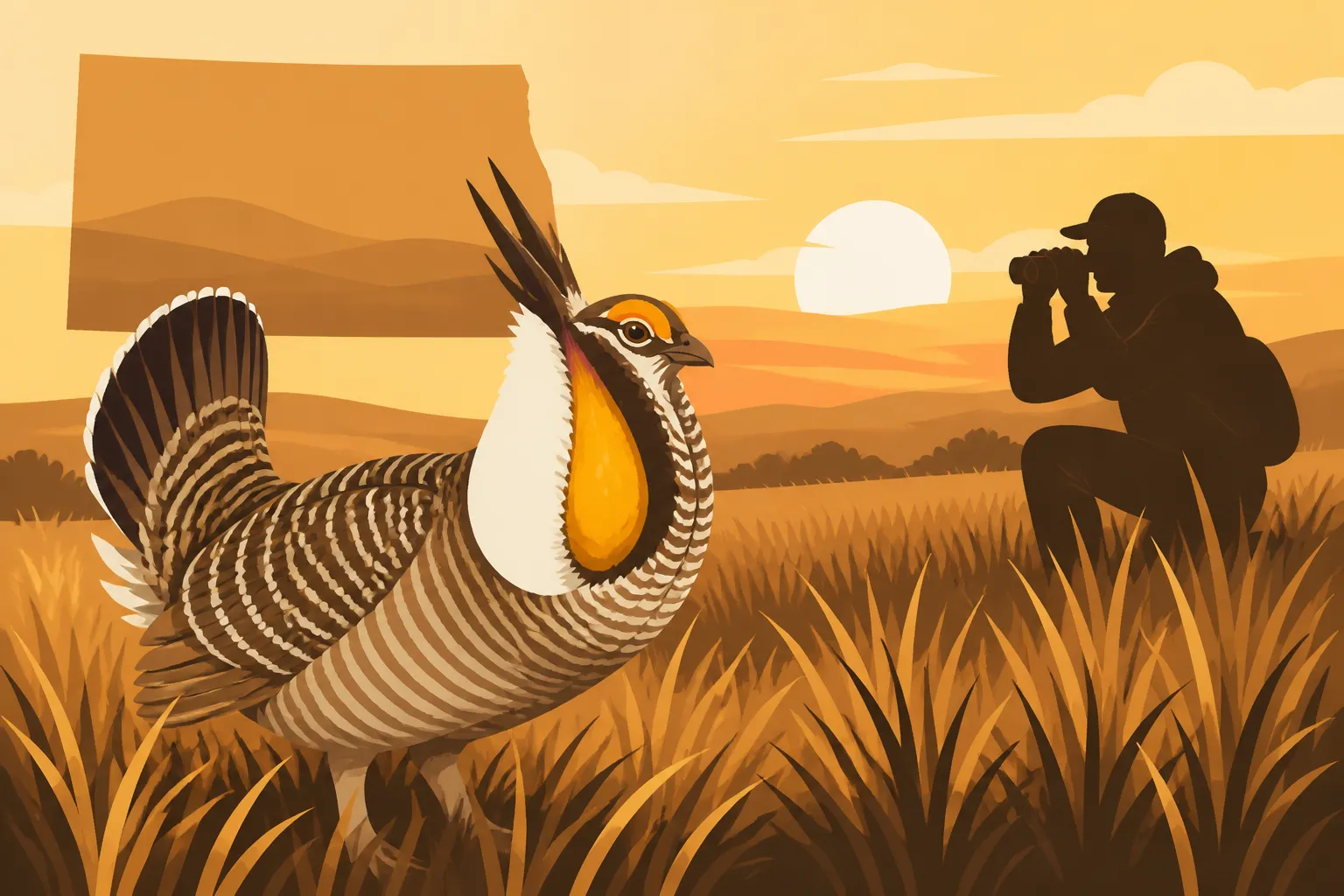
North Dakota Sharptail Grouse Lek Counts
If you're a hunter who loves the thrill of flushing wild birds from the vast expanse of North Dakota's mixed-grass prairie, then you know the unique challenge and reward of pursuing sharptail grouse. But figuring out where to find these elusive birds, and what kind of season to expect, often feels like a guessing game. This guide will take you deep into the world of North Dakota's sharptail grouse lek counts, explaining what they are, how they're done, and crucially, how you can use this vital information to better plan your hunting trips and understand the health of these incredible prairie inhabitants.
Understanding Sharptail Grouse Lek Counts
When we talk about "sharptail grouse lek counts," it might sound a bit technical, but at its heart, it's about observing one of nature's most spectacular courtship rituals. These counts are a critical tool for wildlife managers and, by extension, for us as hunters, to gauge the general health and breeding success of the sharptail population year after year. It's not just a number; it's a snapshot of the prairie's pulse.
The Dance of the Prairie Chickens
Imagine the first light of a crisp spring morning breaking over the rolling prairie. The air is still, perhaps a little chilly, and then you hear it: a low, resonant coo-coo-coo mixed with the distinct rattling of tail feathers. This is the sound of a sharptail lek, an ancient, communal display ground where male sharptails gather to perform their elaborate courtship dance. They puff up their purplish air sacs on either side of their necks, fan their pointed tail feathers, and stamp their feet rapidly, creating a drumming sound as they compete for the attention of the females observing from the periphery.
It's a mesmerizing spectacle, a true testament to the wild spirit of North Dakota. For us humans, this highly visible and audible behavior, concentrated in specific locations, provides a unique opportunity for biologists to count the birds. The very intensity of their drive to reproduce means they are, for a brief period each spring, somewhat predictable in their location and activity. This focus on display also means they are somewhat oblivious to human observers if precautions are taken not to disturb them too greatly, making accurate counting possible. Sharptail Grouse Hunting Mixed Grass Prairie is a whole different ballgame once fall arrives, but knowing where they congregate in the spring helps us understand their general territories.
The Science Behind the Numbers
So, how exactly does this counting happen? It's a dedicated effort by North Dakota Game and Fish Department (NDGFD) staff, volunteers, and sometimes even local landowners who know their land intimately. The process involves visiting known lek sites, typically starting an hour before sunrise, usually from late April through May. Observers arrive quietly, often parking at a distance and walking in, or using a vehicle as a mobile blind, to avoid disturbing the birds.
The primary method is to listen for the distinctive calls and dancing sounds, then visually count the number of displaying males. It’s not always easy. Weather can play a huge role; a windy morning can mask sounds, making detection difficult, while a calm, clear morning is ideal. Observers use binoculars or spotting scopes to ensure accurate counts without getting too close. They mark down the number of individual males seen on the lek, trying to avoid double-counting if birds fly off and return. These counts are repeated multiple times over the breeding season to get the most accurate average. While it's a dedicated scientific effort, it's also a deeply immersive experience, connecting those involved directly with the raw beauty of the prairie ecosystem.
What North Dakota's Lek Counts Tell Us
Lek counts are more than just a tally; they are a vital barometer for the sharptail grouse population. They give us a sneak peek into the previous year's nesting success and the overall winter survival rates, which are huge indicators of what kind of hunting season we might expect come fall. It’s a foundational piece of the puzzle for state biologists who manage these dynamic populations.
Interpreting the Annual Data
When the NDGFD releases its annual lek count report, hunters and conservationists eagerly scan the numbers. A significant increase in average males per lek from the previous year is usually fantastic news. It suggests a mild winter that allowed more adult birds to survive, and perhaps more importantly, strong nesting success and chick survival during the prior summer. This typically points towards a potentially robust fall hunting season with good bird numbers. Conversely, a sharp decline can signal trouble – a brutal winter with deep snow and prolonged cold, or a wet, cold spring during the crucial nesting period that led to poor chick recruitment.
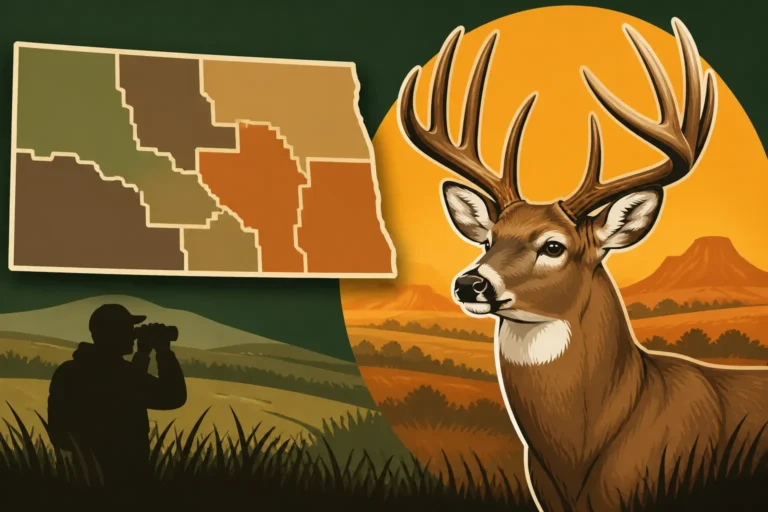
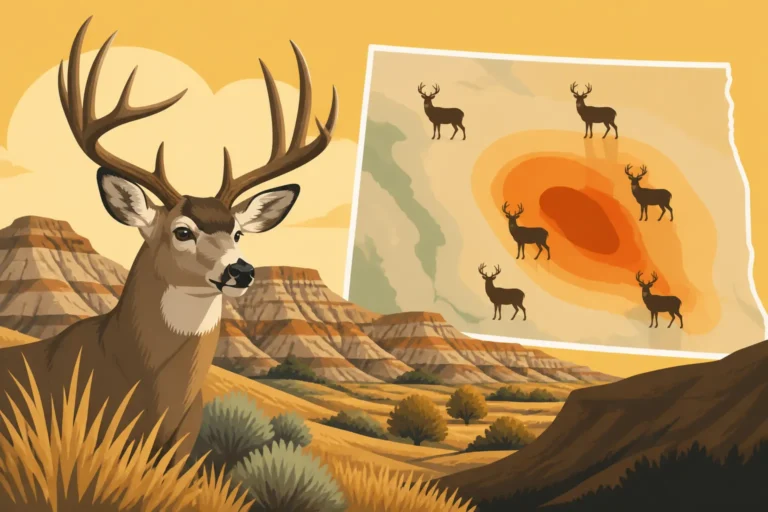
It’s also important to look beyond just the statewide average. North Dakota is a big state, and conditions can vary dramatically from one region to another. A district in the western Badlands might show a booming population, while the eastern prairie pothole region could be down due to localized drought or intense snowfall. These regional variations mean that while the statewide trend gives you a general feel, a deeper dive into specific areas can refine your hunting plans. Understanding North Dakota Sharptail Grouse Population trends involves looking at this data over many years, not just one.
The Role of Habitat and Weather
Sharptail grouse are inextricably linked to their habitat and the whims of the prairie weather. Their populations are cyclical, heavily influenced by these two critical factors. A long, harsh North Dakota winter, particularly one with prolonged periods of deep, crusty snow, can devastate adult populations. Birds struggle to find food and expend crucial energy just to survive, making them more vulnerable to predators and starvation. Likewise, a cold, wet spring during the peak of nesting and hatching can be brutal on chicks, leading to high mortality rates and, subsequently, lower numbers of young birds surviving into adulthood.
On the flip side, mild winters with accessible food sources and warm, dry springs with ample insect populations (a vital food source for young chicks) can lead to explosive population growth. The health of the mixed-grass prairie itself is also paramount. Good nesting cover, like that found in undisturbed native grasslands or well-managed Conservation Reserve Program (CRP) lands, provides crucial protection for nests and broods. These habitats offer cover from predators and the elements, along with the insect life that nourishes growing chicks. So, a healthy lek count isn't just about the birds; it's a testament to the resilience and quality of the North Dakota CRP Acres and Pheasant Numbers that often overlap with grouse country.
Using Lek Count Data for Your Hunt Planning
Okay, so you’ve looked at the reports, absorbed the trends, and now you’re wondering, “How does this actually help me put birds in the bag?” That’s a fair question, because the prairie isn’t a spreadsheet. Lek count data, however, is an incredibly powerful tool when combined with other scouting methods and a realistic understanding of its limitations. It’s about leveraging that biological insight for a more informed, and hopefully more successful, hunt.
Focusing Your Efforts Geographically
One of the most immediate benefits of lek count data is its ability to help you narrow down your search. If the reports indicate that certain regions or counties saw significantly higher numbers of displaying males, those areas become prime candidates for your fall hunting efforts. For example, if the southwest Badlands units showed a 20% increase in lek activity, while the central prairie units were down 10%, you might adjust your travel plans to lean heavily into that western opportunity.
This isn’t to say you should ignore other areas entirely, but it allows you to prioritize. Knowing where the birds are breeding most successfully gives you a strong starting point for where to focus your preseason scouting efforts later in the summer. You can then use tools like GoHunt's mapping features to overlay public land, PLOTS acreage, or even look for general habitat types in those high-count regions. This kind of data-driven approach saves you valuable time and fuel, letting you home in on areas that statistically have a higher chance of holding birds. Consider it a macro-level scouting report that points you in the right direction long before you ever set foot on the prairie.
Setting Realistic Expectations
It’s crucial to remember that lek counts are an index of the breeding population, not a direct count of every single bird you'll encounter in the fall. There’s a natural time lag and a lot of factors that can still influence fall numbers after the spring counts are finalized. A fantastic spring count can be tempered by a severe summer drought that reduces insect availability for chicks, or heavy summer rains that wash out nests. Conversely, a merely "average" spring could turn into a decent fall if conditions for chick survival are excellent through July and August.
What lek counts do provide is a baseline expectation. If counts are significantly down, it's wise to temper your expectations for bag limits and flushing opportunities. You might need to hunt harder, cover more ground, or even consider targeting other species where populations are stronger. If counts are up, you can be more optimistic, but still understand that finding the birds requires skilled hunting, whether you’re Walking North Dakota PLOTS Land for Pheasant or chasing sharptails. The data helps you mentally prepare and refine your strategy, ensuring you're not walking into the field with unrealistic hopes that could lead to frustration. It's about being informed, not guaranteed.
Beyond the Counts: Sharptail Habitat and Conservation
Sharptail grouse lek counts are more than just a numerical report for hunters; they are a profound indicator of the health of North Dakota’s native prairie ecosystems. These counts are a critical component in understanding the broader ecological picture and underscore the importance of habitat conservation for not just sharptails, but countless other species that call the prairie home. For those of us who cherish these wild lands, understanding the counts naturally leads to a deeper appreciation for conservation.
The Critical Habitat Connection
Sharptail grouse are arguably the quintessential bird of the North Dakota mixed-grass prairie. They thrive in expansive, unfragmented grasslands, which provide the dense cover for nesting and escape, as well as the diverse plant life that offers food and insect forage. When lek counts are robust and consistently high, it often signals that these vital prairie habitats are in good shape – they haven't been overly converted to cropland, haven't been choked out by invasive species, and are being managed in a way that benefits native wildlife.
The flip side is equally true: declining lek counts can serve as an early warning system. They can highlight areas where habitat is being lost, degraded, or fragmented. This might be due to development, poor grazing practices, or the encroachment of woody vegetation into traditionally open grasslands. North Dakota's Prairie Pothole Region Explained often highlights the critical interplay between water, grass, and wildlife, and for sharptails, intact grassland is paramount. The very existence of a healthy lek is a testament to the continued presence of a healthy, functioning prairie, which is something we should all value.
Hunter's Role in Sharptail Future
As hunters, we have a unique and often underappreciated role in the future of sharptail grouse and their habitat. Our license fees directly fund the very surveys and management practices that provide us with this valuable lek count data. Beyond that, many hunters are passionate advocates for habitat conservation, supporting organizations like Pheasants Forever or actively participating in programs that enhance prairie ecosystems.
It’s about being responsible stewards of the land and the wildlife. This includes respecting private land boundaries, practicing ethical hunting techniques to minimize disturbance, and being mindful of the impact we have on the landscape. Furthermore, when hunters understand the nuances of population dynamics, like those revealed by lek counts, they are better equipped to engage in informed discussions about wildlife management and advocate for policies that protect these precious resources. Whether you’re glassing for deer in the Badlands or flushing sharptails, understanding the health of the game species we pursue is part of the hunting ethos. For those wanting to dive even deeper into regional data, online platforms and apps can be a huge help, often integrating NDGFD data to help you interpret local conditions. GoHunt is an example of a platform many hunters use to cross-reference data and plan.
North Dakota Sharptail Grouse Lek Count Implications
| Factor | High Lek Counts | Low Lek Counts |
|---|---|---|
| Previous Winter | Likely mild, good overwinter survival of adults | Likely harsh, significant adult mortality |
| Previous Summer | Good nesting success, high chick survival | Poor nesting conditions, low chick recruitment |
| Habitat Health | Suggests healthy, unfragmented prairie habitat | May indicate habitat degradation or loss |
| Hunting Outlook | Generally optimistic, potential for more birds | Exercise caution, expect fewer birds, hunt harder |
| Management Action | Continued monitoring, sustainable harvest levels | Potential for tighter regulations, habitat focus |
| Scouting Focus | Focus on identifying active coveys within strong areas | Focus on finding remnant populations in prime cover |
Disclaimer
This article is for general informational purposes only and does not constitute professional advice. Laws, prices and regulations vary by location and change over time. Consult a qualified professional for guidance on your specific situation.