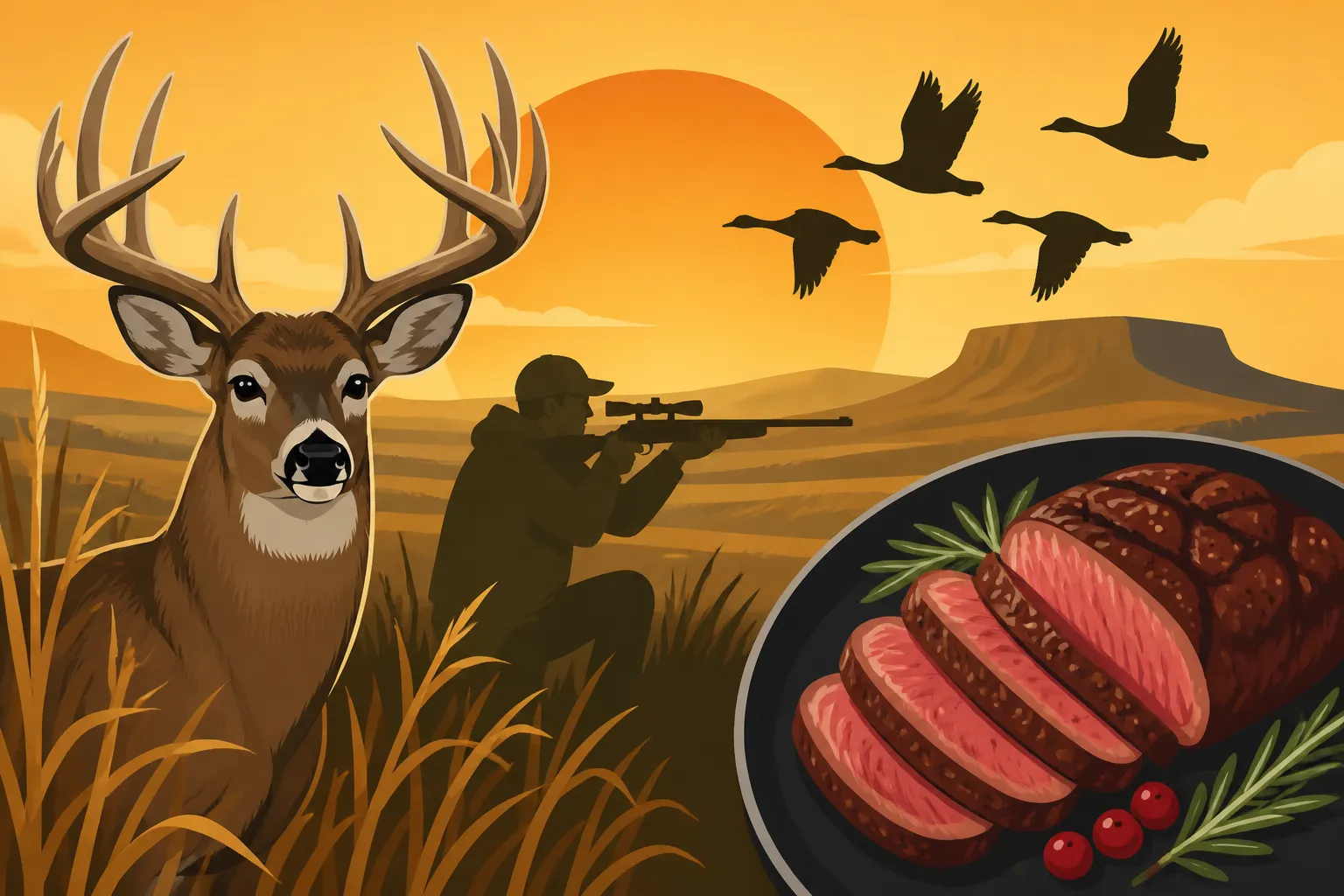
Best-Eating Game in North Dakota
Navigating the culinary landscape of North Dakota's wild game can be a truly rewarding experience, but if you're new to it, or even if you're a seasoned hunter looking to diversify your dinner table, it's easy to wonder: what actually tastes the best? With so many incredible species roaming our prairies and badlands, choosing which one will make for the most delicious meal can feel a bit overwhelming. This guide aims to demystify the flavors of North Dakota's game, helping you appreciate each animal's unique characteristics and prepare them for an unforgettable meal.
The Prairie's Culinary Delights: Upland Birds for the Palate
There's something uniquely satisfying about bringing a brace of upland birds to the table. The lean, flavorful meat, often with a hint of what they've been eating out on the prairie, offers a completely different experience than domestic poultry. North Dakota is a paradise for upland bird hunters, and these birds are just as much a treat in the kitchen as they are in the field.
Ring-Necked Pheasant: A North Dakota Staple
When most folks think about eating wild game in North Dakota, the ring-necked pheasant is often the first thing that comes to mind, and for good reason. These birds are abundant in many parts of the state, and their meat is consistently delicious. It's a lean white meat, firmer than chicken, with a distinctive, slightly nutty flavor that sets it apart. The flavor profile can vary a bit depending on what they've been foraging – you might notice subtle differences between a pheasant taken from a cornfield versus one from a CRP grass patch.
The texture of pheasant is generally tender, especially if the bird is young. Older birds, particularly roosters, can be tougher, so slower cooking methods are often preferred for them. Roasting a whole pheasant is a classic method that allows the bird's natural flavors to shine. Many hunters also swear by pan-searing the breast and then finishing it in the oven, or slow-cooking the legs and thighs until they fall off the bone. It's truly versatile. You can learn more about finding these birds in Ring-Necked Pheasants in North Dakota.
Sharptail Grouse and Hungarian Partridge: Lesser-Known Gems
While pheasants steal much of the spotlight, North Dakota's other upland birds, the sharptail grouse and Hungarian partridge, offer equally delightful, though perhaps more nuanced, culinary experiences. Sharptails, often found in the more open, native prairie, have a darker meat than pheasant. Their flavor is robust, distinctively "gamey" but in a pleasant, earthy way that truly reflects their wild diet. It's often compared to a darker chicken thigh but with a richer, deeper taste.
Hungarian partridge, or "Huns" as we call them, are smaller than sharptails and pheasants, but don't let their size fool you. Their meat is dark, tender, and possesses a delicate, slightly sweet, and very fine-grained flavor that many consider to be among the finest of all game birds. They cook quickly due to their size, making them perfect for a quick pan-fry or roasting whole if you have a few. Both sharptails and Huns benefit from quick cooking to prevent drying out, especially the breast meat. A simple sear in butter or olive oil with a little salt and pepper is often all you need to appreciate their unique flavors. Getting to know the nuances of these birds is part of the fun of hunting them; you can dive deeper into their habitat in Sharptail Grouse and Hungarian Partridge in North Dakota.
Big Game Bounty: Venison and Beyond
North Dakota's big game offerings are another incredible source of lean, healthy, and supremely flavorful meat. While it takes more effort to harvest and process big game, the freezer full of venison, elk, or moose is a culinary treasure trove that lasts all year.
White-Tailed Deer: The Versatile North Dakota Venison
White-tailed deer are by far the most commonly harvested big game animal in North Dakota, and for good reason. Their venison is incredibly versatile and forms the backbone of many hunters' wild game diet. The flavor is lean, earthy, and often quite mild, especially from younger deer. It’s significantly less fatty than beef, which means it cooks faster and requires careful attention to avoid drying out. The texture is fine-grained and tender when cooked properly.
The specific flavor and tenderness of whitetail venison can be influenced by several factors: the deer's age, its diet, and how quickly and cleanly it was processed after the harvest. A buck taken during the rut might have a stronger flavor than a doe harvested earlier in the season. Deer that have been feeding heavily on agricultural crops, like corn or alfalfa, often have a milder taste than those relying solely on browse from the woods. You can use whitetail venison for everything from steaks and roasts to ground meat for chili, burgers, or sausage. It truly is a centerpiece of the North Dakota hunter's table, and understanding their patterns, which you can often track with apps like GoHunt, really helps in securing this delicious meat. If you want to know more about the species, check out White-Tailed Deer Across North Dakota.
Mule Deer and Elk: Badlands Delicacies
For those who venture into North Dakota's rugged Badlands, the opportunity to harvest a mule deer or, for the lucky few, an elk, offers distinct culinary rewards. Mule deer venison is quite similar to whitetail but often described as slightly richer and more flavorful, perhaps due to their browse-heavy diet in the Badlands' unique flora. It's lean, tender, and just as versatile as whitetail, excelling in all the same preparations from grilled steaks to hearty stews. The experience of pursuing mule deer in the Badlands is unique, and the meat is a fitting reward. You can learn more about them in Mule Deer in North Dakota's Badlands.
Elk meat, on the other hand, is in a league of its own. It's exceptionally lean, incredibly tender, and boasts a rich, deep red color and a sweet, robust flavor that’s less gamey than deer for many palates. Because elk are so large, harvesting one provides a substantial amount of high-quality meat. Elk steaks, roasts, and ground meat are highly prized. It cooks very quickly due to its leanness, so careful monitoring is crucial to prevent overcooking. Many hunters say elk meat rivals the best beef, and it's certainly a truly special treat, especially considering how rare and difficult an elk tag can be to draw. Keeping an eye on herd numbers or drawing odds with resources like GoHunt is a good idea. Delve deeper into their presence in the state with Elk in North Dakota's Little Missouri Badlands.
Pronghorn and Moose: The Unique Flavors of the Prairie and Northwoods
While not as commonly harvested as deer, pronghorn and moose offer some of North Dakota's most distinctive game meat experiences. Pronghorn, often simply called "antelope" by hunters, are found on the open plains of western North Dakota. Their meat is famously lean and can have a stronger, more intense flavor than deer. Some describe it as quite "gamey" with a mineral-rich taste, while others find it simply robust and savory. Proper field care is absolutely paramount with pronghorn due to their unique metabolism; rapid cooling and clean processing are essential to ensure the best flavor.
When handled correctly, pronghorn can be incredibly delicious, especially in preparations that complement its strong flavor, such as marinades or slow-cooked stews. Many swear by grinding much of the meat for burgers, chili, or sausage. Moose, a once-in-a-lifetime hunt in North Dakota, yields some of the most sought-after wild game meat. Moose meat is dark, incredibly tender, and very lean, with a mild, sweet flavor that many compare to a very fine, tender beef. It’s often considered among the best-tasting wild game available, with little to no "gamey" taste if properly cared for. Both species are unique to hunt and to eat, and it's a privilege to experience either. You can find more details on these remarkable animals in Pronghorn Antelope in Western North Dakota and Moose and Bighorn Sheep in North Dakota.
Waterfowl Wonders: Ducks and Geese for the Dinner Table
North Dakota's position in the heart of the Prairie Pothole Region makes it a mecca for waterfowl hunters, and these birds provide some fantastic dining opportunities. The flavors of ducks and geese are distinct from upland birds, offering richer, darker meat that can be incredibly satisfying.
Mallards and Divers: Richness from the Potholes
Mallards are the quintessential North Dakota duck, and their meat is a favorite among many waterfowl hunters. They are dabbling ducks, meaning they feed in shallow water, and their diet contributes to a rich, dark, and moderately gamey flavor that is deeply satisfying. The breast meat is particularly prized; cooked medium-rare, it offers a tender, juicy experience. The legs and thighs, being tougher, benefit from slow-cooking methods like confit or braising.
Diving ducks, like canvasbacks or bluebills, often have a stronger, more "fishy" flavor due to their diet of aquatic invertebrates and fish. While some hunters love this robust taste, others prefer to soak the meat in buttermilk or a mild brine to temper the flavor before cooking. Regardless of the species, proper plucking and removal of all fat (which can hold stronger flavors) are key to enjoying duck. There's a whole world of waterfowl to explore on the plate, reflecting the incredible bounty of the flyway, which you can learn about in North Dakota Waterfowl on the Prairie Pothole Flyway.
Canada and Snow Geese: Hearty and Flavorful
Geese, particularly Canada geese and snow geese, offer a substantial amount of rich, dark meat that can be incredibly flavorful. Canada goose meat is often described as similar to a lean beef roast, with a deep, earthy flavor. It's firmer than duck meat and benefits from slow, moist cooking methods to become tender. Many hunters enjoy Canada goose breasts cut into steaks, marinated, and grilled, or even ground for sausage. The legs and thighs are excellent when braised.
Snow geese, which migrate through North Dakota in massive numbers, can also provide a large quantity of meat. Their flavor can be quite strong, often more "gamey" than Canada geese, especially if they've been feeding heavily on marsh vegetation. Like diving ducks, some hunters choose to brine or marinate snow goose meat to mellow its intense flavor. Jerky is a very popular way to prepare snow goose, as is slow-cooking it until it's fork-tender for pulled goose sandwiches or stews. With geese, it's all about embracing that bold, wild flavor and finding the preparation that suits your palate.
Processing and Preparation: Maximizing Flavor
No matter how inherently good a piece of game meat is, its final taste on your plate depends heavily on what happens between the shot and the kitchen. Proper handling and preparation are absolutely crucial to transforming your harvest into a delicious meal.
Field Care and Aging: The First Steps to Great Flavor
This is arguably the most critical stage for any wild game, especially big game. Once an animal is down, the clock starts ticking. Rapid cooling is paramount to prevent bacterial growth and off-flavors. This means gutting the animal quickly, skinning it if possible, and getting it into a cool environment. For larger animals like deer or elk, quartering the animal and getting it into coolers packed with ice is often the best strategy, especially during warmer weather.
Aging, while not always strictly necessary, can significantly improve the tenderness and flavor of big game meat. It involves hanging the skinned, cleaned carcass or quarters in a controlled, cool environment (typically 34-40°F / 1-4°C) for several days, sometimes up to two weeks, depending on the animal and conditions. This process allows natural enzymes to break down muscle fibers, making the meat more tender and enhancing its flavor. Learning how to properly age venison, particularly in our cold North Dakota climate, is a skill that will elevate your wild game cooking. You can explore this more deeply in Aging Venison in Cold Weather. When you're thinking about your hunt, consulting resources like GoHunt can help you plan for these critical post-harvest steps.
Overcoming "Gamey" Flavor
The term "gamey" can be a bit subjective, but it generally refers to a stronger, sometimes mineral-like or slightly musky taste that some people find unappealing in wild meat. While a certain amount of "game" flavor is part of the appeal of wild meat, excessive gaminess can often be mitigated. The first and most important step is always proper field care and processing – clean kills, quick gutting, and rapid cooling.
Beyond that, here are a few techniques:
- Trim Fat and Connective Tissue: Wild game fat, particularly from older animals, can contribute to stronger flavors. Trim away as much visible fat and silver skin as possible before cooking.
- Brining and Soaking: Soaking meat in a solution of saltwater, buttermilk, vinegar, or even plain water (with changes) can help draw out blood and stronger flavors.
- Marinades: Acidic marinades (vinegar, wine, citrus juice) help tenderize the meat and can impart complementary flavors that mask or blend with gamey notes.
- Cooking Methods: Slow-cooking methods like stewing, braising, or using a slow cooker are excellent for tougher cuts or more strongly flavored meats, as they break down connective tissue and allow flavors to meld. For tender cuts like backstraps or pheasant breasts, quick, high-heat searing followed by a rest can preserve moisture and prevent toughness.
- Pairing Flavors: Strong herbs, spices, garlic, onions, and bold sauces can complement and balance the rich flavors of wild game.
| Game Species | General Flavor Profile | Best Cooking Methods (General) | Tips for Success |
|---|---|---|---|
| Pheasant | Mild, nutty, lean white meat, subtle wild notes | Roasting, pan-searing breast, slow-cooking legs | Don't overcook breasts. Older birds benefit from braising. Try this classic: Cooking a Wild Pheasant. |
| Sharptail Grouse | Robust, earthy, dark meat, distinctly "gamey" | Pan-searing, grilling, quick sautés | Cooks fast, don't dry out. Marinades can complement strong flavor. |
| Hungarian Partridge | Delicate, fine-grained, slightly sweet dark meat | Pan-searing, roasting whole, quick sautés | Small and tender, excellent for quick cooking. |
| White-tailed Deer | Lean, earthy, mild to moderate game flavor | Steaks, roasts, ground meat, stews, jerky | Trim all fat. Age for tenderness. Don't overcook – serve medium-rare. |
| Mule Deer | Richer, more robust than whitetail, lean | Steaks, roasts, ground meat, chili | Similar to whitetail, but often a deeper flavor. Excellent for bolder preparations. |
| Elk | Very lean, tender, sweet, mild, deep red | Steaks, roasts, burgers, chili | Cooks very quickly due to leanness. Treat like high-quality beef. |
| Pronghorn | Very lean, intense, mineral-rich, can be strong | Ground meat, slow-cooked stews, jerky, heavily marinated | Critical field care. Trim all fat. Marinades are key. |
| Moose | Mild, sweet, very tender, lean, fine-grained | Steaks, roasts, stews, burgers | Considered one of the best. Treat like tender beef. |
| Dabbling Ducks | Rich, dark, moderately gamey, earthy (e.g., Mallard) | Breast seared medium-rare, legs braised/confited | Don't overcook breasts. Remove all fat. |
| Diving Ducks | Stronger, potentially "fishy" (e.g., Canvasback) | Breast seared, legs braised; often brined or marinated | Brine or soak if flavor is too strong. Remove all fat. |
| Canada Goose | Rich, dark, lean, beef-like, hearty | Slow-roasting, steaks, jerky, ground meat | Benefits from slow, moist heat. Great for stews and roasts. |
| Snow Goose | Strong, very gamey, dark, substantial | Jerky, ground meat, slow-cooked, heavily marinated | Strongest flavor, often used for processed items like jerky or sausage. |
Recipe Ideas and Resources
Once you've got your game meat processed and ready, the culinary possibilities are endless! For pheasants, try a classic roasted pheasant with wild rice, or pheasant pot pie. Sharptail and Hun breasts are fantastic pan-seared with butter and herbs. Venison backstraps are superb grilled or seared medium-rare, and the tougher cuts make incredible stews, chili, or sausage. For inspiration, you can find a wealth of recipes online from fellow hunters and wild game cooks. Websites and apps like GoHunt often have community forums where hunters share their favorite preparations, offering a great way to discover new methods and flavors. Don't be afraid to experiment with different seasonings and cooking techniques. Every successful meal with wild game is not just a tasty dish, but a true connection to the land and the hunt.
Disclaimer
This article is for general informational purposes only and does not constitute professional advice. Laws, prices and regulations vary by location and change over time. Consult a qualified professional for guidance on your specific situation.