How Many North Dakota Units Have CWD
It's incredibly frustrating to plan a hunting trip only to realize that the landscape of regulations, especially concerning diseases like Chronic Wasting Disease (CWD), can shift and add layers of complexity to your preparations. Hunters in North Dakota are constantly facing the challenge of staying informed about CWD and understanding its implications for their favorite hunting grounds. This guide aims to clear up some of that confusion, offering a comprehensive look at how many North Dakota units are affected by CWD, what that means for you, and how to navigate these critical regulations to ensure a responsible and successful hunt.
Understanding Chronic Wasting Disease in North Dakota
CWD is a serious concern for anyone who enjoys hunting in North Dakota, and it's something that wildlife managers and hunters alike are working hard to understand and mitigate. It’s not just a technical term; it's a real threat to the health of our deer and elk populations, and by extension, to the future of hunting itself. The uncertainty around where it might be found, and what that means for your tags and your harvest, can be a major source of anxiety.
What CWD Is and Why It Matters to Hunters
Chronic Wasting Disease is a neurological disease that affects cervids – animals like deer, elk, and moose. It's caused by abnormal proteins called prions that slowly degrade the brain, leading to behavioral changes, emaciation, and eventually, death. There's currently no cure, and it's always fatal. For hunters, this isn't just a biological issue; it affects the very core of our passion. We value healthy wildlife populations, and the thought of a disease silently spreading through them is deeply unsettling. It also raises practical concerns about the safety of venison, although extensive research has not found evidence of CWD transmission to humans. Still, the wise hunter takes precautions and stays informed.
Beyond the immediate health concerns for the animals, CWD introduces complex management challenges. Wildlife agencies must balance maintaining healthy herds with providing hunting opportunities, all while trying to contain and understand the spread of this insidious disease. As a hunter, your participation in monitoring and testing programs is absolutely crucial. It's not just a bureaucratic hoop to jump through; it's a vital contribution to the long-term health of the species we pursue. Understanding the disease helps you make informed choices, both ethically and practically, about where and how you hunt.
How CWD Spreads Among Deer and Elk
The way CWD spreads is part of what makes it so difficult to control. It's transmitted through direct contact between animals, but also indirectly through contaminated environments. Prions can be shed in saliva, urine, and feces, lingering in the soil and plants for years. Imagine a deer licking a branch, then another deer coming along and doing the same – that’s a potential transmission route. Or picture deer congregating at a water source or a feeding site, leaving behind infected bodily fluids. This environmental persistence means that once CWD is in an area, it's incredibly hard to eradicate.
Understanding these transmission pathways helps explain why certain regulations, like baiting restrictions, are put into place. When you concentrate deer or elk in a small area with food, you're essentially creating a hotbed for disease transmission. It increases direct contact and saturates the environment with potential prions. This is why even seemingly small actions on the part of hunters can have a significant impact on slowing the spread. Deer and elk naturally move, and their movements across the landscape can carry the disease to new areas, making continuous monitoring and management essential. The more we understand these dynamics, the better we can adapt our hunting practices to be part of the solution.
Pinpointing North Dakota's CWD Hunting Units
One of the most pressing questions for North Dakota hunters, especially if you’re planning a trip or considering different units, is which areas are actually designated as CWD hunting units. Knowing this is the first step in understanding the specific regulations and responsibilities that come with hunting in those zones. It can feel like playing a game of chance if you're not sure which rules apply where, leading to a lot of frustration.
The Current Landscape of CWD Positive Units
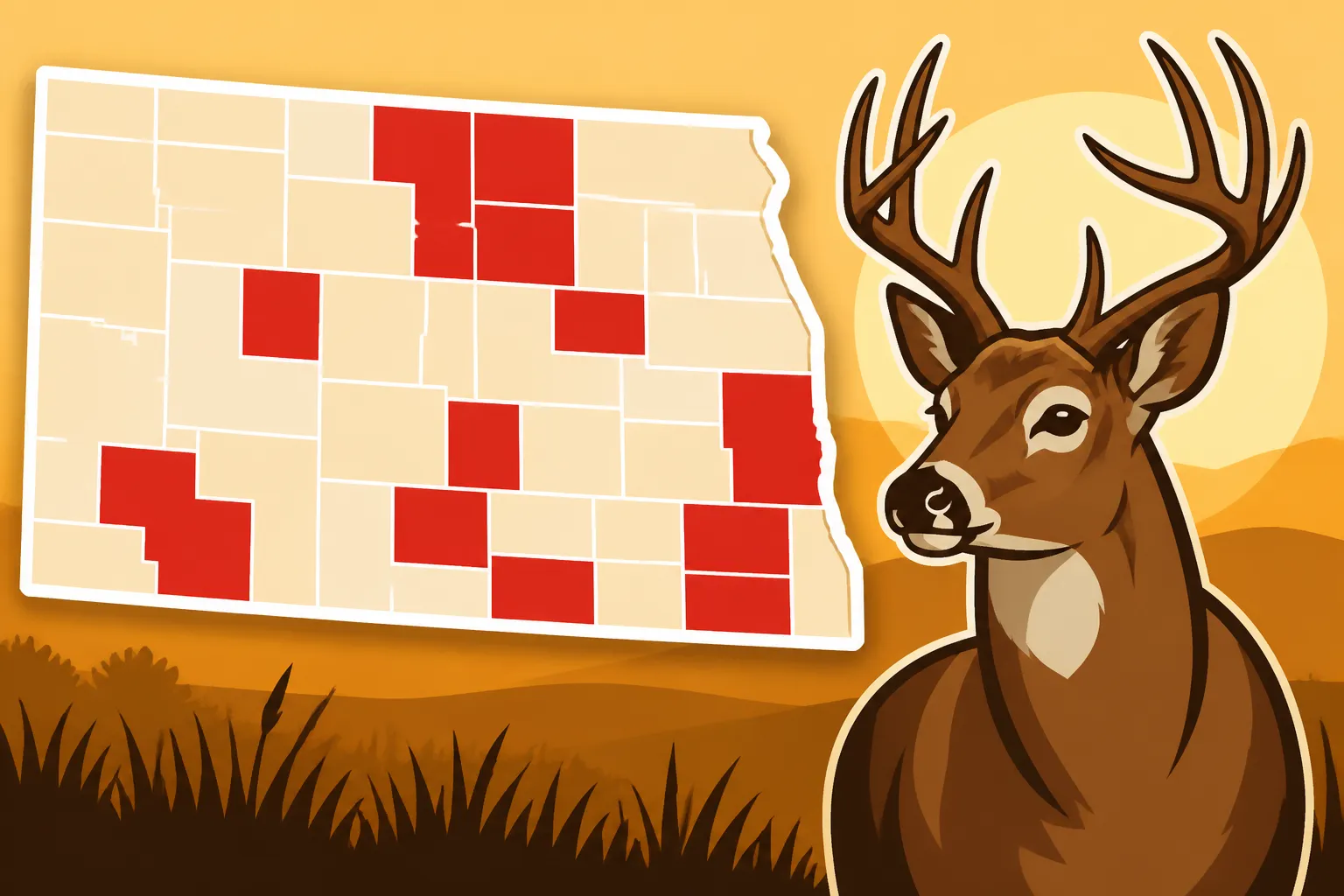
North Dakota has identified several hunting units as CWD positive, meaning the disease has been detected in deer or elk within those areas. Based on the data available to us, North Dakota has designated fourteen CWD hunting units. These units are predominantly located in the western and central parts of the state, particularly along major river corridors like the Missouri River and its tributaries, which often serve as natural travel routes and congregation points for deer. For instance, some of these units often include areas around counties like McKenzie, Dunn, Mercer, and Morton, stretching into parts of counties bordering the Missouri River and the Badlands. North Dakota's Fourteen-Unit CWD Zone is a key resource to understand the exact breakdown. The presence of CWD in these units triggers specific rules and mandatory testing requirements to help monitor the disease and prevent further spread.
These units aren't static; the boundaries and the focus areas can shift as new detections occur and wildlife managers gain more understanding of the disease's distribution. This dynamic nature is why it's so important for hunters to check the most up-to-date information before heading into the field. Imagine planning a hunt for months, only to arrive and find out the unit you chose now has mandatory testing you weren't prepared for. It's a common concern, and staying current with official announcements is your best defense against such surprises.
How These Units Are Designated and Monitored
The designation of a CWD hunting unit isn't a random decision; it's a carefully considered process driven by scientific data and surveillance efforts. When a CWD positive animal is detected in a specific geographic area, usually through hunter-harvested surveillance or targeted sampling of sick animals, that area then becomes a candidate for designation as a CWD unit. The North Dakota Game and Fish Department (NDGFD) then conducts further surveillance, often increasing mandatory testing in surrounding areas to determine the extent of the disease's presence.
Once a unit is designated, monitoring intensifies. This often includes mandatory CWD testing for all harvested deer within those units, especially during the deer gun season. Collection sites are set up, and hunters are required to submit samples from their harvested animals. This crucial data allows wildlife biologists to track the disease's prevalence, identify potential hotspots, and inform future management strategies. It's a continuous, year-round effort that relies heavily on hunter cooperation. The information gathered from thousands of samples helps create a clearer picture of North Dakota CWD Prevalence Rate Trends.
To give you a clearer picture of how these CWD units relate to hunting regulations, here's a general overview of what you might expect when hunting in a designated CWD unit:
| Aspect | Non-CWD Unit (General Rules) | CWD Unit (Specific Rules Apply) |
|---|---|---|
| CWD Testing | Voluntary testing often available. | Mandatory testing for specific species (e.g., deer) often required. |
| Carcass Transport | Whole carcasses generally permitted across unit lines. | Restrictions on carcass transport out of unit (e.g., bone-in meat, brain/spinal cord removed). |
| Baiting | Legal unless otherwise restricted by local ordinance. | Often prohibited or restricted within designated CWD units. |
| Disease Monitoring | General surveillance programs. | Intensive surveillance, increased sampling efforts. |
| Hunter Impact | General hunting regulations. | Direct involvement in disease management through testing compliance. |
This table highlights the key differences and underscores the added responsibilities that come with hunting in CWD units. It's not just about the thrill of the hunt; it's about being an active participant in wildlife conservation.
Navigating CWD Regulations and Responsible Hunting
The additional regulations in CWD units can feel like a burden, especially when you're just trying to enjoy your time in the field. It’s easy to feel overwhelmed by the extra steps. But these measures are put in place with the long-term health of the herd and hunting opportunities in mind. Understanding them and committing to follow them is perhaps the most important contribution a hunter can make to combating CWD.
Mandatory Testing and Carcass Transport Rules
When hunting in a CWD unit, one of the most significant changes you'll encounter is mandatory CWD testing. This means that if you harvest a deer or elk in one of these designated areas, you are typically required to submit a sample from your animal for testing. This usually involves bringing the head, or a specific part of it, to an official sampling station. This might sound like an extra chore after a long day of hunting, but it’s absolutely critical for surveillance. Mandatory Testing Inside a CWD Hunting Unit is not just a suggestion; it's a legal requirement designed to help biologists track the disease. You'll find these sampling stations often strategically located or clearly marked, and understanding where and when to submit your sample is key. Finding a North Dakota CWD Sampling Station ahead of time can save you a lot of hassle post-harvest.
Another major regulation pertains to carcass transport. To prevent the spread of CWD to unaffected areas, there are strict rules about what parts of a harvested animal can leave a CWD unit. Generally, you cannot transport a whole carcass out of a CWD unit. Instead, you'll need to process the animal down to certain allowable parts, such as deboned meat, quarters with no spinal column or head attached, or capes with no skull plate or brain material. The goal is to remove all high-risk parts (brain, spinal cord, lymph nodes) that are most likely to carry CWD prions. This often means field dressing and quartering your animal differently, or finding local processors who understand and adhere to these rules. Information on Handling Venison From a CWD Hunting Unit is paramount for compliance and peace of mind.
Baiting Restrictions and CWD Prevention Efforts
Baiting, while a popular tactic for some hunters, becomes a significant concern in the context of CWD. When you place bait like corn or minerals in an area, you create an artificial concentration of animals. This increased density and repeated use of the same site dramatically increases the chances of direct animal-to-animal contact and saturates the environment with infectious prions from saliva, urine, and feces. Because of this, baiting is often prohibited or heavily restricted within CWD hunting units. North Dakota Baiting Restrictions on National Grasslands and other public lands are often in place for this very reason, but specific CWD unit rules might extend these restrictions to private land as well.
These restrictions are not about limiting your hunting success but about limiting the potential for disease transmission. It's a proactive measure to protect the herd. Beyond baiting bans, other prevention efforts include managing herd densities through targeted antlerless harvests in affected units, educating hunters, and ongoing research into CWD. Every effort, from proper carcass disposal to adhering to transport rules and avoiding bait, contributes to the larger goal of containing and, hopefully, eventually mitigating CWD. Your cooperation helps ensure that the future generations of North Dakota hunters can enjoy healthy wildlife.
Resources for Staying Informed and Hunting Smart
In a world where information is constantly flowing, it can be tough to discern what's accurate and truly helpful, especially when it comes to something as important as hunting regulations and disease management. The key to successful and responsible hunting in CWD zones lies in proactively seeking out reliable resources. Don't rely on campfire rumors; go straight to the source.
Utilizing Digital Tools and Official Channels
The North Dakota Game and Fish Department (NDGFD) is your absolute go-to resource for all CWD-related information. Their official website is updated regularly with the latest CWD unit maps, testing requirements, carcass transport rules, and sampling station locations. Before every hunting season, and certainly before venturing into a new unit, make it a habit to check their dedicated CWD section. They often provide detailed maps showing the exact boundaries of the Which North Dakota Units Have Confirmed CWD and offer clear instructions on what hunters need to do.
Beyond the official state agency, various hunting apps and online platforms can be incredibly helpful. Tools like GoHunt provide mapping overlays that can show public and private land boundaries, and sometimes even CWD unit boundaries. While these are excellent for planning and scouting, always cross-reference any CWD-specific information with the official NDGFD resources. Think of GoHunt as your navigational assistant, helping you understand the terrain, but the NDGFD website is your regulatory bible. These digital tools can also help you read aerial photos for Reading North Dakota Mud for Fresh Deer Movement or Finding Sign Along a Shelterbelt while also keeping an eye on the CWD boundaries. Many hunters also use the NDGFD's own mobile app for reporting harvests and staying current with alerts.
Making Informed Decisions for Your North Dakota Hunt
Ultimately, navigating CWD in North Dakota comes down to making informed and ethical decisions as a hunter. This starts with understanding the disease, knowing which units are affected, and committing to follow all regulations. If you're considering hunting in a CWD unit, plan ahead for mandatory testing, understand carcass transport rules, and be aware of any baiting restrictions. It might require a bit more preparation and a slight adjustment to your post-harvest routine, but it's a small price to pay for the health of the herd.
Always pack the necessary tools for field dressing and quartering if you're in a CWD unit. Keep an eye on the news and official announcements throughout the year, as regulations can change. Remember, every hunter plays a vital role in wildlife management. By being informed, compliant, and responsible, you're not just adhering to the law; you're actively contributing to the conservation of North Dakota's incredible deer and elk populations for generations to come. Your participation in surveillance, such as through CWD Testing for North Dakota Hunters, is an act of true stewardship.
Disclaimer
This article is for general informational purposes only and does not constitute professional advice. Laws, prices and regulations vary by location and change over time. Consult a qualified professional for guidance on your specific situation.