How Landowners Enroll Land in PLOTS
It’s a common dilemma for North Dakota landowners: you love to see wildlife thrive on your property, maybe you even hunt it yourself, and you understand the need for public hunting access in our great state. But the thought of opening your gates to strangers, dealing with potential liability, or worrying about what might happen on your land can be a huge hurdle. This guide is here to walk you through exactly how the PLOTS program can turn those concerns into a valuable partnership, providing benefits for your land, your wallet, and North Dakota's hunting community.
Understanding the PLOTS Program and Its Value to Landowners
The Private Land Open To Sportsmen (PLOTS) program is a cornerstone of public hunting access here in North Dakota. It's truly a win-win system that benefits both landowners and hunters, bridging the gap between abundant wildlife on private ground and the ever-growing demand for places to pursue it.
More Than Just "Open" Land: The PLOTS Philosophy
At its heart, PLOTS isn't just about sticking a sign in the ground. It's a partnership between the North Dakota Game and Fish Department (NDGFD) and private landowners like you, aimed at enhancing wildlife habitat and providing regulated public hunting opportunities. For many landowners, the idea of having "open" land might conjure images of uncontrolled access, but PLOTS is designed with a specific philosophy: to manage that access and ensure a positive experience for everyone involved. It recognizes that much of North Dakota's prime hunting ground is privately owned, and without your willingness to participate, many hunters would struggle to find places to hunt. It's an act of generosity and conservation that ripples through the hunting heritage of our state. How PLOTS Access Works delves into the hunter's side of this, but it’s crucial for landowners to understand the managed aspect of this access.
Tangible Benefits: Financial and Beyond
Let's be real, while the conservation aspect is wonderful, most landowners need a practical reason to consider opening their property. The PLOTS program offers very real and tangible benefits. Foremost among these are financial incentives. The NDGFD offers payments to landowners for enrolling their property, which can provide a welcome supplement to your farm or ranch income. These payments vary based on the type of habitat, the amount of acreage, and the duration of the agreement. Beyond direct payments, the program can also assist with habitat development, offering resources, technical advice, and even cost-sharing for improvements that benefit wildlife, like planting food plots or enhancing wetlands. This means you can improve the value of your land for wildlife, which often aligns with other land management goals, without bearing the full financial burden yourself. Moreover, the presence of clearly marked PLOTS areas can actually help manage hunter traffic, guiding them to designated access points and reducing the likelihood of accidental trespass on un-enrolled areas. For deer hunters, the ability to obtain North Dakota Landowner Deer Permit Rules is another benefit that can integrate with PLOTS enrollment.
Eligibility and Agreement Options: Finding the Right Fit
Considering PLOTS means understanding what kind of land qualifies and what types of agreements are available. It’s not a one-size-fits-all program, and that flexibility is often what makes it appealing to a diverse group of landowners.
Who Can Enroll: Land Requirements and Considerations
The NDGFD is always looking for properties that offer quality habitat and good hunting potential. Generally, they prioritize land that provides habitat for popular game species like pheasants, deer, ducks, and geese. This could include native prairie, CRP grasslands, wetland areas, shelterbelts, food plots, or even agricultural fields with standing stubble or unharvested crops. While there isn't a strict minimum acreage for every type of enrollment, larger contiguous blocks of habitat often hold more appeal due to the better hunting experiences they can provide. However, smaller parcels that act as key travel corridors or isolated cover can also be highly valuable. The NDGFD will conduct a site visit to assess your property's suitability, looking at existing habitat, game sign, and potential for improvements. They want to ensure that any enrolled land genuinely offers a worthwhile experience for hunters.
Exploring PLOTS Agreement Types
The program offers various agreement types, allowing you to choose what best suits your operation and comfort level. The most common is the Walk-In Access (WIA) agreement, which allows public access for foot traffic only, for specific hunting seasons. This can be tailored to certain species or periods. For instance, you might enroll a parcel for pheasant hunting from October to December, or for archery deer hunting during the full season. There are also options for larger habitat improvement projects, like creating or enhancing wetlands, or planting trees for winter cover, which often come with longer-term agreements. These agreements typically run for a minimum of two to five years, but longer terms are also possible, sometimes with increased incentives. The flexibility allows you to align the program with your long-term land management goals. You can discuss with the NDGFD field staff the best options for your particular parcel, whether it's solely for Pheasant Hunting North Dakota's Prairie or providing winter cover for White-Tailed Deer Across North Dakota.
| Agreement Type | Description | Typical Duration | Benefits for Landowner |
|---|---|---|---|
| Walk-In Access (WIA) | Allows foot traffic only for hunting specific game during designated seasons. | 2-5+ years | Direct payment, managed access, reduced vehicle traffic. |
| Habitat Development | Focuses on enhancing specific habitat features (e.g., wetlands, tree plantings) for wildlife. | 5-10+ years | Direct payment, cost-sharing for improvements, enhanced wildlife on property. |
| Food Plots | Agreement to plant and maintain food plots for wildlife. | Annual or multi-year | Direct payment, attracts game, minimal impact on existing farm operations. |
| CRP/Native Prairie | Compensation for opening Conservation Reserve Program (CRP) or native grasslands. | Aligned with CRP contract | Direct payment, supports existing conservation efforts, ideal upland bird habitat. |
The Enrollment Process: Step-by-Step Guidance
Thinking about enrolling can feel like a big step, but the North Dakota Game and Fish Department has a fairly straightforward process in place, designed to make it as easy as possible for landowners.
Initial Contact and Site Assessment
The first step is simply reaching out to your local NDGFD Private Land Initiative (PLI) coordinator or the regional office. You can find contact information on their website or by calling the main Bismarck office. When you make that call, explain your interest in the PLOTS program and be ready to provide some basic information about your property – its location, acreage, and the types of habitat present. They'll then schedule a time to meet with you on your land. This initial meeting is crucial. A PLI coordinator will walk the property with you, discuss the habitat, evaluate its potential for various game species, and listen to your specific concerns and goals. They're looking for areas that will truly benefit hunters and wildlife, and they'll help you identify the best parts of your property for enrollment. This on-the-ground assessment is a critical part of the program, ensuring that expectations are managed for both the landowner and the hunters who will eventually use the land. Just as hunters do their Scouting PLOTS Land Before Season, the PLI coordinator will be doing their own assessment to ensure it's a good fit.
Contract Review and Agreement Formalization
Once the site assessment is complete and you and the PLI coordinator agree on the suitable parcels and access type, the next phase involves the contract. The NDGFD will draft an agreement outlining the terms of the enrollment: the specific acreage, the duration of the agreement, the hunting seasons allowed, and the financial compensation. This is your chance to review everything carefully, ask any questions you might have about liability, access points, or any specific restrictions you'd like to include. Don't hesitate to clarify anything that isn't crystal clear. It’s a legal document, after all, and you want to be completely comfortable with its terms. Once satisfied, you'll sign the agreement, making your land officially a part of the PLOTS program. This formalizes the partnership and sets everything in motion.
Signage, Mapping, and Program Implementation
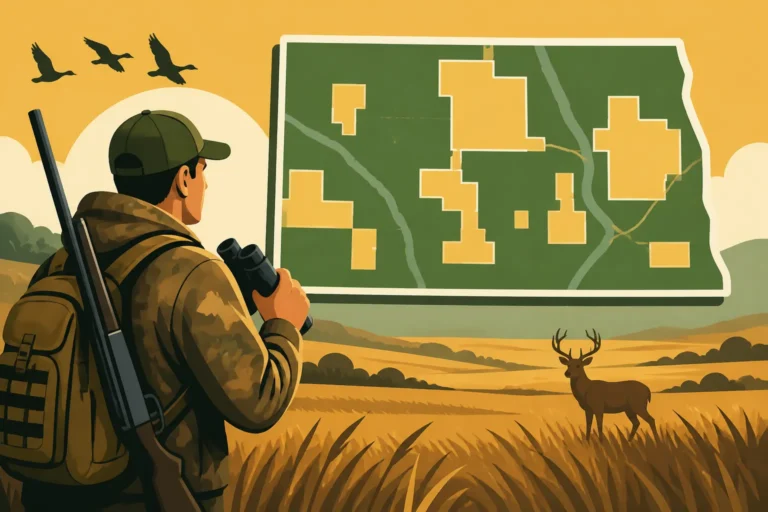
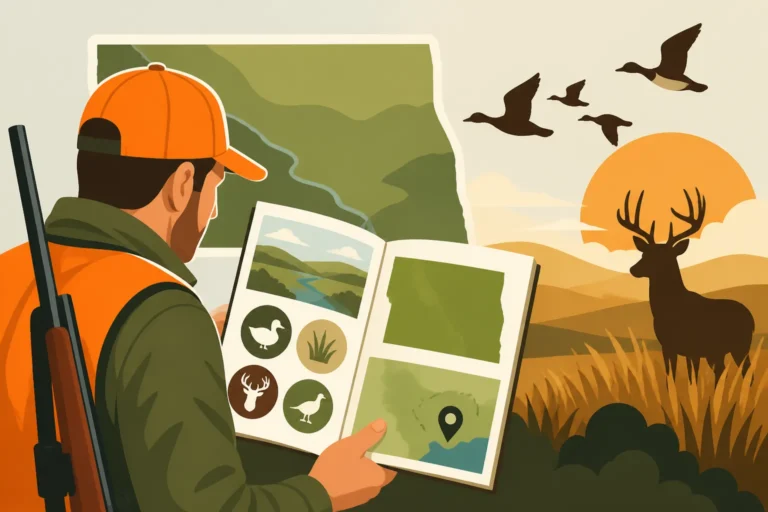
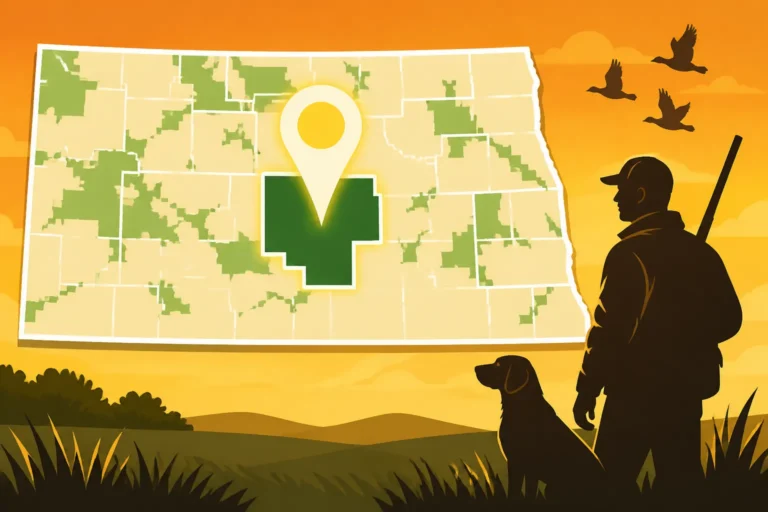
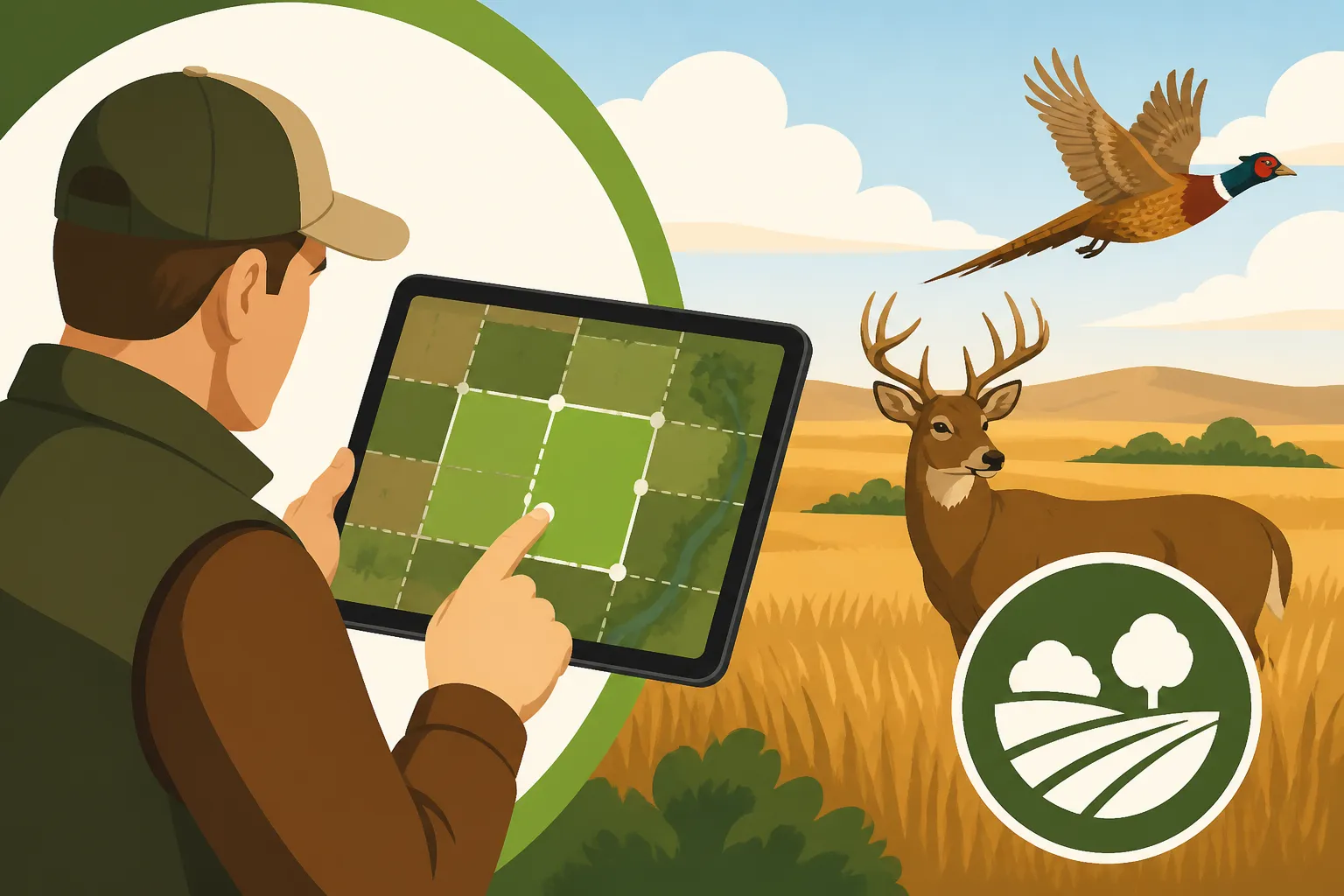
After the agreement is signed, the NDGFD takes over the logistical aspects of marking your property. They will install distinctive yellow PLOTS signs at all access points and along property boundaries, clearly delineating the areas open to public hunting. These signs are unmistakable and serve to inform hunters exactly where they can and cannot go, helping to prevent accidental trespass onto your un-enrolled private land or neighboring properties. Crucially, the NDGFD then updates its official PLOTS maps, which are available online and through their mobile app. These digital maps are invaluable for hunters, allowing them to easily identify open access areas using tools like onX Hunt or GoHunt, which integrate with or display this public land information. This digital mapping ensures that hunters have accurate, up-to-date information right in their pockets, making it easier for them to plan their hunts and respect your property lines. The physical signs and digital maps work in tandem to create a clear and managed access system. Hunters rely on these resources, much like they would on the Using the PLOTS Guide Booklet.
Addressing Landowner Concerns: Liability, Damage, and Control
It's completely normal to have worries when you consider opening your private land, even through a program like PLOTS. Concerns about liability, potential damage, and losing control over your property are top of mind for many landowners. Let's tackle those head-on.
Mitigating Liability: Legal Protections for PLOTS Landowners
One of the biggest fears for any landowner opening their property to others is the specter of liability. What if a hunter gets hurt on your land? This is where the PLOTS program provides significant peace of mind. North Dakota has what are known as "recreational use statutes," which offer landowners a degree of protection from liability when they allow public recreational access to their property without charging a fee. When you enroll your land in PLOTS, the program generally enhances these existing protections, often providing additional indemnification to shield you from lawsuits if someone is injured while hunting on your PLOTS ground. The NDGFD is committed to protecting participating landowners. This means that by partnering with the state, you're not just opening your land, you're also gaining a layer of legal protection that you wouldn't necessarily have if you simply allowed unrestricted, unmanaged access. This makes the partnership not just financially viable, but legally secure. It's a key reason why so many landowners feel comfortable participating.
Preventing and Addressing Property Issues
Beyond liability, there's the practical concern of property damage, litter, or disrespect. While the vast majority of hunters are ethical and respectful, every landowner worries about the few who aren't. PLOTS aims to minimize these issues through clear signage and rules, and by promoting a strong hunter ethic. The program's visible signs clearly mark boundaries and access points, which helps guide hunters and reinforces the idea that they are guests on your land.
However, should issues arise – perhaps you find litter, notice vehicle tracks where they shouldn't be, or encounter someone misusing the property – the NDGFD is your primary point of contact. They have field staff who can investigate and address these concerns. It's crucial for landowners to report any problems promptly so the department can take appropriate action, which might include educating the hunter, issuing warnings, or even revoking hunting privileges. Think of them as your partners in managing the access you've provided. The clearer the rules, the easier it is for hunters to follow them, and for the NDGFD to enforce them. Understanding North Dakota Trespass and Permission Law is important, but the PLOTS program also adds another layer of cooperation.
Maximizing Your PLOTS Experience: A Partnership Approach
Enrolling your land in PLOTS is more than just a transaction; it's an ongoing relationship. To truly maximize the benefits and ensure a smooth experience, active communication and a mindset of partnership are key.
Communication and Ongoing Management
Once your land is enrolled, maintaining an open line of communication with your NDGFD PLI coordinator is invaluable. Things change on the land: fences might need repair, a new crop rotation might be implemented, or you might observe changes in wildlife use. Keeping the department informed of these developments helps them manage the PLOTS area effectively and communicate any necessary updates to hunters. Conversely, if you have questions about the program, encounter issues, or even have ideas for further habitat improvements, your coordinator is there to help. This isn't a "set it and forget it" program; it thrives on collaboration. The NDGFD might also reach out periodically for updates, or to offer assistance with habitat work. This collaborative spirit ensures that the program remains beneficial for your land and its wildlife, continually enhancing the hunting experience and the overall health of the ecosystem. Just as Habitat Work on North Dakota Wildlife Management Areas is ongoing, so too can the work on your PLOTS land be.
Embracing the Role of a Conservation Steward
Participating in the PLOTS program is a powerful way to contribute to wildlife conservation and the future of hunting in North Dakota. By opening your land, you are providing critical habitat and access that directly impacts populations of species like North Dakota Deer Population Estimate and North Dakota Pheasant Population Estimate. You become an essential part of the larger conservation effort, demonstrating a commitment to responsible land management and supporting the outdoor traditions that are so vital to our state. There's a real sense of pride that comes from knowing you're providing opportunities for families and individuals to connect with nature, put food on their tables, and create lasting memories. It’s a legacy that extends far beyond your property lines, helping to sustain healthy wildlife populations and a vibrant hunting culture for generations to come. When hunters see those familiar yellow signs, they're not just seeing an open field; they're seeing a landowner who cares about both the land and the tradition.
Disclaimer
This article is for general informational purposes only and does not constitute professional advice. Laws, prices and regulations vary by location and change over time. Consult a qualified professional for guidance on your specific situation.