White-Tailed Deer Across North Dakota
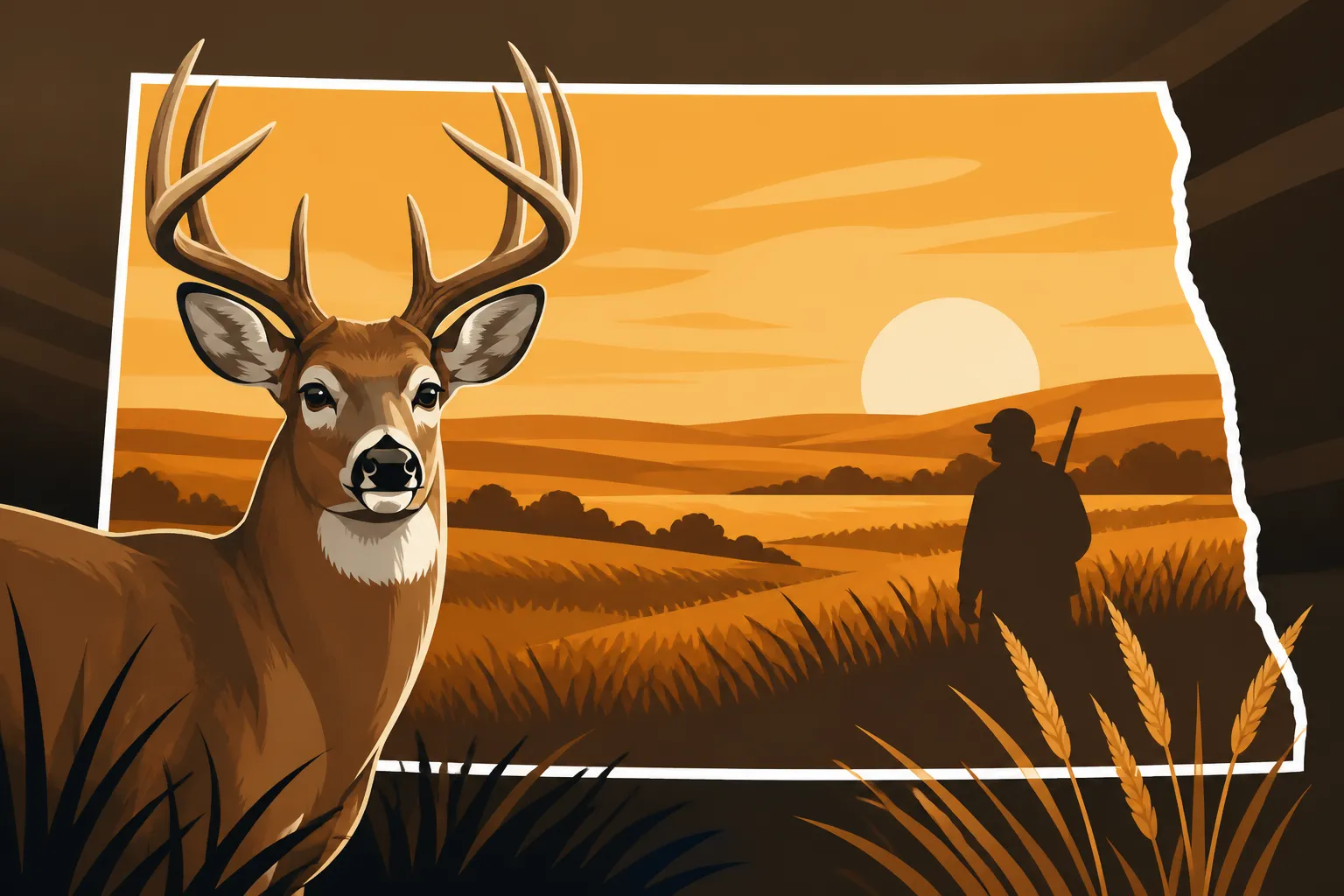
Hunting white-tailed deer in North Dakota presents a unique blend of challenges and rewards, often defined by vast, open landscapes and unpredictable weather patterns that can make or break a hunting trip. For many, the dream of tagging a mature prairie whitetail is a powerful draw, but without a clear understanding of the diverse habitats, hunting regulations, and effective strategies, it's easy to feel overwhelmed. This comprehensive guide aims to unravel the complexities of pursuing whitetails across North Dakota, offering practical advice and deep insights to help you prepare for a successful and memorable hunt.
Understanding North Dakota's Whitetail Landscape
North Dakota might be known for its expansive prairies, but the landscape supporting white-tailed deer is surprisingly diverse, offering a range of habitats that influence deer behavior and hunting strategies. Understanding these regional differences is crucial for any hunter hoping to fill a tag.
Diverse Habitats and Regional Differences
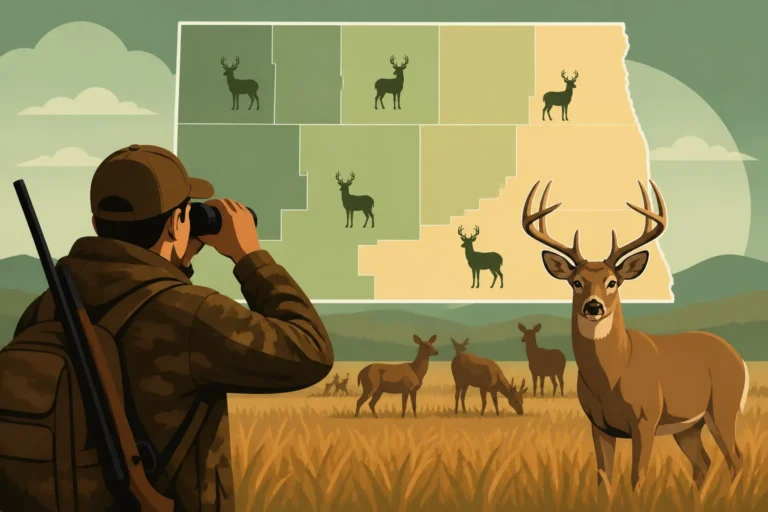
From the tree-lined river bottoms to the rolling badlands and the endless agricultural fields, North Dakota's whitetails have adapted to a variety of environments, each presenting its own set of challenges and opportunities. Knowing where to look and what to expect in each region can significantly improve your chances of success.
The Prairie Pothole Region dominates the eastern and central parts of the state, characterized by a mosaic of agricultural fields, small wetlands (potholes), and scattered shelterbelts or small woodlots. Deer in this region often rely heavily on standing crops like corn or sunflowers for both food and cover. They'll use the sparse timber along sloughs, drainage ditches, and farmstead shelterbelts as bedding areas and travel corridors. Hunting here often involves glassing vast areas, carefully approaching small pockets of cover, or setting up on field edges. The challenges include the lack of continuous cover, making deer highly visible, and the need to gain permission from private landowners for access to many prime areas.
Moving westward, the Missouri River Corridor presents a completely different picture. Here, the river bottomlands provide dense timber, brushy draws, and steep river breaks. This habitat offers excellent cover, natural food sources like browse and acorns (in some areas), and thermal protection, making it a natural magnet for whitetails. Deer densities can be quite high in these areas, but the terrain can be rugged, and the timber can be thick, making still-hunting or stand hunting along travel routes and pinch points highly effective. Hunters often find themselves navigating deep ravines and thick willow thickets.
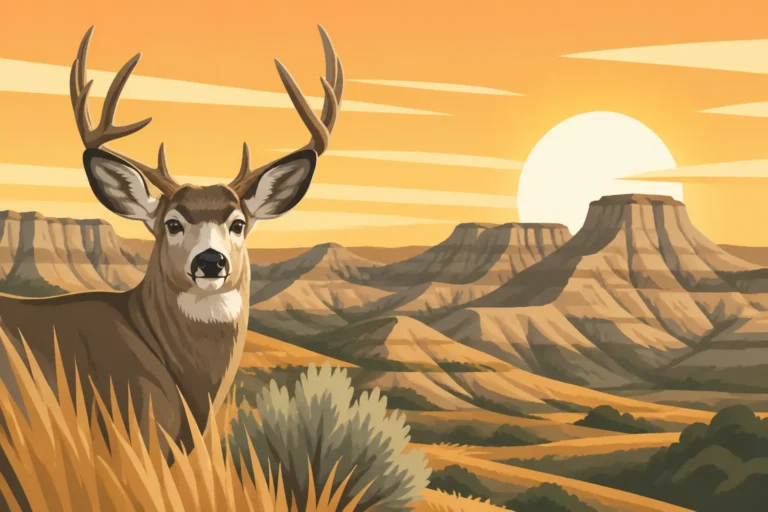
Further west still, you'll encounter the rugged beauty of the Badlands. While often associated with mule deer, whitetails thrive in the Badlands' unique coulees, draws, and scattered pockets of timber, often intermixed with grasslands and sagebrush flats. Whitetails here tend to stick to the deeper, more timbered draws and the fringes of the Little Missouri River bottom. They're often more elusive and require extensive glassing from high vantage points to locate. Once spotted, a careful stalk in the broken terrain can be productive. The wind and thermals in this area can be tricky, making an understanding of how they affect scent crucial.
Finally, the Red River Valley in the far east is notoriously flat and heavily agricultural. Whitetail habitat here is limited primarily to narrow riparian corridors, shelterbelts, and isolated farm groves. Deer movement is often dictated by the availability of these sparse cover elements and the surrounding crop fields. Hunting in this region requires detailed scouting to identify key travel routes and bedding areas within these limited cover types, and often relies heavily on private land access.
Whitetail Population Trends and Health
Understanding the general health and population trends of North Dakota's whitetails is important for managing expectations and adapting your hunting approach. The North Dakota Game and Fish Department (NDG&F) diligently monitors these populations, and their data often provides insights into license allocations and season structures.
North Dakota's whitetail population can fluctuate significantly, primarily due to the impact of severe winters. A harsh winter with deep snow and prolonged cold can lead to increased winter mortality, especially among fawns and older deer. Conversely, mild winters often result in high fawn survival and a growing herd. For example, recent years have seen a concerted effort to rebuild the deer population after a series of tough winters led to Why 2026 Licenses Hit a Fifty-Year Low. NDG&F's management strategies often involve adjusting license numbers, with more antlerless tags available when populations are robust and a reduction when they need to recover.
Disease is another factor that impacts herd health. Chronic Wasting Disease (CWD) is a persistent concern, and North Dakota has been proactive in monitoring and managing its spread. While CWD prevalence rates are still relatively low compared to some other states, it's something every hunter needs to be aware of, especially when hunting in North Dakota's Expanding CWD Hunting Units. The NDG&F provides information on CWD surveillance and mandatory testing areas. Another significant, though less chronic, concern is Epizootic Hemorrhagic Disease (EHD), which can cause localized die-offs, particularly during hot, dry summers. These events are often localized and don't typically impact the statewide population long-term, but they can affect hunting in specific areas. The NDG&F uses aerial surveys, hunter harvest reports, and landowner input to estimate deer numbers and assess herd health, guiding their decisions on how many licenses to issue each year. Staying informed through the NDG&F website or using a planning tool like GoHunt can keep you up-to-date on these important trends.
Essential Gear for North Dakota Whitetail Hunters
Hunting North Dakota whitetails means preparing for a wide range of conditions, from crisp autumn days to brutal winter blizzards. Having the right gear isn't just about comfort; it's about safety and increasing your effectiveness in the field.
Clothing and Layering for Extreme Weather
North Dakota weather is legendary for its unpredictability. A warm, sunny morning can quickly turn into a frigid, windy afternoon with snow. This is why a well-thought-out layering system is absolutely non-negotiable for whitetail hunting.
Start with a quality base layer made of merino wool or synthetic materials that wick moisture away from your skin. Cotton is a definite no-go as it retains moisture and chills you quickly. Next, add a mid-layer for insulation – a fleece jacket or a heavier wool sweater works wonders. Your outer layers are critical for protection against wind and precipitation. Look for waterproof and windproof jackets and pants that are durable enough to withstand brush and briars. Brands like Sitka Gear or First Lite offer excellent options that are designed for active hunting in cold, harsh conditions. On a late-season hunt, you might even consider an insulated puff jacket or bibs as an additional layer, especially if you plan on extended periods of sitting still in a stand. Don't forget a warm hat that covers your ears, insulated gloves or mittens, and a neck gaiter or balaclava to protect your face and neck from biting winds. Your footwear is equally important. Insulated, waterproof boots that offer good ankle support are essential, particularly if you're navigating wet sloughs or deep snow. Many hunters prefer a pac-boot style for late-season hunts when temperatures plummet, pairing them with thick wool socks. Remember, having extra layers in your pack is always a good idea; you can shed them if you're active and put them back on when you're still. And, of course, during gun season, you'll need to wear blaze orange, typically a minimum of 400 square inches above the waist, visible from all sides.
Weapon Choices and Ammunition Considerations
North Dakota offers flexibility in weapon choices for whitetail season, but each comes with its own considerations regarding effectiveness, range, and legal requirements. Choosing the right firearm or archery setup is a personal decision, but it should be informed by the terrain you'll be hunting and your personal skill level.
For rifle hunters, popular calibers like .270, .30-06, and .308 Winchester are workhorses, offering a good balance of accuracy, flat trajectory, and knockdown power for deer-sized game. Many hunters also favor cartridges like the 6.5 Creedmoor or 7mm-08 for their excellent ballistics and reduced recoil. Whatever caliber you choose, practice extensively to ensure you're proficient out to your maximum ethical shooting distance. Ammunition choice is also critical; opt for quality hunting bullets designed for controlled expansion and good penetration, such as bonded bullets or those with polymer tips. Remember to check North Dakota's specific regulations on minimum bullet diameter (typically .22 caliber for centerfire rifles) and magazine capacity.
Archery hunting continues to grow in popularity, and for good reason. Compound bows are the most common, offering speed, accuracy, and adjustability. Crossbows are also legal during the archery season. For broadheads, fixed-blade designs offer reliability and deep penetration, while mechanical broadheads provide a wider cutting diameter and can be very accurate, though ensuring they deploy correctly is paramount. Ethical archery hunting demands precision; practice regularly, especially with your hunting broadheads, to ensure tight groups at various distances. Knowing your effective range is crucial, and resisting shots beyond that range is a mark of a responsible hunter.
Muzzleloader season provides a unique challenge, taking place after the general gun season for a more primitive hunting experience. Traditional muzzleloaders (flintlock or percussion cap) and modern in-line muzzleloaders are both legal, though many hunters opt for in-line designs for their increased reliability and accuracy. Ammunition typically consists of sabot bullets or patched round balls, propelled by black powder or black powder substitutes. As with rifles, practice with your chosen load is essential, as muzzleloaders have different ballistic characteristics than modern firearms. Carrying extra powder, caps/primers, and cleaning supplies is a good practice, especially in cold weather, as these systems can be more susceptible to moisture and fouling. Regardless of your weapon choice, familiarity and proficiency are your greatest assets in the field.
Strategies for Bowhunting North Dakota Whitetails
Bowhunting North Dakota whitetails can be incredibly rewarding, offering a more intimate experience with nature. However, it requires a different approach than gun hunting, especially given the state's often-open terrain and the specific season dates.
Early Season Tactics and Stand Placement
North Dakota's archery season opens well before the main rut, typically in late August or early September. During this early period, deer patterns are largely dictated by food sources and their predictable transition from summer to fall. Deer are still in their summer patterns, focusing on reliable food sources and comfortable bedding areas.
Early season bucks, especially mature ones, are often still predictable. They're typically feeding heavily in alfalfa fields, soybean fields, or even newly emerging winter wheat fields. As the season progresses, they'll shift to corn or sunflower fields once those crops begin to dry down and become more palatable. Your early season strategy should revolve around locating these primary food sources and identifying the travel corridors deer use to get to and from them. Scouting PLOTS Land Before Season becomes paramount, as deer movement will be dictated by available cover and food. Aerial maps, ground scouting, and trail cameras are invaluable tools. Look for natural funnels, pinch points, and cover edges that connect bedding areas (often dense pockets of cattails in sloughs, shelterbelts, or river bottom timber) to feeding areas.
Stand placement is critical and needs to be discreet. Whitetails, especially on the prairie, can be extremely wary. Consider prevailing winds for your chosen stand location, ensuring your scent is carried away from known deer travel routes. Elevated treestands can be effective in areas with sufficient timber, but ground blinds are often a better option in more open country or along field edges. Make sure your ground blind is brushed in naturally and has been out for a while so deer can get used to its presence. Pay close attention to your entry and exit routes to avoid spooking deer, particularly during low-light hours. A quiet approach through thick cover or along a ditch can make all the difference. Remember, early season bucks often move during the first and last hours of daylight, so being in your stand early and staying late is key. Using a mapping app like GoHunt can help you identify these hidden travel routes and pinpoint ideal stand locations, allowing you to mark wind direction and access points.
Rut Strategies and Calling Techniques
As October progresses into November, North Dakota's whitetails begin to enter the most exciting phase of their annual cycle: the rut. This is when bucks throw caution to the wind in search of does, offering some of the best opportunities for bowhunters.
The peak rut in North Dakota typically occurs in early to mid-November, right around When the North Dakota Rut Peaks. During this time, traditional feeding and bedding patterns can break down, as bucks are constantly on the move. Your focus should shift from specific food sources to travel corridors, known doe bedding areas, and areas with significant buck sign (scrapes and rubs). Bucks will be cruising fringes of cover, checking scrapes, and chasing does, making them more susceptible to calling and decoying.
Rattling antlers can be incredibly effective during the rut, especially on the open prairie where sound carries far. Mimic a realistic sparring match between two bucks, varying the intensity and duration. Combine rattling with grunt calls, which can draw in curious bucks looking for the source of the commotion or challenging a potential rival. When Rattling Volume on the Open Prairie, remember that sound travels much further in wide-open country than in thick timber, so adjust your intensity. In river bottom timber, closer-range grunts and tending bleats can be more effective. Decoying can also be a game-changer. A well-placed buck decoy, particularly a mature one, can challenge a dominant buck or draw in a curious younger deer. Positioning the decoy to face you, simulating a buck scent-checking, can encourage an approaching buck to present a broadside shot. Always be mindful of safety when using decoys, especially during periods when rifle hunters might be in the woods (though archery season generally precedes or overlaps only minimally with the early gun season for the most part). Long hours in the stand are often rewarded during the rut, as deer activity can occur throughout the day, not just at dawn and dusk. Patience and persistence are key when chasing rutting bucks.
Navigating North Dakota's Gun Deer Season
North Dakota's gun deer season is a highlight for many hunters, offering the chance to pursue whitetails with a rifle in a landscape well-suited for its advantages. However, it's also a highly regulated and popular season, requiring careful planning and an understanding of the state's specific processes.
Lottery System and Tag Allocation
Unlike many states where general deer tags can be purchased over-the-counter, North Dakota operates a lottery system for its gun deer licenses. This system is designed to manage deer populations effectively and ensure fair access to hunting opportunities.
The core of the gun season access is the North Dakota Deer Gun Lottery Application Process. Hunters must apply for specific units, choosing their desired license type (e.g., "any deer," "antlered whitetail," or "antlerless whitetail"). The application period typically runs from late spring into early June. Successful applicants are then drawn for tags, with preference given to residents. Non-residents face steeper odds, but still have opportunities, especially for antlerless tags or in certain units. Understanding the different unit designations is crucial. "Any deer" licenses allow you to harvest either a buck or a doe, while "antlered whitetail" tags are specifically for bucks. "Antlerless whitetail" tags target does and fawns, which are often used by the NDG&F to manage herd numbers.
The lottery also incorporates a bonus point system for unsuccessful applicants. For every year you apply and are unsuccessful in drawing your first choice, you accumulate a bonus point. These points increase your odds in subsequent years, effectively rewarding loyalty and persistence. It's not a true preference point system where you guarantee a tag after a certain number of points, but it definitely improves your chances. Hunters should carefully research harvest success rates and historical draw odds for specific units before applying, using resources like the NDG&F's annual reports or a tool like GoHunt to inform their choices. Some units are perennially difficult to draw, while others have more consistent tag availability, especially for antlerless permits. Pay close attention to the deadlines; missing the application window means no gun deer tag for the season.
Group Hunting and Drives
Given North Dakota's often-open terrain and abundant private land, group hunting, particularly deer drives, is a popular and effective tactic during the gun season, especially for harvesting antlerless deer or pushing out wary bucks.
Deer drives can be highly effective in flushing deer from dense cover where they might otherwise be unapproachable. This is particularly true in shelterbelts, cattail sloughs, river bottom timber, or even standing corn fields. A typical drive involves a combination of "pushers" who walk through the cover, and "standers" who are positioned strategically at the expected escape routes. Safety is paramount in any group hunting scenario. All participants must be aware of each other's locations, shot angles, and beyond-target zones. Clear communication, often via two-way radios, is essential to coordinate movements and ensure everyone knows where other hunters are.
When organizing Deer Drives With Three or Four Hunters, it's important to map out the drive beforehand. Identify the cover to be driven, potential escape routes, and safe shooting lanes for standers. Standers should position themselves in locations that offer good visibility and a safe backdrop for their shots, always with the understanding that they are taking ethical shots at stationary or slowly moving deer. Pushers should move through the cover steadily, not too fast, making some noise but also being observant. They might get shooting opportunities as deer jump, but their primary role is to move deer towards the standers. This method is particularly useful when hunting larger tracts of private land where you have control over the access and know the lay of the land well. For example, Posting a Drive Around a Shelterbelt can be very productive if hunters are positioned at key corners or along adjacent fencelines. Always respect the landowner's wishes and ensure you have permission for all participants to be on the property.
Muzzleloader Opportunities and Late Season Challenges
For those seeking an extended deer season or a more traditional hunting experience, North Dakota's muzzleloader season offers a unique opportunity. Typically running after the general gun season, it often presents challenges that require different strategies and a hearty constitution.
Muzzleloader Season Specifics and Unit Availability
North Dakota's muzzleloader season is a special opportunity for hunters, often extending into December, well after the regular firearm season has concluded. This later timing means colder weather but also potentially less hunting pressure and more relaxed deer.
The specific North Dakota Muzzleloader Season Dates vary slightly year to year but generally open after the gun season closes and run for several weeks. This extended period allows hunters to take advantage of late-season deer patterns. Importantly, muzzleloader licenses are also part of the lottery system, and success in drawing one depends on the unit and the number of applicants. Not all units are open to muzzleloader hunting, so it's vital to check the NDG&F regulations and unit maps before applying. Often, units with lower deer densities or specific management goals will have muzzleloader opportunities. The weapon restrictions are strict: only legal muzzleloading firearms (including flintlock, percussion, or in-line systems) are allowed, and optics are typically limited to fixed-power scopes or non-magnifying sights, with specific rules on bullet type and powder.
The advantage of hunting during the muzzleloader season lies in the timing. With leaf-drop complete and often snow on the ground, visibility can be greatly improved, and deer movements become more predictable as they concentrate on persistent food sources and thermal cover. The landscape can feel more pristine, and encountering other hunters might be less frequent. Hunters who didn't draw a regular gun tag might find better odds in the muzzleloader draw, or it can simply offer a chance to extend their hunting season. It's a fantastic opportunity to slow down, embrace the challenge of a single-shot firearm, and immerse yourself in the late-season wilderness.
Tackling Late Season Conditions
Hunting in late November and December during the muzzleloader season means facing some of North Dakota's harshest weather. These conditions demand meticulous preparation and a robust strategy focused on survival and deer behavior.
The single biggest factor in late-season success is often snow. Fresh snow on the ground provides an invaluable tracking medium, allowing you to easily identify fresh deer movement, understand travel routes, and, most importantly, track a shot deer. Tracking a Deer in Fresh Prairie Snow can turn an otherwise impossible recovery into a success. Look for tracks leading to thermal cover or remaining food sources. When Hunting Into a December Cold Snap, deer instinctively seek out cover that offers protection from biting winds and extreme cold. This means focusing your efforts on thick shelterbelts, dense river bottom timber, deep coulees, or cattail sloughs – anywhere deer can get out of the elements.
Deer in the late season are highly focused on survival, meaning their patterns will revolve almost entirely around conserving energy and finding food. Key Late-Season Food Sources for North Dakota Whitetails include standing corn, sunflower fields, and often alfalfa fields if snow cover isn't too deep. Deer will hit these food sources relentlessly, especially during the last hours of daylight and sometimes even during the coldest parts of the day if energy demands are high. This is the time for long, patient sits in a ground blind or well-insulated treestand near these food sources or their connecting travel corridors. The biggest challenge, of course, is enduring the cold. As discussed previously, extreme layering is crucial. Hand and foot warmers can make a significant difference. Be prepared for strong winds that can cut through layers, and for temperatures that can drop well below zero. Despite the discomfort, the late season can offer some of the most rewarding hunts, with mature bucks often easier to pattern as their focus shifts from breeding to simply surviving. Using a sturdy tripod and high-quality binoculars or a spotting scope like those from GoHunt can help you spot deer at a distance from a warm vehicle, reducing exposure to the elements during scouting.
Public Land Whitetail Hunting in North Dakota
North Dakota has a reputation for being heavily private land, but there are significant opportunities for public land whitetail hunting if you know where to look and how to approach it. With a little research and effort, you can find productive ground.
Utilizing PLOTS and WMA Lands
For hunters without private land access, North Dakota's PLOTS (Private Land Open To Sportsmen) program and Wildlife Management Areas (WMAs) are absolute game-changers, offering vital public hunting opportunities across the state.
The PLOTS Program Explained is one of North Dakota's most successful conservation initiatives. It's a voluntary program where private landowners open their land to public hunting, trapping, and fishing in exchange for an incentive payment. These lands are clearly marked with distinctive yellow PLOTS signs. The acreage varies annually as landowners enroll or withdraw, so it's essential to stay updated. The best way to find PLOTS land is through the NDG&F website or, even better, by using their free "ND Hunt" app, which provides real-time maps, boundaries, and satellite imagery, even working offline in areas with no cell service. Many hunters use additional mapping tools like onX Hunt, which layers property ownership and public land boundaries directly onto detailed topographical maps.
Wildlife Management Areas (WMAs) are lands owned or managed by the NDG&F specifically for wildlife habitat and public recreation, including hunting. These areas are typically larger tracts than individual PLOTS parcels and offer more stable access year after year. WMAs often provide a mix of habitats, from dense timber to marshlands and grasslands, designed to benefit a variety of game species, including whitetails. Hunting pressure on WMAs can sometimes be higher, especially during opening weekends, but by venturing deeper into the units or focusing on less accessible areas, you can often escape the crowds. Remember to always respect the posted rules on both PLOTS and WMAs, including regulations on vehicle access, stand placement, and litter. These programs are a privilege, and their continued existence depends on ethical hunter behavior.
Respecting Private Land and Gaining Access
While public lands offer great opportunities, a significant portion of North Dakota's prime whitetail habitat is on private property. Understanding and respecting private land, and knowing how to ask for permission, is a cornerstone of North Dakota hunting culture.
North Dakota's trespass laws are clear: it is illegal to hunt on private land without permission. Landowners are not required to post their land, but it's always best to assume a tract is private unless clearly marked otherwise (like with PLOTS signs). If land is "posted" (with signs, fences, or other indications), you absolutely need permission to enter for any reason. Even if land isn't specifically posted, general courtesy and legality demand permission. The best approach for Knocking on Doors in North Dakota Farm Country is to do it well in advance of the season, not the morning of the hunt. Present yourself respectfully, introduce yourself, and clearly state your intentions. Offer to share game or help with chores. Be prepared for rejections, but don't give up. Many landowners appreciate hunters who ask politely and respect their property.
Building relationships with landowners is invaluable. A friendly demeanor, a thank-you note after the season, or even offering to help with a small task can go a long way in securing future access. Remember that landowners are dealing with numerous requests, so being considerate of their time and property is key. Never drive off-road without explicit permission, close all gates, and pack out everything you pack in. If you harvest a deer, follow up with a visit or call to show your appreciation and share your success. Some landowners may also be part of the PLOTS program or lease their land, so always clarify the terms of access. Understanding North Dakota's Landowner Preference Rules for deer tags can also shed light on how private land ties into the overall hunting landscape. Respect for private property is not just a legal obligation; it's a fundamental part of maintaining a positive image for all hunters and ensuring future access.
Post-Harvest Care and Regulatory Compliance
The hunt isn't over when you pull the trigger or release an arrow. Proper post-harvest care ensures you honor the animal and the meat, while regulatory compliance is essential to upholding North Dakota's wildlife management efforts.
Field Dressing and Meat Care
Once your whitetail is on the ground, the clock starts ticking. Proper field dressing and meat care are crucial, especially in North Dakota's variable climate, to ensure the venison is high quality and safe to eat.
The immediate priority after harvesting a deer is to field dress it to begin the cooling process and remove entrails. This prevents spoilage and lightens the load for dragging. During the early archery season, when temperatures can still be warm, rapid cooling is paramount. Get the deer gutted quickly and, if possible, get it to a shaded area or even into a cooler with ice (if transporting immediately). However, during the cooler gun and muzzleloader seasons, Field Dressing a Deer in Cold Weather is often more about staying warm yourself while you work, but the principle of cooling the meat remains. Get the body cavity open, and if possible, prop it open to allow air circulation. If you have a long drag or hike ahead, consider quartering the deer in the field, which can make transport significantly easier, especially in rugged terrain like the Badlands.
Once the deer is out of the field, the next step is to skin and process it. You can do this yourself if you have the skills and facilities, or take it to a professional meat processor. Many rural communities in North Dakota have excellent processors that can turn your deer into steaks, roasts, and various types of sausage. Ensure the meat is kept clean and cool throughout the entire process. If you're transporting the deer across state lines, be aware of specific regulations regarding carcass parts, especially concerning CWD. Always check the rules for both North Dakota and your destination state.
Tagging, Reporting, and CWD Concerns
Compliance with North Dakota's tagging and reporting requirements is non-negotiable, and understanding CWD regulations is increasingly important for all hunters.
Immediately upon harvesting a deer, you must detach and properly affix your tag to the deer as instructed on the license. The tag must remain with the carcass until it reaches its final destination or is processed for storage. This ensures proper identification and legal possession of the animal. Beyond tagging, North Dakota requires hunters to report their deer harvest. This can typically be done online through the NDG&F website or using their "ND Hunt" mobile app. Reporting a Deer Through North Dakota's App is quick and easy, and it's a critical step in the NDG&F's data collection, which helps them manage deer populations and allocate future licenses. Pay close attention to the reporting deadline, usually within a few days of harvest.
Finally, Chronic Wasting Disease (CWD) is a serious concern, and North Dakota has specific regulations for hunters, especially in areas where the disease has been detected. These are identified as North Dakota's Expanding CWD Hunting Units. In these units, there may be mandatory testing requirements, often involving submitting lymph node samples at designated sampling stations. It's crucial to know if you are hunting in a CWD-positive unit and to comply with all mandatory testing protocols. The NDG&F website provides maps of CWD zones and locations of sampling stations. Additionally, there are often restrictions on transporting certain carcass parts out of CWD units to prevent the spread of the disease. While venison from CWD-positive areas is generally considered safe to eat, it's advised to avoid consuming meat from an animal that has tested positive for CWD. Staying informed and compliant helps protect both the deer herd and the future of hunting in North Dakota.
Comparison of North Dakota Whitetail Hunting Methods
| Feature | Archery Hunting (Early-Mid Fall) | Gun Hunting (Mid-Fall) | Muzzleloader Hunting (Late Fall-Early Winter) |
|---|---|---|---|
| Season Length | Longest (Aug – Mid-Jan) | Short (17 days in November) | Medium (Several weeks in Dec) |
| Difficulty | High (Close range, stealth) | Moderate (Wider range, group hunts) | Moderate-High (Weather, single shot) |
| Weather | Mild to Cold (Aug-Sept: pleasant; Oct-Nov: variable; Dec-Jan: cold) | Cold (Often below freezing, snow possible) | Bitter Cold (Often below 0°F, deep snow) |
| Pressure | Low to Moderate | High (Especially opening weekend) | Low |
| Weapon | Compound Bow, Crossbow | Rifle, Shotgun, Pistol | Muzzleloading Firearm |
| Tag Type | OTC (Non-resident access limited early) | Lottery (Resident preference) | Lottery (Resident preference) |
| Typical Range | 20-50 yards | 50-300+ yards | 50-150 yards |
| Primary Strategy | Stand/blind over food/funnels, rut calling | Drives, still-hunting, glassing | Still-hunting, tracking, food sources |
| License Cost | North Dakota Nonresident Deer Bow License Options | North Dakota Nonresident Deer Gun Lottery Cost | North Dakota Muzzleloader Unit Availability |
Disclaimer
The information provided in this guide is for general informational purposes only and is not a substitute for the official regulations published by the North Dakota Game and Fish Department (NDG&F). Hunting regulations, season dates, and license requirements can change annually. It is the hunter's sole responsibility to review and comply with all current NDG&F rules and state laws before engaging in any hunting activities. Always prioritize safety and ethical hunting practices.