Hunting Standing Cover Left After Wheat Harvest
There’s a unique challenge and opportunity that arises on the vast North Dakota landscape once the combines roll through the wheat fields. You see, while much of the grain is gone, oftentimes significant standing cover is left behind, or fields are harvested in a way that creates hidden havens for game. This guide is all about helping you unlock those overlooked opportunities, transforming what looks like barren ground into productive hunting spots.
Why Standing Wheat Stubble and Leftover Cover Attracts Game
When you're driving through North Dakota after harvest, you might see endless golden stubble and think, "There's nothing here." But that's where many hunters miss out. That "nothing" is actually prime real estate for a variety of game animals, providing crucial resources when other cover has diminished or temperatures drop. It’s not just about the residual kernels; it’s about the shelter, the thermal regulation, and the feeling of security this overlooked cover provides.
First and foremost, standing wheat stubble and any unharvested pockets are fantastic for food. Even after the combines have done their work, there's always a certain amount of grain that falls to the ground or remains in the heads of wheat that weren't quite reached. For species like pheasants and Hungarian partridge, this is a readily available feast, especially in the colder months when other food sources are buried under snow or have been depleted. Deer will also browse on any green growth that might be attempting a late-season comeback under the stubble, or simply pick through for dropped kernels. It's a subtle buffet, but a critical one for sustaining wildlife through challenging periods.
Beyond food, this kind of cover offers invaluable protection from both predators and the elements. North Dakota winters can be brutal, and even a few inches of dense stubble can provide a surprising amount of thermal cover against biting winds and snow. Birds can burrow down into it, and deer will bed in the taller, thicker patches to conserve energy and stay out of sight. Imagine a rooster pheasant tucked into a dense patch of unharvested wheat, almost invisible to a passing hawk. Or a whitetail buck bedded down on a south-facing slope within a cut field, soaking up what little warmth the sun offers while being completely concealed from view. This combination of food and shelter makes these post-harvest fields absolute magnets, especially when hunting pressure pushes animals out of more traditional cover.
Identifying Productive Post-Harvest Cover on the North Dakota Prairie
The key to successfully hunting these post-harvest fields lies in your ability to scout and identify the most promising areas. It's rarely about the entire field; it's about the specific pockets, edges, and anomalies within it. This requires a sharp eye, good mapping tools, and an understanding of how game animals utilize such landscapes.
Start your scouting long before you even set foot in the field, utilizing modern mapping applications. Tools like GoHunt maps are invaluable here. You can pour over aerial imagery, looking for irregular harvest patterns. Sometimes, farmers will leave strips unharvested along tree lines, sloughs, or fence rows. These often appear as darker green or brown streaks against the lighter stubble on a satellite image. Also, pay close attention to the field edges adjacent to known bedding cover, such as shelterbelts, river bottoms, or dense CRP grasslands. Deer, especially, will often stage in these transitional zones before moving into the stubble to feed, or bed there after an early morning meal. You can also use these maps to identify areas that might be less accessible to other hunters, leading to less pressured game.
Once you’re on the ground, or at least driving the section lines, look for those subtle signs that indicate heavier use. Game trails entering and exiting the stubble, particularly along ditches, fencerows, or where the field meets heavier timber, are prime indicators. For upland birds, you might notice dusting bowls or concentrated droppings. Pay attention to changes in stubble height and density. A field might be mostly cut short, but then a low spot or a rocky area might have been skipped by the combine, leaving a small patch of knee-high or even waist-high cover. These small, seemingly insignificant pockets can hold an entire covey of partridge or a mature pheasant. Also, remember that game animals, particularly deer, will favor areas that offer good visibility and escape routes. A strip of cover that runs parallel to a drainage or a small creek might offer both a hiding spot and a quick exit strategy. Scouting PLOTS Land With the ND Hunt App is another great way to find accessible areas that might hold these types of cover.
Strategic Approaches for Hunting Wheat Stubble and Remaining Cover
Hunting these post-harvest areas requires a blend of patience, observation, and adaptability, depending on the species you're pursuing. The open nature of many wheat fields means game can spot you from a distance, so stealth and understanding animal behavior are paramount.
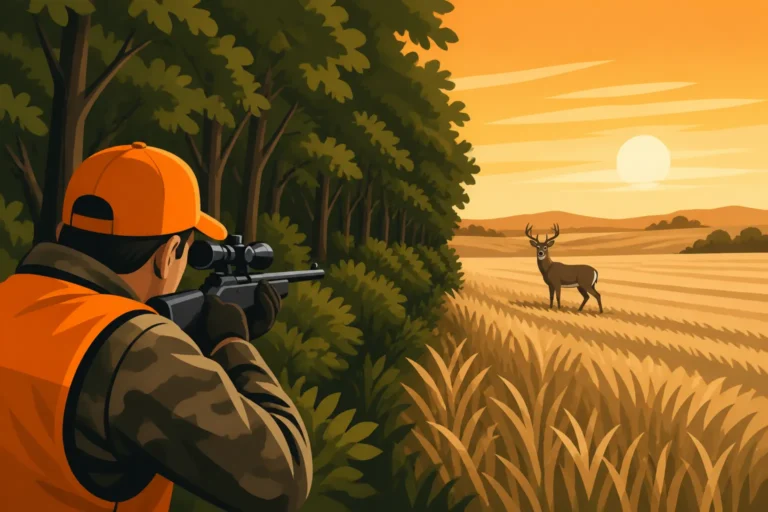
For deer, especially during the later archery or even muzzleloader seasons, the key is often patience and observation. If you've identified a promising area with good cover and fresh sign, consider an evening sit. Deer will often wait until the last hour of daylight to emerge from heavier cover and move into the stubble fields to feed. Setting up a ground blind along a field edge, downwind of a known travel corridor, can be highly effective. Remember, a good strategy for still-hunting north Dakota's Missouri River Bottomland also applies here; approach slowly, using any available cover like drainage ditches or even standing machinery to break up your silhouette. Use your binoculars or a spotting scope to scan the entire field and its edges thoroughly before making your move. Deer in these open environments are incredibly wary. Late-Season Food Sources for North Dakota Whitetails are often found in these areas, making them critical spots as winter approaches.
| Species Targeted | Best Time of Day | Recommended Tactic | Key Considerations |
|---|---|---|---|
| Whitetail Deer | Evening/Early Morning | Still-hunting edges, Ground Blind | Wind direction, thermal drafts, glassing from a distance |
| Mule Deer | Midday Bedding | Spot-and-stalk, patience | Use topography, approach into the wind, watch for escape |
| Pheasant | Mid-morning/Afternoon | Walking patterns with dogs, blocking | Cover density, dog's range, hunter spacing |
| Hungarian Partridge | Early Morning/Late Afternoon | Walking patterns, jump-shooting | Quick shots, listen for calls, focus on field edges |
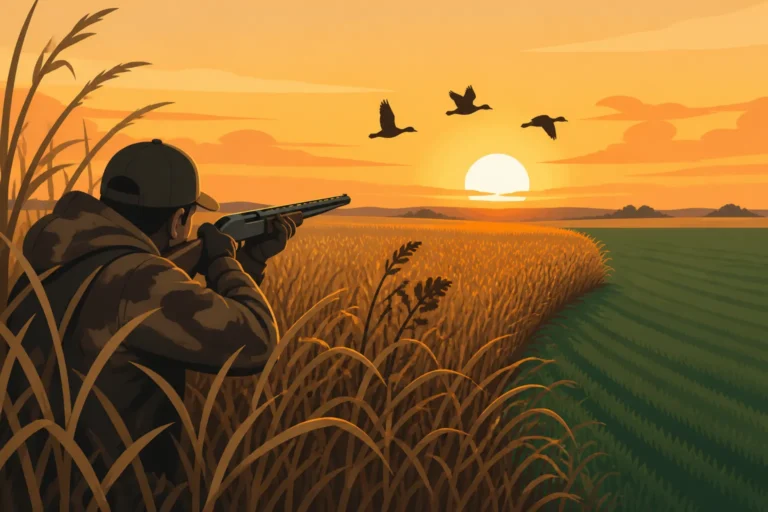
For upland birds like pheasants and Hungarian partridge, a walking strategy is usually best. If you're working a smaller patch of standing cover or dense stubble, a single hunter or a small group can effectively crisscross the area. However, if you're dealing with a large field, a blocking strategy can be incredibly effective. Have a few hunters walk through the cover, pushing birds towards blockers positioned at the far end, especially where the stubble meets a shelterbelt or a drainage. Using a good bird dog, like those discussed in Running Pointing Dogs on North Dakota Pheasant, is almost indispensable for finding and flushing birds that would otherwise hold tight in the dense cover. Walk at a consistent, slow pace, allowing your dog to work thoroughly. Remember, these birds will often run before they fly, so be ready for unexpected flushes as you near the end of the cover. Hunting North Dakota Farmland for Hungarian partridge often means focusing on these field edge opportunities.
Always consider the wind when hunting post-harvest fields. For deer, a steady wind can mask your approach and carry your scent away from where you expect animals to be. For birds, working into the wind allows your dogs to scent game more effectively, and birds will typically flush into the wind, giving you a slightly slower, more predictable shot. Also, don't overlook the advantage of using natural terrain to your benefit. A slight rise, a drainage, or even a line of standing brush can provide crucial cover for a stalk or an approach, helping you close the distance before game detects your presence. Many hunters overlook the importance of Reading North Dakota Mud for Fresh Deer Movement, but it's a critical skill to apply to these post-harvest areas to identify fresh activity.
Gear and Other Considerations for Post-Harvest Hunting Success
Getting ready for a hunt in North Dakota's post-harvest fields means thinking about practicality and comfort, especially as the season progresses and temperatures drop. The right gear can make or break your experience, keeping you effective and safe.
First, let's talk clothing. Layers are always your friend in North Dakota, as the weather can change drastically throughout the day. You’ll be walking through stubble, which can be abrasive, so durable pants are a must. Consider upland hunting pants with reinforced facings, even for deer hunting, to protect against thorns and stiff plant material. For upland bird hunting, bright blaze orange is not just a good idea, it's often legally required. Check the North Dakota Blaze Orange Requirements to ensure you're compliant. Even when deer hunting, incorporating some blaze orange is a smart safety measure, particularly when hunting areas that might see other hunters.
Footwear is another critical component. You'll be covering potentially many miles of uneven ground, so comfortable, supportive, and waterproof boots are essential. Stubble can be hard on feet and ankles, and lingering moisture or early snow can quickly lead to cold, wet feet. Insulated boots are a wise choice for later season hunts. Don't forget good quality wool socks to prevent blisters and manage moisture.
Finally, consider the tools that will enhance your hunt. Good binoculars are a non-negotiable for spotting game in open country. A rangefinder is also incredibly useful for deer hunting, helping you make ethical shots. For bird hunters, a whistle for your dog, plenty of water, and an easily accessible bird vest or game bag are crucial. Always carry a reliable GPS device or a fully charged phone with a mapping app like GoHunt to keep track of your location and property lines, especially when Hunting Small Private Tracts in North Dakota or navigating scattered PLOTS parcels. Don't forget to ask for permission when Knocking on Doors in North Dakota Farm Country, as much of the land is private. And remember, finding PLOTS Ground Others Walk Past often means getting a little further off the beaten path, so be prepared for a longer walk.
By understanding the appeal of these post-harvest fields, diligently scouting them, employing smart hunting strategies, and having the right gear, you can turn seemingly empty landscapes into some of your most rewarding hunting experiences in North Dakota.
Disclaimer
Please remember that hunting regulations and conditions can change. Always consult the latest North Dakota Game and Fish Department regulations before heading afield to ensure compliance with all laws and seasons. Stay safe and hunt ethically.