Hunting North Dakota’s Nine Resident-Only Waterfowl Days
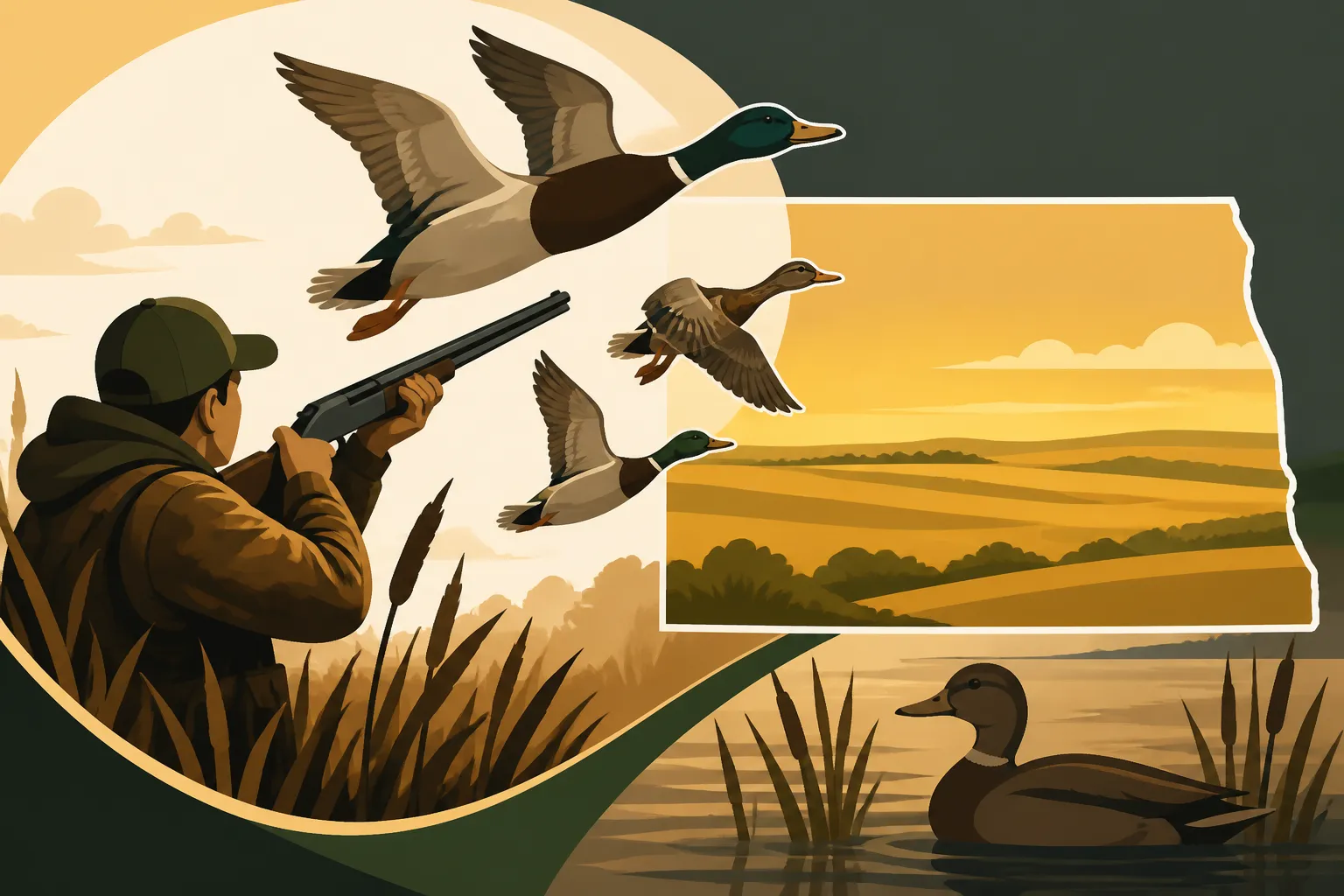
It's a familiar ache for nonresident waterfowl hunters dreaming of North Dakota's legendary prairie potholes and vast grain fields: the crushing reality of those dreaded nine resident-only days. You've scouted maps, poured over regulations, and planned your trip, only to hit a wall that effectively closes off most prime public hunting grounds when the ducks and geese are at their most vulnerable. This guide is here to unravel the complexities of North Dakota's initial nonresident waterfowl restriction, offering you clear insights and practical strategies to navigate this period, whether you're biding your time or seeking legal alternatives.
Understanding the Resident-Priority Waterfowl Rule
North Dakota is a waterfowl hunter's paradise, no doubt about it. Millions of ducks and geese funnel through here every fall, utilizing the rich agricultural lands and countless potholes. But with such an incredible resource comes high demand, and the state has implemented specific rules to manage that pressure. The most significant of these for nonresidents is the restriction during the first nine days of the waterfowl season. It's a measure that often sparks frustration but is crucial to understand if you plan on hunting this incredible state.
The Legislative Background and Purpose
This resident-priority period isn't some arbitrary gatekeeping; it's rooted in the state's desire to give its own citizens the first crack at the early season flights. Imagine living in North Dakota, watching the birds build up all summer, and then suddenly being elbowed out of your favorite marsh by a flood of out-of-state hunters on opening day. That's the sentiment this rule aims to address. The North Dakota Game and Fish Department (NDGFD) enacted this rule to ensure that residents, who contribute directly to the state's conservation efforts year-round through their licenses and taxes, have a less pressured and more enjoyable experience during the initial peak of the season. It’s a balancing act between encouraging tourism and preserving a quality hunting experience for those who call North Dakota home. This rule also acknowledges the significant Hunting Pressure on North Dakota Public Land that can occur, especially in the early weeks.
Impact on Nonresident Planning
For nonresidents, this rule means a significant adjustment to their hunting plans. During these nine days, you simply cannot hunt waterfowl on any public lands. This includes State Wildlife Management Areas (WMAs), federal Waterfowl Production Areas (WPAs), U.S. Forest Service lands, and any other public access areas specifically designated for hunting. This often catches first-time nonresident hunters off guard, leading to wasted time and major disappointment. It effectively means that if your trip is planned for that opening week, your public land options for ducks and geese are zero. It’s a stark reality that requires careful consideration when you're looking at North Dakota Nonresident License Options and plotting your travel dates. You might find yourself with a tag in your pocket but no legal public place to use it for those specific days.
Exceptions and Misconceptions About the Restriction
While the rule is clear about public land, there are crucial nuances. The most important exception is private land. Nonresidents are absolutely permitted to hunt waterfowl on private land with proper permission during these nine resident-only days. This means that if you've done your homework, knocked on doors, and secured a landowner's blessing, you can be out there calling in ducks and geese. However, securing private land access, especially for prime waterfowl spots, isn't always easy and often requires extensive pre-season scouting and relationship building.
Another common misconception is that this restriction applies to all hunting. It only applies to waterfowl on public land. Other species, like deer or upland birds, may have open seasons during this time and can be hunted by nonresidents on public land, provided you have the appropriate licenses and follow all other regulations. This opens up possibilities for combination hunts if you time it right and focus on private land for waterfowl. Furthermore, it's important not to confuse this initial nine-day restriction with North Dakota's New Nonresident Waterfowl Rule set to take effect in 2026, which introduces zone restrictions later in the season. These are separate regulations designed to achieve different management goals.
Strategic Planning for the Nonresident Waterfowler
Navigating North Dakota's waterfowl season as a nonresident requires forethought, especially with the nine-day public land restriction. It's not just about showing up with a shotgun; it's about smart planning that respects the regulations and maximizes your chances of a successful hunt. This means thinking about timing, alternative species, and leveraging every scouting tool at your disposal.
Timing Your Nonresident Trip
The most straightforward way to avoid the public land restriction is to simply delay your arrival. Many nonresident hunters opt to plan their trips to begin on the tenth day of the waterfowl season or later. By doing so, they completely bypass the resident-only period and gain full access to the vast network of WPAs, WMAs, and other public lands that North Dakota offers. This strategy often means you're hunting slightly later in the season, which can have its own advantages and disadvantages. Early season birds tend to be less "educated" but can be more spread out. Later season birds might be more concentrated due to colder weather pushing them south, but they've also been pressured more. It’s a trade-off that many find worthwhile for the freedom of public land access. Always double-check the exact dates for Which Nine Days Are Resident-Only for Waterfowl as they can shift slightly year to year based on calendar alignment.
Alternative Hunting Options During the Restriction
If you absolutely must be in North Dakota during those first nine days, and public land waterfowl hunting is out, you're not entirely out of luck. Your primary avenue for waterfowl becomes securing private land permission. This is where diligent pre-season work truly pays off. Many landowners are open to granting permission, especially if you approach them respectfully and early. Drive the back roads, look for active fields, and be prepared to knock on doors well in advance of the season.
Beyond waterfowl, consider diversifying your hunting portfolio. North Dakota offers fantastic opportunities for upland birds like pheasants, sharptails, and Huns, and their seasons often open around the same time or earlier. You could spend those first nine days pursuing Pheasant Hunting North Dakota's Prairie or even small game on public lands, then pivot to waterfowl once the restriction lifts. This multi-species approach can salvage a trip that might otherwise be cut short by the waterfowl rules. Just remember to secure all the necessary licenses for each species you intend to pursue.
Pre-Season Scouting and Preparation
Effective scouting is paramount for any North Dakota waterfowl hunt, but it becomes even more critical when navigating the resident-only period. For nonresidents, this often means leveraging technology. Tools like the ND Hunt App and mapping software with plat book overlays are invaluable. You can virtually scout large areas from home, identifying potential private land hotspots adjacent to known public waterfowl magnets. Look for sections of land with sloughs, ponds, and nearby agricultural fields – these are classic waterfowl attractors.
If you arrive early, use the resident-only days to drive extensively and physically scout. Pay close attention to flight patterns, feeding areas, and roosting water bodies. Identify landowners and make those crucial contacts. This groundwork during the restricted period can pay dividends once public land opens up or if you manage to secure private access. A platform like GoHunt can be incredibly useful for overlaying satellite imagery with land ownership data, helping you pinpoint parcels and understand property boundaries long before you hit the road. This strategic use of Scouting PLOTS Land With the ND Hunt App and similar digital tools can dramatically improve your success rate.
Tactics for Hunting After the Resident-Only Period
Once the initial nine-day restriction is lifted, North Dakota's vast public and private lands open up for nonresident waterfowl hunters. But simply having access isn't enough; you need effective tactics to consistently bring birds into range. The prairie can be a challenging environment, and successful hunters are those who adapt their strategies to the conditions and the birds' behavior.
Decoying Strategies for Prairie Potholes
The heart of North Dakota waterfowl hunting often lies in decoying. Whether you're targeting mallards, pintails, or divers, a well-placed spread is your best friend. In the North Dakota's Prairie Pothole Region Explained, smaller spreads often work best for puddle ducks on isolated sloughs – think 1 to 2 dozen mallard and pintail decoys, maybe a few wigeon or teal. Focus on realism and creating an inviting landing zone, leaving a pocket where you want the birds to commit. For bigger water, or when targeting geese, your spread will need to expand significantly.
When hunting over water, position your decoys with the wind at your back or side, allowing incoming birds to land into the wind, right in front of your blind. For field hunting geese, numbers are often key. A spread of 100+ full-body or shell goose decoys, strategically placed to mimic feeding birds, can be devastating. Incorporate movement with flags or motorized decoys to add realism, especially on calm days. Remember that Decoy Spreads for Prairie Pothole Mallards will differ significantly from those used for large Canada goose operations.
Effective Calling Techniques
Calling is an art, not just a noise. While it's tempting to blast away on your call, restraint and realism are far more effective. For ducks, start with subtle greetings and increase volume and urgency only if the birds show interest. Learn to read their body language. A simple series of quacks and chuckles is often more effective than an aggressive highball. If they're cupped and committed, often the best call is no call at all.
For geese, calling is about confidence and cadence. Mimic the feeding chatter and excited honks of a flock on the ground. Use a variety of calls within your group to create a realistic chorus. Practice before the season to develop rhythm and avoid sounding like a single, frantic goose. Be ready to adjust your calling based on the birds' reactions; sometimes a quiet approach is best, while other times, aggressive hailing is necessary. Mastering calling, even simple sequences, will make a noticeable difference in your success.
Field Hunting Versus Water Hunting
North Dakota offers both incredible field hunting and classic water hunting, and understanding when to employ each is crucial. Field hunting generally targets geese and often late-season ducks that are feeding heavily on waste grain. This requires extensive scouting to find actively feeding birds, securing permission, and setting up large decoy spreads. Layout Blind Hunting Devils Lake Fields is a prime example of this strategy, where hunters blend into the agricultural landscape. The advantage here is often sheer numbers of birds, but it demands more gear, logistical planning, and often, more bodies to help with the setup.
Water hunting, on the other hand, is classic duck hunting over sloughs, potholes, rivers, and lakes. This can range from jump-shooting small, isolated ponds to elaborate permanent blinds on larger bodies of water. Hunting a North Dakota Prairie Pothole Slough Edge offers a more intimate experience, focusing on smaller groups of birds. Water hunting can be less gear-intensive for small spreads, but good concealment is paramount. Understanding the birds' preferences – are they loafing on water, or feeding in fields? – will dictate your approach for the day. A well-rounded nonresident hunter should be prepared for both scenarios.
Choosing Your Hunting Location Wisely
North Dakota's diverse landscape offers a wealth of waterfowl hunting opportunities, but not all areas are created equal, especially when considering the nonresident restriction. Making informed decisions about where to focus your efforts can be the difference between a memorable hunt and a frustrating one.
Prairie Pothole Region Specifics
The Prairie Pothole Region, often called the "duck factory," is the undisputed heart of North Dakota's waterfowl country. Stretching across the central and eastern parts of the state, it's a mosaic of wetlands, grasslands, and agricultural fields. This is where you'll find an abundance of Waterfowl Production Areas (WPAs), which are federal lands managed specifically for waterfowl nesting and migration. During the resident-only period, these are off-limits to nonresidents. However, once the restriction lifts, WPAs become prime targets. They offer critical roosting and loafing habitat, and often excellent early-season hunting for ducks.
When scouting these areas, look for WPAs that are adjacent to active grain fields. Birds will often use the potholes for roosting and then fly out to feed. Public lands in this region can see significant pressure, especially after the nonresident restriction lifts. So, research and an understanding of bird patterns are vital. Utilizing the GoHunt app to identify less pressured corners of larger WPAs or small, isolated state-owned parcels that might be overlooked can give you an edge. Many hunters also find success by focusing on the fringes of this region where habitat might be more spread out, leading to less competition.
Major Lake and River Systems
Beyond the potholes, North Dakota boasts several significant water bodies that attract immense numbers of waterfowl, particularly later in the season. Devils Lake, for instance, is a massive, saline lake that acts as a magnet for ducks and geese, especially during the colder months. It’s known for its incredible late-season field hunting for geese and diverse duck opportunities. Similarly, the Missouri River corridor, including Lake Sakakawea, draws substantial numbers of migrating birds. These larger water bodies can offer a different hunting experience, often involving open-water spreads for divers or pass-shooting geese off roost ponds.
Hunting these big waters and associated river bottomlands requires specialized tactics and gear, often including large boat blinds or layout blinds. While these areas are not subject to the same strict early-season public land restrictions as the smaller WPAs (if hunting private land nearby), they still fall under the general nonresident rules for public access after the initial nine days. Knowing the specific choke points, flyways, and preferred feeding areas around these larger systems is key. For example, Pass-Shooting Geese on the James River can be a productive strategy, but it relies heavily on understanding local bird movements and identifying key flight corridors.
Public Versus Private Land Access
The choice between public and private land is paramount for nonresidents, especially during the restricted period. As established, private land is your only option for waterfowl during those first nine days. Gaining private access requires respect, perseverance, and often, pre-season networking. Start by identifying potential landowners using digital mapping tools, then make polite, in-person requests. Offer to help with chores, pick up trash, or even share some of your harvest. Building these relationships is invaluable.
After the resident-only period, public lands become fair game, but they come with their own set of challenges. High pressure, especially on easily accessible WPAs and WMAs, can make for tough hunting. To succeed on public ground, you often need to put in extra effort – walking further, scouting harder, and being willing to adjust your plans. Explore less-known public parcels, or look for areas that require more effort to reach. Remember that Waterfowl Production Areas Explained often provide vast, unpressured corners if you're willing to walk. Combining strategic public land hunting with any private land access you secure can give you the most diverse and successful hunting opportunities throughout your North Dakota trip.
Essential Gear and Logistics for a North Dakota Waterfowl Hunt
North Dakota's weather can be notoriously unpredictable, swinging from mild autumn days to brutal blizzards in a matter of hours. Being properly equipped and planning your logistics is just as important as knowing your calling techniques. From your blind to your boots, every piece of gear plays a role in your comfort, safety, and success.
Decoys, Blinds, and Concealment
Your decoy spread is your primary tool for attracting birds. For ducks, a mix of mallards, pintails, and perhaps some teal or wigeon, ranging from 2-4 dozen, is a solid starting point for most prairie pothole hunts. For geese, especially Canada geese, you'll need significantly more – often several dozen to well over a hundred full-body or shell decoys. Consider adding motion decoys like spinning wing ducks or goose flags to enhance realism.
Concealment is non-negotiable. Whether you’re using a layout blind in a field, a floating blind on open water, or natural cover along a slough edge, you must blend in. Layout blinds are excellent for field hunting, but ensure they are brushed in with natural vegetation from the area. For water hunts, a small, portable blind brushed with cattails or reeds can be effective. Even simple camouflaged netting over natural cover can work if positioned correctly. The key is to break up your silhouette and hide any unnatural shapes. Remember, birds have incredible eyesight, and they've seen every trick in the book.
Vehicle, Dog, and Cold Weather Considerations
North Dakota’s often unpaved section line roads and muddy field edges demand a reliable vehicle, preferably a 4×4 truck or SUV. You’ll be hauling decoys, blinds, and potentially harvested birds over rough terrain. Ensure your spare tire is good, and you have basic recovery gear like a shovel and tow strap.
If you bring a dog, they are an invaluable asset for retrieving downed birds, especially in thick cover or cold water. However, ensure your dog is well-trained, obedient, and accustomed to cold temperatures. A dog blind or platform can keep them warm and concealed. Always bring plenty of water and food for your canine companion.
Cold weather gear is paramount. Layers are your friend. Start with moisture-wicking base layers, add insulating mid-layers like fleece or down, and top it with a waterproof, windproof outer shell. Insulated waders or waterproof boots are essential for water hunts. Don't forget warm gloves, a hat, and a face mask. North Dakota winds can cut through anything, and hypothermia is a real threat if you’re unprepared. Even in October, temperatures can drop below freezing, especially before dawn.
Table: Waterfowl Hunting Gear Checklist
| Category | Essential Items | Notes |
|---|---|---|
| Licenses & Permits | ND hunting license, federal duck stamp, HIP certification | Carry physical copies or accessible digital proofs. North Dakota Duck and Goose Bag Limits and regulations apply. |
| Firearms & Ammo | Shotgun (12 or 20 gauge recommended), non-toxic shot (steel, bismuth, tungsten) | Bring enough ammo for multiple days. No lead shot for waterfowl. |
| Decoys | Mallard, pintail, teal, wigeon, Canada goose, snow goose | Quantity depends on target species and location (2-4 dozen ducks, 50-100+ geese). Consider motion decoys. |
| Blinds | Layout blind, floating blind, natural cover (brush, netting) | Choose based on hunting environment (field vs. water) and brush in thoroughly. |
| Apparel | Layered clothing (base, mid, outer), waterproof/windproof outerwear, insulated waders/boots, gloves, hat, facemask | Be prepared for rapidly changing weather. Hypothermia is a risk. |
| Calls | Duck calls (mallard, pintail), goose calls (Canada, snow) | Practice realistic calling. More isn't always better. |
| Scouting Aids | GPS, maps (physical & digital like GoHunt), binoculars, spotting scope | Crucial for pre-season and in-season bird location and land identification. |
| Retrieval | Trained dog, retriever pole, chest waders | Essential for ethical retrieval of downed birds, especially in deep water or thick cover. |
| Safety & Survival | First-aid kit, whistle, flashlight/headlamp, emergency blanket, hand warmers, water, snacks, knife, multi-tool, charged phone | North Dakota is remote; self-sufficiency is key. Tell someone where you're going. |
| Processing | Game shears, sharp knife, game bags, cooler with ice | Field dress birds promptly. |
| Vehicle Gear | 4×4 vehicle, tow strap, shovel, jumper cables, full tank of gas | Unpaved roads can be challenging. |
Maximizing Your Success on Public and Private Land
Once the rules are understood and your gear is packed, the final ingredient for a successful North Dakota waterfowl hunt is smart strategy. This means not just finding birds, but knowing how to approach them, adapting to the elements, and always respecting the land and landowners.
Reading Weather Patterns and Bird Behavior
North Dakota's weather is arguably the single biggest factor influencing waterfowl behavior. Cold fronts, strong winds, and snow can dramatically shift bird patterns, often pushing new birds into the region or concentrating resident birds in specific areas. Keep a close eye on the long-range forecast. A major cold front from the north often means fresh migrators are on their way, bringing new opportunities. High winds can also be your friend, as they make ducks and geese fly lower and work into decoys more readily. However, too much wind can make calling and decoy setup challenging.
Understanding daily bird behavior is also critical. Early in the season, birds often follow predictable patterns: roosting on large bodies of water, flying to feed in specific fields at dawn and dusk, and loafing on smaller potholes during the midday. Later in the season, as hunting pressure increases and food sources deplete, these patterns can become less predictable. Pay attention to how birds are reacting to your calls and decoys; if they're flaring, something isn't right with your setup. Adapt quickly. For instance, if you notice ducks are consistently avoiding your spread and landing further downwind, adjust your landing zone or the location of your blind.
Overcoming Hunting Pressure
Even after the resident-only restriction lifts, North Dakota's public lands can experience significant hunting pressure, particularly on weekends and easily accessible WPAs. To counteract this, be willing to work harder than the next hunter. This often means walking further, carrying your gear into more remote potholes, or finding public land that is less obvious to others. Using detailed mapping apps like GoHunt can help you identify walk-in access points or less-traveled corners of large public parcels. Consider hunting mid-week when pressure typically subsides.
Another strategy is to identify and hunt the "transition zones" between pressured public lands and private agricultural fields. Birds often use these fringes to escape pressure. You might not have access to the prime private feeding fields, but you might intercept birds flying to or from them. Always be on the lookout for fresh sign – droppings, feathers, tracks – that indicate recent bird activity. Sometimes, finding a less-pressured, smaller pothole with consistent bird traffic is far more productive than fighting the crowds on a larger, well-known WPA.
Gaining Private Land Access
While private land hunting is your only option during the resident-only days, it remains an excellent avenue for success throughout the entire season. Building relationships with landowners is an investment that pays dividends. Approach farmers and ranchers respectfully, always asking permission in person. Dress neatly, introduce yourself, and clearly state your intentions. Offer to share your harvest, help with chores, or provide your contact information. Reassure them that you will respect their property, close gates, and clean up any spent shells or trash.
Many landowners are tired of hunters who trespass or leave a mess. Being the respectful, responsible hunter can set you apart and open doors to incredible hunting opportunities. Sometimes, offering a small token of appreciation, like a gift certificate to a local business or a bottle of whiskey, can go a long way in fostering goodwill. Remember that North Dakota’s landowner preference system is strong, and a good relationship with a landowner can unlock some of the state's best hunting.
Disclaimer
The information provided in this guide is for informational purposes only and is not a substitute for checking current North Dakota Game and Fish Department (NDGFD) regulations. Hunting laws and seasons can change, and it is the responsibility of every hunter to be aware of and comply with all applicable state and federal regulations. Always consult the official NDGFD proclamation for the most up-to-date information before planning or engaging in any hunting activities.